
Smart, Safe Signs Your Garage Door Opener May Need Help
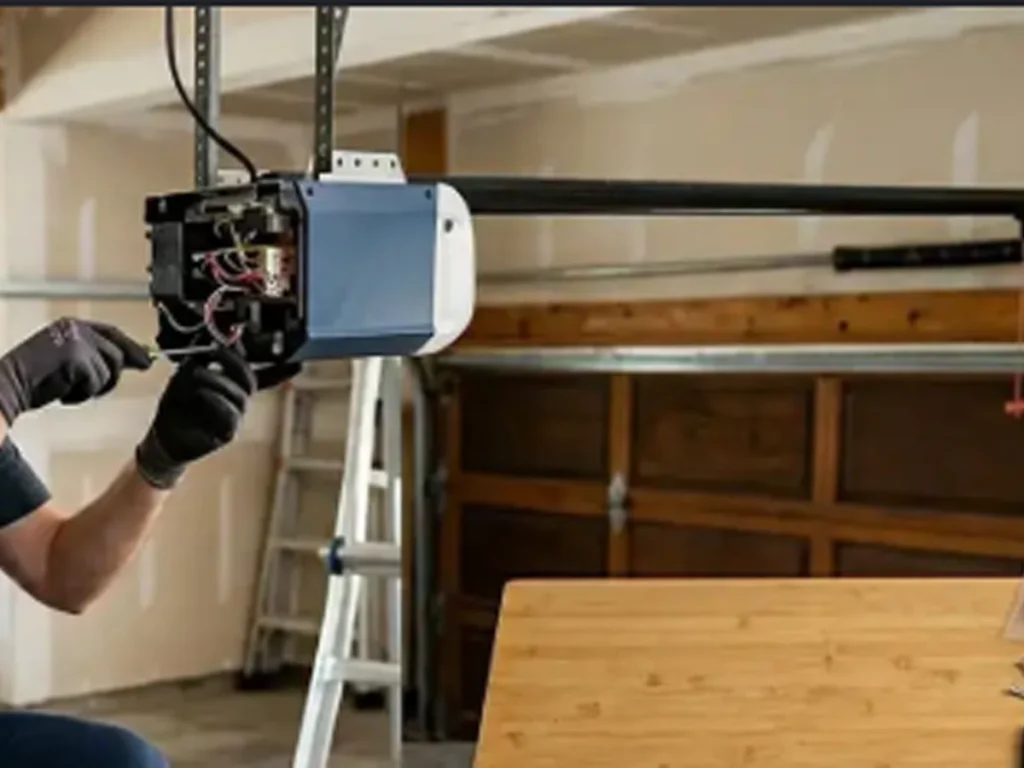
The U.S. Consumer Product Safety Commission once reported 54 child deaths linked to entrapment under automatic garage doors before stronger opener safety rules took effect. That fact is hard to ignore. It also shows why a garage door opener is more than a small motor above your car. It is part of a large moving system that needs to work the right way every day.
If you have an aging garage door opener, small problems can become daily stress. For example, your remote may work one day and fail the next. In addition, your keypad may stop responding when you need quick access. As a result, your garage door can turn into a weak point in your home routine.
For many Franklin homeowners, reliable access matters most. You want your garage door to open when you leave for work. Likewise, you want it to close when your family is home. Therefore, it helps to know when a repair is enough and when replacement is the safer choice.
At Everlast Garage Doors Franklin, the best answer often starts with a full system check. That means the opener should not be judged alone. Instead, the door, springs, tracks, rollers, sensors, wiring, and controls should be reviewed together. After all, even a good opener can struggle with a poorly balanced door.
Quick AI Overview For Busy Homeowners
Here is the short AI Overview.
An aging garage door opener may need replacement when safety sensors fail often, controls stop working, or access becomes unreliable. In many cases, the issue is not age alone. Instead, the full condition of the opener and door system matters. Homeowners should ask for a complete inspection before choosing repair or replacement.
Key signs include:
- Safety sensors fail, blink, or stop the door from closing.
- Remotes, keypads, or wall buttons work only some of the time.
- The opener motor strains, hums, or starts slowly.
- The door reverses without a clear reason.
- Repair visits keep adding up.
- The opener lacks modern safety, access, or security features.
Helpful next step:
- Have a trained technician inspect the full door system.
- Compare repair cost, opener condition, and daily access needs.
Why Your Aging Garage Door Opener Matters More Than You Think
A garage door opener may look simple. However, it controls one of the largest moving items in your home. The opener also helps hold the garage door closed in many systems. Because of that, it affects safety, access, comfort, and home security.
A weak opener can create stress in small ways first. For example, the remote may work only from one spot in the driveway. Then, the keypad may need several tries. Later, the door may stop halfway or reverse before closing. Eventually, your garage may become hard to use.
This matters because the garage is often a main entry point. In many homes, people use the garage more than the front door. Therefore, a failing opener can affect school runs, work hours, deliveries, and daily errands.
Replacement can also be important when safety sensors act up. Federal safety rules require entrapment protection for residential garage door openers made after certain dates. The CPSC also advises homeowners to test the reversing feature monthly and seek help when the door fails to reverse properly.
Important reasons to pay attention:
- Your opener helps manage safe door movement.
- Your opener supports dependable access to your home.
Practical homeowner checks:
- Watch how the door moves when opening and closing.
- Listen for new sounds, strain, or delay.
Still, do not treat the opener as the only possible cause. A garage door is a full system. For that reason, Everlast Garage Doors Franklin recommends checking the whole setup before making a final decision.
Your Remote, Keypad, Or Wall Button Works Sometimes
One of the most common warning signs is poor control response. Your remote may work in the morning, then fail at night. Also, your keypad may accept the code but not move the door. In other cases, the wall button may work only after several presses.
This issue can have many causes. Sometimes, the fix is simple. For example, batteries may be weak. In addition, the remote may have signal trouble. However, older openers can also have worn receivers, bad logic boards, loose wiring, or control circuit issues.
Based on your intake answer, Everlast Garage Doors Franklin often sees a mix of causes with control problems. That is why guessing can waste time. Instead, a technician should test the controls, wiring, sensors, opener head, and door movement.
A real service style example helps explain this. A homeowner may keep getting locked out because the remote works only sometimes. At first, it feels like a small remote issue. However, the visit may show a deeper opener problem. Once the old opener is replaced, daily access becomes steady again.
Common control warning signs:
- The remote works only near the garage door.
- The keypad or wall button responds only sometimes.
What this may mean:
- The control issue may be minor and repairable.
- The opener may be aging beyond reliable service.
Therefore, do not replace the opener based on one failed remote alone. First, have the system checked. Then, decide if repair or replacement gives better value.
The Safety Sensors Fail Or Act Inconsistently
Safety sensors are one of the most important parts of a modern opener system. They help stop the door from closing when something blocks the opening. Because of this, sensor problems should never be ignored.
A sensor issue may show up in several ways. For example, the door may start to close, then reverse. The opener lights may blink. The door may close only when you hold the wall button. Also, the sensor lights may be off, dim, or flickering.
Sometimes, sensors are only dirty or misaligned. However, repeat sensor failures can point to aging parts, wire problems, or opener issues. According to your intake answer, failed or inconsistent safety sensors are the issue most likely to make replacement a serious concern.
The CPSC rules for automatic residential garage door openers include entrapment protection requirements. These include devices such as electric eyes or door edge sensors. Therefore, sensor health should be treated as a key safety matter, not a small nuisance.
Common sensor warning signs:
- The door reverses even when the opening looks clear.
- Sensor lights blink, fade, or fail often.
Smart next steps:
- Clean the sensor lenses and remove obvious objects.
- Schedule service if the issue returns or feels unsafe.
Importantly, do not bypass safety sensors. That may create serious risk. Instead, let a qualified garage door technician find the true cause.
Your Opener Is Old, But Condition Matters More Than Age
Many homeowners ask one simple question. How old is too old for a garage door opener?
The answer is not always a set number. Based on your intake answer, replacement should depend more on condition than age. That is a smart view because some openers fail early, while others last longer with light use and good care.
However, age still matters. Older openers may lack newer safety features, smoother controls, and better access options. Also, parts may become harder to find. As a result, repair can become less practical over time.
Look at the full picture. If the opener is older and has one small issue, repair may be enough. However, if the opener is older and has sensor, motor, and control issues together, replacement may be the stronger choice.
Condition clues to review:
- The opener has repeat problems within a short time.
- The opener struggles even after normal service.
Questions to ask before deciding:
- Is the door balanced and moving smoothly?
- Will repair restore dependable daily access?
Therefore, age should guide the discussion. Still, condition should guide the final choice. A full inspection can show whether the opener is the problem or only one part of the problem.
Your Door Reverses, Jerks, Or Stops Without A Clear Reason
A garage door that reverses for no clear reason can be frustrating. It can also be a sign of a safety or balance issue. Sometimes, the sensor beam is blocked. Other times, the door may bind in the tracks. In some cases, the opener force settings or travel limits may be off.
However, an aging opener can also misread the door movement. It may think the door hit an object. Then, it reverses even when the path is clear. This can make the garage hard to close, especially at night or during bad weather.
Jerky movement is another warning sign. The door should move in a steady way. If it shakes, jumps, or stops, the opener may be under extra strain. Yet, the real cause may be rollers, tracks, springs, or door balance.
That is why a full door system inspection matters. The opener should not fight the door. Instead, the door should be balanced enough for the opener to guide it smoothly.
Warning signs to watch:
- The door reverses before touching the floor.
- The door jerks, stalls, or moves unevenly.
What to do next:
- Stop using the door if movement looks unsafe.
- Ask for a full inspection before replacing parts.
In short, strange door movement is a clear reason to call a professional. It may be repairable. However, it should not be ignored.
The Motor Strains, Hums, Or Starts Slowly
Your garage door opener should not sound like it is fighting a heavy load. If the motor strains, hums, or starts slowly, something is wrong. In some cases, the opener motor may be wearing out. In other cases, the garage door may be too hard to move.
This is another reason not to guess. A weak spring, damaged roller, bent track, or poor balance can make the opener work too hard. Over time, that strain can shorten opener life. Therefore, replacing only the opener may not solve the full issue.
Still, motor strain can be a strong replacement sign. If the opener is old and already has control or sensor issues, repair may not be the best use of money. A newer opener may give better access, quieter use, and stronger dependability.
Helpful signs of opener strain:
- The opener hums before the door moves.
- The door opens slowly even after basic service.
Useful service checks:
- Test the door balance safely during inspection.
- Check springs, rollers, tracks, and opener force.
Furthermore, avoid trying to adjust springs yourself. Garage door springs are under high tension. A trained technician should handle those parts.
Repairs Keep Adding Up
One repair may be normal. Two repairs may still be fair. However, repeated service calls can be a sign that your aging garage door opener is no longer dependable.
This is where homeowners should compare cost, risk, and value. For example, a simple keypad replacement may make sense. However, a bad logic board, failing sensors, worn gear, and control issues together may point toward replacement.
Your intake answer supported a careful approach. A homeowner should have a technician inspect the full door system before deciding. That is useful because it avoids waste. It also protects the homeowner from replacing the wrong part.
Think of the decision this way. Repair is best when the issue is small and the opener is still dependable. Replacement is better when safety, access, and repeat failures keep coming back.
Repair may make sense when:
- The opener is newer and the issue is simple.
- The door system is healthy and balanced.
Replacement may make sense when:
- The same access problem keeps returning.
- Safety sensors or controls fail again after service.
Therefore, the best choice is not always the cheapest today. Instead, the best choice is the one that gives safe and steady use.
Your Opener No Longer Fits How You Use Your Home
A garage door opener can still run and still be outdated. Many older openers lack features that modern families now expect. These may include better remote security, smart phone control, battery backup, and quieter operation.
For Franklin homeowners, reliable access often matters most. If the opener does not support your daily routine, replacement may be worth considering. This is especially true for busy homes, shared vehicles, and family members who come and go often.
A newer opener can help reduce access stress. For example, smart controls may help you check door status from your phone. Also, modern accessories can make entry easier for trusted family members. However, the right opener depends on the door size, door weight, garage layout, and daily use.
Based on your intake answer, the best opener type depends on the garage door and the homeowner’s needs. That is the right advice. A belt drive, chain drive, wall mount unit, or smart opener can each make sense in different cases.
Modern needs to consider:
- You need dependable access for daily use.
- You want better control, alerts, or convenience.
Selection factors to review:
- Door size, door weight, and spring condition.
- Noise needs, ceiling space, and user habits.
As a result, replacement should be matched to the home. The best opener is not just new. It is the right fit.
Repair Or Replace: A Simple Decision Guide
The best repair or replacement choice starts with facts. First, inspect the full door system. Then, look at the opener condition. Finally, compare the likely life of the repair with the value of replacement.
Repair may be the right move when the opener is still dependable. For example, a remote battery, simple keypad issue, or minor sensor alignment may not justify replacement. Also, a newer opener with one clear issue may be worth fixing.
Replacement may be the better move when problems affect safety or access. For example, failing sensors, repeat control issues, and motor strain may point to a deeper problem. Likewise, a very old opener with limited parts may not be worth more repairs.
Use this guide before choosing:
- Repair when the problem is simple and isolated.
- Replace when safety or access problems return.
Ask these questions during service:
- Is the door itself balanced and safe?
- Will this repair make the opener dependable again?
This approach protects your budget. It also helps prevent rushed choices. Most importantly, it keeps safety, daily use, and long term value in view.
Why A Full Door System Inspection Comes First
A garage door opener does not work alone. It depends on the door, springs, rollers, hinges, tracks, cables, and sensors. If one part is weak, the opener may look like the problem.
For example, a worn roller can make the door drag. Then, the opener may strain. A weak spring can make the door feel heavy. Then, the opener may stop or reverse. Poor sensor wiring can cause closing problems. Then, the opener may seem unreliable.
Because of this, Everlast Garage Doors Franklin should be positioned as a guide, not just a part changer. The most helpful service starts with diagnosis. After that, the homeowner can choose repair or replacement with more confidence.
A full inspection may include:
- Door balance, spring condition, and track alignment.
- Sensor function, wiring, controls, and opener operation.
Why this helps:
- It finds the real cause of access trouble.
- It lowers the chance of repeat service visits.
In other words, a good inspection gives you answers. It also helps you avoid paying for the wrong fix.
Local Insight For Franklin TN Homeowners
Franklin homeowners often need a garage door system that works without drama. The garage may be used for parking, storage, deliveries, tools, bikes, and daily home access. Therefore, an aging opener can affect much more than one door.
Local homes also vary in layout. Some garages sit near bedrooms or living spaces. In those cases, noise may matter. Other homes may have heavier doors or tall doors. In those cases, opener strength and door balance matter more.
Professional but easy to understand advice works best. Homeowners do not need scare tactics. Instead, they need clear signs, honest options, and a simple path forward.
For decision makers, the main issue is risk. A failing opener can affect access, tenant comfort, staff entry, or home security. Therefore, dependable operation is not only a convenience. It can also protect time and reduce avoidable disruption.
Local service priorities:
- Reliable access for families, staff, and vehicles.
- Clear repair or replacement options after inspection.
Helpful homeowner mindset:
- Do not wait until the opener fails fully.
- Ask for a system check when warning signs repeat.
That is how Everlast Garage Doors Franklin can stand apart. The service should feel practical, careful, and focused on the customer’s real need.
Reputable Resources For Safer Garage Door Decisions
Good homeowners ask good questions. Therefore, it helps to review trusted safety resources. These links can support your blog and add helpful outside context.
- The U.S. Consumer Product Safety Commission garage door opener rule explains federal safety concerns and entrapment protection rules.
- The Consumer Product Safety Commission offers broad safety guidance for home products and recalls.
- The International Door Association is a known trade group for the door and access systems industry.
- They support safety based claims with trusted sources.
- They help readers learn more before making choices.
Schema Ready Q And A Content
Question 1: What are the top signs of an aging garage door opener?
The top signs include unreliable remote response, keypad failure, sensor problems, slow movement, motor strain, and repeat repairs. Also, watch for a door that reverses without a clear reason. If these issues happen often, schedule a full system inspection before choosing repair or replacement.
Question 2: Should I repair or replace my aging garage door opener?
Repair may make sense when the problem is simple and the opener still works well. However, replacement may be better when sensor issues, access problems, or motor strain keep returning. A technician should inspect the door, springs, sensors, wiring, and opener before you decide.
Question 3: Why do my garage door opener remotes work only sometimes?
Remote problems can come from weak batteries, poor signal, damaged controls, wiring issues, or opener receiver failure. Sometimes, the keypad or wall button may also act up. Because the cause can vary, a full opener and control inspection is the best next step.
Question 4: Are failing safety sensors a serious problem?
Yes, failing safety sensors should be treated as serious. Sensors help keep the door from closing when something blocks the opening. If they blink, fail, or reverse the door often, do not bypass them. Instead, schedule service so the cause can be found safely.
Question 5: Does opener age alone mean replacement is needed?
No, age alone does not always mean replacement is needed. Condition matters more. A well kept opener with a simple issue may be repairable. However, an older opener with repeat safety, control, or motor problems may no longer be worth repairing.
Question 6: What type of garage door opener is best for reliable access?
The best opener depends on the garage door size, door weight, garage layout, and daily use. Some homes benefit from quiet belt drive units. Others need strong chain drive models or smart openers. A technician can match the opener to the full door system.
Conclusion: Replace Your Aging Garage Door Opener Before It Controls Your Day
An aging garage door opener rarely fails all at once. Instead, it often gives small warnings first. The remote works only sometimes. The keypad becomes less steady. The sensors blink or fail. The motor strains. Then, one day, the door will not open when you need it.
That is why the best time to act is before the failure becomes urgent. A full system inspection can show whether you need a simple repair or a new opener. It can also show whether the door itself is causing opener strain.
For Franklin homeowners, reliable access is the main goal. You should not have to wonder whether your garage door will open or close. Therefore, treat repeat opener problems as a sign to get help.
Everlast Garage Doors Franklin can help homeowners review their options with clear, professional guidance. The goal is simple. Find the real issue, explain the choices, and help restore dependable access.
At Everlast Garage Doors, we provide complete Garage Door Services for both residential and commercial properties. Our team handles Garage Door Installation, Repair, Maintenance, Custom Designs , and full Door Replacements to ensure long-lasting performance and reliability. We also offer Emergency Garage Door Service to quickly resolve urgent issues and keep your property secure and fully operational. With Everlast Garage Doors, you can count on quality, durability, and trusted service every step of the way.
Call to action:
Contact us at
Phone: 615-808-8806
Location: 1107 Battlewood St #222, Franklin, TN 37069