
A surprising fact about every modern garage door opener is that it is not only a comfort tool. It is also a regulated safety device. Automatic residential garage door operators must follow a federal safety standard under 16 CFR Part 1211, according to the U.S. Consumer Product Safety Commission. That rule exists because a closing garage door can create a real safety risk when sensors, settings, or parts do not work as they should.
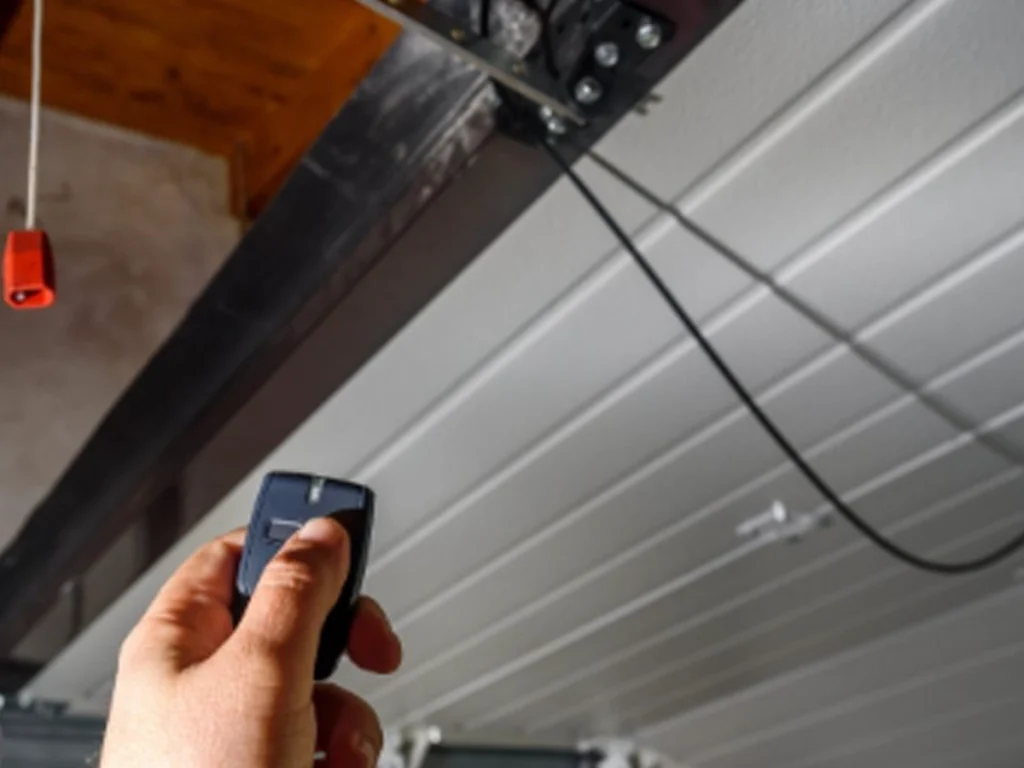
For many Franklin homeowners, the problem starts in a simple way. You press the remote, the door starts to move, and then it stops. Sometimes the door only closes when you hold the wall button. As a result, daily life becomes stressful very fast.
Troubleshooting a Garage Door Opener That Won’t Close helps you understand what may be wrong before the issue becomes bigger. However, this guide does not replace professional service. Garage doors are heavy systems, and some parts can be dangerous when handled without training.
Everlast Garage Doors serves Franklin, Brentwood, and the greater Nashville area with garage door services for homes and businesses. Its website describes garage door opener work, residential upgrades, commercial solutions, and dependable local service for area customers.
AI Overview for a Garage Door Opener That Will Not Close
Troubleshooting a Garage Door Opener That Won’t Close usually starts with the safety sensors. These small sensors sit near the lower part of the garage door tracks.
In many cases, the opener is doing its job by refusing to close. Therefore, the goal is not to bypass the safety system. The goal is to find out why the opener is stopping the door.
A smart first review includes:
- Check the sensor path for boxes, tools, leaves, toys, or dust.
- Look for blinking sensor lights, loose wires, or bent brackets.
If the door still does not close, the issue may involve the track, springs, cables, opener settings, remote, wall control, or door balance. Some checks are safe for homeowners. However, spring, cable, and opener force repairs should be handled by a trained garage door professional.
Why a Door That Will Not Close Needs Fast Attention
A garage door that will not close is more than a small trouble. It can affect home safety, family routines, stored items, and weather protection. In Franklin, where many homes use the garage as a main entry point, a stuck open door can disrupt the whole day.
If the door stays open overnight, the garage may expose tools, bikes, storage items, and access points. If the door closes only part way, it may create a false sense of safety. Because of that, the issue should be reviewed as soon as possible.
Fast attention helps with:
- Reducing security concerns when the garage is left open.
- Preventing extra strain on the opener, track, and door parts.
The CPSC states that automatic residential garage door operators must comply with the mandatory safety standard for these products. This makes safe operation a core part of opener performance, not an optional feature.
First Check the Safety Sensor Area
The most common place to begin is the safety sensor area. These sensors send a beam across the door opening. If the beam is blocked or broken, the opener may stop the door from closing.
Start by looking near the floor on both sides of the door. Move anything that may block the sensor path. Then, wipe the sensor lenses with a soft cloth. Dust, spider webs, grass clippings, and water spots can all create problems.
Simple sensor checks include:
- Make sure both sensors face each other across the opening.
- Check that the sensor lights are steady, not blinking or off.
The federal safety standard for automatic residential garage door operators includes entrapment protection rules. For a vertically moving residential garage door operator system, the standard includes reversal requirements during downward movement when an obstruction is involved.
Because sensors are part of that safety system, never tape them together, disable them, or aim them away from the door opening.
Look for Anything Blocking the Door Path
Sometimes the problem is not the opener. It is the path of the door. A small object near the bottom seal can stop the door from closing fully. Even a broom handle, garden tool, package, or piece of wood can trigger a stop or reversal.
Look across the full width of the garage floor. Check both corners, the center, and the area where the bottom seal touches the floor. Also check the track area for stones, leaves, or loose hardware.
Look closely for:
- Items under the bottom seal or near the side tracks.
- Dirt, mulch, or small objects caught near the garage opening.
This step may sound basic. However, it is useful because the opener may be responding to a real blockage. If the door closes after the obstruction is removed, the safety system may have worked as intended.
If the door still refuses to close, continue with the next checks.
Review the Wall Button and Remote Control
If the wall button works but the remote does not, the issue may be the remote battery, signal, or programming. If neither control works, the issue may be power, wiring, opener logic, or the door system itself.
Some doors close only when the wall button is held down. This often points back to a safety sensor issue. However, it can also involve sensor wiring or opener logic. That is why homeowners should avoid forcing repeated cycles.
Helpful control checks include:
- Replace the remote battery and test from inside the garage.
- Check whether the wall control shows a lock mode or vacation setting.
Some opener wall controls include a lock feature that blocks remote signals. If that feature is on, the remote may seem dead even when the opener still has power.
If the opener behaves differently from the remote and wall button, share those details with the technician. That information can speed up diagnosis.
Check the Power Source Safely
A garage door opener needs steady power. If the opener has no sound, no light, and no response, power may be the first concern. Check whether the opener is plugged in. Then, check nearby lights or outlets to see if the garage has power.
If the breaker has tripped, reset it only if it is safe to do so. If it trips again, do not keep resetting it. A repeated trip may point to an electrical issue that needs a qualified electrician or service technician.
Safe power checks include:
- Make sure the opener cord is plugged into the ceiling outlet.
- Check the breaker once, then stop if the issue returns.
Avoid touching exposed wires. Also avoid opening the motor housing unless you are trained for that work. Opener systems can include electrical parts, moving parts, and safety settings that should be handled with care.
When in doubt, call a professional before the problem becomes more expensive.
Inspect the Track Without Forcing the Door
The garage door track guides the rollers as the door moves. If the track is bent, blocked, loose, or out of line, the door may not close correctly. The opener may stop because the door is binding.
Stand inside the garage and look along both tracks. Check for gaps, dents, loose fasteners, or rollers that appear out of place. Do not try to hammer a track back while the door is under tension. Also, do not pull cables or loosen brackets.
Safe track checks include:
- Look for bends, dents, or loose bolts along the door track.
- Listen for scraping, grinding, or popping when the door moves.
If the door shakes, binds, or moves unevenly, stop using the opener. A door that is forced against a track problem can damage rollers, hinges, cables, and the opener.
A trained garage door technician can check alignment, roller condition, hardware, and door balance.
Do Not Ignore Springs and Cables
Springs and cables help carry the weight of the garage door. When they fail, the door may become too heavy or uneven. The opener may struggle, stop, reverse, or fail to move the door safely.
These parts can be dangerous. Torsion springs and extension springs hold force. Cables can snap or shift when the door is not balanced. Because of that, homeowners should not adjust springs or cables by themselves.
Warning signs include:
- A loud bang, loose cable, crooked door, or sudden heavy door.
- A door that closes unevenly or stops in the same place.
DASMA states that garage doors are often operated by electric openers, and that proper installation, operation, maintenance, and testing are needed for safe, trouble free operation.
If springs or cables may be involved, contact a garage door professional. This is one of the most important safety decisions in the whole troubleshooting process.
Test the Door Balance Only If It Is Safe
A balanced garage door should not feel wildly heavy or slam down. The opener is not meant to lift the full weight of a poorly balanced door. It is meant to guide a door that is already supported by the spring system.
A basic balance check may involve disconnecting the opener and moving the door by hand. However, this should only be done when the door is closed and appears stable. If the door is crooked, stuck open, or has loose cables, do not touch it.
Balance warning signs include:
- The door drops fast when released from the opener.
- The opener strains, hums, or stops before the door closes.
If the door feels too heavy, stop testing. That can signal a spring or balance issue. A professional can check the balance, adjust the system, and protect the opener from needless wear.
A weak or damaged door system can shorten opener life if it is ignored.
Review the Close Limit Setting
The close limit tells the opener how far the door should travel before it stops. If the close limit is wrong, the opener may think the floor is an obstruction. Then, the door may touch the floor and reverse.
This issue can happen after vibration, part changes, opener age, or prior adjustments. Some opener models have simple limit controls. Others use electronic setup steps. Always follow the owner manual for your specific opener.
Close limit clues include:
- The door reaches the floor, then reverses right away.
- The door stops before the floor even when the path is clear.
The federal rules for automatic residential garage door operators include requirements tied to reversal and safety performance. Because these settings affect safe movement, avoid random force changes or repeated guessing.
If the correct setting is unclear, ask a trained garage door technician to review it.
Be Careful With Force Settings
Force settings control how much resistance the opener will accept while moving the door. If the force is set too low, the door may stop too easily. If the force is set too high, the opener may push too hard before reversing.
This is a safety sensitive setting. Therefore, homeowners should not raise force settings just to make the door close. That may hide a real problem with the track, rollers, springs, or sensors.
Important force setting notes include:
- Never use force settings to override a binding or damaged door.
- Do not change safety settings without reading the opener manual.
CPSC rules and related safety standards exist because garage door operators must protect against entrapment risks. That is why careful adjustment matters.
If the opener needs higher force to close the door, the door system may need repair first. A good technician will check the door before blaming the opener.
Check the Weather Seal and Floor Area
The bottom weather seal helps close the gap between the door and the garage floor. Over time, it can harden, tear, fold, or catch. If it catches during closing, the opener may stop or reverse.
In some cases, a new floor coating, raised threshold, or uneven slab can also interfere with closing. This may happen after home updates or garage floor work. The opener may see the resistance as an obstruction.
Weather seal checks include:
- Look for a folded, torn, frozen, or uneven bottom seal.
- Check for a raised floor edge that blocks the door.
Do not cut or remove weather seal without understanding the cause. A poor seal can let in water, air, pests, and debris. If the seal is damaged, it may be better to replace it properly.
For Franklin homes, a clean seal can help protect the garage during rain, wind, and daily temperature shifts.
Listen to the Opener Sounds
Sound can help you understand what may be happening. A quiet click with no movement may suggest power, circuit board, gear, or motor trouble. A grinding sound may suggest gear wear. A humming sound may suggest the motor is trying, but the door is not moving.
Listen from a safe spot. Keep hands, tools, and children away from the door while testing. Do not stand under the door or pull the emergency release while the door is open.
Useful sound clues include:
- Clicking, blinking, or silence from the opener motor.
- Grinding, humming, or heavy strain during movement.
Write down what you hear before calling for service. Also note whether the opener light blinks. Some opener models use blink patterns to show sensor or system issues.
These details can help Everlast Garage Doors understand the likely cause before arriving.
Know When to Stop Troubleshooting
Homeowners can check sensors, power, remotes, and obvious blockages. However, some signs mean it is time to stop and call a garage door professional. This protects your safety and helps prevent added damage.
Stop troubleshooting if the door is crooked, stuck open, hanging by one side, or making sharp popping sounds. Also stop if you see loose cables, broken springs, bent tracks, or damaged rollers.
Call for service when you notice:
- A broken spring, loose cable, crooked door, or heavy door.
- A door that reverses after several safe sensor checks.
DASMA provides garage door safety resources and notes the role of proper safety and maintenance guidance for garage door systems.
A professional visit can confirm whether the issue is sensor alignment, opener setup, track condition, spring balance, or door hardware.
Why Franklin Homeowners Choose Local Garage Door Help
Local service matters when the garage door will not close. A stuck garage door affects security, weather protection, and daily access. Franklin homeowners often need a clear answer, not a long wait or confusing guesswork.
Everlast Garage Doors publishes garage door opener content for Franklin homeowners and presents opener service as part of safety, convenience, and daily access. Its site also describes service for residential and commercial garage door needs in the Franklin area.
Local help can support:
- Faster review of garage door opener issues in Franklin homes.
- Better guidance for repair, replacement, safety checks, and upkeep.
A local team can also understand common home layouts, attached garage concerns, and buyer expectations in the area. For decision makers, this helps protect both the property and the people who use it.
A Safe Step by Step Troubleshooting Checklist
Use this checklist before calling for service, but only if the door area is safe. Stop at once if you see broken springs, loose cables, crooked movement, or track damage.
Step 1. Check the sensor path.
- Move boxes, tools, leaves, toys, and stored items away from the sensors.
- Wipe both sensor lenses with a soft cloth.
Step 2. Check the sensor lights.
- Look for steady lights on both sides of the door.
- If one light blinks or turns off, the sensors may be misaligned.
Step 3. Test the wall button.
- Press the wall button once and watch from a safe distance.
- If the door only closes while holding it, sensor trouble is likely.
Step 4. Test the remote.
- Replace the remote battery if the wall button works.
- Check whether lock mode is active on the wall control.
Step 5. Check the floor and seal.
- Look for small objects under the door.
- Check if the bottom seal is folded or caught.
Step 6. Stop if parts look damaged.
- Do not touch loose cables or broken springs.
- Call a trained garage door technician for unsafe conditions.
This process keeps the focus on safe, simple checks. It also avoids risky repairs that should be left to professionals.
Schema Ready Q & A Content
Why will my garage door opener not close?
A garage door opener may not close because the safety sensors are blocked, dirty, loose, or misaligned. It may also stop because of track damage, opener settings, power trouble, a folded weather seal, or a heavy unbalanced door. Start with safe checks near the sensor path. Then call a professional if the door still reverses or refuses to close.
Why does my garage door close only when I hold the wall button?
A door that closes only when the wall button is held often points to a safety sensor issue. The opener may think something is blocking the door path. Check for steady sensor lights, clean lenses, and clear space between the sensors. If the issue remains, the wiring, sensor brackets, or opener logic may need professional service.
Can I bypass garage door safety sensors?
You should not bypass garage door safety sensors. These sensors are part of the opener safety system and help reduce entrapment risk. Federal safety rules apply to automatic residential garage door operators, which shows how important safe reversal and protection features are. If sensors keep stopping the door, repair the cause instead of disabling the safety system.
When should I call Everlast Garage Doors in Franklin?
Call Everlast Garage Doors when the door is crooked, heavy, stuck, loud, or still will not close after safe sensor and power checks. You should also call if cables are loose, springs appear broken, tracks are bent, or the opener strains. These issues can be unsafe and may damage the opener if ignored.
Is a garage door opener problem always an opener problem?
No, the opener is not always the cause. A closing problem may come from the door system, including springs, cables, rollers, tracks, seals, or balance. The opener may simply stop because it senses resistance or unsafe movement. A professional inspection can separate opener trouble from door hardware trouble and help prevent the wrong repair.
Conclusion
Troubleshooting a Garage Door Opener That Won’t Close starts with calm, safe checks. In many cases, the first signs point to blocked sensors, dirty lenses, weak remote batteries, or objects near the door path. These are simple items a homeowner can review without touching dangerous parts.
However, not every closing issue is simple. A heavy door, broken spring, loose cable, bent track, or poor opener setting can create real safety concerns. Because garage doors are large moving systems, forcing the opener can make the problem worse.
For Franklin homeowners and property decision makers, the best approach is clear. Check the safe basics first. Then, call a trained local garage door team when the issue involves movement, balance, wiring, safety settings, or damaged parts.
Everlast Garage Doors in Franklin helps local customers protect daily access, home safety, and peace of mind with dependable garage door service.
At Everlast Garage Doors, we provide complete Garage Door Services for both residential and commercial properties. Our team handles Garage Door Installation, Repair, Maintenance, Custom Designs , and full Door Replacements to ensure long-lasting performance and reliability. We also offer Emergency Garage Door Service to quickly resolve urgent issues and keep your property secure and fully operational. With Everlast Garage Doors, you can count on quality, durability, and trusted service every step of the way.
Contact us at
Phone: 615-808-8806
Location: 1107 Battlewood St #222, Franklin, TN 37069