AI Overview
Garage door automated emergency response technology detects unusual operation and initiates a planned safety action. Depending on the installed equipment, the system may stop movement, reverse the door, send an alert, preserve access during a power outage, or request professional service.
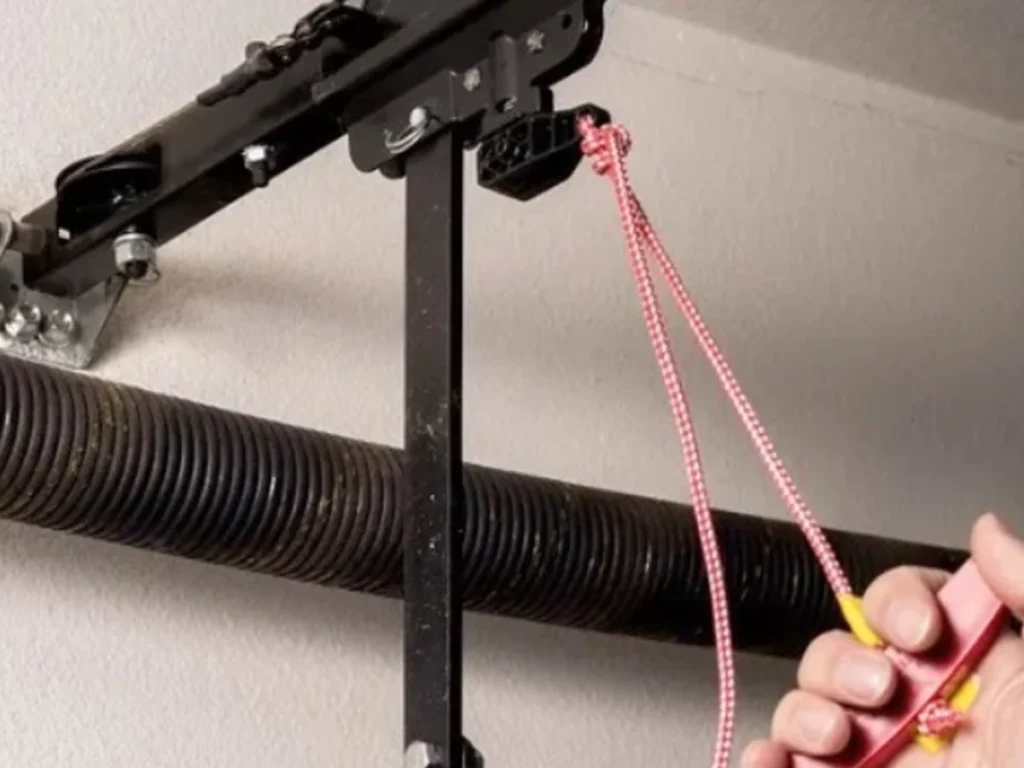
However, automation cannot repair a broken spring, damaged cable, bent track, or worn roller. Therefore, smart emergency technology must work with regular inspections, safe mechanical parts, clear response plans, and trained garage door technicians.
For homeowners and property decision makers, the greatest benefit is earlier awareness. A rapid alert can warn users that the door has become stuck before repeated operation causes more damage.
A Surprising Garage Door Safety Fact
Federal rules have required automatic garage door openers sold in the United States since 1993 to include external entrapment protection, such as photoelectric sensors or another approved safety system.
That requirement shows how important automated response has become. A garage door does not merely need enough power to move. It must also detect unsafe conditions and react before movement causes harm.
The United States Consumer Product Safety Commission states that openers manufactured or imported for sale after January 1, 1991 must include reversing systems. An additional external entrapment protection requirement took effect for systems manufactured after January 1, 1993.
Still, standard reversal technology represents only one part of a modern response plan. Current systems may also provide door status alerts, mobile notices, battery backup, remote controls, activity records, and maintenance reminders.
Therefore, garage door automated emergency response can improve safety by connecting early detection with a clear action. It can tell an owner when something is wrong and help prevent repeated operation.
A stuck door alert offers a practical example. When a door begins moving but cannot complete its travel, the opener or connected system may detect abnormal operation.
The system may then stop movement and notify the owner. As a result, the user can avoid pressing the control repeatedly and arrange an inspection.
- Early alerts can reduce repeated operation after a fault appears.
- Automatic stopping or reversal can limit movement during an unsafe condition.
Why Is Automated Emergency Response Important?
A garage door is one of the largest moving systems connected to a home or commercial property. It relies on springs, cables, tracks, rollers, hinges, sensors, controls, and an opener.
Each part has a specific function. However, every part also affects the performance of the entire system.
For example, a worn roller can create added resistance. A weak spring can make the opener work harder. A bent track can prevent the door from completing its travel.
Without an alert, an owner may press the remote several times because the door appears slow or stuck. Repeated attempts can place more force on damaged parts.
Garage door automated emergency response changes that process. Instead of allowing repeated movement, the system can identify an unusual event and call attention to it.
The technology may stop the opener, reverse the door, send a notice, preserve limited control through backup power, or record the event for review.
However, the response must match the problem. A system should not attempt to close a crooked door or force a door past an obstruction.
- Automation can provide an earlier warning when movement becomes abnormal.
- A safe response should stop added force rather than overpower the problem.
How Does a Stuck Door Alert Work?
A stuck door alert begins when the system detects that expected movement did not occur.
For example, the opener may receive a command to close. Yet the door may stop before reaching the floor.
Depending on the operator and connected devices, the system may compare the command with door position, travel time, motor force, or sensor information.
When the result differs from normal operation, the system may record a fault and send a message to an approved user.
The alert may appear through a mobile application, control panel, text message, connected security platform, or another supported method.
However, the alert does not prove which part has failed. It only confirms that normal operation did not finish as expected.
A complete inspection is still needed. The technician may need to examine springs, cables, rollers, tracks, hinges, sensors, panels, and opener settings.
- The system detects an incomplete or abnormal operating cycle.
- The user receives notice before attempting additional door movement.
What Should You Do After Receiving an Alert?
An automated alert should lead to a safe human response.
First, the owner should avoid sending several new commands. Repeated attempts may worsen the problem when a cable, track, roller, or spring has failed.
Next, the user should review the door from a safe distance. The door may be crooked, partly open, stuck against an object, or disconnected from normal travel.
The owner should keep children, pets, employees, tenants, and visitors away from the opening.
If a connected camera provides a clear view, it may help confirm whether an object is blocking the door. However, video cannot replace a physical inspection.
The user should not touch loose cables, loaded brackets, damaged springs, or unstable panels.
Finally, professional emergency garage door service should be requested when the opening cannot be secured or the door appears unsafe.
- Stop sending operating commands until the condition is understood.
- Keep people away and arrange qualified service when damage is visible.
Why Must the Full Door System Be Inspected?
The selected direction for this article emphasizes a complete inspection after a stuck door alert.
That approach matters because several different faults can create the same symptom.
A door may become stuck because a roller left its track. However, the roller may have moved because a hinge became loose.
Likewise, the door may stop because a cable lost tension. A spring failure may also make the system too heavy for normal opener movement.
Dirty or misaligned photoelectric sensors can interrupt closing. Bent tracks, damaged panels, poor travel settings, or an object near the opening can produce similar results.
Therefore, the technician should not assume that the opener caused the problem simply because it reported the fault.
A complete assessment connects the alert with the actual mechanical or electrical condition.
- Springs, cables, rollers, tracks, hinges, and sensors should be reviewed together.
- The repair should address the cause instead of clearing only the visible fault.
How Does Automatic Reversal Improve Safety?
Automatic reversal changes the direction of a descending door when a safety condition is detected.
Photoelectric sensors usually create an invisible beam near the bottom of the opening. When an object blocks that beam, the door should stop and reverse.
An opener may also detect unusual force when the door contacts an obstruction. The exact operation depends on the installed system and its settings.
The Door and Access Systems Manufacturers Association explains that garage door openers are designed to reverse when a descending door meets an obstruction. It also warns that failure to reverse can create a dangerous condition.
However, the system must be maintained and tested. Dirty lenses, damaged wiring, loose brackets, poor alignment, or incorrect settings may affect safety performance.
DASMA guidance recommends monthly testing of residential inherent reversal and photoelectric protection systems.
- Reversal helps prevent continued downward force when an obstruction appears.
- Sensors and reversal controls require regular testing and proper alignment.
Why Are Reliable Sensors Essential?
Sensors provide the information that allows an automated system to respond.
Photoelectric sensors detect an obstruction across the opening. Door position sensors report whether the door is open, closed, or between positions.
Some systems may monitor motor force, travel time, vibration, movement, or connected lock status.
However, every sensor has limits. A photoelectric beam only monitors the area it crosses. It does not inspect springs, cables, or every possible object.
Therefore, a strong system uses the correct sensor for each planned function.
Sensor placement also matters. A loose bracket may change alignment, while dirt or impact may block reliable operation.
A technician should confirm that each device is compatible with the opener and installed according to product instructions.
- Sensors must provide accurate information before an automated response begins.
- No single sensor can identify every mechanical or safety problem.
What Is Remote Shutdown?
Remote shutdown allows an authorized person or connected system to prevent further powered operation.
This feature may help when a manager sees unusual movement or receives an urgent alert.
For example, a property manager may receive notice that a shared garage door stopped several times. The manager can restrict additional commands until a technician inspects it.
This approach may reduce the chance that tenants or staff continue pressing controls.
However, remote shutdown should not create a new hazard. The property still needs a plan for people, vehicles, and secure access.
The system should also limit shutdown authority to trusted users. Weak account security could allow an unauthorized person to control an important entry point.
- Remote shutdown can prevent repeated powered operation after a fault.
- Access rights and emergency procedures must be carefully controlled.
Why Is Backup Power Valuable?
The user selected backup systems as the most important feature for decision makers.
Backup power may keep selected opener, alert, sensor, lock, or communication functions available during a power outage.
For a homeowner, battery backup may allow garage access when utility power is unavailable.
For a business or managed property, backup power may help preserve door status, access records, or security controls.
However, backup capacity varies between products. It may support only a limited number of cycles or functions.
Owners should ask which components remain active, how long support may last, and how battery condition is reported.
Everlast Garage Doors discusses battery backup, smart alerts, and complete opener reviews as possible garage access upgrades for Franklin properties. The company also notes that the opener, springs, rollers, sensors, and door should work together.
- Backup power can preserve essential operation when normal power fails.
- Batteries require testing, replacement planning, and clear performance expectations.
Can Backup Power Fix a Stuck Door?
Backup power cannot correct a mechanical failure.
If a spring breaks, the door may remain too heavy for the opener. If a roller leaves its track, powered movement may make the door less stable.
Likewise, a damaged cable, bent track, or obstructed opening will not improve because battery power becomes available.
The purpose of backup power is to maintain supported functions during an outage. It does not provide extra force for a damaged door.
Therefore, users should never assume that a battery powered opener can safely overcome resistance.
The system should stop when movement becomes abnormal. A trained technician should then inspect the door.
- Backup power supports available functions but does not repair damaged hardware.
- A stuck or crooked door should not be forced through another cycle.
How Can Alerts Reduce Garage Door Damage?
Fast alerts shorten the time between a detected problem and the owner response.
Without a notice, a door may remain partly open for hours. It may expose the garage to rain, wind, pests, or unauthorized access.
A user may also continue operating the door without realizing that a roller, hinge, cable, or track has started to fail.
An alert can encourage the owner to stop operation before repeated movement spreads the damage.
For example, one damaged roller may begin scraping its track. Continued cycling may bend the track or loosen a hinge.
However, an alert is valuable only when someone receives it and knows what to do.
- Rapid notice can reduce repeated use after abnormal movement begins.
- Every important alert should connect to a clear response procedure.
Which Events Should Trigger Emergency Alerts?
Not every door movement should create an emergency message.
Too many routine notices can cause users to ignore important warnings. Therefore, alerts should focus on events that require attention.
Possible events include a door that does not close, repeated reversal, unusual force, a failed safety sensor, forced movement, lost power, or an extended open period.
A system may also warn users when a backup battery becomes weak.
For shared properties, alert priorities may differ. A door stuck open after business hours may require faster action than a routine daytime delay.
The property owner should decide who receives each notice and who has authority to respond.
- Alerts should be based on meaningful safety, access, and security events.
- Notification rules should reflect the property schedule and user responsibilities.
How Should Automated Closing Be Managed?
Some connected systems support automatic or remote closing.
However, unattended operation needs specific safety features. DASMA explains that unattended closing must use an operator with secondary entrapment protection, such as a photoelectric sensor.
Its guidance also describes required audible and visual warnings before certain unattended door movement begins.
Therefore, automatic closing should never be treated as a simple software convenience.
The door must be compatible, correctly installed, mechanically sound, and protected by required safety devices.
Users should follow the operator instructions and applicable requirements.
- Unattended movement requires compatible equipment and active protection devices.
- Automatic closing should never bypass sensor faults or mechanical damage.
Why Does Preventive Maintenance Still Matter?
Emergency technology responds after it detects a condition. Preventive maintenance aims to find wear before that condition occurs.
A technician may identify a frayed cable, weak spring, loose hinge, worn roller, or sensor problem before the door becomes stuck.
Therefore, automation and maintenance serve different purposes.
Alerts provide faster awareness. Inspections reduce the chance that hidden wear develops into a sudden failure.
DASMA states that proper installation, operation, maintenance, and testing are needed for safe and reliable garage door and opener performance.
A useful maintenance plan should include mechanical hardware, safety systems, opener controls, backup batteries, mobile access, and alert settings.
- Automated response does not replace scheduled inspections and testing.
- Mechanical and digital parts should be maintained as one connected system.
What Does an Emergency Service Technician Check?
An emergency technician should begin by identifying immediate risks.
The door may need to be secured before parts are touched or powered movement is attempted.
Next, the technician may review the alert history and ask what happened before the failure.
The physical inspection may include springs, cables, rollers, tracks, hinges, brackets, panels, sensors, opener arms, locks, and power connections.
The technician should also identify whether the door is balanced and able to move without severe resistance.
After repair, the system should be tested through controlled cycles. Safety reversal, sensor response, alerts, door position, and backup features may also need review.
- Immediate stabilization should occur before detailed diagnosis or movement.
- Final testing should confirm mechanical operation and automated safety response.
A Practical Stuck Garage Door Alert Example
Consider an illustrative Franklin homeowner who receives an alert stating that the garage door did not close.
This example is not presented as a verified Everlast Garage Doors customer event because no specific service record was provided.
The homeowner checks the connected camera and sees that the door stopped halfway.
Instead of sending another closing command, the homeowner keeps family members away from the opening.
A technician later secures the door and inspects the system.
The inspection discovers that one roller has started binding near a damaged section of track.
The technician also checks the cable position, spring balance, hinges, sensors, panels, and opener settings.
After the needed repair, the technician tests normal travel, reversal, sensor response, alerts, and door position reporting.
The most important lesson is not that every stuck door has the same cause. Rather, the alert creates an early opportunity to stop operation and investigate safely.
- The alert helps prevent repeated cycles after abnormal movement appears.
- Complete inspection confirms the actual cause before repair work begins.
How Can Homeowners Use This Technology?
Homeowners may use automated response technology to support family safety, reliable access, and home security.
A door status alert can warn them that the garage remains open after leaving home.
A stuck door notice can help them avoid repeated remote commands.
Battery backup may support limited operation during a local outage.
Automatic reversal and photoelectric sensors can help reduce entrapment risks when they are correctly installed and maintained.
However, family members should still follow basic safety practices. Children should not play with controls or stand near a moving door.
- Homeowners should use alerts as warnings, not as automatic repair tools.
- Every household member should understand safe garage door operation.
How Can Property Managers Apply Automated Response?
Property managers may oversee several garage doors used by tenants, staff, vendors, and visitors.
Automated alerts can show which door failed, when the event occurred, and whether the opening remains secure.
Managers can assign different notices to maintenance teams, security staff, or property owners.
They may also use remote shutdown to prevent repeated operation while service is arranged.
However, each property needs a written response plan. Staff should know who checks the opening and who contacts the service company.
- Alerts can help managers prioritize doors that need urgent attention.
- Response duties should be assigned before an emergency happens.
How Can Business Owners Protect Daily Operations?
A stuck garage door may block vehicles, delay deliveries, expose inventory, or interrupt customer service.
Automated emergency response can help a business owner learn about the problem before it affects an entire work period.
For example, an alert may report that a loading door did not close after the final delivery.
The owner can then contact an on site employee, review available camera information, or request emergency service.
Backup power may also preserve selected access or reporting functions during an outage.
- Faster awareness can reduce security exposure and operating delays.
- Business response plans should protect staff while preserving critical access.
How Does This Technology Help Families?
Families may be concerned about children, pets, older adults, vehicles, and power outages.
Photoelectric sensors and reversal systems provide important protection during closing.
Status notices can help parents know whether the door closed after someone left.
A stuck door alert can warn the family not to approach or force an unstable system.
Battery backup may also support access when utility power is unavailable.
Still, technology cannot replace supervision. Users should keep a moving door in sight until it fully closes whenever possible.
DASMA safety guidance advises users to keep the garage door in view until it completes closing.
- Automated features can add layers of protection for daily family routines.
- Safe habits and adult supervision remain essential around moving doors.
What Should Decision Makers Ask Before Installation?
Decision makers should first ask which emergencies the system can detect.
They should also ask what happens after each detection.
Does the door stop, reverse, send an alert, record the event, or restrict further operation?
Next, they should ask which features continue during a power or network outage.
Battery life, replacement needs, compatible sensors, mobile access, account permissions, and maintenance requirements should also be discussed.
Finally, the existing door must be inspected for compatibility and safe mechanical operation.
- Every proposed feature should have a clear purpose and defined response.
- The door, opener, sensors, power, and network must work together.
What Warning Signs Require Immediate Service?
Some symptoms require prompt professional attention even when no automated alert appears.
These signs include a broken spring, loose cable, crooked door, separated track, sudden dropping, repeated reversal, failed sensors, or loud impact sounds.
A door that cannot close may also create an urgent security concern.
Users should stop normal operation when the door appears unstable.
They should not touch springs, drums, cables, or loaded bottom brackets.
Everlast Garage Doors identifies stuck doors, broken springs or cables, off track doors, and malfunctioning safety sensors as situations that may require immediate service.
- Visible instability or failed safety devices should not be ignored.
- High tension parts should be handled only by trained technicians.
What Mistakes Should Owners Avoid?
The first mistake is sending repeated commands after receiving a fault alert.
The second mistake is assuming that more opener force will solve a mechanical problem.
A stronger opener cannot correct poor balance, damaged tracks, or a broken spring.
Owners should also avoid bypassing photoelectric sensors or disabling reversal features.
Ignoring weak backup batteries is another common concern because the system may fail when an outage occurs.
Finally, decision makers should not install connected controls without protecting user accounts and limiting administrator access.
- Never force a damaged or obstructed door through another cycle.
- Never disable safety systems to restore temporary convenience.
Why Choose Everlast Garage Doors in Franklin?
Everlast Garage Doors provides emergency service information for stuck doors, spring failures, damaged tracks, opener problems, and safety sensor concerns in Franklin.
Its published service information emphasizes rapid response and trained support for urgent garage door problems.
A strong automated emergency response plan begins with a garage door that is mechanically sound.
Therefore, Everlast Garage Doors can support decision makers by inspecting the door, identifying faults, repairing damaged components, and reviewing opener or smart access needs.
The goal should be practical safety rather than adding technology without a clear purpose.
For homeowners, businesses, and managed properties, local service can connect automated alerts with a qualified repair response.
- Smart alerts should lead to skilled inspection and suitable repair.
- Local support helps restore safe access after an automated warning.
Schema Ready Questions and Answers
1. What is garage door automated emergency response?
Garage door automated emergency response is a group of features that detects abnormal or unsafe operation and starts a planned action. The system may stop movement, reverse the door, send an alert, record the event, restrict further commands, or use backup power. Available actions depend on the installed opener, sensors, controls, and connected services.
2. How does a stuck garage door alert work?
A stuck door alert may occur when the opener receives a command but the door does not complete normal travel. The system may use door position, motor force, travel time, or sensor information to detect the fault. It then sends a notice so the user can stop operation and arrange an inspection.
3. What should I do when I receive a stuck door alert?
Do not keep pressing the opener control. Check the door from a safe distance and keep people away from the opening. Do not touch springs, cables, brackets, or unstable panels. When the door appears crooked, damaged, or impossible to secure, contact a trained emergency garage door technician for a complete inspection.
4. Can automated emergency technology prevent every accident?
No system can detect or prevent every possible event. Sensors have defined operating areas and may not identify hidden mechanical wear. Automated technology adds important protection, but it must work with proper installation, testing, maintenance, safe user behavior, adult supervision, and professional repair when springs, cables, tracks, or other parts fail.
5. Why is battery backup important for garage door safety?
Battery backup may keep selected opener, sensor, alert, or access functions operating during a power outage. This can support safer entry and exit when normal power is unavailable. However, battery capacity varies, and it cannot overcome mechanical damage. Owners should test the battery and follow replacement guidance from the manufacturer.
6. Will backup power open a garage door with a broken spring?
Backup power does not repair or balance a damaged garage door. A broken spring can make the door extremely heavy and may overload the opener. The system should not be forced through another cycle. A trained technician should inspect the springs, cables, tracks, rollers, and opener before normal operation resumes.
7. How often should garage door safety sensors be tested?
DASMA guidance recommends monthly testing of residential reversal and photoelectric protection systems. Owners should also follow the instructions supplied with their specific opener. When a sensor fails, becomes misaligned, or shows damaged wiring, the door should not be used in a way that bypasses the required protection.
8. Can a smart garage door close automatically?
Some compatible systems allow scheduled, remote, or unattended closing. However, these functions require supported equipment and active entrapment protection. Certain systems also provide audible and visual warnings before movement. Owners should follow manufacturer instructions and never use automatic closing to force a damaged, obstructed, or unstable garage door.
9. Does automated response replace emergency garage door service?
No. Automated response can detect a problem and limit further operation, but it cannot repair broken hardware. A stuck or crooked door may involve springs, cables, rollers, tracks, hinges, sensors, or opener parts. Emergency service is still needed to secure the system, find the cause, and complete safe repairs.
10. Who benefits from garage door automated emergency response?
Homeowners, families, property managers, and business owners may all benefit. Alerts provide earlier notice, safety sensors support automatic reversal, remote controls can limit repeated use, and battery backup may preserve selected functions during outages. The best system depends on property risks, users, door condition, and daily access needs.
Conclusion
Garage door automated emergency response improves safety by connecting detection with fast, planned action.
A system may reverse a closing door, report a failed cycle, restrict additional movement, or maintain selected features during an outage.
The stuck door alert used in this article shows why early notice matters.
Instead of pressing the opener several times, the owner can stop operation and protect the area.
A technician can then inspect springs, cables, rollers, tracks, hinges, sensors, panels, and the opener.
That complete inspection is vital because one symptom can have several possible causes.
Reliable sensors are also essential. They provide the information used for reversal, alerts, status reporting, and other automated actions.
However, every device needs correct placement, testing, maintenance, and compatibility.
Backup power adds another important layer.
It may preserve access, alerts, sensors, or controls during a power outage, depending on the installed system.
Yet it cannot repair a broken spring or force a damaged door to move safely.
Therefore, the best emergency plan combines technology with human judgment, preventive care, and professional service.
Homeowners gain stronger daily awareness.
Families gain added protection for children, pets, vehicles, and home access.
Property managers gain clearer oversight across several doors.
Business owners gain faster warnings when a failure may affect security or daily operations.
Everlast Garage Doors in Franklin can help connect those benefits with practical garage door inspection, repair, maintenance, emergency service, and opener support.
The strongest system is not the one with the most features.
Instead, it is the system that detects meaningful problems, responds safely, and leads users toward the correct next action.
Contact Everlast Garage Doors
Improve your garage door safety with professional inspections, dependable emergency repairs, tested sensors, smart alerts, and suitable backup access solutions.
At Everlast Garage Doors, we provide complete Garage Door Services for both residential and commercial properties. Our team handles Garage Door Installation, Repair, Maintenance, Custom Designs , and full Door Replacements to ensure long-lasting performance and reliability. We also offer Emergency Garage Door Service to quickly resolve urgent issues and keep your property secure and fully operational. With Everlast Garage Doors, you can count on quality, durability, and trusted service every step of the way.
Contact Everlast Garage Doors for help with stuck doors, damaged hardware, opener faults, safety sensors, and emergency garage door service in Franklin.
Contact us at
Phone: 615-808-8806
Location: 1107 Battlewood St #222, Franklin, TN 37069