
A garage door may weigh hundreds of pounds, yet its opener does not carry that full weight during normal operation. Instead, springs, cables, rollers, hinges, tracks, and related garage door parts work together to guide and balance the door. When one small part wears out, it can place added stress on every connected component.
AI Overview
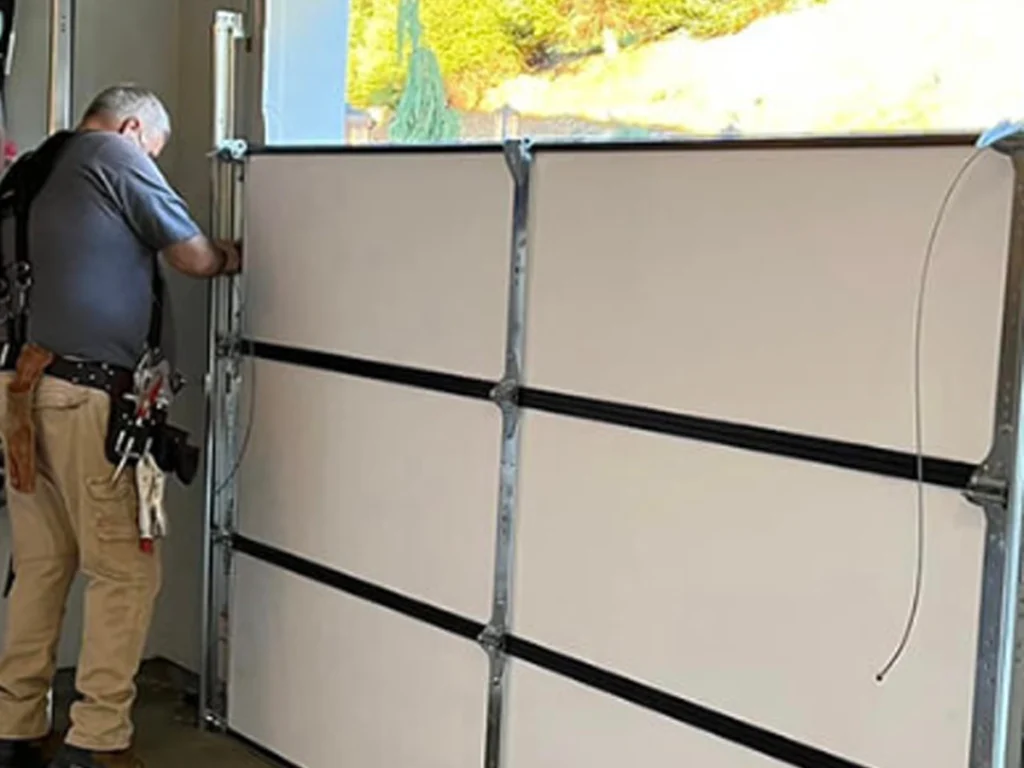
Quality garage door parts can improve safety, balance, noise control, movement, weather protection, and daily reliability. However, successful replacement depends on selecting parts that match the door’s weight, size, design, track system, opener, and expected use.
Important parts include springs, cables, rollers, hinges, bearings, drums, tracks, brackets, seals, sensors, and opener components. Each part performs a specific task. Therefore, replacing a worn item with an incorrect size or grade may create new problems instead of solving the original fault.
A professional inspection helps identify the true cause of poor performance. For example, a noisy door may need rollers, but it could also have loose hinges, dry bearings, damaged tracks, or weak springs. Likewise, an opener that appears weak may actually be pulling an unbalanced door.
Homeowners should never adjust high tension springs, cables, bottom brackets, or spring anchor parts without proper training. These parts can release dangerous stored energy. Instead, trained technicians should complete high risk repairs and confirm that the door remains balanced after replacement.
For Franklin homeowners, quality parts replacement offers a practical way to extend dependable service when the door panels and main structure remain sound.
Why Quality Garage Door Parts Matter
A garage door is a connected mechanical system. Consequently, no major component works completely alone.
Springs help counterbalance the door’s weight. Cables transfer lifting force. Rollers guide the door through its tracks. Hinges allow sectional panels to bend as the door moves.
Meanwhile, bearings support rotating shafts and rollers. Drums guide the lifting cables. Brackets hold key components in place. Weather seals close gaps around the opening.
Quality garage door parts matter because they help each movement remain controlled and predictable.
Two important benefits include:
• Correctly matched components reduce strain across the complete door system.
• Durable parts can support smoother movement and fewer repeated service problems.
A low quality or mismatched component may fit physically while failing to perform correctly. For example, a spring can appear similar to the original part while providing the wrong lifting force.
Likewise, rollers may share the same diameter while using different stems, bearings, materials, or load capacities.
Therefore, part selection should depend on measurements, manufacturer information, door weight, and system design. It should not depend only on appearance.
How Worn Parts Reduce Garage Door Performance
Garage door wear often develops slowly. As a result, homeowners may adjust to new sounds and movement without noticing the change.
A roller bearing may gradually become rough. A hinge may loosen. A weather seal may shrink. A cable may begin to fray near a drum.
At first, the door may continue operating. However, the remaining components must often work harder to compensate.
Common performance changes include:
• Increased shaking, rattling, scraping, popping, or grinding during movement.
• Slower operation, uneven travel, incomplete closing, or repeated opener strain.
A damaged roller may create extra friction inside the track. That friction can make the opener work harder and may cause the door to hesitate.
Similarly, a weak spring may leave more door weight for the opener to control. The homeowner may then assume that the opener motor has failed.
Replacing the motor alone would not correct the unbalanced door. Instead, the new opener could experience the same added load.
Therefore, skilled diagnosis should identify the cause before any part receives replacement.
Why Garage Door Springs Need Exact Matching
Garage door springs perform one of the most important jobs within the system. They store and release energy that helps balance the door.
A correctly balanced door should not feel as heavy as its actual weight. In contrast, a door with damaged or incorrect springs may become difficult to lift.
Quality spring replacement requires more than finding a spring that looks similar.
Technicians may need to consider:
• Door weight, height, track arrangement, spring type, wire size, length, and inside diameter.
• Expected cycle life, drum size, cable travel, and the number of springs in the system.
A cycle generally includes one complete opening and closing sequence. Therefore, households that use the garage as a main entrance may place more cycles on springs than occasional users.
Higher cycle springs may suit some high use households. However, technicians must still match the spring system to the door.
Changing the door can also affect spring requirements. Added insulation, glass, decorative hardware, or new panels may increase weight.
Garage door springs remain under significant tension. Consequently, homeowners should not attempt winding, unwinding, cutting, or removing them.
The United States Consumer Product Safety Commission advises that doors which bind, stick, or become unbalanced should receive professional service.
How Quality Rollers Improve Smooth Movement
Rollers guide the garage door through vertical and horizontal tracks. When they remain in good condition, the door should move with limited vibration.
However, worn roller surfaces and damaged bearings can create noise, resistance, and side movement.
Common roller problems include:
• Cracked nylon, flat areas, corrosion, loose stems, and damaged bearings.
• Rollers that wobble, drag, seize, scrape, or leave the track incorrectly.
Nylon rollers may offer quieter operation in many residential settings. Steel rollers may suit other doors based on load, design, and operating conditions.
However, material alone does not determine quality. Bearing design, load rating, stem length, fit, and installation also matter.
A technician should inspect the track before blaming every sound on the rollers. Bent tracks, loose hinges, poor spacing, and door misalignment can create similar symptoms.
Some rollers connect near brackets that carry cable or spring tension. Therefore, replacing every roller is not always a safe household project.
A professional can identify which rollers are accessible safely and which locations involve greater risk.
Why Cables Are Critical Garage Door Parts
Garage door cables connect the spring system to the lower portion of the door. They help transfer lifting force as the door opens.
Although cables look simple, they support demanding loads during every operating cycle.
Warning signs may include:
• Broken wire strands, rust, flattening, loose sections, or uneven cable travel.
• A door that appears crooked, rises unevenly, or leaves one cable slack.
A frayed cable should not be ignored. Once individual wires begin breaking, the remaining strands must carry more force.
Cable problems may also indicate another fault. A damaged drum, poor alignment, incorrect spring tension, or bent bottom bracket can affect cable travel.
Therefore, replacing only the visible cable may not solve the complete issue.
Technicians should inspect both sides of the door because similar parts often experience similar use. However, replacement decisions should follow actual condition and system requirements.
Bottom brackets commonly connect to lifting cables and remain under spring related tension. Homeowners should never loosen these brackets without professional knowledge.
How Hinges Support Better Door Performance
Sectional garage doors use hinges to connect individual panels. These hinges allow the panels to bend as the door moves through the curved track.
Hinges also hold many roller stems. Therefore, a loose or cracked hinge can affect panel movement and roller alignment.
Signs of hinge trouble include:
• Cracks near screw holes, bent metal, loose fasteners, or widening panel movement.
• Repeated popping, rattling, binding, or visible separation between sections.
Garage door hinges may have numbered positions. Those positions help place rollers at the correct distance from the door face.
Consequently, replacing every hinge with one identical style may create alignment problems. The correct location and hinge number matter.
Technicians should also inspect the material around each mounting point. A new hinge cannot remain secure when the panel structure has become badly damaged.
If holes are enlarged or the panel skin has torn, the repair may require reinforcement or panel replacement.
Quality garage door parts must work with a sound mounting surface. Otherwise, even a strong hinge may loosen again.
How Bearings and Drums Affect Door Balance
Torsion spring systems commonly use a shaft above the garage door. Cable drums sit near the ends of that shaft, while bearings support rotation.
These parts may receive little attention because they remain above eye level. Nevertheless, they influence smooth and even lifting.
Potential problems include:
• Rough bearings, shaft movement, worn drum grooves, or damaged set screw areas.
• Cables that wrap unevenly, rub nearby parts, or leave the drums incorrectly.
A bearing that resists rotation can add noise and strain. Likewise, a damaged drum may prevent a cable from winding in a controlled pattern.
Technicians should inspect the complete shaft system during spring or cable work. Replacing one part without checking connected items can leave a hidden cause in place.
Drums and bearings must also match the door height and cable travel requirements.
Because the torsion system stores substantial energy, these repairs are not suitable for untrained handling.
Why Garage Door Tracks Need Careful Inspection
Tracks create the path that rollers follow. They must remain secure, correctly spaced, and aligned with the door.
A badly bent track can block movement. However, smaller problems may first appear as rubbing, shaking, or repeated roller noise.
Track concerns include:
• Loose mounting brackets, damaged curves, dents, corrosion, or poor alignment.
• Gaps that change between the door and track during operation.
Tracks should not receive random adjustment. Moving one bracket may affect door spacing, roller travel, cable position, or panel alignment.
Additionally, grease should not be applied heavily inside the track. Rollers should roll rather than slide through a layer of grease.
A technician can clean the track, inspect the roller path, tighten appropriate fasteners, and correct minor alignment problems.
Severe damage may require track replacement. The new track must suit the door thickness, roller size, lift type, and available clearance.
How Weather Seals Improve Comfort and Protection
Weather seals are among the most affordable garage door parts, yet they provide several practical benefits.
A bottom seal closes the space between the lowest panel and the garage floor. Side and top seals help close gaps around the frame.
Worn seals may allow:
• Rain, wind, dust, leaves, insects, and outdoor air to enter the garage.
• Light gaps that reduce comfort and make the door appear poorly fitted.
A new seal should match the door retainer and opening conditions. Bottom seals use several different profiles, so one universal product may not fit every door.
The floor also matters. A damaged or uneven slab may leave gaps even after a new seal receives installation.
In that case, the solution may require door adjustment, a suitable threshold, floor repair, or another carefully chosen approach.
Weather sealing should not interfere with door travel or safety sensor operation. A seal that creates too much resistance may affect closing performance.
Why Safety Sensors Must Work Correctly
Photoelectric sensors help prevent a powered garage door from closing when an obstruction crosses the sensor beam.
The Consumer Product Safety Commission explains that external entrapment protection became a federal requirement for applicable residential openers during the early 1990s. The agency also states that electric eyes should sit about four to six inches above the floor.
Sensor problems may involve:
• Dirty lenses, loose wiring, misalignment, damaged brackets, or failed components.
• Sunlight interference, unstable mounting, blocked views, or incompatible replacement parts.
Homeowners should not move sensors higher simply to avoid an alignment issue. Raising them can leave a larger unprotected area below the beam.
Likewise, nobody should bypass a sensor to make the door close.
A technician should confirm that replacement sensors match the opener model and wiring requirements. Similar looking sensors are not always interchangeable.
The opener’s contact reversal system should also receive testing according to manufacturer instructions.
CPSC guidance recommends placing a board in the door’s path to check whether the opener reverses after contact. If it fails, the opener should remain disengaged until proper adjustment, repair, or replacement occurs.
How Opener Parts Affect Daily Reliability
The garage door opener controls movement, but it depends on a properly balanced door.
Opener parts can include the motor, drive system, rail, trolley, gears, sprockets, belts, chains, circuit boards, limits, lights, controls, remotes, and safety equipment.
Common opener symptoms include:
• A motor that runs while the door does not move correctly.
• Clicking, humming, delayed response, partial travel, or inconsistent remote operation.
The source could be an opener part. However, it could also be a mechanical door problem.
For example, a worn gear may stop trolley movement. Yet an unbalanced door may have caused the gear to wear faster.
Therefore, technicians should test the door separately from the opener before recommending major opener repairs.
Older openers may also lack current safety features or compatible replacement parts. In such cases, replacement may offer better value than repairing several aging components.
CPSC advises homeowners to replace automatic openers that do not reverse properly with models that meet applicable safety requirements.
Eight Signs That Parts Need Replacement
Garage door parts often provide warning signs before complete failure. Recognizing those signs can prevent greater damage.
Watch for these conditions:
• New grinding, scraping, rattling, popping, squealing, or banging sounds.
• Uneven movement, shaking, hesitation, slow travel, or repeated stopping.
Also look for rust, cracks, frayed wires, loose brackets, damaged rollers, or missing fasteners.
Visible light around the door may show that seals no longer close the opening correctly. A door that becomes hard to lift may indicate a balance or spring problem.
An opener that strains may also signal excess resistance somewhere in the door system.
Homeowners should stop operating a door that appears unstable, hangs crooked, has loose cables, or drops suddenly.
Recent home maintenance reporting also identifies visible damage, unusual sounds, seal gaps, and missing upkeep as warning signs of possible failure.
Why Matching Parts Is Better Than Choosing Cheap Parts
Low price alone does not show whether a garage door part offers good value.
A part must fit correctly, handle the required load, work with connected components, and remain suitable for the operating environment.
Quality selection considers:
• Dimensions, material, load rating, cycle rating, and manufacturer compatibility.
• Door weight, size, track type, hardware arrangement, and expected daily use.
A cheap roller that fails early may create more noise and additional service costs. Likewise, an incorrect spring may affect balance and opener life.
However, the most expensive part is not automatically the best choice. The correct part is the one that fits the system and provides suitable performance.
Decision makers should ask what part is being installed, why it matches, and whether warranty coverage applies.
Clear answers make it easier to compare service proposals based on value rather than price alone.
A Franklin Quality Parts Case Example
Consider an illustrative Franklin homeowner whose garage door becomes louder each month. The opener still runs, yet the door shakes while passing through the curved tracks.
During inspection, the technician observes worn rollers, loose hinges, a damaged bearing, and aging side seals. The springs remain balanced, while the cables and panels remain serviceable.
Two practical repair priorities become clear:
• Replace worn movement parts that create friction and vibration.
• Restore weather seals and complete a full safety test afterward.
After quality rollers, suitable hinges, and the worn bearing receive replacement, the door moves with less vibration. New seals also close visible perimeter gaps.
This example is illustrative and does not describe a specific customer. Still, it shows how several small parts can combine to create a major performance complaint.
It also shows why replacing only the loudest roller may not provide a complete solution.
When Repair Offers Better Value Than Replacement
Complete garage door replacement is not always necessary. Quality parts replacement may restore dependable service when the panels, frame, tracks, and basic structure remain sound.
Repair may offer strong value when:
• Wear affects selected hardware rather than the complete door assembly.
• Compatible parts remain available and the repair solves the root cause.
For example, replacing rollers, hinges, seals, sensors, or an opener gear may be reasonable when the surrounding system remains in good condition.
However, replacement may become more practical when structural damage affects several panels and tracks. It may also make sense when repair costs continue growing across an outdated system.
A trustworthy assessment should explain both choices when both remain reasonable.
When Full Garage Door Replacement Makes More Sense
Parts replacement cannot solve every problem. Severe structural damage may require a new door.
Complete replacement may deserve consideration when:
• Several panels are cracked, rusted, bent, or separating from their supports.
• Tracks, hardware, and opener equipment all require major work.
Homeowners may also choose replacement when they want better insulation, updated design, improved safety, or a different door configuration.
However, every recommendation should follow the actual condition of the system.
A technician should not present complete replacement as the only answer when a focused repair can provide safe and lasting performance.
Likewise, temporary repairs should not be presented as permanent solutions when structural failure is evident.
Why Professional Installation Matters
Even the correct part can perform poorly after improper installation.
Springs must receive accurate setup. Cables must follow the proper path. Tracks require correct spacing. Hinges must occupy suitable panel positions.
Professional installation should include:
• Inspection of connected parts before and after replacement.
• Balance, movement, safety, and opener testing after work is complete.
Technicians should also use proper tools and safe procedures around stored spring energy.
The Consumer Product Safety Commission recommends regular inspection of garage doors, springs, hardware, and fittings. It also states that doors which stick or become unbalanced should receive professional service.
Good installation does not end when the new part is attached. The technician should operate the complete door through several cycles and watch for noise, resistance, misalignment, and uneven travel.
Seven Questions to Ask Before Approving Repairs
Decision makers should understand what they are purchasing and why the proposed work matters.
Ask these questions:
• Which component failed, and what caused the failure?
• Does the replacement match the door’s size, weight, and design?
Also ask whether connected components show similar wear. A broken cable or spring may have affected parts on the opposite side.
Request an explanation of required repairs and optional improvements. This separation makes budgeting clearer.
Ask about part and labor warranties. Also confirm whether the technician will test balance, sensors, reversal, and complete door movement.
Finally, ask whether the proposed repair offers lasting value or merely delays a larger replacement need.
How Maintenance Protects New Garage Door Parts
Quality parts still require inspection and appropriate maintenance.
Homeowners can watch and listen during normal operation. They can also keep the sensor area clear and remove debris from the tracks.
A basic maintenance plan includes:
• Checking visible hardware, seals, rollers, cables, and sensor alignment.
• Scheduling professional service when movement, balance, or noise changes.
Lubrication should follow the door or component manufacturer’s directions. Not every surface requires the same product.
Tracks generally need cleanliness and proper alignment more than heavy grease. Meanwhile, selected hinges, bearings, rollers, and springs may require suitable lubrication.
CPSC recommends inspecting the garage door and opener regularly to confirm proper operation.
Homeowners should never loosen spring related hardware during routine maintenance.
Why Franklin Homes Need a Tailored Parts Plan
Franklin properties differ in age, construction, garage size, daily use, and door style.
Some households operate the door several times each day. Others use the garage mainly for storage and occasional parking.
A tailored plan should review:
• The current door, opener, hardware, environment, and cycle demands.
• Homeowner priorities for noise, safety, comfort, security, and reliability.
Everlast Garage Doors – Franklin evaluates the complete system before recommending quality garage door parts.
That approach helps identify whether a homeowner needs one focused repair, several coordinated replacements, or a complete system upgrade.
It also helps prevent unnecessary work and mismatched components.
Conclusion
Quality garage door parts can make a clear difference in safety, balance, noise, comfort, and reliability.
However, successful replacement requires more than installing a part that appears similar. Springs, rollers, cables, hinges, tracks, bearings, seals, sensors, and opener components must match the complete system.
A professional inspection can reveal whether one worn part created the complaint or whether several connected items need attention.
For Franklin homeowners, targeted parts replacement may extend useful service when the door’s main structure remains sound. When damage is widespread, a clear comparison between repair and replacement supports a better decision.
Everlast Garage Doors – Franklin brings practical knowledge to each assessment. The goal is to solve the actual problem, protect safe operation, and provide dependable value.
Frequently Asked Questions
1. What garage door parts wear out most often?
Rollers, springs, cables, hinges, seals, bearings, and opener drive parts commonly develop wear because they move or carry force during each cycle. Actual service life depends on part quality, door weight, alignment, weather exposure, maintenance, and daily use. A professional inspection can identify which component caused the current symptoms.
2. Can replacing garage door rollers make the door quieter?
Yes, worn or damaged rollers can cause scraping, vibration, squealing, and rough travel. Correctly sized quality rollers may improve movement and reduce noise. However, loud operation can also come from hinges, bearings, tracks, springs, or opener parts. Therefore, the complete system should receive inspection before roller replacement.
3. Should both garage door springs be replaced together?
The answer depends on the spring system, age, condition, cycle history, and technician findings. Springs installed together often experience similar use. Therefore, replacing both may sometimes support more even performance. However, recommendations should follow actual measurements and system design rather than a universal rule applied to every garage door.
4. How do I know whether my garage door cables are bad?
Frayed wires, rust, slack sections, uneven wrapping, crooked door movement, or loose hanging cables can indicate a problem. Stop operating the door when cables appear damaged or the door becomes unstable. Cables connect with high tension parts, so trained professionals should inspect and replace them safely.
5. Is it better to repair garage door parts or replace the door?
Parts replacement often makes sense when the panels, tracks, and main structure remain sound. Complete replacement may offer better value when several structural components are damaged or repeated repairs continue. A detailed inspection should compare safety, current condition, repair scope, desired features, and expected long term cost.
Contact Everlast Garage Doors – Franklin
Improve garage door performance through careful diagnosis and correctly matched quality parts.
At Everlast Garage Doors, we provide complete Garage Door Services for both residential and commercial properties. Our team handles Garage Door Installation, Repair, Maintenance, Custom Designs , and full Door Replacements to ensure long-lasting performance and reliability. We also offer Emergency Garage Door Service to quickly resolve urgent issues and keep your property secure and fully operational. With Everlast Garage Doors, you can count on quality, durability, and trusted service every step of the way.
Phone: 615-808-8806
Location: 1107 Battlewood St #222, Franklin, TN 37069
Contact Everlast Garage Doors – Franklin today for garage door parts replacement, safety testing, opener repair, preventive service, or a complete system assessment.