
The Shocking Truth About Premium Garage Door Upgrades
In 2023, CISA Nexx smart home advisory scored one smart home flaw at 9.3 because it could allow remote control of connected garage doors. That fact shows why premium garage door upgrades must protect more than steel, tracks, and locks. Today, good security also depends on software, access rights, updates, alerts, and daily habits.
AI Overview
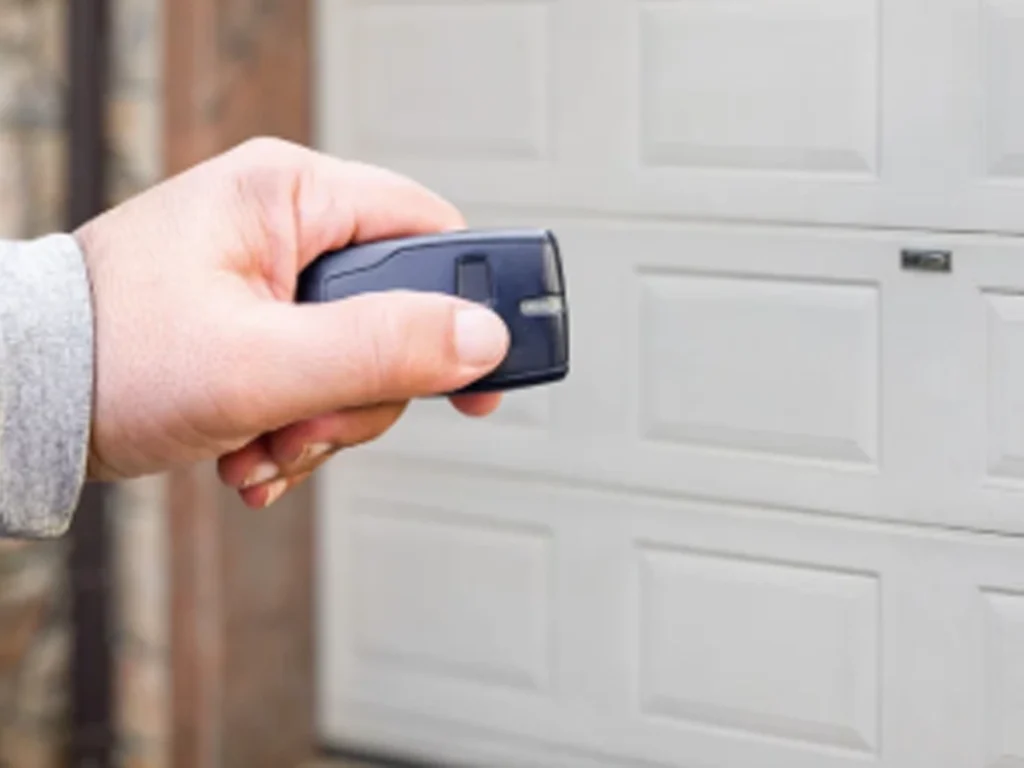
Premium garage door upgrades improve security when they create several layers of protection. Strong panels, sound tracks, quality locks, and secure brackets can support physical resistance. Meanwhile, modern openers may add protected remotes, door status alerts, user records, lights, cameras, and automatic locking. However, connected features need secure accounts, trusted software, current updates, and careful access control. A complete plan should also inspect the service door between the garage and home. Most importantly, every upgrade must preserve safe reversal and sensing functions. The best result comes from a site review that matches the door, opener, household needs, and risk level.
Security is important because the garage often holds vehicles, tools, personal items, and another path into the home. Yet, no product can promise that a break in will never happen. A good plan reduces weak points, improves awareness, and helps owners respond sooner.
In our professional view, security should begin with the door’s basic health. A strong lock cannot solve a bent track. Likewise, a camera cannot correct a weak panel or failed sensor. Therefore, Everlast Garage Doors – Franklin approaches the door as one working access system.
• First, protect the physical door, its controls, and the connected account.
• Second, select upgrades from an inspection, not from a generic shopping list.
Why Strong Garage Security Protects Daily Life
A garage door is both a moving system and an access point. Those roles create a special challenge. The door must resist unwanted entry while opening safely for approved users. In addition, it must keep working during normal heat, moisture, vibration, and power changes.
Security upgrades can also improve control. A door status alert may tell an owner that the door remained open. A user code can reduce shared remote use. Better lighting can improve camera detail and make late arrivals easier to see.
However, convenience can create new risk when it is poorly managed. A shared password, old guest account, or lost remote may leave access open. Therefore, owners need clear rules for who can enter, how access ends, and how unusual events are reviewed.
Franklin decision makers may include homeowners, landlords, property managers, and builders. Each group has different needs. A family may value simple phone alerts. A rental owner may need clean user changes. A high use property may focus on durable hardware and reliable records.
• First, define what the garage protects and who needs regular access.
• Second, balance security, safety, privacy, cost, and ease of use.
Eight Powerful Security Layers Worth Reviewing
No single upgrade secures every garage. Instead, useful protection comes from layers that support each other. The right mix depends on the door, opener, home layout, and owner habits.
Reinforced Door Sections
Door sections should remain sound, aligned, and firmly joined. Damage, soft areas, loose hardware, or weak supports can reduce the value of other upgrades. A technician can inspect the section build and determine whether repair, added support, or replacement is suitable.
Reinforcement must match door weight and design. Added weight can change spring demand and opener load. Therefore, owners should not attach heavy material without a full balance review.
• First, inspect panels, joints, fasteners, and support points for weakness.
• Second, measure added weight before changing springs or opener settings.
Strong Tracks, Brackets, and Fasteners
Tracks guide the door, while brackets hold key parts in place. Loose mounting, bent metal, or weak framing may allow poor movement. Consequently, a security review should include the full support path from track to wall and ceiling.
A larger fastener is not always the answer. The mounting base must be sound, and the hardware must suit the product instructions. Correct placement often matters as much as size.
• First, confirm that supports are secure and the track stays aligned.
• Second, use approved hardware that suits the mounting surface.
Automatic Garage Door Locks
Some compatible systems offer an automatic lock that engages when the door closes. This can add a physical layer beyond the opener rail. However, the lock must match the door and opener, and its position must not block normal travel.
Owners should understand manual release steps before an outage. They should also know how the lock reports its state. A lock that cannot be checked or released as designed may create access problems.
• First, verify product compatibility before choosing an automatic lock.
• Second, test locked, unlocked, outage, and manual release conditions.
Modern Opener Access Controls
Modern opener controls may use changing codes or protected digital links. The exact method differs by maker and model. Therefore, buyers should review current product documents rather than assume every new opener uses the same protection.
It is also wise to erase old remotes after moving into a home. Lost remotes should be removed from the system. Temporary access should expire when a worker, visitor, or tenant no longer needs entry.
• First, review all active remotes, keypads, phones, and user accounts.
• Second, remove old access and create separate access where supported.
Door Status Alerts
A status alert can warn an owner when the door opens, closes, or stays open. This helps because many security events begin with a simple mistake. Still, an alert only helps when it reaches the right person and leads to action.
Owners should test phone notice settings, internet loss behavior, and battery status. They should also decide who responds when the door opens at an unusual time.
• First, set useful alerts that avoid constant, ignored messages.
• Second, test notices and response steps with every approved user.
Cameras and Better Lighting
A camera may add context to an alert. Good lighting can also improve recorded detail. Yet, camera placement should respect privacy and local rules. Owners should understand what is stored, how long it remains, and who can view it.
Video does not replace a sound door. Instead, it supports review and response. It can help an owner confirm a delivery, identify a known visitor, or see why the door moved.
• First, place cameras to cover useful areas without invading private spaces.
• Second, protect camera accounts and review storage choices before use.
A Secure Entry Door Into the Home
Many attached garages include a second door into the living area. That door deserves its own review. Its frame, lock, hinges, closing action, and condition can affect the home’s security plan.
Garage door technicians focus on the overhead door and operator. A qualified door or lock professional may be needed for the entry door. Therefore, the owner should assign each concern to the right trade.
• First, include the interior entry door in the full access review.
• Second, use the right qualified professional for each door system.
Safe Reversal and Sensing Controls
Security must never defeat safety. The United States CPSC garage door operator states that automatic residential garage door operators must meet 16 CFR Part 1211. This mandatory rule covers important safety requirements for these products.
Never bypass a photo sensor, reversal control, or warning feature to gain convenience. Moreover, any security change near the tracks or operator should be checked for safe clearance and response.
• First, keep approved safety devices connected, aligned, and tested.
• Second, stop using powered movement when required safety checks fail.
How Smart Garage Security Can Create New Risk
Connected access can be useful, but it expands the security plan. A smart opener may depend on a phone, home network, cloud service, account, and software. Each part needs care. Otherwise, a strong physical door may be paired with a weak digital key.
CISA reported a serious issue in certain Nexx smart home products. The agency said affected versions used fixed credentials, and an attacker could remotely control garage doors or smart plugs. This was a product specific advisory, not proof that every smart opener is unsafe. Still, it shows why buyers should review vendor support and security history.
NIST research on smart home research also found that many smart home users did not connect updates with security. Users faced unclear update methods and notices. Therefore, a premium system should make update status easy to understand.
Use a unique account password. Turn on added account verification when the service offers it. Keep the app, phone, router, and device software current. In addition, remove old users and review account activity when available.
• First, treat the smart opener account like a digital house key.
• Second, choose supported products with clear updates and access controls.
Seven Expert Questions to Ask Before You Buy
Premium does not simply mean costly. A premium upgrade should solve a clear problem, fit the full door, and include useful support. Decision makers can test a proposal by asking direct questions.
Ask which weakness the upgrade addresses. Then, ask how the part or feature fits the current door and opener. Request the maker’s model information and warranty terms. Also, ask what happens during power or internet loss. For connected products, ask how updates arrive and how old users are removed. Finally, ask which safety tests follow installation.
The answers should be specific. Vague claims such as unbreakable, fully secure, or hacker proof are warning signs. No responsible professional can promise zero risk. Instead, a sound proposal should explain limits and show how layers work together.
• First, require clear compatibility, support, and test information.
• Second, reject absolute security promises that no product can prove.
A Realistic Franklin Security Case Study
The following case is an illustrative composite, not a claim about one named customer. It reflects common concerns that may appear during a residential garage door security review.
A Franklin family uses the garage as its main daily entrance. Several relatives share remotes, and one older remote is missing. The door sometimes remains open after a rushed morning. The owner first asks for a camera, believing video will solve the concern.
However, a full review finds more than one need. The door sections are sound, but several supports need service. The opener lacks the access options the family wants. The interior entry door also needs review by the proper trade.
The plan begins by restoring reliable door movement. Next, the owner selects a compatible modern opener with status alerts and controlled user access. Old remotes are removed. The family creates a simple rule for temporary access. Lighting and camera coverage are then considered as added layers.
After installation, the technician checks travel, balance, lock action where fitted, remote access, alerts, manual release, and required safety response. The family practices the outage process and records who manages the main account.
The main lesson is that the camera was helpful, but it was not the first repair. Strong security came from fixing weak physical points, cleaning up access, adding awareness, and testing the complete result.
• First, this example shows why diagnosis should guide the purchase.
• Second, it shows how simple access rules support premium equipment.
Five Common Security Mistakes to Avoid
The first mistake is hiding a remote inside a vehicle parked outdoors. A vehicle break in could expose that control. Instead, owners can consider a secure keypad, phone access, or a remote that stays with the user when compatible.
The second mistake is sharing one account with many people. Shared login details make access hard to track and hard to remove. Separate user access is often easier to manage when supported.
The third mistake is ignoring software updates. As NIST explains, updates can help correct security flaws. Therefore, owners should know whether updates are automatic and how to check status.
The fourth mistake is adding a manual lock without checking opener use. If someone powers the opener while a lock blocks the door, damage may result. A qualified technician should confirm the control plan.
The fifth mistake is defeating safety devices. Security work should never block sensor views or change required reversal action. Safe operation remains essential after every upgrade.
• First, remove forgotten access and avoid unsafe hardware conflicts.
• Second, protect both digital controls and required safety features.
Four Costs Decision Makers Should Compare
The purchase price is only one cost. First, consider installation and compatibility work. A new opener may require approved controls, wiring, or door repairs. Second, consider service and support. Connected features can lose value if the maker ends updates.
Third, consider any ongoing fee for storage, monitoring, or advanced alerts. Confirm which features work without a paid plan. Fourth, consider the cost of poor fit, false alerts, downtime, and repeated service.
A useful quote should separate required repairs from optional security layers. It should also explain which features depend on internet service or a paid account. This clarity helps owners choose value instead of buying a feature they will not use.
• First, compare full ownership cost, not only the hardware price.
• Second, confirm support life, fees, and offline behavior before purchase.
Six Steps for a Confident Security Upgrade Plan
Begin with a complete door and opener inspection. Next, list the items and access paths that matter most. Then, identify current users, remotes, codes, apps, and keys. This creates a clear view of both physical and digital access.
After that, rank the weak points by risk and urgency. Repair unsafe or failed parts first. Select compatible security layers second. Install each feature according to maker instructions. Finally, test normal use, blocked access, power loss, internet loss, alerts, manual release, and safety response.
Write down the final setup. Record model details, main account owner, approved users, service dates, and support contacts. This small record becomes useful after a move, phone loss, tenant change, or family change.
• First, repair basic door health before adding advanced features.
• Second, document and test the finished system under real conditions.
Five Frequently Asked Questions
How can I make my garage door more secure?
Start with an inspection of the panels, tracks, supports, lock, opener, remotes, and safety controls. Remove unknown remotes and old users. Then, consider compatible automatic locks, status alerts, lighting, and camera coverage. Also review the entry door into the home. The best plan uses several layers instead of relying on one device.
Are smart garage door openers secure?
Security varies by product, setup, support, and user habits. Choose a supported model with clear update practices and controlled user access. Use a unique password and added account verification when offered. Keep the app, phone, router, and opener software current. Remove former users promptly, and review vendor security notices for the exact product.
Is an automatic garage door lock worth it?
An automatic lock can add a useful physical layer when it is approved for the door and opener. Value depends on the home, access needs, and existing system. Ask how the lock behaves during power loss and manual release. Installation should also include travel and safety checks so the lock never conflicts with powered movement.
Can someone open my garage door with another remote?
Modern access methods vary by make and model, so no single answer covers every opener. Check the product documents for its remote security method. Remove lost or unknown remotes from memory, protect keypad codes, and avoid leaving controls in an unsecured vehicle. A technician can identify the opener and explain suitable upgrade choices.
Should I add a camera to my garage door?
A camera can help confirm alerts and review activity, but it does not strengthen weak panels or locks. Consider lighting, view, privacy, storage, fees, account security, and internet loss. Choose coverage that answers a clear need. Then, protect the camera account and test who receives alerts before depending on it.
Conclusion: Build Stronger Security With Confidence
Premium garage door upgrades can improve security, but only when they solve the right problems. Strong panels, secure supports, compatible locks, controlled access, useful alerts, and clear camera views all have roles. Still, they must work with safe door movement and active sensing systems.
For Franklin homeowners and decision makers, the smart path begins with evidence. Inspect the door, identify users, rank weak points, and choose layers that fit. Then, test each feature under normal and unusual conditions.
Everlast Garage Doors – Franklin brings a practical system view to residential garage door service. We believe good security work should be clear, compatible, safe, and easy to manage. Because each property differs, final recommendations should follow an on site review.
• First, strengthen the door before adding features that only observe it.
• Second, manage every remote, code, phone, account, and update with care.
Ready to plan premium garage door upgrades for improved security?
At Everlast Garage Doors, we provide complete Garage Door Services for both residential and commercial properties. Our team handles Garage Door Installation, Repair, Maintenance, Custom Designs , and full Door Replacements to ensure long-lasting performance and reliability. We also offer Emergency Garage Door Service to quickly resolve urgent issues and keep your property secure and fully operational. With Everlast Garage Doors, you can count on quality, durability, and trusted service every step of the way.
Contact us at
Phone: 615-808-8806