Loading Dock Door Repair & Maintenance for Safer Operations
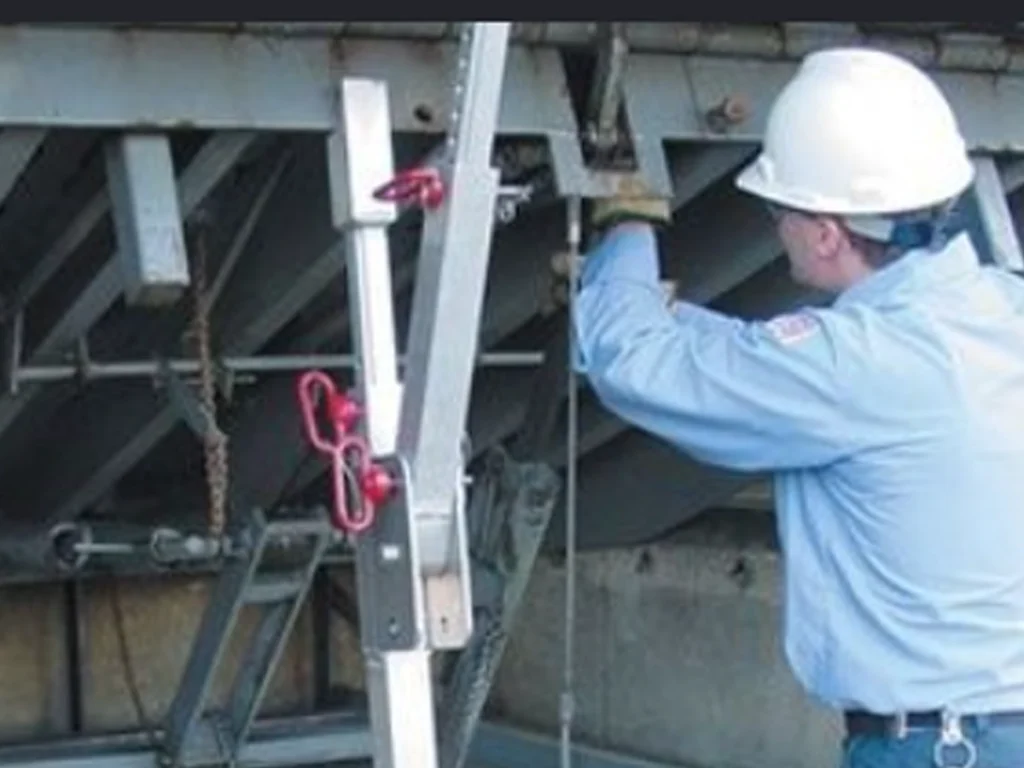
A surprising fact about loading docks is that OSHA warns that falls from a loading dock while operating a forklift can be fatal. That makes a loading dock door much more than a simple entrance. It is part of a busy work area where people, vehicles, equipment, products, and doors must work together safely.
A door that opens slowly can delay a shipment. A door that will not close can affect security. A damaged door can also create a safety concern for workers around the dock.
For businesses in Franklin, proper loading dock door care can support safer work, smoother deliveries, and better equipment planning. Regular inspections also make it easier to notice wear before a small problem becomes a costly emergency.
AI Overview
The goal is to keep doors operating safely, reliably, and efficiently while reducing avoidable interruptions.
Regular maintenance can include checking door panels, tracks, rollers, hinges, springs, cables, guides, operators, safety devices, seals, hardware, and mounting points. The exact components depend on the door design and manufacturer.
OSHA also has specific requirements for certain cargo doors and dock boards. For example, its cargo door standard addresses guarding, securing, lifting hardware, and safe maintenance of certain doors.
The best repair strategy starts with a proper inspection. A technician should identify the actual cause of a problem rather than replacing parts without understanding the failure. For business owners, this approach can help control costs while keeping safety as the first priority.
Why Loading Dock Door Repair and Maintenance Matters
Loading dock doors often operate in demanding environments. They may open and close many times during a busy workday. They can also be exposed to forklifts, carts, weather, dust, impacts, vibration, and constant traffic.
Because of that, small defects can become serious operating problems.
A door that is slightly damaged today may become difficult to open later. A worn roller may create more resistance. A damaged track can affect door movement. A failed operator can stop normal loading activity altogether.
Important reasons for regular maintenance include:
• Better door reliability during busy delivery periods.
• Earlier detection of wear, damage, and unsafe conditions.
For decision makers, maintenance also provides a better way to plan spending. Instead of waiting for a complete failure, a business can understand the condition of its equipment and make repair decisions based on observed needs.
That approach is especially useful for facilities where a loading door is essential to daily operations.
Common Loading Dock Door Problems
Loading dock doors can experience several types of problems. Some are caused by normal wear. Others result from impact, poor adjustment, damaged components, or inadequate maintenance.
Common symptoms include:
• The door opens or closes slowly, unevenly, or with unusual noise.
• The door becomes difficult to operate or stops before reaching its normal position.
A damaged door does not always mean that the entire system needs replacement. In many cases, the right repair can restore proper operation.
However, a proper diagnosis matters. A noisy door may have more than one problem. Replacing one visible component may not correct the underlying issue.
That is why inspection should come before major repair decisions.
Damaged Loading Dock Door Panels
Door panels are exposed to daily activity. In a warehouse or distribution area, forklifts and other equipment can accidentally contact the door.
An impact can bend a panel, damage its edges, affect alignment, or create gaps. Even damage that appears cosmetic may affect how the door moves.
Panel inspection should consider:
• Visible dents, bends, cracks, separation, or damaged sections.
• Whether the damaged panel affects alignment, movement, sealing, or safe operation.
If a panel is badly damaged, repair may not always be the best option. The correct decision depends on the door design, damage level, age, availability of parts, and overall condition.
A professional inspection helps determine whether repair or replacement makes more sense.
Loading Dock Door Tracks Need Careful Attention
Tracks guide many overhead and commercial doors. If a track becomes bent, loose, obstructed, or damaged, the door may not travel correctly.
This can create additional stress throughout the system.
Warning signs can include:
• Grinding sounds or unusual rubbing during operation.
• Uneven movement, binding, or visible track damage.
Tracks should not be treated as a component that can simply be forced back into place. Their position and condition affect door movement and safety.
A trained technician can evaluate the complete system and determine whether adjustment, repair, or replacement is appropriate.
Rollers and Hinges Affect Door Movement
Rollers and hinges help a sectional door move through its travel path. These parts can wear over time, especially in commercial settings with frequent use.
When rollers become worn, a door may become louder or less smooth. Hinges can also become damaged or loose.
Maintenance should look for:
• Signs of excessive wear, damage, looseness, or unusual movement.
• Changes in the sound and smoothness of normal door operation.
Small components can have a large effect on the way a door operates. Therefore, technicians should consider the whole system instead of focusing only on the motor.
Springs and Cables Require Professional Attention
Springs and cables can be critical parts of a loading dock door system. They help support or control door movement, depending on the door design.
These components can also present serious hazards when damaged or handled incorrectly.
Warning signs may include:
• A door that suddenly feels unusually heavy or difficult to operate.
• Visible cable damage, broken springs, or a major change in door balance.
Workers should not attempt high tension spring or cable repairs without the required training and equipment.
A broken spring can make a door unsafe or unusable. Likewise, a damaged cable can affect the door’s ability to move correctly.
Professional inspection is the safer choice when these components are involved.
Loading Dock Door Operators Can Fail
The operator controls powered door movement. A failure can therefore stop normal dock activity.
Operator problems can involve electrical controls, switches, sensors, motors, wiring, drive components, or other model specific parts.
Look for:
• The operator runs but the door does not move correctly.
• The door starts and stops unexpectedly or fails to respond to controls.
Diagnosis is important because the operator may not be the actual source of the problem. A mechanical issue with the door can also affect powered operation.
A qualified technician can inspect the door and operator together.
states that it provides commercial garage door installation, repair, and maintenance, including roll up doors, overhead doors, loading bay doors, dock levelers, and automated access systems.
Safety Devices Are a Critical Part of Maintenance
Loading dock doors operate around workers, drivers, forklifts, and other equipment. Safety devices therefore deserve careful attention.
The exact safety system varies by door and operator. Some systems use photo sensors, edge sensors, warning systems, emergency controls, or other devices.
Maintenance should verify:
• Safety devices are present, clean, correctly positioned, and functioning according to manufacturer instructions.
• Workers understand the correct operating procedure for the equipment.
We should never skip safety checks simply because a door appears to work normally.
Open Loading Dock Doors Can Create Fall Risks
A loading dock door is closely connected to the safety of the dock opening itself.
When a door is open, workers may be exposed to the edge of the dock. OSHA warehouse guidance requires readers to block or protect exposed or open loading dock doors and other areas where workers could fall.
This means businesses need to think beyond the door motor.
A strong safety approach includes:
• Keeping the loading area clear and maintaining safe access around the dock.
• Using appropriate barriers, procedures, and controls when an open dock creates a fall hazard.
The door is one part of a larger loading area safety system.
Loading Dock Door Maintenance Should Include the Entire System
One common mistake is maintaining only the visible door surface.
A loading dock door works as a system. Panels, tracks, rollers, hinges, springs, cables, seals, operators, controls, and safety devices can all affect performance.
A complete inspection should consider:
• Mechanical components and the physical condition of the door.
• Operator controls, safety equipment, mounting points, and related hardware.
This whole system approach can help identify problems that would otherwise be missed.
It also creates better information for future maintenance planning.
Why Preventive Maintenance Beats Emergency Repair
Emergency repairs are sometimes unavoidable. However, relying only on emergency service can make equipment management harder.
A preventive maintenance program gives businesses an opportunity to find developing problems before they cause an unexpected shutdown.
Benefits can include:
• Better planning for repairs and replacement parts.
• Fewer surprises during important loading periods.
Preventive maintenance does not guarantee that a door will never fail. Mechanical equipment can still experience unexpected problems.
However, regular inspection gives decision makers more information.
A Practical Loading Dock Door Inspection
A practical inspection should be consistent. It should also be based on the door manufacturer’s instructions and the actual conditions at the facility.
A technician can review:
• Door movement, panels, tracks, rollers, hinges, springs, cables, seals, and hardware.
• Operator performance, controls, safety devices, and visible signs of damage.
The inspection should also consider the environment.
For example, a door exposed to frequent forklift traffic may face different risks than a door used only occasionally. A high traffic warehouse may also need more frequent attention than a low use facility.
There is no single maintenance schedule that fits every commercial door.
How Forklift Traffic Can Affect Dock Doors
Forklifts are essential in many loading areas. However, their movement can create a risk of accidental contact with doors and surrounding equipment.
Businesses can reduce avoidable damage by improving traffic practices.
Useful measures include:
• Clear traffic paths and visible dock boundaries.
• Training and operating procedures that reduce unnecessary contact with doors and dock equipment.
When impact damage happens repeatedly, repairing the door alone may not solve the larger problem. The facility may also need to review traffic flow and operator practices.
Loading Dock Door Seals and Weather Protection
Many commercial facilities use seals or related components around loading areas. Their purpose can include helping control weather exposure and reducing unwanted gaps around the opening.
Damaged seals can affect the working environment and may allow unwanted air movement or water intrusion.
Maintenance can look for:
• Torn, loose, compressed, or visibly damaged sealing material.
• Gaps that appear unusual when the door is closed.
The exact inspection method depends on the door and dock design.
For businesses concerned about operating conditions, these components deserve attention during routine service.
When Should a Loading Dock Door Be Repaired?
Repair is often appropriate when the main structure remains serviceable and the damaged component can be safely restored.
The decision should consider:
• The severity of the problem and whether the door can be returned to safe operation.
• The age, condition, repair history, and expected future use of the system.
A repair may make sense when one component has failed while the rest of the system remains in good condition.
However, repeated repairs can become inefficient when several major components are failing.
That is when replacement deserves consideration.
When Loading Dock Door Replacement May Make Sense
Replacement is not automatically better than repair. It becomes more reasonable when the door is severely damaged, repeatedly failing, obsolete, or no longer suitable for the facility.
Decision makers can consider:
• Total repair history and the condition of major components.
• Parts availability, operating demands, safety concerns, and expected future needs.
A professional inspection can help compare the practical options.
The goal should be a sound business decision, not simply the cheapest immediate repair.
An Illustrative Loading Dock Repair Example
The following example is illustrative. It is not presented as a documented Everlast customer case.
Imagine a Franklin warehouse where a loading dock door begins making a loud scraping sound. The door still opens, so the facility initially continues using it.
During inspection, the technician notices that the movement is no longer smooth. The tracks and other related components are checked to determine the cause.
Instead of immediately replacing the complete door, the technician evaluates the damaged components and the overall condition of the system.
The business can then make a more informed decision.
This example shows why early inspection matters.
A small operating change can provide a useful reason to investigate before the door becomes completely unusable.
Another Example: Repeated Impact Damage
Consider a facility where the lower part of a loading door has been damaged more than once.
Replacing the damaged section may restore the door. However, if forklifts continue hitting the same area, another repair may follow.
The better business question becomes:
• Why does the impact keep happening?
• Can traffic flow, visibility, barriers, training, or operating procedures reduce the risk?
This is an important part of maintenance thinking. A repair addresses the immediate damage. A broader review can address the cause of repeated damage.
Documentation Makes Commercial Door Maintenance Better
Commercial property managers benefit from good maintenance records.
A simple record can show the date of inspection, reported symptoms, repairs completed, parts replaced, and recommendations.
Useful information includes:
• Door identification, location within the facility, equipment type, and service history.
• Recurring problems, inspection findings, and planned follow up.
Good records can also help when several loading dock doors exist at one property.
Instead of treating every service call as a separate event, managers can see patterns over time.
Loading Dock Door Maintenance and OSHA Awareness
Businesses should take loading dock safety seriously.
OSHA’s requirements vary by workplace and operation. Specific rules can apply to cargo doors, dock boards, powered industrial trucks, walking surfaces, and other loading area conditions.
Cargo door standard includes requirements concerning mechanically operated doors, counterweights, securing partially open doors, and maintaining lifting gear and hardware in safe condition.
Businesses should therefore consult the rules that apply to their specific facility.
Why Franklin Businesses Need Reliable Dock Door Service
Franklin businesses depend on reliable access. A commercial door failure can affect deliveries, inventory movement, employee access, and customer commitments.
For that reason, service quality matters.
A commercial garage door provider should understand that a loading dock is part of a larger business process.
Everlast Garage Doors reports that it serves commercial customers and provides repair, maintenance, installation, and replacement services for commercial garage door systems.
For a local business, this broader service capability can make it easier to address related garage door needs through one provider.
Emergency Loading Dock Door Repair
Some loading dock failures cannot wait for a convenient appointment.
A door may become stuck open or closed. A spring or cable may break. An impact may push the door off its normal path. A safety device may stop working.
During an emergency:
Keep workers away from unsafe equipment until you have assessed the condition.
• Avoid forcing the door or attempting repairs involving high tension components.
Emergency service should focus first on making the area safe and then determining the appropriate repair.
Maintenance Can Help Protect Business Continuity
A loading dock door may appear to be a small part of a facility. In practice, it can affect a much larger operation.
If a door stops working, deliveries may be delayed. Workers may need to change their normal process. Vehicles may wait longer. Products may need to be moved through another opening.
Maintenance can reduce the likelihood of avoidable disruption.
For decision makers, the key questions are practical:
• How important is this door to daily operations?
• What would a failure cost in time, labor, delays, and lost productivity?
The answer can help determine an appropriate maintenance approach.
Choosing the Right Loading Dock Door Repair Provider
Commercial door service requires more than simply replacing damaged parts.
A strong service provider should approach the job with safety, diagnosis, quality parts, and long term operation in mind.
When comparing providers, consider:
• Experience with commercial and loading dock door systems.
• Ability to inspect, repair, maintain, replace, and service related equipment.
It is also useful to ask what the inspection includes.
A clear explanation of the problem helps a property manager understand why we recommend the repair.
What Franklin Decision Makers Should Ask Before Repair
Before approving a major repair, decision makers should understand the condition of the equipment.
Useful questions include:
• Is the damaged component repairable, or is replacement more practical?
• Does the repair address the cause or only the visible symptom?
These questions can lead to better decisions.
A professional technician should be able to explain the findings in clear language.
A Better Long Term Maintenance Strategy
The strongest approach combines inspection, repair, documentation, and planning.
Instead of waiting for failure, businesses can establish a regular maintenance process based on equipment condition and usage.
A practical strategy includes:
• Routine visual checks and professional inspections.
• Prompt attention to unusual sounds, movement, damage, or safety concerns.
Final Takeaway on Loading Dock Door Repair and Maintenance
Loading dock door repair and maintenance is ultimately about more than keeping a door moving.
It is about protecting workers, supporting business operations, reducing avoidable disruption, and making informed equipment decisions.
For Franklin businesses, a proactive maintenance strategy can provide a clearer view of equipment condition.
The best approach starts with inspection.
Next, the actual cause of a problem should be identified. Then, the appropriate repair should be completed using suitable components and safe procedures.
Finally, the repair should be documented so future maintenance decisions have useful information.
A loading dock door is an important part of the daily movement of goods. When it operates correctly, employees can focus on their work instead of unexpected equipment problems.
When something changes, do not ignore it.
A strange sound, damaged panel, uneven movement, failed safety device, or repeated operating problem deserves attention.
Professional maintenance can help identify the issue before a minor concern becomes a major interruption.
Frequently Asked Questions
How often should loading dock doors be maintained?
The right maintenance interval depends on the door type, usage level, environment, manufacturer instructions, and operating conditions. High use commercial doors generally deserve close attention because they experience more cycles and wear. Businesses should combine routine visual checks with professional inspection and should investigate unusual noise, movement, damage, or safety problems as soon as they appear.
What are the most common loading dock door problems?
Common problems can include damaged panels, worn rollers, track problems, broken springs, damaged cables, operator failures, sensor problems, and hardware issues. Impact from forklifts can also damage doors in busy facilities. Because several problems can produce similar symptoms, a professional inspection is useful before deciding which component should be repaired or replaced.
Can a damaged loading dock door be repaired instead of replaced?
Yes, repair may be practical when the main door remains in suitable condition and the damaged component can be safely restored. However, replacement may make more sense when damage is extensive, failures happen repeatedly, major components are worn, or the door no longer meets the facility’s needs. A professional assessment can help compare both options.
Why is loading dock door maintenance important for workplace safety?
A loading dock combines doors, vehicles, forklifts, workers, and elevated surfaces. OSHA identifies loading dock areas as places where serious hazards can occur, including falls from dock edges. Maintaining the door and surrounding area can help reduce equipment problems and support safer operations. Businesses should also follow applicable OSHA requirements and their own workplace safety procedures.
When should a business call for emergency loading dock door repair?
A business should seek prompt professional service when a loading dock door is stuck, severely damaged, off its normal track, has a broken spring or cable, or has a safety device that is not working properly. Workers should not force a damaged door or attempt high tension repairs without suitable training and equipment. Keeping people away from unsafe equipment is the first priority.
At Everlast Garage Doors, we provide complete Garage Door Services for both residential and commercial properties. Our team handles Garage Door Installation, Repair, Maintenance, Custom Designs , and full Door Replacements to ensure long-lasting performance and reliability. We also offer Emergency Garage Door Service to quickly resolve urgent issues and keep your property secure and fully operational. you can count on quality, durability, and trusted service every step of the way.
For businesses that need loading dock door repair and maintenance, the company can be contacted for service and an evaluation.
Contact Information
Phone: 615-808-8806
Location: 1107 battle wood St #222, Franklin, TN 37069