
Smart Garage Door Repair Tips for Aging Home Doors
A major change in garage door safety rules was followed by a decrease of more than 50 percent in certain incidents, fatalities, and entrapment.
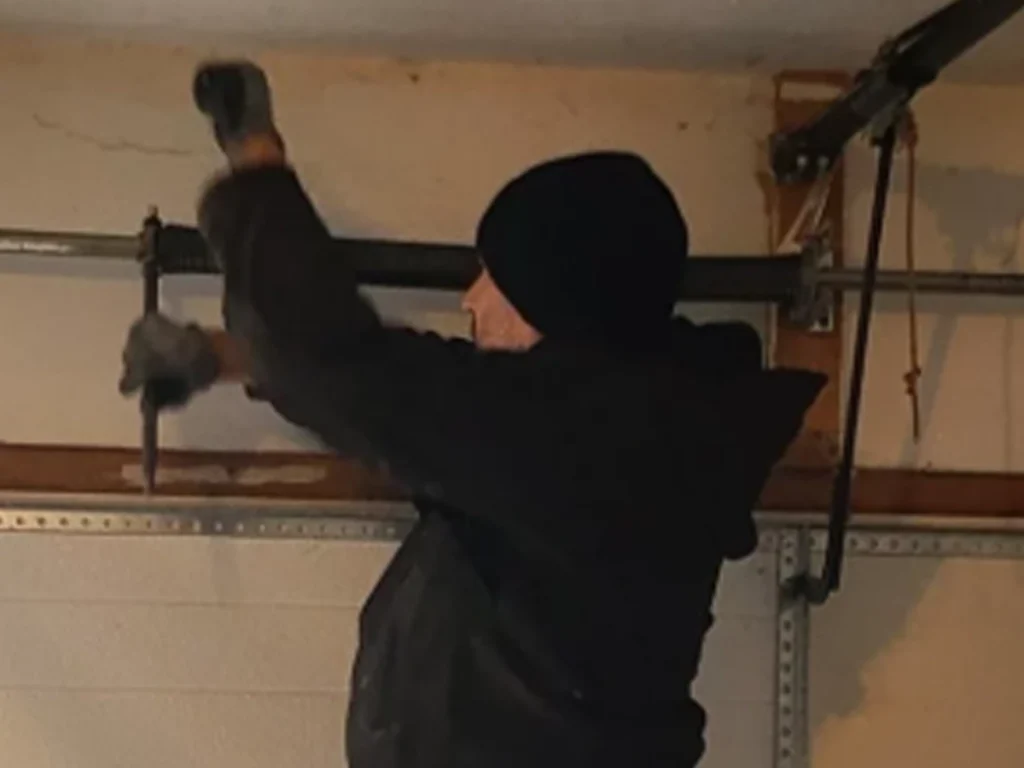
That fact matters when you own an older residential garage door.
An older door can keep working for many years when its main parts remain safe, balanced, and properly maintained. However, age can also hide worn springs, cables, rollers, hinges, tracks, seals, sensors, and opener parts.
Therefore, knowing basic garage door repair tips for older residential doors can help you spot trouble before normal wear becomes a major failure.
- Watch for changes in sound, speed, balance, and movement.
- Ask a professional to inspect high tension parts and serious safety concerns.
Older does not automatically mean unsafe.
However, an aging garage door deserves closer attention because years of daily movement can place stress on many connected parts.
AI Overview: What Older Garage Doors Need Most
Older residential garage doors usually need three things: regular observation, basic maintenance, and professional service when safety parts show wear.
Homeowners can safely watch the door, keep accessible areas clean, check weather seals, and notice unusual sounds. In addition, they can look for visible wear without touching loaded springs or cables.
However, spring systems, cables, bottom brackets, and serious balance problems deserve professional attention. DASMA warns that garage door springs can be dangerous and says worn cables should only be replaced by trained technicians.
Older automatic openers also deserve special attention.
CPSC recommends replacing older openers that lack proper automatic reversing protection. It also recommends regular inspection of the door and opener system.
Therefore, the best repair plan starts with the condition of the entire door.
- Keep simple maintenance focused on safe and accessible parts.
- Leave spring, cable, balance, and major track work to trained technicians.
For Franklin homeowners, this approach can help protect the door while avoiding repairs based on guesswork.
Why Older Residential Garage Doors Need Extra Care
A garage door is often one of the largest moving systems in a home.
Moreover, it may open and close several times during a normal day. Each movement places stress on springs, rollers, hinges, cables, bearings, tracks, and the opener.
As those cycles add up, parts can slowly wear.
Older doors can also contain equipment designed before newer safety features became common. For example, federal requirements changed automatic garage door opener safety standards decades ago.
Therefore, age matters for more than appearance.
- An older door may contain parts that have experienced years of repeated movement.
- An older opener may lack features found on more modern residential systems.
Still, age alone does not tell you whether replacement is required.
Condition, safety, repair history, door balance, part availability, and daily performance are more useful factors.
Seven Powerful Signs an Older Garage Door Needs Repair
Older garage doors often give warning signs before complete failure.
Therefore, homeowners should learn what changes deserve attention.
Listen for New Grinding, Scraping, or Banging Sounds
Some garage door noise is normal.
However, a sound that suddenly appears deserves attention, especially when it becomes louder during each cycle.
Grinding may relate to worn rollers or moving hardware. Scraping may signal contact between parts. Meanwhile, banging can point toward loose or damaged components.
- Compare current sounds with the normal sound of your door.
- Stop using the system if you hear a violent snap or see major damage.
In our view, changes are often more useful than noise alone.
A door that has sounded the same for years may not have a serious issue. Conversely, a new sound combined with shaking deserves faster attention.
Watch for Uneven or Jerky Door Movement
A healthy garage door should move in a controlled path.
Therefore, a door that rises unevenly, shakes, sticks, or jerks should not be ignored.
Possible causes can involve rollers, tracks, cables, springs, hinges, or several parts working together.
- Watch both sides of the door from a safe location.
- Call a professional when one side repeatedly moves differently.
Do not try to force an uneven door through another cycle.
Further operation can place more stress on other components.
Check Whether the Door Feels Unusually Heavy
Springs help manage the weight of the garage door.
Therefore, a door that suddenly feels much heavier may have a balance or spring problem.
That makes unusual weight an important warning sign.
- Do not depend on the opener to lift a severely unbalanced door.
- Request professional service when the door will not remain balanced.
An opener is designed to move a properly functioning door.
It should not be used to hide a mechanical problem.
Look for Worn or Frayed Garage Door Cables
Cables are critical lifting components.
However, older cables may develop visible wear after years of movement.
Look from a safe distance for broken strands, unusual slack, or a cable that appears out of position.
- Inspect cables visually without pulling or adjusting them.
- Stop unnecessary door use when a cable appears badly damaged.
Never loosen the bottom brackets to investigate a cable problem.
Those brackets may be connected to parts under strong tension.
Notice Cracked or Worn Rollers
Rollers guide the door through the track system.
As they wear, movement can become noisy, rough, or unstable.
Older rollers may also develop cracks, worn bearings, or excessive movement.
- Look for rollers that wobble or appear visibly damaged.
- Listen for changes as each roller moves through the track.
A technician can determine whether roller wear is the main problem or a result of another alignment issue.
Therefore, replacing a visible part without understanding the cause is not always the best repair.
Inspect Weather Seals and Door Gaps
Not every older garage door problem involves a major mechanical failure.
Weather seals can harden, crack, shrink, or become damaged over time.
As a result, gaps may allow water, outdoor air, insects, leaves, and debris to enter the garage.
- Check the bottom seal for cracking or missing sections.
- Look for daylight around areas that previously sealed well.
Weather seal replacement is often simpler than spring or cable work.
However, unusual gaps can also come from poor door alignment. Therefore, large or uneven gaps may justify a complete inspection.
Pay Attention When the Opener Struggles
An older opener may become slower or less reliable.
Still, the motor is not always the true cause.
A poorly balanced door can create added resistance. Likewise, damaged rollers or tracks can make the opener work harder.
- Listen for a motor that strains during normal operation.
- Notice whether the door slows in the same area each time.
Before replacing the opener, a technician should consider the condition of the door itself.
That approach can prevent replacing a working opener when mechanical resistance caused the problem.
Five Safe Maintenance Tips for Older Garage Doors
Older doors benefit from routine care.
However, safe maintenance should stay within reasonable homeowner limits.
Inspect the Door Regularly
A visual inspection does not require taking components apart.
Instead, observe what has changed since the previous month.
- Look for loose visible hardware or damaged panels.
- Watch for new rust, cable wear, roller damage, or track problems.
Regular checks help create a useful baseline.
Therefore, small changes become easier to recognize.
Keep Accessible Areas Clean
Dust and debris can collect around tracks, sensors, and the bottom of the door.
Therefore, keeping these areas clean can support normal operation.
- Remove leaves, dirt, and objects near the door path.
- Keep the photo sensor area free from obvious obstructions.
Do not place hands near moving rollers or loaded hardware.
Always keep the door stopped before checking nearby areas.
Use the Correct Garage Door Lubricant
Some moving garage door parts may benefit from proper lubrication.
Lowe’s also recommends regular maintenance and appropriate lubrication for garage door operation. (Lowe’s)
- Follow the door manufacturer instructions for lubrication.
- Avoid applying products randomly to every visible component.
More lubricant is not always better.
Tracks, sensors, and other parts may require different care.
Check the Safety Sensor Area
Modern automatic garage doors commonly use photo sensors as part of their safety system.
These sensors help prevent the door from closing when an obstruction is detected.
- Keep objects away from the sensor beam.
- Notice flashing lights or repeated unexpected reversing.
If cleaning an obvious obstruction does not solve the issue, call a professional.
Do not bypass a safety feature simply to close the door.
Review the Owner Manual
Older garage doors and openers can differ greatly.
Therefore, the original manufacturer instructions remain important when available.
- Follow maintenance instructions for your specific model.
- Check whether replacement parts remain approved for the system.
If the manual is missing, a qualified technician may help identify the equipment.
Four Older Garage Door Repairs Best Left to Experts
Some projects are not good homeowner repairs.
This is especially true when stored spring force or heavy door movement is involved.
Garage Door Spring Repair
Springs help counterbalance a heavy door.
As a result, they operate under considerable force.
- Never loosen spring hardware to see what happens.
- Do not attempt spring replacement without proper training.
A broken spring may look like a simple metal part.
However, the lifting system around that spring can create serious risk.
Garage Door Cable Repair
Cables work closely with the spring system.
Therefore, cable service can involve significant tension.
- Never pull a frayed cable to test its strength.
- Never loosen the connected bottom bracket yourself.
Professional service is especially important when a cable has already snapped.
Serious Garage Door Balance Problems
A balanced door should move smoothly and remain controlled.
However, a severely unbalanced door can fall.
- Stop repeated operation when the door becomes difficult to control.
- Keep people away from a door that may fall unexpectedly.
Balance problems can involve several connected components.
Therefore, accurate diagnosis matters.
Major Track or Structural Damage
Minor dirt in a track differs from serious track damage.
A bent or badly shifted track can interfere with roller travel and door stability.
- Avoid forcing the door through a visibly damaged track.
- Request inspection when panels or tracks change door movement.
A technician can decide whether parts can be corrected safely or need replacement.
Three Critical Safety Checks for an Older Opener
Older doors often have older openers.
Therefore, opener safety should be part of every repair discussion.
Confirm Automatic Reversing Protection
This is one of the most important checks for an aging system.
- Follow the manufacturer instructions for testing reversal.
- Stop automatic operation if an important safety feature fails.
Do not treat failed reversal as a minor convenience problem.
It is a safety concern.
Check Whether Photo Sensors Are Present
External entrapment protection became a key part of modern garage door opener safety requirements.
- Check whether your older system includes working safety sensors.
- Ask a technician about upgrades when safety technology is missing.
An aging opener may still run.
However, operation alone does not mean it meets the expectations of a modern safety system.
Watch for Delayed or Unreliable Operation
Old motors, controls, sensors, and mechanical systems may become less reliable.
Therefore, repeated delays deserve attention.
- Note whether problems occur every day or only sometimes.
- Tell the technician when the issue first appeared.
These details can make diagnosis faster and more accurate.
Repair or Replace: How to Make a Smart Decision
A common question is whether an older garage door should be repaired or replaced.
There is no single age when every door must be replaced.
Instead, the answer depends on condition, safety, repair history, appearance, structure, insulation needs, and available parts.
Therefore, age should be only one part of the decision.
- Repair may make sense when the structure remains sound and problems are limited.
- Replacement may make sense when damage, safety issues, and repeated repairs keep growing.
A professional inspection can help separate normal wear from larger structural concerns.
For decision makers, that distinction is important because the cheapest immediate repair may not always offer the best long term value.
An Example of a Smart Older Door Repair Decision
Consider a typical example rather than a claimed customer case.
A homeowner has a residential garage door that has operated for many years.
Recently, the door becomes louder. It also hesitates near the middle of its travel.
The homeowner first checks for obvious debris. Nothing blocks the track or sensors.
Next, a professional inspection finds that several rollers have visible wear. The technician also checks the spring balance, cables, tracks, hinges, opener, and safety system.
The door structure remains sound.
In that situation, targeted repairs may be more reasonable than immediate full replacement.
- The inspection identifies the actual cause before parts are purchased.
- The homeowner receives a broader view of the remaining system condition.
Now consider another example.
An older door has major panel damage, severe rust, recurring mechanical problems, and an outdated opener without expected modern safety protection.
That combination may make replacement more practical.
Why Preventive Service Can Help an Aging Garage Door
Preventive maintenance cannot guarantee that a garage door part will never fail.
However, regular inspection can reveal visible wear and changing performance before complete failure occurs.
That schedule is particularly useful for an older door.
- Routine inspection can find developing cable, roller, or hardware wear.
- Professional service can assess balance and other higher risk components.
Preventive service also gives homeowners a clearer picture of the door’s condition.
Therefore, future repair decisions become less reactive.
What a Professional Inspection Should Include
A useful garage door inspection should look beyond one noisy part.
The technician should consider the complete operating system.
That can include the door panels, springs, cables, rollers, tracks, hinges, brackets, opener, sensors, seals, balance, and normal travel.
- Ask what caused the symptom rather than only what part needs replacement.
- Ask whether other connected parts show unusual wear.
For example, worn rollers may create more resistance.
However, poor balance might also contribute to the same rough movement.
A complete diagnosis can prevent repeated repairs caused by treating only one symptom.
Why Professional Experience Matters With Older Doors
Older garage doors can require more judgment than newer systems.
Parts may have changed over time. Previous repairs may also have mixed old and new components.
Therefore, technicians must understand how the whole assembly works together.
A professional approach should explain the problem in simple language.
- Homeowners should understand what is damaged before approving major work.
- Recommendations should separate urgent safety needs from optional improvements.
That clear approach is especially valuable for older residential systems.
It helps homeowners make decisions without relying on fear or guesswork.
Five Mistakes to Avoid With an Aging Garage Door
Older garage doors can continue working even when a problem is developing.
Therefore, homeowners sometimes delay repairs longer than they should.
Do Not Ignore a Sudden Change in Movement
A new shake, lean, or hesitation deserves investigation.
- Compare it with the door’s usual operation.
- Stop using the door if movement appears uncontrolled.
A change does not prove a specific failure.
However, it provides a reason to inspect the system.
Do Not Force a Stuck Door
Repeatedly pressing the opener button may place added load on the system.
- Stop when the door repeatedly binds.
- Check only for obvious and safe obstructions.
If the cause is not clear, request professional service.
Do Not Adjust Springs or Cables
These parts can involve high tension.
- Leave spring adjustment to trained professionals.
- Leave cable replacement to trained professionals.
This is one area where caution is more important than saving time.
Do Not Bypass Safety Sensors
A door that will not close may be frustrating.
However, bypassing a safety device can create a larger risk.
- Clean obvious dirt or remove safe obstructions.
- Call for service when the system still fails.
UL emphasizes the importance of proper safety device installation and maintenance. (UL Solutions)
Do Not Assume Every Old Door Needs Replacement
Age alone is not a diagnosis.
Some older doors remain serviceable when their structure and mechanical systems are maintained.
- Compare repair needs with overall door condition.
- Consider safety, reliability, appearance, and recurring costs together.
A professional inspection can help you make that decision with better information.
Four Reasons Franklin Homeowners Benefit From Early Repair
Garage door problems rarely arrive at a convenient moment.
A stuck door can block a vehicle, reduce garage security, or disrupt normal routines.
Therefore, early attention can provide practical benefits.
Early Repair Can Reduce Disruption
A small recurring issue gives you time to schedule service.
A complete failure does not.
- Respond to repeated warning signs early.
- Avoid waiting until the door becomes unusable.
Early Inspection Can Protect Connected Parts
Garage door components work together.
Therefore, one problem can affect how other components operate.
- Rough rollers can increase resistance.
- Poor balance can place added demand on the opener.
Finding the cause early can help prevent unnecessary strain.
Professional Service Can Improve Safety
A technician can recognize conditions homeowners may not safely inspect themselves.
This is especially valuable around springs, cables, balance problems, and opener safety systems.
- Ask for safety concerns to be explained clearly.
- Ask which repairs require immediate action.
Good Maintenance Supports Better Planning
An older door may eventually need replacement.
However, planned replacement is easier than an emergency decision.
- Use inspection results to understand the remaining condition.
- Budget for future improvements before failure forces the choice.
This approach gives Franklin homeowners more control.
Those resources support a simple rule.
Homeowners can observe and maintain accessible areas, while high tension and serious safety repairs should receive professional attention.
Five Frequently Asked Questions About Older Garage Doors
The following questions reflect common garage door repair and replacement topics found in current homeowner search resources, including the Home Depot.
How do I know if my old garage door needs repair?
An older garage door may need repair when it becomes noisy, uneven, slow, heavy, or unreliable. Also watch for frayed cables, worn rollers, damaged seals, bent tracks, failed sensors, or opener problems. Age alone does not prove the door needs replacement. A professional inspection can help identify which parts are worn and whether the overall door remains safe.
Is it worth repairing an old garage door?
Repair can make sense when the door structure remains sound and the main problem involves serviceable parts. However, repeated breakdowns, major panel damage, serious rust, poor safety features, and unavailable parts can make replacement more practical. The best decision compares repair cost, safety, reliability, condition, and future maintenance needs instead of relying only on the age of the door.
How long should a residential garage door last?
Garage door life depends on material, climate, maintenance, usage, installation quality, and repair history. reports that some steel and solid wood residential doors can remain useful for decades. Therefore, homeowners should focus on actual condition and safety rather than assuming every door must be replaced at one fixed age.
Can I repair an older garage door myself?
Homeowners can handle some simple observation and maintenance tasks when manufacturer instructions allow them. However, springs, cables, loaded bottom brackets, major balance problems, and serious track issues require greater caution. recommends trained technicians for dangerous spring and cable work. When you are unsure about stored tension or door stability, professional service is the safer choice
When should I replace an old garage door instead of repairing it?
Replacement may deserve consideration when the door has severe structural damage, repeated failures, poor security, outdated safety equipment, or repair costs that keep increasing. It may also be useful when you want better insulation or a major appearance update. However, a technician should inspect the existing system first because many older doors can still be repaired when their structure remains sound.
Get Expert Residential Garage Door Repair in Franklin
Garage door repair tips for older residential doors are most useful when they help you make safer decisions.
The goal is not to turn every homeowner into a repair technician.
Instead, the goal is to recognize wear early, perform simple maintenance safely, and know when professional service is appropriate.
Older residential garage doors can remain useful when their parts stay balanced and functional.
However, worn springs, cables, rollers, tracks, sensors, and opener parts deserve attention before they create larger problems.
- Watch for new sounds, uneven movement, unusual weight, or repeated opener trouble.
- Schedule professional service when tension parts, balance, or important safety systems are involved.
A careful inspection can also help you avoid replacing a complete door when a focused repair is enough.
Likewise, it can identify when repeated repairs no longer provide the best long term solution.
Contact Everlast Garage Doors – Franklin
contact at 615-808-8806 visit 1107 Battlewood St #222, Franklin, TN 37069
If your older garage door has become noisy, heavy, uneven, slow, or unreliable, professional attention can help uncover the cause.
Most importantly, do not wait for a spring, cable, opener, or other major part to fail completely before taking repeated warning signs seriously.
At Everlast Garage Doors, we provide complete Garage Door Services for both residential and commercial properties. Our team handles Garage Door Installation, Repair, Maintenance, Custom Designs , and full Door Replacements to ensure long-lasting performance and reliability. We also offer Emergency Garage Door Service to quickly resolve urgent issues and keep your property secure and fully operational. you can count on quality, durability, and trusted service every step of the way.