
A surprising fact is that a commercial garage door can become a workplace safety concern when its mechanical parts fail. OSHA has documented a fatal incident involving an overhead door that recoiled from an open position and struck an employee. The incident shows why commercial doors deserve regular inspection and prompt repair.
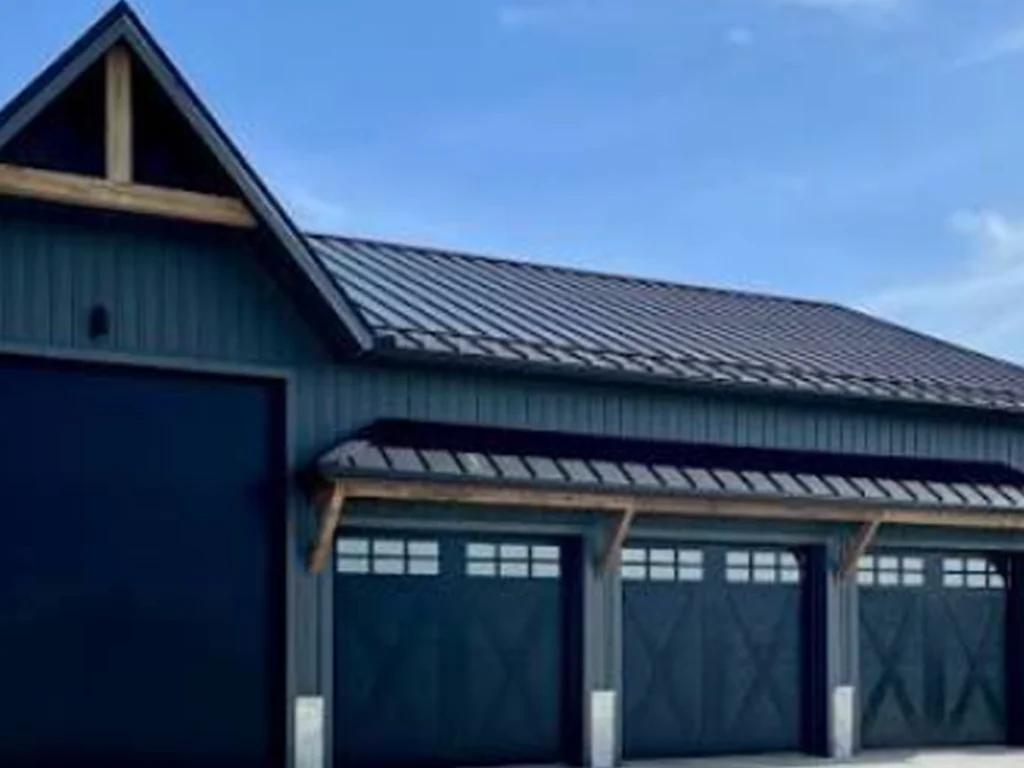
For a business owner, a garage door is rarely just a door. It can control deliveries, protect equipment, support warehouse traffic, separate work areas, and secure valuable property.
When that door stops working, the effect can spread quickly. Employees may have to change their normal route. Deliveries may be delayed. Vehicles may wait outside. Security can also become harder to manage.
AI Overview
Reliable garage doors support business operations by keeping important entry points safe, secure, and usable. Commercial doors are often part of daily delivery, storage, warehouse, service, and access routines. Therefore, reliability depends on more than the door panel itself. Springs, cables, rollers, tracks, hinges, openers, safety devices, controls, and surrounding structures all need appropriate care.
A strong commercial garage door plan combines correct installation, regular maintenance, prompt repair, safety checks, and suitable replacement when a system has reached the end of its useful service. For businesses in Franklin, Tennessee, this approach can help reduce avoidable downtime while supporting employee safety and property security.
Everlast Garage Doors provides commercial garage door installation, repair, and maintenance services. Its commercial service offering includes sectional steel doors, roll up doors, overhead doors, loading bay doors, dock levelers, and automated access systems.
The goal is simple. A business should be able to use its garage door when the operation needs it.
Why Reliable Garage Doors Matter to Business Owners
Business owners often measure reliability by asking one simple question.
Can the operation keep moving when the door is needed?
That question matters because commercial garage doors can serve several functions at once. They may provide physical security while also serving as a daily traffic point for employees, vehicles, inventory, and deliveries.
Consider these important benefits:
A reliable door helps employees use the planned entry and exit points without unnecessary delays.
A maintained door can help protect the building and its contents when the facility is closed.
For a warehouse, a garage door may open many times during a normal workday. For a service company, it may provide access for work vehicles.
Therefore, the correct door depends on how the business actually operates.
Residential and commercial properties throughout Franklin, Brentwood, and the greater Nashville area. Its commercial services include installation, repair, and maintenance.
How Garage Door Reliability Supports Business Continuity
Business continuity is often discussed in terms of major events. However, smaller failures can also interrupt normal operations.
A garage door that will not open can create an immediate access problem. A door that will not close can create a security concern. A damaged spring can prevent normal operation. A door that moves unevenly may signal a mechanical problem that should not be ignored.
That is why preventive care matters.
A practical business continuity plan should include:
Knowing which doors are critical to daily operations.
Having a clear process for reporting door problems before they become major failures.
The objective is not to predict every possible failure. Instead, the objective is to reduce avoidable surprises.
For example, a distribution business may depend on a loading area during specific delivery windows. If that door fails during a busy period, employees may not have a simple alternative.
In contrast, regular inspection can identify worn parts before the failure becomes an operational emergency.
Reliable Doors Help Keep Business Access Moving
Access is one of the most visible ways garage doors affect business operations.
Employees need predictable entry. Delivery drivers need clear access. Service vehicles may need to enter and leave several times a day.
A slow, damaged, or unreliable door can turn a simple task into a delay.
Look at the daily workflow:
Employees arrive and need safe access to the work area.
Vehicles and deliveries move through the building according to scheduled activities.
When the door works correctly, these movements can happen with fewer interruptions.
However, when a door becomes difficult to operate, employees may start using workarounds. Those workarounds can create new problems.
A door should therefore be treated as part of the facility’s workflow.
This is especially important for businesses that depend on frequent vehicle movement. In those settings, the door’s size, operating speed, cycle demands, safety equipment, and maintenance needs should match actual use.
Commercial Garage Doors Can Support Better Security
A garage door can form an important physical barrier between a business and the outside world.
When closed and properly maintained, it can help control access to storage areas, equipment rooms, service bays, and other restricted spaces.
However, security is not simply about having a heavy door.
The complete system matters.
A good commercial security approach considers:
The door’s physical condition, locking system, access controls, and surrounding structure.
Who can operate the door and when access should be permitted.
A door that remains stuck open may create an obvious security weakness. Likewise, damaged panels, failed locks, or malfunctioning access equipment deserve attention.
For decision makers, the important question is not whether a door looks strong. The better question is whether the entire entry system supports the property’s security needs.
Workplace Safety Starts With Proper Door Care
Commercial garage doors contain moving components that can create serious hazards when they fail.
Springs can store significant energy. Doors can be heavy. Tracks can move components overhead. Cables and rollers can wear. A door can also move unexpectedly if its counterbalance or control system has a problem.
Provides guidance on warehouse and loading dock hazards, including the importance of keeping work areas clear and managing hazards around loading areas.
Businesses should therefore make door safety part of facility management.
Important practices include:
Keep employees away from damaged doors until the hazard has been assessed.
Do not allow workers to improvise repairs on springs, cables, or other components that require appropriate training and equipment.
Safety should always come before convenience.
Loading Areas Need Special Attention
Loading areas are busy parts of many commercial properties.
Forklifts, trucks, employees, pallets, and inventory may all operate in the same general space. A garage door adds another moving element.
Therefore, a reliable loading door should be considered as part of the larger loading area.
A business should check:
Whether the door opens and closes without creating unusual hazards.
Whether employees have adequate clearance and visibility around the operating area.
Open or damaged dock doors can also create fall risks. warehouse guidance specifically addresses exposed or open loading dock doors and recommends appropriate controls.
For businesses with frequent loading activity, garage door maintenance should therefore be coordinated with broader facility safety practices.
Preventive Maintenance Can Reduce Disruptive Failures
Preventive maintenance is one of the simplest ways to support reliable operation.
It does not mean that a business can prevent every breakdown. Instead, it creates opportunities to identify wear before a component becomes a major problem.
A useful maintenance program can include:
Inspection of springs, cables, rollers, tracks, hinges, panels, seals, and operating equipment.
Testing of controls and safety devices according to the equipment manufacturer’s instructions.
Maintenance should also consider the frequency of use.
A door that operates occasionally may experience different wear patterns from a door that opens repeatedly throughout the day.
Therefore, maintenance should be based on the actual system and operating environment rather than an arbitrary schedule.
Small Garage Door Problems Can Become Expensive Problems
A strange noise is easy to ignore.
So is a slight delay.
However, unusual sounds, uneven movement, vibration, loose hardware, and visible damage can be useful warning signs.
Consider what may happen when a business continues operating a damaged door:
A worn component may place additional stress on related parts.
A small operating issue may become a complete access failure.
That does not mean every noise indicates a major failure. Diagnosis matters.
For example, an unusual sound may come from rollers, hinges, tracks, springs, or another component. A professional inspection can help determine the actual cause.
This is one reason promotes diagnosis and repair rather than simply treating every problem as a full replacement. Its service offering covers common repair needs such as springs, cables, rollers, hinges, tracks, and openers.
Early attention can also make planning easier.
Instead of dealing with an emergency during peak business hours, a manager may be able to schedule work at a more suitable time.
Reliable Garage Doors Can Improve Employee Efficiency
Employees should not have to fight with a garage door.
If a door is slow, difficult to operate, or frequently unavailable, workers may spend time waiting or finding alternate routes.
That lost time may seem small during one event. However, repeated interruptions can become frustrating.
A better system supports predictable movement.
For example:
Warehouse staff can move products through the planned opening.
Service technicians can move vehicles in and out without unnecessary manual work.
This does not mean that every business needs the fastest possible door.
Instead, the door should be appropriate for the workflow.
A commercial door should provide a practical balance between operating needs, safety, security, maintenance, and budget.
That is where professional planning becomes valuable.
Choosing the Right Commercial Garage Door Matters
Not every commercial garage door is designed for the same purpose.
A warehouse may need a strong sectional steel door. A service facility may prefer an overhead configuration. A compact commercial opening may work better with a roll up door.
Before selecting a door, decision makers should consider:
How often the door will operate during a normal day.
What vehicles, equipment, people, and materials will pass through the opening.
Also consider the environment.
A door exposed to weather may have different requirements from a door located inside a warehouse.
Likewise, a temperature controlled space may benefit from a different door configuration than an open service bay.
The best choice is therefore based on the facility’s real needs.
Insulation Can Matter for Certain Business Spaces
Some businesses care about temperature control.
If a commercial garage door separates conditioned space from outdoor air, the door can be part of the building envelope.
In that situation, construction and insulation deserve attention.
However, insulation is not automatically necessary for every commercial garage door.
Consider:
Whether the space is heated or cooled.
How frequently the door opens and how long it remains open.
A business with a temperature controlled warehouse may have different needs from a mechanic shop with an open service bay.
The correct solution should therefore be based on the building and operating conditions.
This is another reason to discuss the door with a qualified professional before selecting a replacement.
Emergency Garage Door Service Protects Business Response
Some garage door failures cannot wait until the next convenient appointment.
A door may become stuck open. A spring may break. A door may come off its track. An opener may stop working.
For a business, emergency service can be especially important when:
The failed door protects a critical entry point.
The opening is needed for vehicles, inventory, or scheduled deliveries.
A good emergency plan should also identify who has authority to request service.
That small detail can save time when an urgent problem occurs.
Commercial Garage Door Installation Should Start With the Workflow
Installation is more than placing a door into an opening.
The installer needs to understand how the business will use the system.
That includes the opening size, traffic pattern, door weight, operating frequency, available space, safety requirements, and access controls.
A strong planning process should answer:
What will pass through the door?
How often will the door operate?
The answers can influence the type of door, opener, hardware, safety equipment, and maintenance approach.
For a decision maker, this planning stage is important because a door that looks suitable on paper may not be ideal for the actual workflow.
Access Controls Can Make Commercial Doors More Useful
Modern commercial facilities may need more control than a simple wall switch.
Automated access systems can help businesses manage who can operate a door.
The exact system depends on the property and its security needs.
Possible considerations include:
Which employees should have access.
Whether access needs to be limited by location, schedule, or authorization.
Access control should be designed with the entire facility in mind.
A garage door may be only one component of a broader security plan.
The goal should be practical control rather than unnecessary complexity.
Safety Devices Should Never Be Ignored
Safety equipment deserves regular attention.
Automatic residential garage door operators are subject to federal consumer product safety requirements, including the federal standard for automatic residential garage door operators.
Although commercial systems can differ from residential systems, the broader lesson remains useful.
Safety functions should be tested and maintained according to the equipment requirements.
Business owners should:
Keep safety devices in working condition.
Ask a qualified professional to evaluate safety equipment when the door behaves unexpectedly..
Do not bypass a safety feature simply because it slows down an operation.
A short term convenience is not worth creating a larger hazard.
A Practical Commercial Garage Door Inspection Plan
A basic inspection plan can help managers notice changes.
The exact inspection process should follow the door manufacturer’s instructions and the property’s safety procedures.
Managers can begin with:
Look for visible panel damage, bent tracks, loose hardware, worn seals, or unusual gaps.
Observe whether the door opens and closes smoothly without unusual noise or movement.
Then document problems.
A simple record can include the date, door location, observed issue, service performed, and follow up action.
This information can help identify recurring problems.
For example, if the same door repeatedly requires track adjustments, the business may need a deeper evaluation rather than another quick adjustment.
Documentation also helps managers plan future replacement.
How Case Examples Can Guide Business Decisions
Real service situations can help explain why reliability matters.
One published testimonial describes a commercial overhead door project in Nashville that included an access control upgrade and attention to safe operation.
Another published customer statement describes a Franklin property where a storm damaged a garage door and the company reports that the repair was completed within twenty four hours. This is a company published testimonial, not an independently verified case study.
These examples illustrate a broader business point.
Commercial door service can involve more than replacing a damaged panel.
It can include:
Understanding the operating problem.
Matching the repair or upgrade to the property’s access and security needs.
That distinction matters because the cheapest immediate repair is not always the best long term operational choice.
When Repair Makes More Sense Than Replacement
Replacement is not automatically the answer when something fails.
A professional should evaluate the door’s overall condition.
Repair may make sense when:
The main door structure remains sound.
The failure is limited to a replaceable or serviceable component.
Replacement may deserve consideration when the door has extensive damage, repeated failures, poor performance, or no longer fits the business’s operating needs.
The decision should consider more than the immediate price.
Think about downtime, future maintenance, energy needs, security, availability of parts, and expected use.
Both commercial repair and replacement services, allowing business owners to evaluate different options.
A professional assessment can help determine which path is appropriate.
Why Franklin Businesses Benefit From Local Garage Door Support
Local service can be useful when a business needs prompt attention.
Franklin businesses operate in a range of settings, from commercial buildings and service facilities to warehouses and mixed use properties.
Each location can have different door requirements.
The company also states that its commercial work covers installation, repair, and maintenance.
For local decision makers, useful questions include:
Does the service provider understand commercial door systems?
Can the provider support both planned maintenance and urgent repair needs?
Local availability can be especially useful when a failed door affects business access.
A Smart Business Plan for Garage Door Reliability
A strong plan does not need to be complicated.
Start by identifying every commercial garage door on the property.
Then determine how important each door is to the operation.
A practical plan can include:
Assign a priority level to each door based on business impact.
Create a maintenance and inspection record for each system.
Next, identify common warning signs.
Employees should know whom to contact when they notice unusual noise, slow operation, damaged components, or a door that does not close correctly.
Finally, establish a repair process.
That process can help prevent confusion during an emergency.
The result is a more organized approach to facility maintenance.
Common Mistakes That Put Business Operations at Risk
Some garage door problems begin with simple decisions.
Ignoring a strange noise is one example.
Another is allowing employees to perform repairs that require specialized knowledge.
Other common mistakes include:
Waiting until the door completely fails before arranging service.
Continuing to use a visibly damaged door because the business needs access.
OSHA’s published material demonstrates why damaged overhead and loading dock doors deserve careful attention.
Businesses should also avoid assuming that every door problem is the same.
A broken spring, damaged track, failed opener, worn roller, and structural issue require different responses.
Proper diagnosis comes first.
Reliable Garage Doors Support Better Long Term Planning
Facility managers need predictable costs.
Emergency failures make that harder.
Preventive maintenance does not eliminate unexpected expenses. However, it can help businesses identify wear and plan work before a small problem becomes an operational crisis.
For example:
A manager may schedule planned component replacement during a quieter period.
A business may budget for eventual door replacement rather than waiting for a complete failure.
This approach can make facility planning more controlled.
It also creates an opportunity to upgrade the system when replacement becomes necessary.
A new commercial door may provide a chance to improve security, workflow, access control, insulation, or operating performance.
Why Expertise Matters With Commercial Garage Doors
Commercial garage doors can be large, heavy, complex systems.
Their springs, cables, tracks, openers, and controls work together.
That means diagnosis should consider the entire system.
Technicians handle everything from minor repairs to full commercial installations and that its service range includes springs, cables, rollers, hinges, tracks, panels, and openers.
For business owners, expertise can provide value in several ways:
The technician can identify the likely source of a problem rather than only addressing the visible symptom.
The business can receive recommendations based on the actual condition and use of the door.
That is particularly important when safety and business access are involved.
Frequently Asked Questions About Commercial Garage Doors
How often should a commercial garage door be serviced?
Service frequency depends on the door type, operating cycles, environment, manufacturer requirements, and business use. A heavily used commercial door may need more attention than a door that opens only occasionally. Businesses should follow the manufacturer’s maintenance guidance and arrange professional evaluation when unusual noise, vibration, slow movement, visible damage, or safety concerns appear.
What are the signs that a commercial garage door needs repair?
Common warning signs include unusual noise, uneven movement, slow operation, damaged panels, loose hardware, broken springs, cable problems, track damage, and a door that does not open or close correctly. A door that suddenly behaves differently should receive attention. Continuing to operate a visibly damaged system can create additional risks and may increase the eventual repair scope.
Why are commercial garage doors important for business security?
Commercial garage doors can protect storage areas, service bays, equipment, inventory, and other restricted spaces. When properly maintained and integrated with suitable access controls, they can help limit unwanted entry. However, a garage door is only one part of physical security. Locks, access systems, lighting, surrounding doors, employee procedures, and facility design also influence overall security.
Should a business repair or replace a damaged garage door?
The correct choice depends on the condition of the door and the cause of the failure. A localized problem may be repairable, while repeated failures, extensive structural damage, outdated equipment, or changing business needs may support replacement. A professional evaluation can help compare repair costs, expected future performance, downtime, and the benefits of a new system.
Can a garage door failure affect normal business operations?
Yes. A failed commercial garage door can affect vehicle access, deliveries, employee movement, storage access, security, and scheduled work. The effect depends on how important that opening is to the facility. Businesses can reduce disruption by maintaining critical doors, watching for warning signs, documenting repairs, and having a clear process for urgent service when a critical door fails.
Conclusion: Reliable Garage Doors Keep Business Moving
A commercial garage door may look like a simple part of a building.
In reality, it can support several important business functions.
It can control access. It can protect property.
That is why reliable garage doors support business operations in a very practical way.
The best strategy starts with the right door for the job. Next, the system should be installed correctly and maintained according to its use. Then, warning signs should be addressed before they become major failures.
For loading areas, businesses should also consider the wider workplace environment. identifies loading docks as areas with important safety hazards and recommends practices that help control those risks.
For automatic systems, safety devices should be maintained rather than bypassed. The Consumer Product Safety Commission provides consumer safety information about automatic residential garage door operators and reversing systems.
For Franklin businesses, having a local commercial garage door provider can also make planned maintenance and urgent service easier to manage.
Commercial garage door installation, repair, maintenance, replacement, and emergency services in Franklin and surrounding Middle Tennessee communities. Its commercial offerings include sectional steel doors, roll up doors, overhead doors, loading bay doors, dock levelers, and automated access systems.
If your business depends on a garage door every day, reliability should not be an afterthought.
It should be part of your facility plan.
When your business needs dependable garage door installation, maintenance, repair, replacement, or emergency support, And can help evaluate the system and determine an appropriate solution.
At Everlast Garage Doors, we provide complete Garage Door Services for both residential and commercial properties. Our team handles Garage Door Installation, Repair, Maintenance, Custom Designs , and full Door Replacements to ensure long-lasting performance and reliability. We also offer Emergency Garage Door Service to quickly resolve urgent issues and keep your property secure and fully operational. you can count on quality, durability, and trusted service every step of the way.
Contact at 615-808-8806 visit 1107 Battlewood St #222, Franklin, TN 37069