
Here is a useful fact that many homeowners miss. The United States Department of Energy identifies visible daylight around a closed exterior door as a common sign of air leakage. Therefore, seeing light around your closed garage door can reveal a weatherproofing problem before you notice a strong draft or water intrusion.
AI Overview
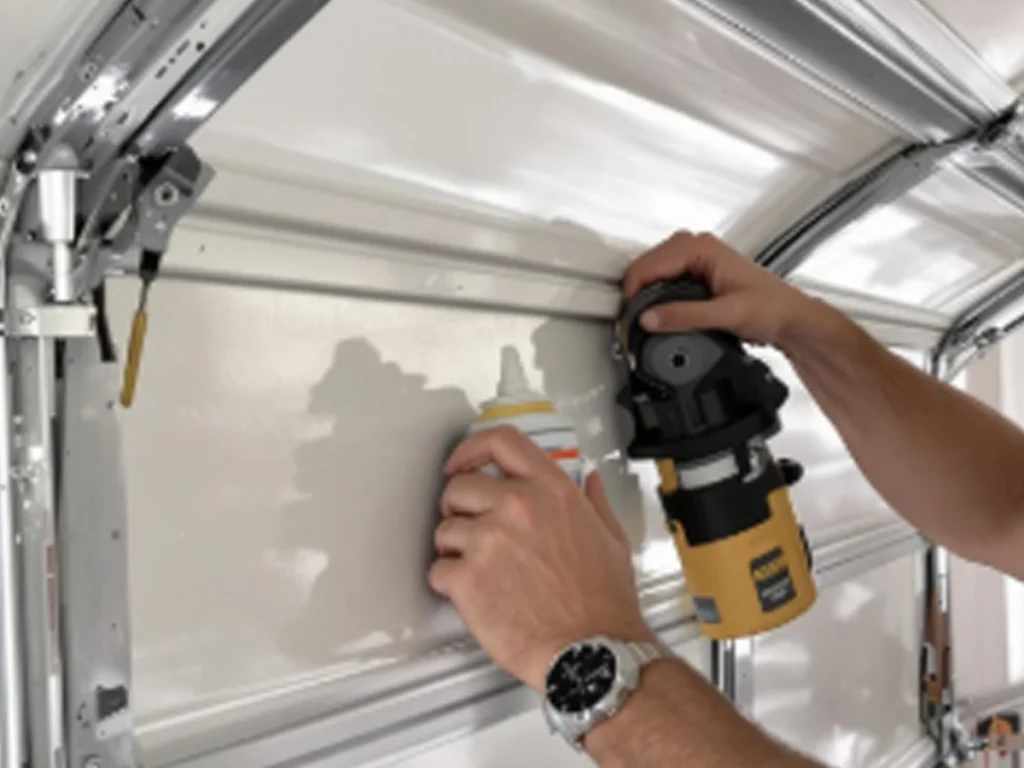
Garage door weatherproofing maintenance focuses on the seals, surfaces, gaps, and surrounding areas that help protect a garage from outside air, moisture, dirt, and pests. Important areas include the bottom seal, side seals, top weather stripping, panel joints, framing, and garage floor.
First, homeowners should inspect the closed door for daylight. Next, they should look for cracked rubber, brittle vinyl, loose weather stripping, water marks, dirt trails, and uneven gaps. However, weatherproofing should never interfere with safe door movement.
Insulation and weather sealing also perform different jobs. Insulation slows heat transfer through the door. Weather stripping reduces unwanted air movement through gaps. Therefore, an insulated door can still perform poorly when its seals are worn.
Two simple rules can guide maintenance:
- Inspect the full perimeter instead of looking only at the bottom seal.
- Fix the cause of unusual gaps before simply covering them with more material.
Why Garage Door Weatherproofing Maintenance Matters
Weatherproofing is easy to ignore because the garage door may still open normally.
However, a moving door can operate while its seals are already cracked or compressed. As a result, air, dust, insects, and moisture may enter through small gaps.
Therefore, weatherproofing maintenance supports both comfort and property care.
Homeowners should remember:
- A working garage door can still have weak weather seals.
- Small perimeter gaps can become easier to notice during wind or heavy rain.
Regular inspection gives you time to address those gaps before they become larger problems.
Check for Daylight Before Looking for Complex Problems
One of the easiest weatherproofing checks requires no special tool.
Close the garage door during daylight. Then stand inside the garage and look around the edges.
Small amounts of visible light may point toward a worn seal or an uneven contact point. However, the reason for the gap should be identified before making adjustments.
The Department of Energy uses visible daylight as one indicator of air leakage around exterior doors. Its weatherization guidance also says weather stripping should reduce air infiltration without interfering with normal door operation.
During this check:
- Look along the bottom, both sides, and the top of the closed door.
- Note whether gaps appear evenly or only in one specific area.
An uneven gap can sometimes point toward alignment or floor issues rather than seal wear alone.
Inspect the Bottom Seal for Powerful Early Clues
The bottom seal has a demanding job.
It touches or compresses against the garage floor each time the door closes. Therefore, dirt, friction, sunlight, moisture, and age can gradually change its shape.
Look closely at the full bottom edge.
Check for:
- Cracks, tears, flattened areas, stiffness, or missing sections.
- Daylight or water marks beneath the closed garage door.
A good seal should make suitable contact while still allowing the door to move normally.
Side Weather Stripping Deserves Equal Attention
The bottom seal often receives most of the attention. However, the vertical sides can also allow drafts and rain to enter.
Side weather stripping usually creates contact between the door face and the surrounding frame. Therefore, it needs enough flexibility to maintain contact as the door closes.
During your inspection:
- Look for sections that have pulled away from the frame.
- Check for hardened, cracked, curled, or missing material.
Do not simply push the seal tightly against the door if that creates friction.
The door still needs room to operate smoothly.
Top Seals Can Hide Costly Weather Gaps
The top edge is easy to overlook because homeowners rarely stand where they can inspect it closely.
However, wind can drive outside air through gaps at the top of the opening. Rain can also reach poorly protected areas under certain conditions.
Therefore, top weather stripping deserves the same attention as the sides.
When the door is closed:
- Look for visible light along the top edge from inside the garage.
- Check whether the weather strip maintains consistent contact across the opening.
If the gap changes greatly from one side to the other, the issue may involve door position or framing.
Understand Why Weather Sealing and Insulation Differ
Weatherproofing and insulation often appear together in garage door discussions. However, they are not the same thing.
Weather stripping helps control air movement through gaps. Insulation reduces heat transfer through the door material itself.
Therefore, adding insulation while ignoring open gaps may leave an obvious weakness.
The Department of Energy describes weather stripping as a method used to seal air leaks around movable building components.
For better planning:
- Address visible air gaps before assuming more insulation solves everything.
- Consider insulation when garage use and home design make thermal control important.
Both can contribute to a more protected garage, but they solve different problems.
Watch for Water Before It Damages Stored Items
Water near a garage door deserves attention.
A small amount after heavy rain may reveal a worn seal, an uneven floor, poor drainage, or wind driven water.
Therefore, replacing a seal without understanding the source can miss the larger issue.
After rainfall:
- Look for wet lines, small puddles, or dirt trails near the door.
- Notice whether moisture appears across the full width or in one location.
Water entering one corner may require a different solution from a uniformly worn bottom seal.
Keep the Garage Floor and Seal Contact Area Clean
Dirt can affect more than appearance.
Sand, leaves, small stones, and other debris can collect where the bottom seal meets the floor. Therefore, the door may close against debris rather than the intended surface.
Cleaning this area also makes inspection easier.
As part of routine care:
- Sweep debris from the garage threshold and door path.
- Clean dirty weather seals gently according to manufacturer guidance.
Avoid harsh products unless the door or seal manufacturer approves them.
Simple cleaning can reveal cracks that dirt had hidden.
Know When a Seal Has Reached the End of Its Useful Life
Garage door seals do not last forever.
Heat, sunlight, cold, repeated movement, friction, and moisture can gradually affect rubber or vinyl.
Therefore, replacement should depend on condition rather than appearance alone.
Replace or evaluate a seal when:
- It stays flat instead of returning to its normal shape.
- It has obvious tears, hard areas, cracks, or large gaps.
Condition is more important than an arbitrary calendar date.
Franklin Weather Can Put Seals Under Regular Stress
Franklin homeowners experience changing weather through the year. Everlast Garage Doors – Franklin currently notes on its website that heat, rain, cold conditions, wind, and humidity can affect garage door components and seals over time.
That statement comes from Everlast’s own published guidance. Therefore, it should be understood as company advice rather than independent climate research.
Seasonal changes make regular visual checks useful.
For Franklin properties:
- Inspect seals after periods of severe weather or noticeable temperature change.
- Pay closer attention to doors that receive strong sun or regular wind driven rain.
The best maintenance schedule should reflect the actual exposure of your garage door.
Wood Garage Doors Need Extra Weatherproofing Care
Natural wood requires different maintenance from many steel or aluminum doors.
Moisture, temperature, and sunlight can affect both appearance and the integrity of wood surfaces.
For wood doors:
- Look for fading, peeling, cracking, thin finish, or signs of moisture.
- Pay special attention to the bottom section, where water exposure can become a concern.
Proper finish care forms part of weatherproofing, not just cosmetic maintenance.
Inspect the Bottom of a Wood Door Carefully
The bottom section of a wood garage door deserves special attention.
Therefore, a worn bottom seal and weak finish can create two related concerns.
During inspection:
- Look for changes in finish near the bottom edge.
- Check for swelling, softness, peeling, or other visible deterioration.
Do not assume every mark means structural damage.
However, unusual changes should be evaluated before they spread.
Keeping the lower area clean and properly protected can support longer service from the door.
A Smart Weatherproofing Plan Includes the Door Frame
Weatherproofing does not stop at the door panel.
The surrounding frame and trim also influence how well perimeter seals contact the closed door.
If trim has moved or deteriorated, simply adding thicker weather stripping may not solve the issue.
Therefore, check the full opening.
Look for:
- Loose or damaged areas around the side and top weather stripping.
- Gaps between surrounding trim and the building surface.
That principle is useful here.
A seal performs best when the surface supporting it is stable.
Avoid Making the Weather Seal Too Tight
More pressure does not always mean better protection.
A weather strip should make suitable contact with the closed garage door. However, excessive pressure can create friction as the door moves.
Therefore:
- Do not position new perimeter material so tightly that it drags heavily.
- Test the garage door after weather stripping work is complete.
Watch and listen as the door moves.
If new resistance, scraping, or unusual movement appears, correct the issue before regular use.
Weatherproofing should support door performance, not fight against it.
Know When Weatherproofing Becomes a Door Repair Issue
Sometimes the seal is not the real problem.
For example, a door that sits unevenly may create a large gap even when the bottom seal is still in good condition.
Likewise, track, roller, cable, or balance problems can affect how the door meets the floor and frame.
Therefore, repeated seal failure deserves a broader inspection.
Consider professional service when:
- The door looks crooked or closes unevenly.
- New weather stripping quickly develops the same unusual gap.
Do not adjust springs, cables, or other loaded components as part of weatherproofing.
Seasonal Garage Door Maintenance Creates a Better Routine
Weatherproofing works best when it becomes part of normal garage door maintenance.
You do not need to wait until water enters the garage.
Instead, look for gradual changes in seal shape, sound, movement, and visible gaps.
A simple routine includes:
- Inspect the perimeter and bottom seal during seasonal home maintenance.
- Recheck the door after severe weather or noticeable changes in operation.
Regular observation makes new problems easier to spot because you know what normal operation looks like.
Weatherproofing Can Help Keep Dirt and Pests Outside
A closed garage door should create a useful barrier between the garage and outdoors.
However, worn seals can leave openings large enough for dust, leaves, insects, and other unwanted material.
Therefore, unexplained dirt around the closed door may provide a useful clue.
Check for:
- Small debris collecting directly inside one section of the opening.
- Visible gaps that could allow insects or outside material through.
Weather stripping cannot guarantee a pest free garage.
However, reducing obvious openings can remove easy entry points while improving the overall seal.
An Illustrative Franklin Maintenance Example
Consider a Franklin homeowner who notices leaves collecting inside one corner of the garage after windy weather.
This example is illustrative. It is not presented as a real Garage Doors – Franklin customer case.
The homeowner first assumes the bottom seal needs complete replacement. However, inspection shows that most of the seal still makes good contact.
The larger gap appears only near one edge.
A proper service evaluation would look beyond the rubber itself.
The important lessons are:
- The location and shape of a gap can provide useful diagnostic clues.
- Replacing parts without identifying the cause can waste time and money.
In our editorial view, good maintenance should always begin with diagnosis before replacement.
That approach produces more useful long term decisions.
Professional Inspection Adds Value When Problems Repeat
Homeowners can perform many basic visual checks safely.
However, recurring gaps, uneven closure, unusual movement, or repeated seal damage may point toward a larger garage door issue.
At that stage, professional inspection becomes valuable.
Professional evaluation can help:
- Separate normal weather seal wear from door alignment problems.
- Identify whether another component is preventing proper closure.
A weatherproofing problem should not be treated in isolation when the door itself is showing signs of mechanical trouble.
Use these sources to:
- Compare general weatherproofing principles before buying materials.
- Confirm maintenance recommendations against the instructions for your exact garage door.
The manufacturer manual should remain an important source for product specific care.
Why Everlast Garage Doors – Franklin Fits the Maintenance Conversation
That makes weatherproofing a natural part of a broader inspection rather than an isolated cosmetic task.
For homeowners and property decision makers, a useful maintenance visit should consider how the full door closes and operates.
Important goals include:
- Identifying worn seals before they create larger visible gaps.
- Checking whether mechanical conditions are contributing to poor sealing.
Industry leadership is demonstrated through useful diagnosis, clear explanations, and appropriate service recommendations.
Weatherproofing maintenance should follow that same standard.
If your garage door shows worn seals, daylight, water entry, unusual gaps, or uneven closure, a professional inspection can help identify the cause.
At Everlast Garage Doors, we provide complete Garage Door Services for both residential and commercial properties. Our team handles Garage Door Installation, Repair, Maintenance, Custom Designs , and full Door Replacements to ensure long-lasting performance and reliability. We also offer Emergency Garage Door Service to quickly resolve urgent issues and keep your property secure and fully operational. you can count on quality, durability, and trusted service every step of the way.
Contact information:
- Phone: 615-808-8806
- Location: 1107 Battlewood St #222, Franklin, TN 37069
Good garage door weatherproofing maintenance is not about adding the thickest possible seal.
Instead, it is about creating proper contact while protecting smooth door operation.
A careful inspection can reveal where air, moisture, dirt, and pests may enter.
More importantly, it can reveal when the apparent weatherproofing problem actually begins somewhere else in the garage door system.
The Essential Garage Door Weatherproofing Maintenance Checklist
A simple checklist can help homeowners remember what deserves attention.
Start with the door fully closed and inspect from inside the garage. Then review the outside only when the area is safe.
Look for changes rather than waiting for complete seal failure.
Your maintenance routine should include:
- Check the bottom, sides, and top for daylight, cracks, worn material, or poor contact.
- Look for water marks, unusual dirt, loose trim, and changes in how the door closes.
Next, clean accessible seal surfaces according to manufacturer guidance.
Finally, operate the door and confirm that weather stripping does not create new resistance.
If the door becomes crooked, unusually heavy, noisy, or unstable, move beyond weatherproofing and request professional garage door service.
Final Thoughts on Smart Garage Door Weatherproofing Maintenance
Weatherproofing is a small part of a garage door, yet it affects how well the opening separates indoor space from outdoor conditions.
Therefore, seals deserve regular attention.
The bottom seal should contact the floor properly. Side and top weather stripping should remain flexible and secure. Wood doors need suitable finish care. Meanwhile, the door itself must remain correctly positioned for every seal to work.
The most important conclusions are:
- Inspect first and replace parts only after identifying the likely source of the gap.
- Treat recurring seal problems as possible signs of a larger door condition.
Garage door weatherproofing maintenance can help keep a garage cleaner, drier, and better protected.
However, no seal should interfere with safe movement.
When weatherproofing and mechanical performance are considered together, homeowners can make better decisions and avoid temporary fixes that fail to address the real issue.
Frequently Asked Questions About Garage Door Weatherproofing
How do I know if my garage door weather stripping needs replacement?
Common warning signs include visible daylight, drafts, cracks, tears, stiff material, and areas that no longer contact the closed door.
How often should garage door weather stripping be replaced?
There is no single replacement date that applies to every garage. notes that five to ten years may be a preventive replacement range, while actual life depends on material and exposure. Strong sunlight, repeated movement, moisture, and temperature changes can all affect condition. Inspection is therefore more useful than relying only on age.
Can weather stripping help keep water out of my garage?
Proper weather stripping can help reduce rain and moisture entering through gaps around a closed garage door. However, seals cannot correct every water problem. Poor drainage, an uneven slab, or water flowing toward the garage may require a different solution. First identify where the water enters before deciding what needs repair
Does an insulated garage door still need weather stripping?
Yes. Insulation and weather stripping perform different functions. Insulation helps slow heat transfer through the door, while weather stripping reduces air movement around gaps. Therefore, even an insulated garage door can allow drafts when the perimeter or bottom seals are damaged. Both parts should be considered when reviewing garage comfort and protection.
Can I replace garage door weather stripping myself?
Some accessible weather stripping can be replaced by homeowners who follow the exact product instructions and understand the door system. However, stop if the issue involves door alignment, springs, cables, tracks, or unstable movement. Those conditions go beyond simple weatherproofing and may require a trained garage door technician for safe evaluation