A Clear Franklin Guide to the Best Opener
Here is a surprising fact: automatic residential garage door openers made for United States sale since January 1, 1993, have needed added entrapment protection. Therefore, the chain drive vs belt drive garage door openers debate should begin with safety, not sound or price. A drive moves the trolley, yet the complete opener must also match the door and reverse when needed.
AI Overview
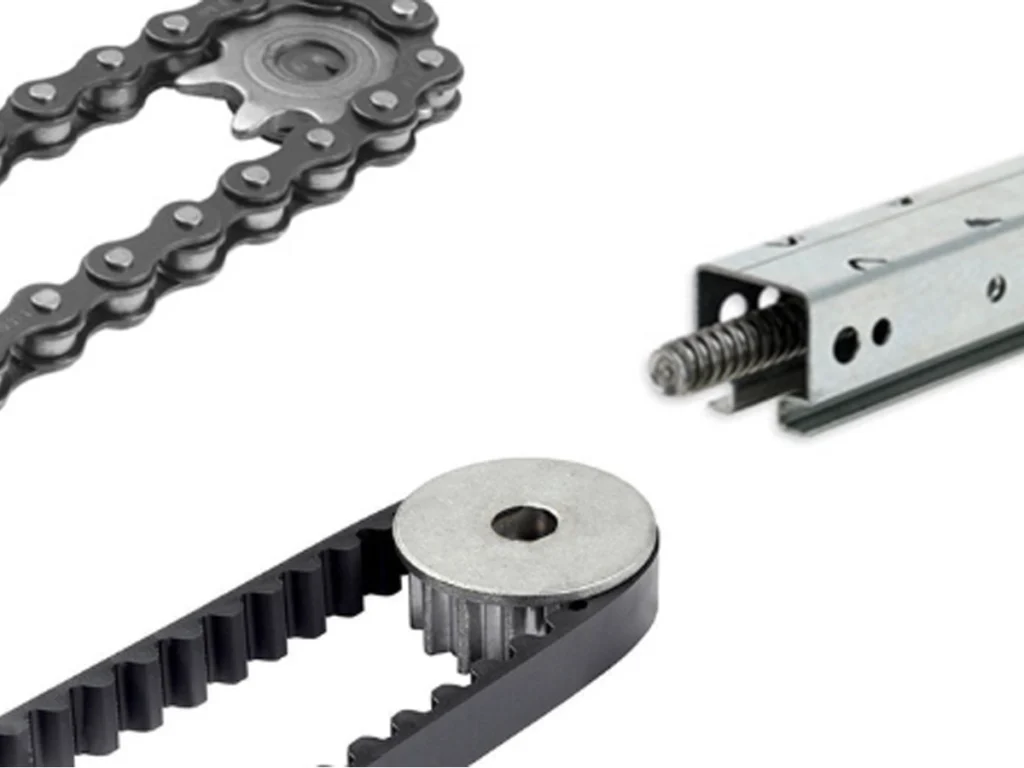
For most Franklin homes with an attached garage, a belt drive opener is usually the better comfort choice. It uses a reinforced belt, so it normally sends less sound and shaking into nearby rooms. However, a chain drive opener is often the better value for a detached garage, a firm budget, or demanding use.
Modern versions of both types can include DC motors, smooth start control, safety sensors, battery backup, lighting, and smartphone access.
- Choose belt drive when quiet travel and nearby living space matter most.
- Choose chain drive when proven value and budget matter most.
- In either case, match the opener rating to a balanced door.
The best answer changes with the property. Therefore, this guide compares noise, strength, care, cost, daily use, and safety. It also explains how Everlast Garage Doors – Franklin can help owners choose useful features without paying for extras they do not need.
How Chain Drive Openers Deliver Proven Strength
A chain drive opener uses a metal chain to move a trolley along an overhead rail. The trolley connects to the door through an arm. Therefore, when the motor turns the drive, the trolley guides the door open or closed.
This familiar design remains common because it is direct, durable, and widely supported.
Chain models are often the lower priced choice within a similar product range. In addition, makers offer powerful chain units for heavy or frequent use.
As a result, chain drive can make sense when the garage is detached. It can also suit owners who want sound performance at a lower first cost.
However, metal movement creates more sound than a reinforced belt. The chain may also send shaking through the rail and ceiling supports.
Consequently, nearby rooms may hear more rattling or humming. A modern DC motor and smooth start control can reduce that effect. Still, the chain will not behave exactly like a belt.
- Strong value makes chain drive attractive for projects with firm budgets.
- Common construction can make future service clear for trained technicians.
- More sound makes chain drive less appealing near bedrooms or offices.
In our professional opinion, chain drive is not outdated. Instead, it remains useful when the layout and budget support it.
The mistake is choosing it only because metal sounds stronger. The model, rail, motor, setup, and door balance still shape real performance.
Why Belt Drive Openers Bring Remarkable Quiet
A belt drive opener replaces the metal chain with a reinforced belt. Depending on the maker, the belt can include rubber like material with steel, fiberglass, or another strong support.
Therefore, the trolley moves with less metal contact and usually less shaking.
That smoother action is valuable in an attached garage. For example, an early departure should not wake someone sleeping above the garage.
Likewise, a home office beside the garage gains from less rumble. Current maker guides commonly recommend belt drive where quiet use matters most.
Belt units often cost more than similar chain units. However, the added cost can buy daily comfort rather than extra lifting force.
When the door moves several times each day, that comfort may be easy to notice. Therefore, the price difference can feel worthwhile over years of use.
- Quiet movement helps protect sleep, work calls, and calm living areas.
- Lower shaking can reduce the harsh feel noticed during each cycle.
- A higher first cost may be justified near occupied rooms.
Still, a belt drive is not automatically the best model for every door. Products differ in lifting force, rails, warranties, and included features.
Therefore, confirm door size, travel height, condition, and model limits before choosing.
Chain Drive vs Belt Drive Garage Door Openers Noise Test
Noise is the clearest difference, but the drive is only one source. The motor, rail, rollers, hinges, ceiling mounts, and door balance also affect what a household hears.
Therefore, replacing a chain with a belt may not cure noise caused by worn rollers or loose parts. Chamberlain also advises checking the door and opener when tracing unwanted sound.
A current chain unit with a DC motor can be smoother than an older chain opener. LiftMaster now offers DC chain models with smooth start and stop use.
Meanwhile, many belt models combine a quieter drive with a DC motor. This mix can create an even calmer result.
Therefore, compare systems from the same product class. Do not compare a new belt model with a chain unit installed many years ago.
Before replacing anything, listen through a full cycle. A rattle near the motor may point to the drive or its mount.
However, squealing near the door may come from rollers or hinges. Also, jerky travel may signal poor balance or binding.
- Pick belt drive first when a bedroom, nursery, or office sits near the garage.
- Consider modern chain drive when the garage is detached from quiet rooms.
- Request a full inspection when noise comes from several places.
A quiet opener cannot make a damaged door healthy. Therefore, Everlast Garage Doors – Franklin should assess both the opener and the moving door before recommending replacement.
Honest Cost and Value: What Saves More?
Chain drive openers usually have the lower purchase price. Therefore, they can suit detached garages, workshops, rental properties, or projects with fixed budgets.
Belt drive units usually cost more because quiet and smooth travel are major product benefits.
However, the cheapest opener is not always the lowest cost choice. A homeowner who installs a loud unit below a bedroom may regret the savings.
By contrast, a detached garage owner may gain little from paying more for very quiet travel. Real value comes from matching the spending to the problem.
Installation quality also affects value. Weak mounting can increase shaking. Poor settings can harm door travel. Also, an unbalanced door can strain the opener.
Therefore, a proper door check may protect the new unit better than buying the most costly drive.
- Chain drive often wins on first cost among similar models.
- Belt drive often wins on comfort value near sleep or work rooms.
- Either type loses value when the door is unbalanced or poorly installed.
Decision makers should compare the complete quote. Therefore, ask which model is proposed and which controls are included.
Also, ask whether battery backup is present. Check the warranty terms and confirm whether the door needs other work.
This approach helps prevent a low starting price from hiding missing parts, controls, or needed repairs.
Essential Strength and Door Weight Facts
Many buyers assume a metal chain always lifts more than a reinforced belt. However, that rule is too simple for current products.
LiftMaster describes chain models as powerful for heavy, frequent use. Yet it also describes modern belt systems as very strong.
The springs should help balance the door. When the opener is off the door, a healthy door should move freely. It should also remain supported when partly open.
Therefore, the opener should guide a balanced system rather than fight the door’s full weight.
Door size and construction still matter. A wide, insulated, wood, or custom door may need greater lifting force.
Also, frequent use can change the right model. Therefore, a technician should identify both the door and its expected daily demand.
- Do not select an opener from horsepower wording alone.
- Do not use a stronger motor to hide weak springs or binding tracks.
- Compare rail length, door type, lifting force, and daily use.
For many standard home doors, both drive types may offer a suitable model. Therefore, noise, features, warranty, and budget become the main factors after capacity is confirmed.
Simple Care Needs That Prevent Costly Trouble
Both drive types need routine care, although the exact tasks differ by model. Chain systems may need checks for correct tension, wear, and approved grease.
Belt systems avoid metal chain grease. Yet they still need correct tension, sound pulleys, a clean rail, and a healthy door.
Therefore, always follow the manual for the installed model.
More importantly, the complete door needs care. Chamberlain recommends monthly balance and safety reversal tests. Its care schedule also includes planned lubrication for door parts.
Therefore, owners should use their exact manual rather than trust a broad online tip.
CPSC advises testing contact reversal with a 2×4 laid flat in the door path. Also, blocking the safety eye beam should prevent normal closing.
If either test fails, stop automatic use and arrange trained service.
- Test door balance and safety reversal each month.
- Keep the safety eye path clear and never bypass the safety system.
- Leave spring, cable, bracket, and high tension work to a trained technician.
These sources are safer than guessing about a large moving door.
Real Franklin Scenarios and the Best Choice
The following examples are illustrative cases. They show how a trained check may work. However, they do not describe named customers or claim specific past jobs.
Illustrative Case One: The Bedroom Above the Garage
A family leaves early while another person sleeps above the garage. The current opener works, yet every cycle sends a sharp rattle into the room.
The door is balanced, and the rollers remain sound. Therefore, a belt drive model with a DC motor becomes the leading choice. In this case, noise is the main problem.
- Main need: less sound and shaking near a sleeping area.
- Better fit: belt drive with smooth start and stop control.
- Extra check: mounting, rollers, rail support, and balance.
Illustrative Case Two: The Detached Workshop
An owner uses a detached garage for tools, storage, and weekend work. Nobody sleeps near it.
Also, the owner wants sound access without paying for comfort features that add little value. Therefore, a properly rated chain drive can be the smarter purchase.
- Main need: proven performance at a practical price.
- Better fit: chain drive with the right safety package.
- Extra check: lighting, remote range, manual release, and backup power.
Illustrative Case Three: The Heavy Custom Door
A decision maker has a wide, insulated door and assumes chain drive is required. However, the technician first checks balance, spring condition, size, track movement, and available model ratings.
A chain model may win. Yet a strong belt model may also qualify.
Therefore, measured needs should decide the purchase.
- Main need: correct lifting force and sound daily use.
- Better fit: the approved model that matches the door.
- Extra check: springs, rail length, headroom, controls, and warranty.
These examples reveal a useful order. First, identify the true pain point. Next, confirm the door’s mechanical health.
Then, choose the drive and feature package. This order helps prevent a premium purchase from hiding the real fault.
An Expert Decision Scorecard for Confident Buyers
Use this scorecard before requesting an estimate. Each answer moves the choice toward a chain drive or belt drive model.
Choose belt drive when:
- The garage is attached to the home.
- A bedroom, office, or living room is close.
- Quiet travel matters more than the lowest first cost.
- The door runs early, late, or many times daily.
- The chosen belt model is rated for the door.
Choose chain drive when:
- The garage is detached or far from quiet rooms.
- The project has a firm budget.
- Proven metal drive construction is preferred.
- A chain model clearly matches demanding use.
- Some running sound will not disturb anyone.
Compare both when:
- The garage is attached, but no quiet room sits nearby.
- Either drive offers enough capacity for the door.
- Smart control, lighting, backup power, or warranty matters most.
- A DC chain model may be quiet enough.
- The price difference could fund needed door repairs.
The LiftMaster garage door opener buyer guide separates belt, chain, and wall mount choices by common needs.
Safety Features Matter More Than Drive Type
A quiet belt and a strong chain are both poor choices when required safety systems fail.
Added entrapment protection has been required for new home openers made for United States sale since 1993. Therefore, every replacement talk should cover sensors, reversal, force settings, and safe control placement.
Therefore, safety is not a one time setup task. It is a routine ownership duty.
Modern features can improve daily control. Battery backup may run the door during a power loss.
Also, smartphone alerts may show whether the door remains open. Secure code systems can change access codes during use.
However, features vary by product. Therefore, confirm every desired feature for the exact model being quoted.
- Require working safety eyes and automatic reversal.
- Confirm a manual release that can be used safely.
- Compare backup power, secure controls, lighting, alerts, and cameras.
- Keep remotes away from children and controls within sight of the door.
Most importantly, never defeat a sensor because the door will not close.
Instead, clean and align it as the manual directs. Then, request service if the fault remains.
A Clear Installation and Replacement Plan
A good setup starts before the opener leaves its box. First, a technician should inspect the door, springs, tracks, rollers, hinges, cables, and mounting area.
Next, the opener should match the door height, construction, layout, and use. Finally, the complete system needs careful setup and safety testing.
Therefore, its published service scope supports a whole system review rather than a drive sale alone.
- Correct door balance before relying on the new opener.
- Secure the rail and power unit to sound support.
- Set travel and force under the maker’s instructions.
- Align sensors and test beam interruption and contact reversal.
- Program controls and explain manual release and routine care.
Replacement may be wiser when an old opener lacks current protection. It may also make sense after repeat control failures.
However, repair may suit a safe and suitable unit with a limited fault. A trained inspection should separate those cases.
Final Verdict for Your Franklin Home
For most attached Franklin homes, our opinion favors belt drive because quiet travel improves daily comfort.
Therefore, it is especially useful near bedrooms, offices, nurseries, and shared living walls. This judgment aligns with current maker guidance for attached garages.
For detached garages, workshops, strict budgets, or certain demanding doors, chain drive can deliver excellent value.
However, choose a current model with enough capacity, working safety systems, and proper setup.
- Best for quiet comfort: belt drive.
- Best for practical first cost: chain drive.
- Best overall choice: the correctly rated opener on a balanced door.
Everlast Garage Doors – Franklin can inspect the complete system, explain the trade offs, and recommend an opener that fits the property rather than a sales script.
Contact the team for opener installation, replacement, repair, or an honest second opinion.
Phone: 615-808-8806
Location: 1107 Battlewood St #222, Franklin, TN 37069
Frequently Asked Questions
1. Which is better, a chain drive or belt drive garage door opener?
A belt drive is usually better for an attached garage because it creates less sound and shaking. However, a chain drive is often better for a detached garage or tighter budget. The final choice should match the door size, balance, use level, and exact opener rating.
2. Are belt drive garage door openers worth the extra cost?
They are often worth it when the garage sits below or beside a bedroom, office, nursery, or main living area. The added cost buys quieter daily use. However, a detached garage may not gain enough comfort to justify the difference. Therefore, value depends on the home’s layout.
3. Can a belt drive opener lift a heavy garage door?
Some modern belt drive models use strong reinforced belts and offer meaningful lifting force. Therefore, belt material alone does not decide capacity. Check the maker’s approved door limits and lifting rating. Then, confirm correct door balance before installation.
4. Do chain drive garage door openers need more maintenance?
Chain systems may need care for tension, wear, and approved grease under their manuals. Belt systems avoid chain grease, but they still need inspection. In both cases, the door, rollers, hinges, sensors, balance, and reversal system require regular checks.
5. How long should a chain or belt drive garage door opener last?
No single lifespan applies to every opener. Use frequency, door balance, setup quality, model design, and regular care all affect service life. Therefore, compare warranty terms, follow the manual, test safety features monthly, and address strange sound or movement early.