
A Surprising Safety Fact About Garage Door Parts
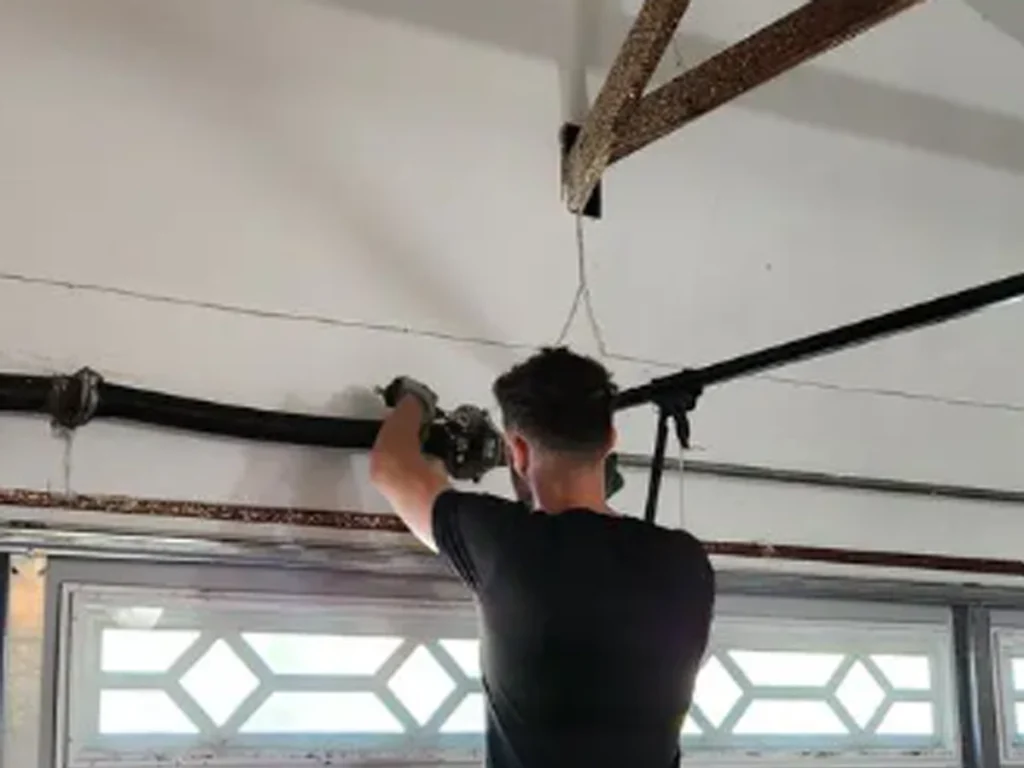
The United States Consumer Product Safety Commission advises owners to inspect their garage door and opener every 30 days. That schedule surprises many people, yet it shows why signs your garage door parts are wearing out deserve prompt attention. A new squeak, slight shake, or slow lift may seem small. However, that change may point to growing wear inside a large moving system.
Therefore, homeowners, landlords, property managers, and business owners should not wait for a complete failure. Early care can protect the door, opener, vehicle, stored items, and people using the garage.
- Listen for sounds that were not present during normal operation.
- Watch the door through one full opening and closing cycle.
- Stop using the system when movement becomes fast, crooked, or unsafe.
AI Overview: Signs Your Garage Door Parts Are Wearing Out
Signs your garage door parts are wearing out often appear through sound, movement, visible damage, or failed safety tests. Common warnings include a loud bang, frayed cables, cracked rollers, bent hinges, loose bolts, damaged panels, and uneven door travel.
A door that suddenly feels heavy may have a weak or broken spring. Likewise, a door that hangs lower on one side may have cable, spring, drum, or track trouble. Grinding can point toward worn rollers, dry bearings, poor alignment, or opener wear.
Meanwhile, a door that closes and then opens again may have a blocked sensor, poor sensor alignment, incorrect travel settings, or another fault. Therefore, one symptom does not always identify one exact part.
The safest response depends on the warning. Owners can look and listen from a safe place. However, they should never loosen springs, cables, bottom brackets, or other parts that hold high force.
- Seek urgent service for a broken spring, frayed cable, fallen door, or failed safety reversal.
- Arrange prompt inspection for grinding, shaking, slow travel, loose hinges, or repeated opener strain.
- Follow the exact owner manual before cleaning, testing, or applying any approved lubricant.
Critical Spring Signs You Should Never Ignore
Garage door springs help balance the weight of the door. Therefore, the opener should guide a balanced door instead of lifting its full weight alone.
A worn spring may cause jerky travel, unusual sounds, or greater effort during a safe manual balance check. Also, a broken torsion spring may show a clear gap between sections of the coil.
You may hear a strong bang when a spring breaks. Afterward, the opener may hum, strain, or lift the door only a few inches. However, these symptoms still require a trained inspection because several faults can produce similar results.
A safe balance check begins with the door closed and the opener disconnected under the owner manual. The door should move smoothly and remain partly open when properly balanced.
- Look for a gap, crack, heavy rust, or clear change in the spring shape.
- Notice whether the door feels unusually heavy or will not remain partly open.
- Stop pressing the opener when it strains against a door that will not rise.
Garage door springs hold strong force. Therefore, never adjust a spring, winding part, bottom bracket, or connected cable without proper training and tools.
Frayed Cables and Damaged Drums Create Serious Risk
Lift cables work with the spring system to guide the door safely. Therefore, damage can affect balance, movement, and control on both sides of the opening.
Early cable wear may appear as broken wire strands, rust, flattened areas, or loose sections. In addition, a cable may stop sitting correctly in the grooves of its drum.
A failing cable can also make the door rise at an angle. For example, one side may move while the other side stays low. The door may then bind against its tracks or become stuck.
However, never pull, cut, loosen, or wind a damaged cable. Cables and bottom brackets can remain under high force even when the door is not moving.
- Look from a safe distance for rust, loose strands, slack cable, or poor drum alignment.
- Stop operating a door that hangs low, twists, or rises unevenly.
- Keep people, pets, and vehicles away until the door is made secure.
Replacing only the cable without finding the cause may not solve the full problem. Therefore, a proper inspection should also cover springs, drums, bearings, tracks, and door balance.
Worn Rollers, Hinges, and Bearings Reveal Hidden Stress
Rollers guide the door through its tracks. Meanwhile, hinges join each section and allow the door to bend as it moves overhead.
Because these parts work during every cycle, wear can slowly change the sound and feel of the door. A damaged roller may crack, chip, wobble, drag, or stop turning freely.
Likewise, a worn hinge may bend, split, rust, or pull away from the panel. Loose hinge screws can also allow greater movement between sections.
Common clues include rattling, squealing, grinding, shaking, and small jumps during travel. However, sound alone cannot prove which part has failed. The rail, opener, track, or spring system may create a similar noise.
Official maintenance guidance recommends checking rollers for cracks, chips, sticking, and poor movement.
- Watch whether every roller stays inside the track during the full cycle.
- Look for cracked wheels, bent stems, rust, or loose hinge plates.
- Note where the sound begins because its location can help with diagnosis.
Some rollers have sealed bearings, while others need care listed in the door manual. Therefore, never assume that every wheel needs oil. Also, do not place hands near moving hinges or between door sections.
A trained technician can confirm the roller size, stem length, hinge number, and correct part type.
Bent Tracks and Loose Hardware Need Prompt Care
Tracks provide a set path for the rollers. Therefore, even a small bend or loose bracket can change how the door moves.
Warning signs include rubbing, scraping, shaking, and visible gaps between rollers and tracks. Also, the door may slow near one point or shift from side to side.
Loose nuts and brackets can create a sharp rattle. However, repeated vibration may also loosen more hardware over time. As a result, a small movement problem can place stress on rollers, hinges, panels, and the opener.
Never strike a track with a hammer while the door is under load. Likewise, do not loosen the bottom bracket because it connects to the lifting system.
- Look for bent track edges, loose wall supports, missing fasteners, or rubbing marks.
- Stop using the door when a roller leaves the track or a section leans inward.
- Ask a technician to check alignment before replacing damaged rollers alone.
Panel damage also deserves attention. A deep bend, split, or weak top section may change door balance and place added force on nearby parts.
Strange Opener Sounds Can Expose Failing Parts
The opener contains parts beyond the remote and motor. Depending on the model, it may use a chain, belt, rail, trolley, sprocket, gear, capacitor, or control board.
Therefore, a humming motor does not always mean the entire opener has failed. The door could be locked, disconnected, unbalanced, or held by a broken spring.
First, notice whether the sound comes from the moving door or the opener head. Under safe conditions and the owner manual, a technician may disconnect the door and test both systems separately.
If the door remains noisy by hand, the cause may involve rollers, hinges, springs, or tracks. However, if the opener stays noisy without the door, drive tension or an internal opener part may need attention.
- Listen for grinding, chain slap, repeated clicking, humming, or a new harsh vibration.
- Watch whether the trolley moves while the door remains still.
- Stop repeated attempts when the motor runs but the door will not move.
A brief hum can occur with a broken spring or a stuck part. Other hum patterns may involve the trolley, rack, capacitor, motor, or control board.
Safety Sensors and Reversal Tests Protect People
Safety sensors sit near the lower part of the opening and send a beam across the door path. When an object blocks that beam, a working system should prevent normal closing.
Dust, poor alignment, damaged wires, loose mounts, or a failed sensor can interrupt that function. Therefore, a door may start downward and then return upward.
Some opener lights also blink when the sensor system detects a fault. However, blink patterns vary by brand and model. The owner manual should explain the exact code.
- Check whether stored boxes, tools, leaves, or dirt block either sensor.
- Look for a loose bracket, cut wire, failed light, or sensor facing away.
- Never bypass a sensor to make the door close normally.
Cracked Seals and Panels Are More Than Cosmetic
The bottom seal and side seals help close gaps around the door. Therefore, cracked or flat rubber may allow light, water, dust, insects, or outside air through the opening.
Look for daylight under the closed door. Also, check whether the lower seal stays soft and follows the floor surface.
Weather seals can become flat, torn, brittle, or loose. In addition, a damaged retainer may stop a new seal from sitting correctly.
Panels can show dents, rust, cracks, peeling layers, or separation near hinges. Although a small mark may be cosmetic, a bent section can affect travel or place added load on the opener.
- Check for daylight, torn rubber, loose seal ends, or water near the opening.
- Look for bowed sections, split material, rust, and loose panel supports.
- Seek service when panel damage changes movement or door balance.
A Simple Monthly Check Finds Trouble Early
A monthly check does not require taking the door apart. Instead, it uses sight, sound, safe tests, and the instructions supplied with the door and opener.
First, stand inside the garage and watch one full cycle. Notice shaking, delays, scraping, or uneven travel.
Next, inspect visible springs, cables, rollers, hinges, panels, and tracks without touching high force parts. Then, test the sensor beam and contact reversal as the manual directs.
Finally, check balance only when the system appears stable and the manual explains the process. A balanced door should move with little resistance and remain partly open. (U.S. Consumer Product Safety Commission)
- Keep children, pets, tools, and vehicles away during every test.
- Close the door before using the manual release.
- Stop when the door feels heavy, binds, drops, or rises on its own.
- Record new sounds and visible changes for the service technician.
- Use only products approved in the manual when lubrication is needed.
- Arrange trained care when any safety test fails.
Three Realistic Cases Show How Wear Can Spread
The following cases are teaching examples based on documented symptom patterns. They are not reports about named customers or claims about a specific past job.
The Loud Bang and Heavy Door
A homeowner hears a strong bang during the night. The next morning, the opener hums and raises the door only a few inches.
From a safe place, the owner sees a gap in the torsion spring. This pattern strongly suggests a broken spring, but a technician must confirm the full cause.
The best action is to stop using the opener and keep the area clear.
The Shaking Door and Grinding Sound
A property manager notices that the door shakes near the curved track. A grinding sound begins at the same point during each cycle.
A visual check shows a chipped roller and a loose hinge. However, the technician should still inspect track alignment, other rollers, fasteners, and balance.
Case Three: The Door That Will Not Stay Closed
A garage door reaches the floor and quickly returns upward. The sensor light also changes from its normal state.
First, the owner clears the opening and gently cleans each sensor lens. Next, the owner checks alignment under the manual.
When the problem continues, trained service is the safer step.
- These cases show why one symptom can involve several connected parts.
- They also show why safe diagnosis should come before buying a replacement.
Repair or Replace: A Smart Decision Guide
A single worn roller, hinge, seal, or control may support a focused repair when the remaining system is sound. However, the new part must match the door or opener.
A larger replacement may deserve review when several core parts are worn. The same may be true when panels are badly damaged, the door cannot stay balanced, or an old opener lacks proper reversal protection.
However, age alone does not prove that full replacement is required. A trained inspection should compare safety, part access, repair cost, future reliability, and the owner’s goals.
- Repair may fit when damage is limited and the rest of the system remains safe.
- Replacement may fit when several major parts have failed or damage affects structure.
- Opener replacement needs review when required safety features do not work properly.
- Every estimate should name the exact fault, proposed part, warranty, and test plan.
The Final Answer for Franklin Decision Makers
The clearest signs your garage door parts are wearing out are new noise, uneven motion, visible damage, added weight, opener strain, and failed safety tests.
Therefore, do not judge the system from one part alone. Springs, cables, rollers, tracks, panels, sensors, and opener parts all work together.
Our professional view is simple. Small wear deserves timely care, while broken springs, damaged cables, fallen rollers, crooked movement, and failed reversal need urgent attention.
Everlast Garage Doors states that its service scope includes repair, maintenance, replacement, hardware supply, motors, springs, and full installation. That broad scope supports a whole system review rather than a quick guess based on one sound.
- Request an inspection when the door sounds, feels, or moves differently.
- Ask the technician to explain the failed part and any connected wear.
- Confirm that balance, sensor response, and reversal are tested after service.
we provide complete Garage Door Services for both residential and commercial properties. Our team handles Garage Door Installation, Repair, Maintenance, Custom Designs , and full Door Replacements to ensure long-lasting performance and reliability. We also offer Emergency Garage Door Service to quickly resolve urgent issues and keep your property secure and fully operational. you can count on quality, durability, and trusted service every step of the way.
Phone: 615-808-8806
Location: 1107 Battlewood St #222, Franklin, TN 37069
Frequently Asked Questions
How do I know whether my garage door spring is wearing out?
Possible signs include jerky movement, unusual sounds, a door that feels heavy, poor balance, rust, or visible spring damage. A clear gap often means a torsion spring has broken. Because springs hold high force, do not touch or adjust them. Stop using an unstable door and call a trained technician.
Why is my garage door suddenly making a grinding noise?
Grinding may come from worn rollers, poor bearings, track contact, drive tension, or an opener part. Therefore, sound alone cannot confirm the fault. Note where the sound begins and whether it occurs during both directions. A technician can test the door and opener separately to locate the source.
Can I replace worn garage door parts myself?
Some manuals allow simple owner tasks, such as cleaning sensor lenses or replacing a remote battery. However, springs, cables, bottom brackets, tracks, and many opener parts can create serious risk. Always follow the model manual. Leave high force parts and uncertain repairs to a trained door systems technician.
Should I replace one worn part or the whole garage door?
The answer depends on the failed part, door condition, safety performance, repair cost, and compatible part access. One worn roller or seal may support a focused repair. However, several failed parts, major panel damage, poor balance, or an unsafe opener may justify a wider replacement review.