
Residential Garage Door Repair for Safer Daily Access
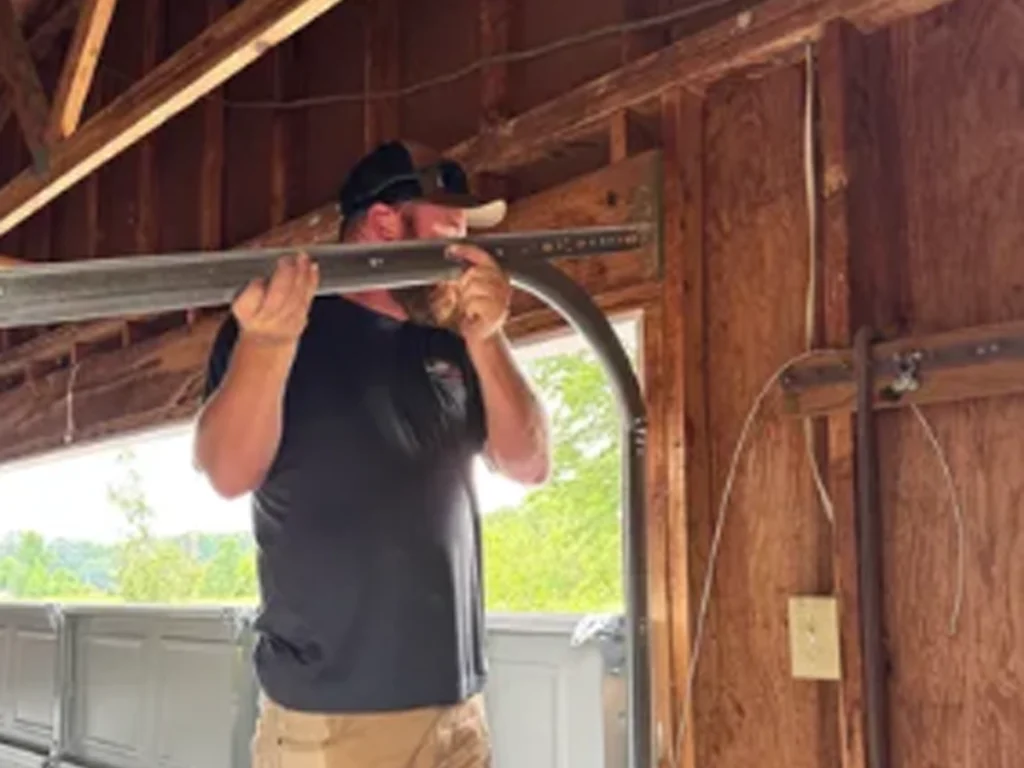
Here is a fact many homeowners never hear: the United States Consumer Product Safety Commission advises inspecting a garage door and opener every 30 days. That guidance matters because an aging door rarely fails all at once. Instead, rollers wear, cables fray, seals shrink, hinges loosen, and the opener slowly works harder. Residential garage door repair can find those linked problems before daily access becomes noisy, unreliable, or unsafe. For Franklin homeowners, early action can also preserve useful parts and support a more informed repair or replacement choice.
AI Overview
Residential garage door repair for aging door systems begins with a full system assessment, not a quick guess about one noisy part. A trained technician should inspect door balance, springs, cables, rollers, tracks, hinges, panels, seals, sensors, and opener performance. Repair often makes sense when the structure remains sound and several worn parts can be restored safely. Replacement becomes more practical when damage is widespread, safety features are outdated, or repeated repairs no longer provide dependable value.
Key points for Franklin property owners include:
- Treat new noise, shaking, drifting, and slow travel as useful warnings.
- Never adjust springs, cables, or loaded bottom brackets without proper training.
Why Aging Garage Door Systems Need Expert Attention
An older garage door is a connected moving system. Therefore, one weak part can change the load carried by several other parts. A rough roller may pull the door sideways. Next, the hinge and track receive extra strain. Meanwhile, an unbalanced door can force the opener to lift weight that the springs should carry.
Age alone does not prove that a door needs replacement. Usage, moisture, past repairs, installation quality, door weight, and maintenance history also shape its condition. For that reason, a sound decision starts with observed evidence. The technician should explain what failed, why it failed, and whether another worn part contributed.
Homeowners should pay close attention when:
- The door has begun moving differently, even though it still opens and closes.
- Several parts show wear, corrosion, looseness, cracking, or past patchwork repairs.
In our view, the best residential garage door repair is diagnostic before it is mechanical. Replacing the loudest part without checking balance may quiet the door briefly while leaving the true load problem untouched. A complete assessment protects both the repair budget and the people who use the opening.
The Most Important Warning Signs to Notice
Aging systems usually give clues. However, those clues can be easy to dismiss because the change often happens slowly. A homeowner becomes used to a louder cycle or a small pause. Then, a cold morning or heavy rain reveals how close the system was to stopping.
Common warning signs include:
- Grinding, popping, scraping, squealing, or a new vibration during travel.
- Crooked movement, sudden drops, uneven cable tension, or gaps along the floor.
Other warnings are less dramatic. The remote may work only at close range. The door may reverse for no clear reason. Light may enter around worn perimeter seals. Rust may form near cable drums, hinges, fasteners, or the lower panel. Each symptom deserves context rather than an automatic parts order.
A door that feels unusually heavy is a serious concern. Likewise, a door that will not remain in a partly open position may be out of balance.
A useful inspection follows the load path from the panels through the hardware and into the opener. First, the technician listens and watches during a controlled cycle. Next, the door is checked for level travel, binding, vibration, and stopping behavior. Finally, each major part is assessed within the maker’s instructions.
A complete inspection should review:
- Springs, cables, drums, bearings, shafts, rollers, hinges, brackets, tracks, and fasteners.
- Panels, struts, weather seals, photo eyes, wall controls, remotes, opener rail, and drive parts.
The inspection should also separate cosmetic wear from structural damage. A small surface dent may not affect operation. In contrast, a cracked stile, bowed section, loose track mount, or damaged bottom fixture can change how force moves through the door. That difference guides the repair plan.
Why Springs and Cables Demand Special Care
Springs counterbalance much of the door’s weight. Cables transfer that force as the door moves. Consequently, these parts may store or carry dangerous energy even when the door looks still. A wrong adjustment can release force without warning.
Safe decisions begin with two rules:
- Do not loosen spring set screws, cable drums, bottom brackets, or loaded cable parts.
- Keep people and vehicles away from a door with a broken spring or loose cable.
Spring life depends on more than calendar age. Door use, correct sizing, corrosion, installation, maintenance, and added panel weight can all affect performance.
Therefore, a spring repair should include a balance review and a check of related parts. If a cable frayed because a bearing or track created poor movement, replacing only the cable may leave the cause in place. Good work restores the relationship among components, not merely the broken component.
How Rollers, Hinges, and Tracks Age Together
Rollers guide the door through curved and vertical tracks. Hinges let each section change angle through the curve. Tracks provide the route. When these parts wear together, the door may chatter, shake, rub, or pull toward one side.
A technician may look for:
- Flat roller spots, loose bearings, bent stems, cracked hinges, missing fasteners, or worn holes.
- Bent track edges, poor spacing, loose mounts, rubbing marks, or uneven alignment.
Lubricant cannot straighten damaged metal or replace a worn bearing. Moreover, the wrong product can collect dirt or harm certain materials. Homeowners may clean visible debris and follow their owner’s manual, but track alignment and loaded hardware work belong to a trained professional.
This is also where experience helps. The same scraping sound may come from a bent track, a shifted hinge, a damaged roller, or panel movement. A careful technician traces the mark and movement before recommending parts. That process reduces needless replacement and supports a repair that lasts.
When an Older Garage Door Opener Needs Repair
The opener moves a properly balanced door, but it should not compensate for failing springs or binding hardware. If the opener strains, hums, stops, or changes speed, the door itself must be checked. Otherwise, a new opener may inherit the old mechanical problem.
Opener assessment should include:
- The drive system, rail, trolley, mounting, travel limits, force settings, controls, and power supply.
- Photo eye alignment, wiring, indicator lights, automatic reversal, and manual release operation.
Safety features deserve special weight on an aging system. openers made or imported for United States sale after January 1, 1991 must have reversing systems. External entrapment protection was added to the federal requirement in 1993. Therefore, an opener without reliable reversal protection may be a stronger replacement candidate than a simple repair candidate.
Never bypass photo eyes to keep a door moving. Instead, clean the lenses, remove clear obstructions, and check for visible misalignment only if the manual permits it. If the door still fails its safety test, stop using the automatic function until the system receives service.
How Franklin Weather Can Reveal Existing Wear
Franklin experiences heat, cold, rain, humidity, and changing seasons. Those conditions do not prove why a part failed. However, temperature shifts and moisture can expose seals, lubrication, alignment, wood, coating, and electrical connections that were already weak.
Seasonal concerns often include:
- Brittle bottom seals, daylight at the edges, water entry, surface rust, and swollen wood components.
- Slower travel, noisy rollers, sensor interruptions, and changing gaps around the closed door.
Weather sealing also supports comfort in rooms beside or above an attached garage. Still, homeowners should avoid broad energy savings claims without a home assessment. Garage layout, wall insulation, ceiling insulation, air leaks, door construction, and use patterns all matter.
The practical goal is simple. Repair damaged seals, address water paths, and confirm that the door closes evenly. Then, if comfort remains a concern, evaluate the wider garage envelope. A door repair can solve door related gaps, but it cannot correct every source of air movement in the building.
Repair or Replace: A Clear Decision Framework
Repair is often reasonable when the door sections remain sound, compatible parts are available, and the problem is limited. Replacement may offer better value when structural damage, repeated breakdowns, obsolete safety features, or widespread corrosion affect the whole system.
Repair may be the better choice when:
- One or several serviceable parts are worn, while the door remains stable and properly sized.
- The opener has modern safety protection and can operate the balanced door within its design.
Replacement deserves serious review when:
- Sections are cracked, bowed, badly rusted, or damaged near important attachment points.
- Repair history is growing while reliability, safety, sealing, and parts support continue to decline.
Price should not be the only measure. Compare expected service life, warranty coverage, likely follow up needs, safety upgrades, appearance, and disruption. Furthermore, ask whether the proposed repair corrects the cause or only the latest symptom. A written assessment makes those trade offs easier to judge.
A Composite Franklin Case Study
The following example is a composite scenario based on common service patterns. It is not a claim about a specific customer, property, or completed Everlast Garage Doors job.
In this example, a Franklin homeowner reports a loud door that pauses near the curve. The opener still works, so the first assumption is opener failure. During inspection, however, the technician observes worn rollers, loose hinge fasteners, uneven movement, a tired bottom seal, and poor door balance.
The evidence changes the plan:
- Repair priorities become balance, safe hardware condition, roller movement, hinge security, and safety testing.
- The opener is evaluated only after the door can travel smoothly under the proper spring support.
This approach may prevent an unnecessary opener purchase. On the other hand, the final inspection could still reveal that the opener lacks dependable protection or has separate internal wear. The important lesson is that diagnosis comes before a confident quote.
Our professional opinion is that aging doors benefit most from system level thinking. Homeowners deserve options with reasons, not pressure built around the most expensive choice. When repair is sound, say why. When replacement is safer or more practical, show the conditions that support that conclusion.
What Homeowners Can Safely Check
Homeowners can notice and document symptoms without touching loaded parts. A short video of the sound or movement may help a technician understand an intermittent concern. Make the recording from a safe distance, and never stand or walk beneath a moving door.
Safe observations may include:
- Look for loose visible hardware, damaged sections, frayed cables, gaps, rust, or blocked photo eyes.
- Listen for new sounds and note where the door slows, shakes, reverses, or stops.
Recommends a 30 day inspection and a reversal test using the opener maker’s directions. Its published guidance describes placing a two by four board in the door’s path for a contact reversal check. However, the owner’s manual controls the correct procedure for a specific opener.
If a test fails, disconnect automatic use when it is safe to do so and arrange service. Do not repeatedly cycle a struggling door. Each extra cycle can add stress to parts that may already be damaged. When a spring is broken or a cable is loose, leave the door closed and keep the area clear.
Questions to Ask Before Approving Residential Garage Door Repair
A clear proposal should connect each recommended task to an observed condition. Decision makers should also understand which concerns are urgent, which are preventive, and which are optional. That clarity helps a homeowner control scope without ignoring a safety issue.
Ask the technician:
- What evidence shows the cause, and which related parts were checked before reaching that conclusion?
- Will the finished work include balance, travel, reversal, sensor, hardware, and final safety checks?
Also ask about part compatibility, written warranty terms, total price, and the expected limits of the repair. If a section or opener is old, ask whether future parts are readily available. If replacement is recommended, request a clear explanation of why repair is not a sound long term choice.
Everlast Garage Doors serves Franklin homeowners with an assessment led approach. The aim is to explain the door as a complete system, present practical choices, and help owners act before ordinary wear becomes a larger access problem.
A Practical Maintenance Plan After Repair
A good repair should end with guidance that matches the door maker’s instructions. Maintenance is not a promise that parts will never fail. Rather, it creates regular chances to notice wear, keep suitable moving points cared for, and confirm that safety functions still respond.
A simple plan can include:
- Conduct a monthly visual and operating check, including reversal tests described in the owner’s manual.
- Schedule professional service when balance changes, cables look worn, hardware loosens, or movement becomes rough.
Keep the door area clean and dry when practical. Avoid hanging objects from the door, track, or support parts. Do not add panel material without checking how added weight affects spring selection. Moreover, keep controls away from children and teach family members never to race beneath a moving door.
Save repair records, part details, and warranty information. These records help the next technician see what changed and when. They also make future repair versus replacement choices more accurate. Over time, that history becomes part of the home’s useful maintenance record.
Why Timely Repair Protects More Than Convenience
The garage door may be the home’s largest moving object and a frequent family entrance. Therefore, reliable movement affects schedules, vehicle access, deliveries, security habits, and daily peace of mind. A door that works only most of the time is already asking for attention.
Timely residential garage door repair can help:
- Restore smooth access while reducing strain caused by worn or poorly matched components.
- Identify safety, structural, sealing, and opener concerns before approving a focused plan.
No ethical technician can promise that every old system should be repaired. Likewise, age alone should not force a replacement sale. The right answer comes from condition, safety, compatibility, repair history, owner goals, and total value. That balanced view is especially useful for homeowners managing an older Franklin property.
Schedule Residential Garage Door Repair in Franklin
If your door has become noisy, slow, uneven, or unreliable, arrange an inspection before the symptom grows. And can evaluate the complete system, explain the evidence, and outline repair or replacement choices suited to the door’s condition.
we provide complete Garage Door Services for both residential and commercial properties. Our team handles Garage Door Installation, Repair, Maintenance, Custom Designs , and full Door Replacements to ensure long-lasting performance and reliability. We also offer Emergency Garage Door Service to quickly resolve urgent issues and keep your property secure and fully operational. you can count on quality, durability, and trusted service every step of the way.
Phone: 615-808-8806
Location: 1107 Battlewood St #222, Franklin, TN 37069
Visit to request service. A careful inspection today can turn an uncertain aging system into a clear, practical action plan.
Frequently Asked Questions
How do I know whether my old garage door needs repair or replacement?
Start with condition rather than age alone. Repair may make sense when sections remain sound and the fault involves serviceable hardware. Replacement may be wiser when panels are structurally damaged, safety protection is obsolete, parts are unavailable, or failures keep returning. A full inspection should compare safety, expected life, cost, warranty, and likely future work.
Can I repair a garage door spring myself?
Spring work is not a suitable do it yourself task. Garage door springs store significant energy, while cables and bottom brackets may remain under load. DASMA advises building occupants not to remove, adjust, or repair these components. Keep the area clear, avoid cycling the door, and ask a trained door systems technician to assess the system.
Why is my aging garage door suddenly so noisy?
Noise may come from worn rollers, loose hinges, rubbing tracks, poor balance, damaged panels, opener drive wear, or several issues acting together. The sound alone does not prove which part failed. Note when and where the noise occurs, stop using the door if movement looks unsafe, and request a system based diagnosis.
How often should a residential garage door be inspected?
The U.S. Consumer Product Safety Commission advises homeowners to inspect the garage door and opener every 30 days. Follow the owner’s manual for reversal and sensor tests because procedures can differ by model. Professional service is appropriate when the door binds, drifts, becomes heavy, shows damaged cables or springs, or fails a safety test.
Will repairing an old garage door improve energy efficiency?
Repairing damaged seals and correcting an uneven close may reduce door related gaps. However, actual home energy results depend on the entire garage and nearby building envelope, including walls, ceilings, air leaks, door construction, and use. Treat comfort improvement as a system question, not a guaranteed result from one repair.