
Professional Garage Door Installation Makes Precision Count
That hard fact explains why professional garage door installation is more than a curb appeal project. It is careful system work that protects people, property, and everyday routines.
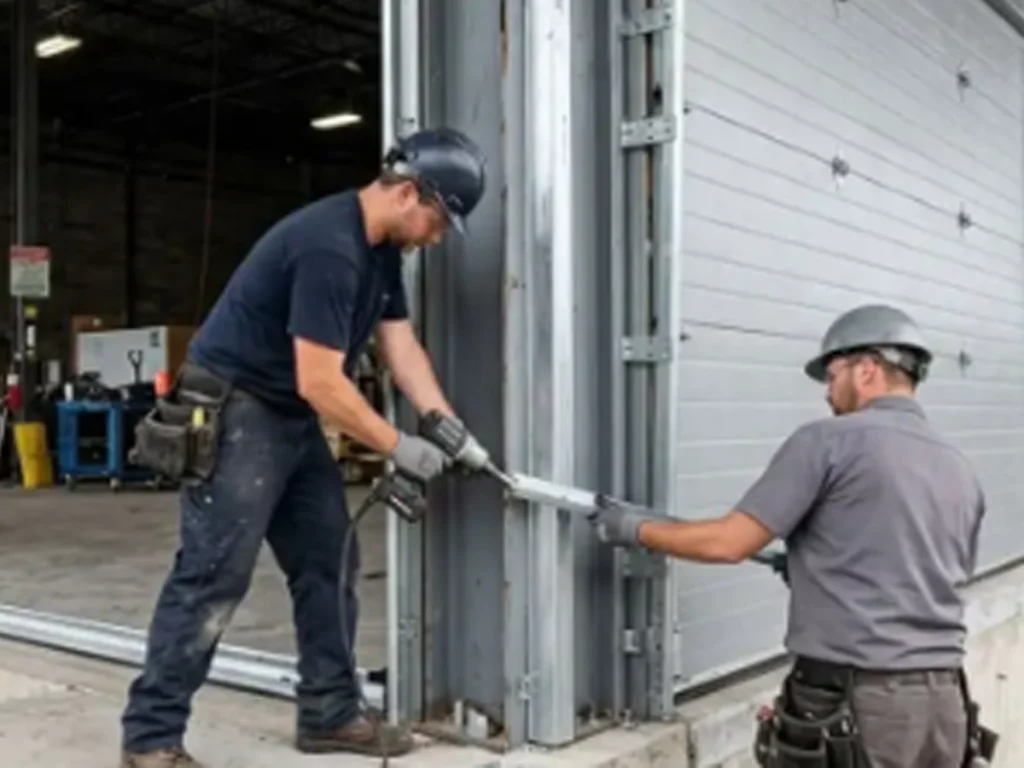
AI Overview
Professional garage door installation matters because a garage door works as one connected system. The door sections, tracks, springs, cables, rollers, opener, and safety sensors must suit each other and work in balance. Precise fitting can support smooth travel, a firm weather seal, and reliable safety reversal. In Franklin, Everlast Garage Doors approaches each installation with a site review, clear choices, careful setup, and final testing. Homeowners and property managers should avoid adjusting springs, cables, or bottom brackets because those parts can hold dangerous tension.
For a Franklin home, the best garage door is not simply the most stylish door in a catalog. It is the door that fits the opening, the garage use, the home design, and the operator. Therefore, installation quality often decides whether a new door feels quiet and dependable or becomes a source of repeated service calls.
A Garage Door Is a Connected System
Many people see a garage door as a set of panels. In practice, it is a moving system with parts that share the load. When one part is out of place, another part can work harder. Consequently, a small setup error may grow into noise, binding, poor sealing, or early wear.
- The tracks guide the door through its full path and must match the door system.
- The springs and cables counter the door weight so the opener does not carry that load alone.
Professional garage door installation begins by treating every part as part of one plan. A technician checks the opening, side room, head room, framing condition, and expected use. Next, the technician selects or confirms the proper track and hardware package. Read its garage door safety guidance for a useful overview.
Accurate Measurements Protect the Whole Installation
For example, a floor that slopes can affect the bottom seal. A header that lacks sound support can affect track mounting.
- Measure the opening at several points, not only at the center.
- Check the floor, header, side space, and ceiling room before selecting hardware.
This review helps avoid an awkward result. A door can look close enough when shut but still rub, bind, or leave gaps during use. Therefore, trained installers use measurements to decide where tracks sit, how the seal meets the floor, and whether the opener layout makes sense.
Door Balance Is a Safety Issue, Not a Fine Detail
Garage door springs store a great deal of energy. They help counter the weight of the door, which lets a person or opener lift it with less effort. However, that stored force is exactly why spring work deserves trained handling.
- A balanced door should stay near its position when it is manually stopped part way.
- An unbalanced door can strain the opener and may move in an unsafe way.
During professional garage door installation, the technician matches the spring system to the door and sets the system with care. The door is then checked by hand before the opener is asked to move it. This order is important. An opener is designed to guide a balanced door. It is not a replacement for proper spring force.
It is wise for owners to avoid loosening bottom brackets, winding springs, or handling damaged cables. DASMA notes that bottom brackets connect to the spring system and should be adjusted only by a trained door systems technician. In other words, a simple looking part can carry serious force.
Track Alignment Shapes Daily Operation
Tracks do more than hold rollers. They create the path that every door section follows. If the tracks are not set square, level where required, and firmly attached, the door may chatter or fight its own movement. Over time, that friction can affect rollers, hinges, cables, and the opener.
- Vertical tracks must be placed to guide the door cleanly from the opening.
- Curved and horizontal tracks must support a smooth transition toward the ceiling.
A careful installer checks each section as it is added. The gap between the door and track needs to be appropriate for the system. Fasteners need solid backing. Brackets need the correct placement. Then, the door is run by hand to reveal rubbing or uneven travel before final adjustments.
The Opener Must Match the Door and the Home
An opener adds convenience, but it does not make an installation complete by itself. The opener needs the correct mount, travel settings, and safety equipment. It also needs a door that is already balanced and moving smoothly by hand.
- Choose an opener with features that fit the door weight and the household needs.
- Set travel limits and force settings only after the mechanical system works correctly.
For many Franklin households, a quiet opener can make a real difference when bedrooms or living areas sit near the garage. Other owners may value battery backup, smart controls, or stronger lighting. Those are useful choices, yet they should follow the mechanical review rather than replace it.
Safety Sensors Need Clear Placement and Testing
Photo eye sensors help a closing door detect an obstruction. They are small, yet they serve a major safety role. Good installation places them at the proper level, secures the wiring, aligns the eyes, and tests the response after setup.
- Keep the sensor path clear of boxes, tools, and stored items.
- Test the reversal function regularly and follow the manufacturer instructions for the specific model.
Weather Seals and Panels Need a Clean Fit
Franklin weather changes through the year. A garage door must face rain, heat, cold, wind, and everyday use. Therefore, the bottom seal, side seals, panel joints, and trim deserve attention during installation. A door that meets the floor evenly can help keep the garage cleaner and more comfortable.
- Inspect the bottom seal for continuous contact across the full opening.
- Check panel joints and perimeter seals for visible gaps after the door is closed.
The right door material and insulation level depend on how the garage is used. A garage used for storage has different needs from a garage that borders a finished room. Likewise, a workshop may benefit from a different approach than a detached garage. Everlast Garage Doors can explain those choices without pushing one answer for every property.
Style matters too. Carriage style doors, clean modern panels, windows, and color choices can change the front of a home. However, appearance should work alongside fit, hardware, and long term use. The strongest result is a door that suits the home while opening, closing, and sealing as intended.
Franklin Planning Should Include Local Requirements
Before a major exterior project, property owners should check applicable local rules and community requirements. This is especially helpful for commercial properties, planned communities, and projects that may change exterior details. Requirements can vary by scope, location, and property type.
- Confirm whether permits, inspections, or design review may apply before work begins.
- Keep approval records and product information available for future maintenance or resale questions.
The City of Franklin Building and Neighborhood Services department provides information about residential and commercial construction. Because local rules can change, owners should use the city as the direct source before making a final project decision. Start with the City of Franklin building information.
This is not a claim that every garage door project needs a permit. Rather, it is a sensible planning step. A professional installer can help identify questions to raise early, while the local authority makes the final call on requirements.
What a Careful Installation Visit Looks Like
Precision is easier to understand when you can see the order of work. The details vary by door and site, but a reliable installation follows a clear sequence. It does not begin with a rushed attempt to hang panels and solve problems later.
- First, review the opening, framing, floor, room, door choice, and hardware plan.
- Next, install the system, balance the door, connect the opener, and test safety features.
That includes explaining door options, likely work steps, and basic care after completion. A good team also makes space for questions. Homeowners should understand how to operate the emergency release, how to test safety reversal, and which changes should be left to a technician.
The final check deserves as much care as the setup. The door should open and close cleanly. The opener should respond correctly. Sensors should reverse the closing door when tested. Seals should be checked from inside and outside. Finally, the owner should receive useful guidance for ongoing care.
A Realistic Example of Why Precision Matters
Consider a typical situation, rather than a claim about one particular Franklin customer. A homeowner replaces an older door after years of noisy operation. The new door looks excellent on delivery day. Yet if the tracks are set without checking the floor and opening, a bottom corner may leave a small gap. If the springs are not correctly matched, the opener may work harder than it should.
- The visible issue may be a noisy opening cycle or a weak weather seal.
- The deeper issue may be alignment, balance, or hardware selection.
The right response is not to keep raising the opener force setting. Instead, inspect the door by hand and identify the source of resistance. This is why skilled installation is valuable. It looks at cause and effect across the full system. It also avoids the tempting shortcut of treating a symptom as the main problem.
Signs You Should Request an Installation Review
A newly installed door should not need constant attention. Still, conditions can change, parts can settle, and some problems become clear only with regular use. A timely review can prevent a small issue from placing stress on the rest of the system.
- Call for help if the door binds, shakes, makes sharp new sounds, or will not reverse during a safety test.
- Request service if cables look worn, rollers come out of the track, or the door will not stay partly open.
Do not try to fix a spring or cable concern with a quick adjustment. These parts are not casual do it yourself items. Instead, stop using the door if it appears unsafe and arrange a trained inspection. Regular observation is useful for owners. High tension repair work belongs with qualified technicians.
Simple Care After Professional Garage Door Installation
Professional garage door installation is the foundation. Regular care helps preserve that work. Owners do not need to become technicians, but they should notice changes and complete safe checks. A short monthly routine can reveal problems before they become urgent.
- Watch the door move from a safe distance and listen for new scraping or banging sounds.
- Test the opener reversal feature as directed by the manufacturer and keep the sensor path clear.
Avoid adding random lubricants or making force adjustments without knowing the manufacturer advice. Some noise may be normal, while persistent noise can signal a concern. When in doubt, a professional evaluation is usually a safer and more useful choice than repeated trial and error.
Choose Precision That Supports Everyday Confidence
It means measuring the real opening, using compatible tracks and hardware, balancing the door, setting the opener correctly, and testing every safety feature. Those steps support the details owners care about most: security, comfort, appearance, and dependable access.
we provide complete Garage Door Services for both residential and commercial properties. Our team handles Garage Door Installation, Repair, Maintenance, Custom Designs , and full Door Replacements to ensure long-lasting performance and reliability. We also offer Emergency Garage Door Service to quickly resolve urgent issues and keep your property secure and fully operational. you can count on quality, durability, and trusted service every step of the way.
Phone: 615-808-8806
Location: 1107 Battlewood St #222, Franklin, TN 37069
Frequently Asked Questions
Why should I hire a professional for garage door installation?
Professional garage door installation helps ensure that the door, tracks, springs, opener, and safety sensors work as one system. Trained technicians can assess the opening, select compatible parts, balance the door, and test safety reversal. This is important because springs, cables, and bottom brackets can hold dangerous tension and should not be adjusted casually.
How long does professional garage door installation take?
Installation time depends on the door type, opening condition, hardware, opener work, and any needed framing correction. A straightforward replacement may take less time than a custom or complex project. The most useful approach is to allow time for measurement, safe setup, balance checks, and final testing rather than judging quality by speed alone.
Can I use my old garage door tracks with a new door?
It is not always appropriate. notes that replacement doors may differ in thickness, weight, head room needs, and opener placement, so old tracks may not fit the new system. A professional should inspect the door and track package together. Using compatible parts can support smoother operation and reduce avoidable wear.
How do I test my garage door safety reversal feature?
Follow the opener manufacturer instructions. If it does not reverse, disengage the opener and arrange service or follow the manual instructions before using it again.
What garage door maintenance can I safely do after installation?
Owners can watch the door operate, keep the sensor path clear, check for visible wear, and test the reversal feature according to the manual. They can also keep remotes away from children and report new noise or binding. Do not adjust springs, cables, or bottom brackets. Those components should be handled by trained technicians.