
Why Damaged Garage Door Rollers and Tracks Matter
A garage door may weigh several hundred pounds, yet small rollers guide that load along narrow tracks. Therefore, one cracked wheel or bent rail can change the door’s path. The door may shake, bind, or leave its track. Early signs often look minor, but the risk can grow with every cycle. This guide explains how to spot damaged garage door rollers and tracks before a small fault causes larger harm.
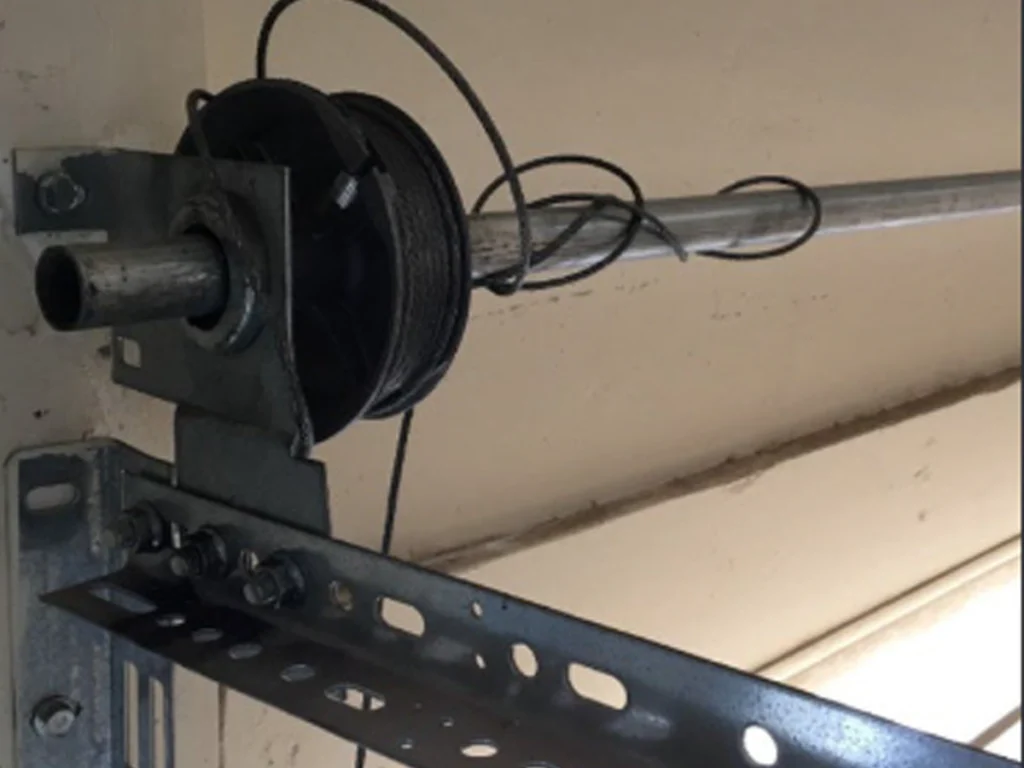
Damaged garage door rollers and tracks often cause grinding, popping, jerking, gaps, or uneven travel. First, watch the door from a safe distance. Next, inspect each roller and track while the door stays closed. Look for cracked wheels, loose stems, flat spots, rust, bends, dents, and loose brackets. Stop using the door if a roller leaves the track, the door hangs crooked, or a cable looks loose. Do not loosen bottom brackets, cables, or spring parts. Instead, ask a trained garage door technician to check the whole system.
Most warning signs appear through sound, motion, or visible wear.
Serious faults need prompt service because door parts work as one system.
The United States Consumer Product Safety Commission tracks garage door injuries through its national injury system. That fact is surprising because a common home entrance can create a real safety event. However, injury data covers many causes and does not prove roller or track failure. It does show why odd movement deserves care, not guesswork.
Rollers carry the door through the curved and straight parts of the track. Meanwhile, tracks keep that motion in a set path. When one part wears, the other part often takes more strain. As a result, noise may rise before the door stops working.
A worn roller can drag, tilt, or wobble inside the track.
A bent track can pinch a sound roller and make the opener strain.
Know What Rollers and Tracks Should Do
A sound roller should turn with little wobble. Its wheel should stay round, smooth, and firmly joined to its stem. Nylon rollers often run more quietly than steel rollers. Still, either type can wear at the wheel, bearing, or stem.
A sound track should form a clear path from the floor to the ceiling. Its sides should stay even without sharp dents. Also, the brackets should hold the track firm. The roller needs room to move, but it should not jump from the rail.
Rollers should turn freely without chips, cracks, flat spots, or a loose stem.
Tracks should stay clean, firm, aligned, and free from deep bends or rust holes.
Some light dust is normal. In contrast, packed dirt can hide wear and slow a roller. A small surface mark may not change travel. Yet a deep dent that catches a wheel is a strong warning sign.
The opener does not carry the full door weight. Springs balance much of that load. Therefore, an opener that strains may point to more than an opener fault. A roller, track, spring, cable, or hinge may be part of the cause.
Check These 9 Powerful Warning Signs
- Listen for new grinding, scraping, popping, or sharp squeals. A healthy door may make some sound. However, a new sound that repeats at one spot can mark a damaged roller or rail.
Watch for jerking or shaking. The door should move in one steady path. Sudden jumps may mean a roller has a flat spot, a bearing binds, or a track pinches.
Look for a roller that leans. A wheel should sit square inside the track. A tilted stem can point to wear, a loose hinge, or track alignment trouble.
Find cracks, chips, or missing pieces. Nylon wheels can split at the edge or hub. Steel wheels can show grooves, rust, or a loose bearing.
Check for gaps between the roller and track. A large or changing gap can mean the track has shifted. It can also mean the roller stem has worn.
Inspect tracks for bends and dents. Even a small inward bend can catch a roller. A crushed edge can also push the wheel toward the opening.
Notice uneven door travel. One side may rise first or hang lower. Stop the test if the door looks crooked because cable or spring faults may exist.
Check track brackets and fasteners. A loose bracket can let the rail move during each cycle. That motion can worsen alignment and create fresh wear.
Watch the opener for strain. Slower travel, pauses, or a laboring sound can mean extra drag. Do not keep cycling the door to test it.
One sign may have several causes, so use the full pattern before deciding.
Two or more signs at the same travel point strongly support a mechanical inspection.
Sound alone does not name the failed part. For example, a squeal may come from a dry hinge or worn roller bearing. Likewise, scraping may come from a panel edge or a bent track. Therefore, match the sound with the exact place and motion.
Follow a Safe 7 Step Inspection
Close the door fully. Keep people, pets, and vehicles away from the opening. Use strong light and stand inside the garage.
Disconnect power to the opener. This step helps prevent an unplanned cycle while you look at the hardware.
Scan both vertical tracks from the floor upward. Look for dents, rust holes, loose brackets, shiny rub marks, and trapped debris.
Inspect visible rollers without touching spring or cable parts. Look for cracks, chips, lean, wobble, or a wheel that sits outside the track.
Check the curved tracks from the floor. Do not climb beside a door that seems loose, crooked, or partly off track.
Restore power only if the door looks secure. Run one cycle while standing clear. Note the exact point where noise or a jump begins.
Stop and call a technician when the door binds, hangs, slips, or leaves the track. Do not force another cycle.
Take clear photos from a safe distance so a technician can understand the concern.
Write down when the symptom began and whether an impact happened first.
This check is for observation. It is not a repair plan. In particular, do not loosen the bottom fixture because cables often attach there. Also, do not remove hinges while the door is under load.
The federal safety standard for automatic residential garage door operators covers entrapment protection. However, photo eyes cannot correct a bent track or broken roller. Mechanical travel still needs a direct inspection.
Tell Roller Damage From Track Damage
Roller damage often follows the wheel as it moves. Therefore, the noise may travel upward with the door. A flat wheel can create a steady beat. A loose bearing may cause wobble across more than one track section.
Track damage often stays in one place. The door may jerk each time a roller reaches one dent or bend. A fresh shiny mark can show where metal rubs. Also, one bracket may move as the door passes.
If the symptom moves with one wheel, suspect the roller, hinge, or stem.
If every roller reacts at one point, suspect the track or its bracket.
Yet these clues are not final proof. A bent track can damage a roller. Then the damaged roller can harm other track areas. For that reason, a good diagnosis checks the full door rather than replacing the first worn part.
Alignment also depends on the door, hinges, cables, drums, and spring balance. Therefore, a crooked door needs a full system check. Moving one track may hide the real cause and create new risk.
Use This Realistic Diagnostic Example
Consider a Franklin homeowner who hears a sharp click near shoulder height. The click happens during both opening and closing. A safe visual check finds a bright rub mark on the right track. The nearby nylon roller also has a chipped edge.
This is an illustrative example, not a claimed customer case. Still, it shows why one symptom should not drive the repair. The track may have shifted first, or the roller may have broken first. Both parts now need inspection.
The fixed click location points toward a local track problem.
The chipped wheel shows related roller damage that should not be ignored.
A technician would also check bracket hold, hinge condition, track spacing, cable tension, and door balance. That broader check helps find the cause. It also helps avoid a quick part swap that leaves the door binding.
In our view, the best repair restores smooth travel across the whole path. The goal is not merely a quieter cycle. Instead, the door should stay aligned, balanced, and secure through repeated use.
Know When to Stop Using the Door
Stop using the door when a roller leaves the track. Also stop when the door hangs crooked, drops, or binds hard. These signs can grow worse without warning. Keep the area clear until a trained technician checks the system.
A loose cable, broken spring, or damaged bottom fixture also requires expert service. These parts can hold high force. Therefore, do not pull, cut, loosen, or clamp them. Never stand below a door that looks unstable.
Urgent signs include an off track roller, a hanging section, or a large track split.
Other urgent signs include a loose cable, broken spring, or door that will not stay still.
If the door is open and unstable, do not walk beneath it. If possible, keep others out of the garage. Then call for guidance. A technician can advise the safest next step based on the exact position.
The Door and Access Systems Manufacturers Association warns that spring assemblies can cause serious injury. Its maintenance guidance also urges trained service when parts look worn or damaged. That advice supports a simple rule: observe safe parts, but leave high force repairs to trained hands.
Avoid 6 Common Repair Mistakes
Do not hammer a bent track while the door sits in it. A blow can change the rail shape or knock another part loose.
Do not loosen track brackets without marking and supporting the system. A small shift can change the roller gap across the full opening.
Do not spray grease into the track. Thick grease can hold grit. Instead, keep tracks clean and follow the door maker’s care guide.
Do not replace one roller without checking the rest. Rollers often share age, load, and use. Several may show the same wear.
Do not force the opener through a bind. The extra load can strain the opener and other door parts.
Do not test by pulling the release cord under an unstable door. The door may move fast when it separates from the opener.
Safe cleaning does not include bending, drilling, or loosening loaded hardware.
The owner manual should guide any approved care for the exact door model.
Simple care can still help. Keep the floor area clear. Remove loose leaves or cobwebs from accessible track surfaces. Also, check that photo eyes stay clean and aligned. Yet stop if cleaning requires reaching near a moving or loaded part.
Plan Repair or Replacement With Confidence
A technician may replace a damaged roller when the track remains sound. However, severe wear across many rollers may support a full set replacement. Matching parts matter because wheel size, stem length, bearing type, and door weight can differ.
A minor track shift may allow careful realignment. In contrast, a crushed, split, or deeply rusted rail may need replacement. The technician should also find why the track moved. Loose framing, impact, hinge wear, or cable trouble may be involved.
Ask which parts failed, what caused the failure, and what other parts were checked.
Ask whether the repair restores safe spacing, smooth travel, balance, and opener force.
Decision makers should compare more than part cost. Downtime, access, security, and repeat failure also matter. For a home, a stuck door can trap a vehicle. For a business, a bad door can slow work and expose stock.
A clear service report should name observed faults. It should separate needed work from optional upgrades. Also, it should avoid claims that cannot be shown. Photos of worn parts can help the owner understand the recommendation.
Prevent New Roller and Track Damage
Inspect visible rollers and tracks each month. A quick look can reveal a loose bracket or fresh rub mark. Also, listen during the first cycle of the day. New sounds are easier to notice in a quiet garage.
Schedule regular professional service based on use, door type, and maker guidance. High use doors may need more frequent checks. After any vehicle impact, stop and inspect the track before another cycle.
Keep tracks free from packed dirt, paint buildup, and stored items.
Keep vehicles, ladders, and tools away from vertical track brackets.
Do not use the track as a shelf or tie point. Extra force can move a bracket. Likewise, avoid hanging cords or storage gear from door hardware. The system needs a clear path and firm mounts.
Home Depot’s maintenance guide recommends routine visual checks and safe care. Still, the door maker’s instructions should lead. When advice conflicts, follow the product manual or ask a trained technician.
Why Franklin Owners Choose Expert Service
Franklin homes can have many door sizes, materials, and opener types. Therefore, the correct roller or track plan starts with the actual system. – Franklin checks movement, visible wear, balance, mounting, and related parts before recommending work.
That system view matters because damaged garage door rollers and tracks rarely work alone. A roller can fail from age, impact, poor alignment, or hinge wear. A track can move because of a loose bracket, a hit, or stress elsewhere.
A full check helps separate the visible damage from the cause.
Clear findings help owners choose repair, replacement, or monitoring with confidence.
For help, call 615-808-8806 or visit Everlast Garage Doors online. The Franklin office is at 1107 Battlewood St #222, Franklin, TN 37069. A service request should include the door position, recent noise, visible damage, and any known impact.
Everlast Garage Doors we provide complete Garage Door Services for both residential and commercial properties. Our team handles Garage Door Installation, Repair, Maintenance, Custom Designs , and full Door Replacements to ensure long-lasting performance and reliability. We also offer Emergency Garage Door Service to quickly resolve urgent issues and keep your property secure and fully operational. you can count on quality, durability, and trusted service every step of the way.
Frequently Asked Questions
These questions reflect common search themes found across Google results and major home service guides. The wording is kept direct so each answer can stand alone in search results.
How do I know if my garage door rollers are bad?
Bad rollers may grind, squeal, wobble, or create jerky door travel. You may also see chips, cracks, flat spots, rust, or a loose stem. However, similar signs can come from tracks, hinges, or springs. Stop using the door if a roller leaves the track or the door hangs crooked.
Can a garage door work with a bent track?
A door may still move with a small bend, but that does not make the condition safe. The bend can pinch a roller, add opener strain, and grow with each cycle. Avoid forcing the door. A trained technician should judge whether careful alignment or track replacement is the safer repair.
Why does my garage door shake when opening?
Shaking can come from worn rollers, a bent track, loose brackets, damaged hinges, poor balance, or opener trouble. Watch from a safe distance and note where the shake begins. If the door jerks hard, hangs unevenly, or makes a cable look loose, stop the door and request service.
Should garage door tracks be lubricated?
Tracks usually need to stay clean rather than coated with heavy grease. Grease can hold dust and create drag. Lubrication needs differ by roller type and door maker, so follow the owner manual. Never place hands near moving parts, and do not spray products onto photo eyes or braking surfaces.
Can I replace garage door rollers myself?
Some rollers sit near parts that hold high force. Bottom fixtures and cables are especially hazardous. Also, removing hinges can let a section shift. Because the correct method depends on the door design and roller position, professional replacement is the safer choice when damage, misalignment, or loaded hardware is involved.
Final Expert Takeaway
The clearest clues are new noise, repeatable jerks, visible wheel damage, track dents, loose mounts, and uneven travel. However, no single clue proves the whole cause. Rollers, tracks, hinges, springs, cables, and the opener work together.
Inspect from a safe distance and stop after one careful cycle.
Call for expert help when the door binds, tilts, drops, or leaves its track.
Early service can protect the door, opener, vehicle access, and people nearby. More importantly, it can replace guesswork with a clear system check. Everlast Garage Doors – Franklin can inspect damaged garage door rollers and tracks, explain the findings, and recommend the next safe step.