
A Franklin Plan for Safer Garage Door Emergencies
The Consumer Product Safety Commission says automatic garage doors need reversing systems, yet a door that fails to move normally can still create a serious hazard. Unexpected garage door emergencies can happen before work, during a delivery, or when bad weather is near. Therefore, a calm plan can protect people, property, and the day ahead.
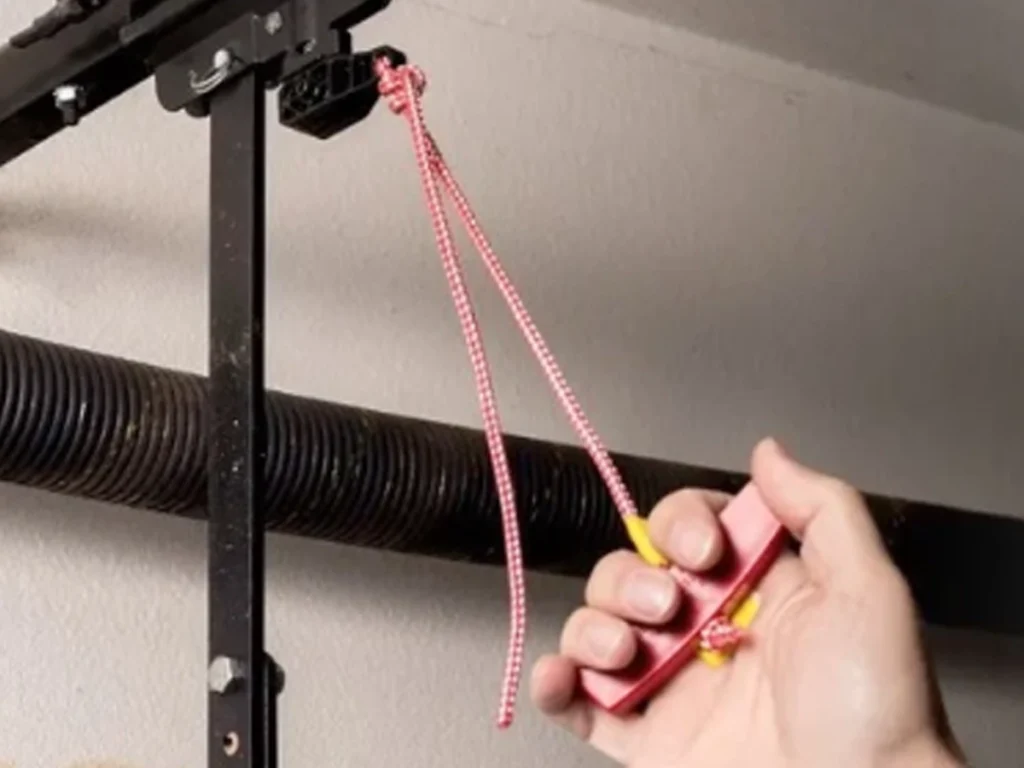
To prepare for unexpected garage door emergencies, learn warning signs, keep people away from damaged equipment, and know when to call a trained professional. Do not try to repair springs, cables, tracks, or an operator without proper training. Instead, secure the area, record safe details, and use another entrance when possible. A strong plan covers a door that will not open, a door that will not close, power loss, weather damage, and routine maintenance. Everlast Garage Doors helps Franklin owners assess a door issue and choose safe next steps.
Know When a Door Problem Is an Emergency
A garage door emergency is any condition that makes the doorway unsafe, prevents needed access, leaves a space exposed, or puts a person at risk. A door does not have to fall to create an urgent concern. For example, a door that hangs at an angle can be unsafe even when it is not moving. Likewise, a door that is stuck closed can prevent a vehicle from leaving.
- A door stuck open may create a security concern and expose property to rain or wind.
- A door stuck closed may trap a vehicle and interrupt work, appointments, or deliveries.
Other warning signs include a loud bang, a loose cable, a broken spring, an off track door, or a door that stops partway. In addition, a door that closes and immediately reverses needs attention. Do not stand beneath an uneven door or try to guide it by hand. A professional inspection is the safer next step because heavy doors contain parts that can hold dangerous force.
Put People Before Access
When a garage door fails, it is natural to focus on the car, the delivery, or the open space. However, safe decisions start by protecting people. The first minutes after a failure can affect whether the problem stays limited or becomes much worse. A door that looks only slightly uneven may become unstable if someone keeps using the remote.
- Stop using the remote, keypad, wall button, and app if the door moves in an unusual way.
- Keep children, pets, customers, staff, vehicles, and tools away from the opening and side hardware.
Do not pull on cables, loosen brackets, or adjust springs. Instead, isolate the area and arrange a qualified inspection. This protects people and preserves the door for a proper repair.
Build a Simple Emergency Plan
A useful emergency plan can fit on one page. It does not need technical language. It should tell family members, managers, or staff what to do when a door cannot move safely. Keep the plan with property records, maintenance files, or another place that responsible people can find quickly. Then review it after changes to staffing, vehicles, or building use.
- Identify which garage doors are critical for security, customer access, vehicles, or daily operations.
- Name the person who can contact a repair provider and the person who can keep the area clear.
Next, add a safe alternate entry plan. A home may use another exterior door, while a business may direct a delivery to another approved entrance. Include a reminder that springs, cables, tracks, and opener settings are not do it yourself emergency tasks. The plan should also state when to call emergency services for an immediate danger. Clear instructions help people act calmly instead of guessing.
Prepare for a Door Stuck Open
A garage door stuck open can feel urgent because the property may be exposed. Yet forcing it down is not always safe. If the door is crooked, off track, or hanging from one side, moving it can cause more damage. First, step away and look only from a safe distance. Then decide how to protect people and nearby property without touching the door.
- Keep vehicles out of the doorway and move portable items only when they are well away from the door.
- Use another secure entry when possible while waiting for a professional assessment.
If rain or wind is coming, protect nearby items only if doing so does not place anyone close to moving parts. The National Weather Service thunderstorm safety resources can support a wider weather plan. However, a garage should not be used as a storm shelter. A garage door is not a reliable barrier during severe weather. Safety comes first, even when an open doorway is frustrating.
Prepare for a Door Stuck Closed
A door stuck closed creates a different pressure, especially when a vehicle is inside. Repeatedly pressing the remote can make an existing problem worse. Therefore, pause before trying another command. Check that nobody is in the door path, and look for a safe alternative to the immediate travel need. A calm response is usually faster than several risky attempts.
- Confirm that the path is clear before anyone uses a control or approaches the opening.
- Use another safe exit, vehicle, or travel option if one is available for the immediate need.
Some openers have a manual release. Still, release use can be dangerous if the door is open, unbalanced, or affected by a broken spring. Follow the specific manufacturer instructions only when conditions are safe. If there is doubt, wait for professional guidance. A technician can determine whether the door can be released, secured, and moved without creating a new hazard.
Plan for Power Loss
Power loss can leave an automatic garage door unresponsive. It may also happen during weather that makes movement and visibility harder. Before an outage occurs, read the owner manual for the exact opener and learn where the manual release is located. Nevertheless, knowing its location does not mean it is safe to use in every condition. The state of the door matters first.
- Keep a charged flashlight near an approved exit rather than relying on a phone with little battery.
- Make sure key people know which exterior door can be used if the garage door will not operate.
Do not pull the manual release when the door is open or looks unbalanced. A heavy door can move suddenly when it is detached from the operator. Also, do not run a portable generator inside a garage because of carbon monoxide danger. When power returns, watch the first cycle from a safe place. Stop use and request service if the door strains, stops, or reverses.
Respond Carefully After Storms and Impacts
Weather and vehicle impacts can damage panels, tracks, hardware, and controls. After a storm or impact, many owners want to test the door immediately. However, a safe visual review is a better first move. Look from the ground and keep clear of the door opening. If debris is present, do not move it near the door unless it is clearly safe.
- Look for bent tracks, crushed panels, loose hardware, gaps, standing water, or items against the opening.
- Keep the door closed and avoid operating it when visible damage affects the door path.
Take photographs from a safe location if they are needed for property records or insurance. Do not climb a ladder or work beside a damaged spring to get closer images. A garage door technician can inspect components that are not obvious from the ground. This includes rollers, hinges, cables, springs, and the operator. Careful reporting supports a safer decision about repair, replacement, or temporary security.
Use a Clear Call Checklist
Clear facts help a repair provider understand the immediate issue. You do not need to know every part name. In fact, plain descriptions are often better than guesses. Explain what you saw, heard, and needed the door to do. This can help the provider prepare for the visit while keeping expectations realistic.
- Describe whether the door is open, closed, partly open, crooked, noisy, blocked, or off track.
- Share when the issue started, whether there was an impact or outage, and how access is affected.
It is also useful to identify the door type and state whether the controls or lights respond. A photo can be helpful when it is taken from a safe area. Never step under a raised door or stand beside a loose cable to get an image. Be honest about what is unknown. A reliable diagnosis begins with safe details, not assumptions about the cause.
Avoid the Most Common Emergency Mistakes
Many door emergencies become more serious because someone tries a fast home repair. That reaction is understandable when a car is trapped or a building cannot be secured. Yet springs and cables can release stored force unexpectedly. Tracks can also shift when a door is out of line. Therefore, the safest choice is usually to stop, secure the area, and call a qualified technician.
- Do not loosen bolts, cut cables, remove brackets, or change spring hardware to make the door move.
- Do not push the door with a vehicle, pull it with a rope, or brace it using unstable items.
Avoid changing the opener force setting just because the door will not close. The setting may not be the cause, and an incorrect change may reduce safety. Also, do not leave a remote in an unsecured vehicle if the door cannot close. Small protective actions can lower risk while help is arranged. The goal is not to solve every problem alone. It is to prevent a serious injury or greater damage.
Practice Preventive Maintenance
Unexpected garage door emergencies cannot always be avoided. Storms, age, and accidents can create sudden damage. Even so, routine care can reveal wear before it causes an urgent disruption. It also helps property owners learn how their door normally sounds and moves. As a result, changes are easier to spot early.
- Schedule professional inspections based on door age, usage, conditions, and manufacturer guidance.
- Ask everyone who uses the door to report new sounds, slow travel, uneven movement, or gaps early.
During a safe visual check, notice whether the door looks level and closes without a gap. Test safety features only as directed by the owner manual. This history can help a technician understand recurring concerns and can make future decisions easier.
A Home Example: The Busy Morning Failure
Imagine a Franklin homeowner about to leave for work. The door rises a few feet, makes a sharp sound, and stops at an angle. The car is inside, and the owner feels rushed. Still, the safest response is not to pull the door or ask someone else to hold it. Instead, the emergency plan guides a calmer next step.
- The owner stops pressing the opener and keeps people away from the opening.
- The owner uses a backup ride or travel plan while requesting a professional assessment.
The cause could involve a spring, cable, track, roller, or operator. This example does not predict one diagnosis because every door needs its own inspection. It shows how preparation helps. A backup travel plan and a firm rule against handling moving parts can prevent a stressful delay from becoming an injury. Preparedness gives property owners more control during an inconvenient moment.
A Business Example: The Open Loading Door
Consider a Franklin business where a loading door will not close at the end of the day. The manager wants to protect equipment, finish closing work, and limit disruption. However, the door looks uneven. The right choice is not to force it down. The team can follow its emergency plan while waiting for a proper assessment.
- The manager clears the loading zone and keeps staff away from the door and track area.
- The team uses an approved security plan and contacts a garage door professional for guidance.
The condition may involve a cable, roller, track, spring, panel, or operator. Only an inspection can show what is required. The key point is that the business protects people while it manages the disruption. For major commercial changes or related work, owners can review City of Franklin construction information and confirm any relevant permit requirements before work begins.
Garage Doors Helps Franklin Owners
Practical approach to unexpected garage door emergencies. We know a failed door can disrupt a family morning, leave a business exposed, or create a stressful concern for a property manager. Therefore, we focus on safety, clear communication, and a repair path that fits the observed condition.
- We encourage owners to report symptoms clearly and keep people away from damaged moving parts.
- We explain inspection findings in plain terms so decision makers can understand the next recommended step.
We do not promise a diagnosis before inspecting the door because each site has different conditions. Instead, our work begins with a careful review of the door, the immediate risk, and the operational need. This approach supports safer decisions for homes and businesses throughout Franklin. It also reflects our goal of being a dependable local resource for garage door preparedness and professional service.
Frequently Asked Questions
What should I do if my garage door will not close?
First, keep people and vehicles out of the door path. Do not force the door down if it is crooked, off track, or making unusual sounds. Check whether another safe entrance is available, then contact a qualified garage door professional. A technician can determine whether the issue involves the opener, sensors, springs, cables, tracks, or another important part.
Can I open my garage door manually during a power outage?
It depends on the door condition and the manufacturer instructions. Manual release can be unsafe if the door is open, unbalanced, or affected by a broken spring. Before an outage, review your opener manual and identify safe alternate exits. During an outage, do not release or move a door that looks uneven or feels unusually heavy. Seek professional help when unsure.
Is a broken garage door spring an emergency?
A broken spring can be urgent because it may make a door heavy, unstable, or impossible to operate normally. Do not try to replace or adjust the spring. Stop using the door, keep people away from side hardware, and request professional service. A technician can secure the door and inspect related parts before deciding which repairs are safe and appropriate.
Should I keep using a garage door after it comes off track?
No. A door that has left its track can bind, fall, or damage more parts if it continues moving. Stop operating the door and keep people clear of the opening. Do not push the door back into place or loosen track hardware. A trained garage door technician can assess the track, rollers, cables, and door alignment safely before restoring operation.
How can I reduce the chance of a garage door emergency?
Arrange routine professional inspections, report unusual sounds or movement early, and keep the door path clear. In addition, make sure family members or staff know not to handle springs, cables, or tracks. Keep a simple plan for power loss, alternate entry, and professional assistance. These steps cannot prevent every issue, but they improve readiness and reduce avoidable risk.
Conclusion: Prepare Today for a Calmer Response Tomorrow
Unexpected garage door emergencies are easier to manage when owners know the warning signs, put safety first, and keep a simple plan. Do not wait for a stuck or damaged door to decide who will act and how. Contact Everlast Garage Doors in Franklin for a professional inspection and a practical readiness plan for your home or business.
Everlast Garage Doors we provide complete Garage Door Services for both residential and commercial properties. Our team handles Garage Door Installation, Repair, Maintenance, Custom Designs , and full Door Replacements to ensure long-lasting performance and reliability. We also offer Emergency Garage Door Service to quickly resolve urgent issues and keep your property secure and fully operational. you can count on quality, durability, and trusted service every step of the way.
For service, call 615-808-8806. The Franklin office is at 1107 Battlewood St #222, Franklin, TN 37069. Share the door position, sounds, recent impacts, and visible concerns when requesting help.