
The Consumer Product Safety Commission says that automatic garage door openers sold after 1991 need reversing systems. That surprising rule matters when an older overhead door remains in daily use. Garage Door Repair helps Franklin homeowners assess the door, its moving parts, and its safety controls as one complete system.
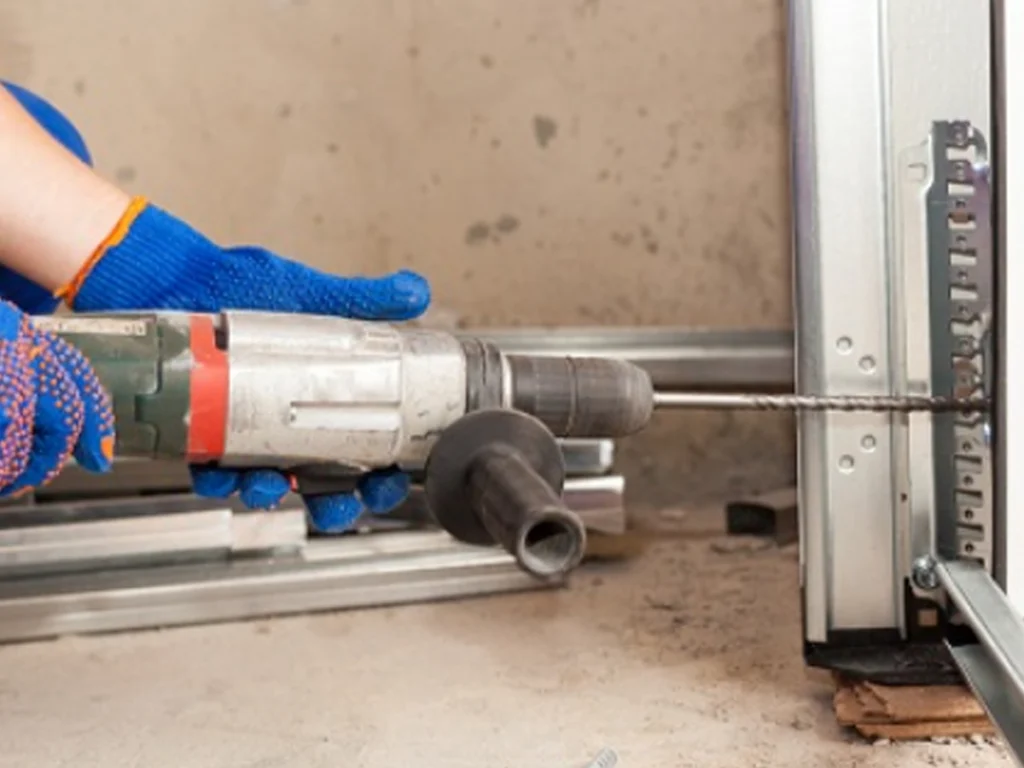
Garage door repair for an older overhead door begins with a full condition review, not a quick guess based on age. A trained technician can check panel strength, hinges, rollers, tracks, springs, cables, the opener, weather seals, and safety devices. Some doors need a focused repair, such as new rollers or a seal. Others need several related repairs, an opener update, or a replacement discussion. Homeowners should stop using a door that is crooked, binds, has a loose cable, or has a broken spring. A clear inspection can explain what is worn, what remains useful, and what needs prompt action.
Older overhead doors often carry years of family use, past repairs, and changing needs. Some remain strong doors with a few worn moving parts. Others have hidden wear that appears only during a careful test. Therefore, the best choice is rarely to repair everything or replace everything.
- A useful inspection looks at the door as one moving system, not as separate parts.
- A clear repair plan helps owners decide before a door fails during a busy day.
We do not assume an older door is beyond help. Instead, we look at present condition, daily use, safety needs, and the practical value of each option.
Why Older Overhead Doors Need a Different Review
An older door has a history. It may have original hardware, a newer opener, a past panel repair, or years of seasonal movement. As a result, it may contain parts from several periods. That mix does not make the door unsafe by itself. However, it means the inspection needs care.
For example, a door can look fine from the street while a roller wheel wears inside the track. Likewise, a new coat of paint can hide small panel rust or old fasteners. A professional review moves the conversation from appearance to safe function.
- Older doors can have solid panels but worn parts that change daily travel.
- A repair decision should consider safe movement, part support, and owner goals.
The Door and Access Systems Manufacturers Association explains that garage doors should move smoothly, even as they age. If a door struggles during manual use, a spring system may be out of balance. Since springs hold high force, trained service is the safe response.
Begin With a Safe Condition Check
Before any repair decision, make the area safe. Close the door if it will close normally. Keep people, pets, and vehicles clear of the opening. Then observe the door without touching springs, cables, hinges, or the spaces between sections.
Look for a tilted bottom edge, loose cable, roller outside the track, cracked wood, bent metal, or a bowed panel. Next, listen while the door moves from a safe distance. A new scrape, repeated click, or heavy strain is useful information for an inspection.
- Stop using the opener if the door shakes hard, binds, or travels unevenly.
- Request prompt service if a cable is loose, a spring breaks, or a roller escapes its track.
It also encourages regular checks of the door and opener. Those points are safety guideposts, not a diagnosis. The actual cause still needs careful inspection.
Separate Cosmetic Age From Working Age
Many Franklin homes have real character, and an older overhead door may match that style. Faded paint, dated windows, and minor finish wear can be visual concerns. In contrast, cracked panels, loose joints, severe rust, or damaged reinforcement may affect how the door moves.
Cosmetic age does not always call for replacement. Yet a door should not stay in service if its structure cannot safely support normal travel. This distinction helps homeowners spend time and money on the right issue first.
- Cosmetic work can improve the look when structure and hardware remain sound.
- Functional damage needs a repair review before paint, trim, or decoration.
In our professional view, one question gives the clearest start: does the door still move as a controlled system? That question directs attention to panels, hinges, tracks, rollers, springs, and the opener rather than surface appearance alone.
Check Panels, Sections, and Hinges Together
Older overhead doors may use wood, steel, or composite sections. Wood can show moisture damage and splitting. Steel can corrode. Any material can develop dents, cracks, or weak attachment points around hinges. Therefore, the panel material affects the repair conversation.
A technician checks how each section meets the next section. The goal is to see whether the panels can follow the track curve without unusual flex. One loose hinge can place extra stress on a nearby panel, so a single visible flaw may not tell the whole story.
- Look for cracks near hinges, loose fasteners, bowed sections, or uneven panel gaps.
- Report the location of a dent or gap rather than trying to straighten moving panels.
An older door does not need perfect looks to be worth repairing. Still, panel damage deserves a calm review. The answer may be a hinge repair, reinforcement, a section replacement when available, or a wider replacement plan.
Review the Moving Path Before the Opener
The opener moves the door, but it cannot make a damaged door safe. Therefore, a careful repair process first considers whether the door can travel through its tracks in a controlled way. This is especially important when an older door has been paired with a newer opener.
Rollers should travel in their intended path. Tracks should be firmly supported and free from severe bends. The door should not scrape hard on one side or roll at a clear angle. These observations help the technician find the proper repair order.
- A noisy opener may be reacting to door resistance rather than causing it.
- A track, roller, or hinge concern can affect the full path of an older door.
Do not force a track back into shape or loosen spring related brackets. DASMA cautions that bottom brackets connect to the spring system and need trained attention. A repair can be simple only after the source of the problem is understood.
Treat Springs and Cables as Professional Work
Springs balance much of the door weight. Cables work with the spring system to lift and lower the door in a controlled way. Both are dangerous when damaged or adjusted without correct training. This is not a place for a quick home repair.
An older door may have a broken spring, a frayed cable, or a door that drops or feels very heavy. Yet a symptom alone cannot show which parts require service. A trained review identifies the needed work and checks the hardware around it.
- Never loosen a bottom bracket, cable drum, spring fitting, or winding part.
- Stop using the door if a cable comes off its drum or a spring appears broken.
This is why good garage door repair depends on skilled assessment, not force or guesswork.
Consider the Opener and Safety Controls
An older overhead door may use an opener from another period or an opener installed years later. The door and opener must work together. A newer opener cannot correct a door that is out of balance, worn, or binding.
Start with safety basics. It also urges owners to test reverse action as their manual directs and to keep controls away from children. Follow the manual for the exact model.
- Follow the owner manual when testing reverse and photo eye features.
- Stop use if the opener does not reverse as intended until proper service occurs.
An opener review can include controls, photo eyes, mounting, travel limits, and the condition of the door itself. The decision should focus on safe compatibility and daily use, not simply on adding a new remote.
Plan Repairs Around Real Home Use
Repair choices should fit how the household uses the garage. A door that opens twice each week has different demands than one used repeatedly every day. Vehicle storage, work areas, school routines, and entry habits can shape the repair priority.
For example, a household that uses the garage as its main entrance may value quiet, reliable travel. A homeowner who stores tools or equipment may need dependable manual access and better sealing. These needs do not prove one repair is best. They make the discussion more specific.
- Describe daily cycles, new sounds, past repairs, and access needs during service.
- Ask for findings in plain language, including urgent work and planned work.
This is where experience matters. A strong technician listens to the owner before offering a repair path. In our opinion, homeowners deserve recommendations tied to their door, not a standard plan for every older home.
An Illustrative Repair Decision
Here is a composite example, not a report from one customer visit. A Franklin homeowner has a wooden overhead door that still suits the home. Recently, the door moves slowly and makes a repeated click near the curved track.
An inspection finds worn rollers and a loose hinge area, while the panels remain serviceable. The technician explains that new rollers and hinge work may restore controlled travel. The owner also learns what conditions could make a future door replacement worth reviewing.
- This example shows why one sound should not decide the whole repair plan.
- It also shows how repair can preserve useful parts without ignoring safety.
Every door needs its own inspection. However, a clear example helps avoid two poor choices: ignoring warning signs or replacing a full door without first understanding the repair option.
Know When Replacement Belongs in the Discussion
Repair may be practical when damage is limited, parts remain available, and the door structure is sound. Replacement deserves consideration when damage is widespread, failures repeat, critical parts lack support, or safety needs cannot be met well.
The aim is not to make age the deciding factor. Instead, compare present condition, expected repair scope, access needs, and long term value. A written assessment helps homeowners compare those choices without pressure.
- Ask whether a proposed repair addresses the root cause or a short term symptom.
- Ask how part support, structure, and safety features affect future choices.
If a larger garage change is planned, review the City of Franklin construction information and applicable permit requirements. Permit needs depend on project scope, so local guidance is the right source.
Build a Practical Care Routine After Repair
Good repair work should be followed by simple observation. Owners do not need to dismantle the door. Instead, they can keep the opening clear, watch for new changes, follow the manual, and arrange maintenance when it is due.
The purpose is early awareness. Changes in sound, movement, or appearance are easier to explain before the door becomes hard to use. Regular service also gives a technician a chance to see wear before it creates a larger disruption.
- Make a monthly visual check for loose parts, unusual movement, and clear sensor areas.
- Keep the owner manual nearby and record new symptoms with a date and location.
Choose Garage Door Repair With Clear Questions
For an older overhead door, the best repair choice begins with accurate questions. What is worn? Does the door move smoothly? Are safety features working? Can the important parts still be supported? What is the most practical next step for this home?
We help decision makers understand door condition, compare suitable choices, and avoid dangerous work around high tension components.
- Schedule an inspection when an older door becomes noisy, uneven, heavy, or hard to operate.
- Choose a repair conversation that explains priorities, safety limits, and future options.
If your older overhead door no longer feels dependable, contact Everlast Garage Doors through the website to arrange a professional assessment. Thoughtful garage door repair can preserve what still works while addressing the parts that need care now.
Everlast Garage Doors we provide complete Garage Door Services for both residential and commercial properties. Our team handles Garage Door Installation, Repair, Maintenance, Custom Designs , and full Door Replacements to ensure long-lasting performance and reliability. We also offer Emergency Garage Door Service to quickly resolve urgent issues and keep your property secure and fully operational. you can count on quality, durability, and trusted service every step of the way.
For service, call 615-808-8806. The Franklin office is at 1107 Battlewood St #222, Franklin, TN 37069.
Frequently Asked Questions
Can an older overhead garage door be repaired?
Many older overhead doors can be repaired when the main structure remains sound and suitable parts are available. A technician should inspect panels, hinges, rollers, tracks, springs, cables, and safety controls before recommending work. Age alone does not decide the answer. The door condition, use, repair history, and safety needs are more useful factors.
What are common signs an old garage door needs repair?
Common signs include new scraping or popping sounds, uneven travel, a door that feels heavy, loose cables, worn rollers, bent tracks, cracked panels, and a door that does not close or reverse correctly. These signs do not prove one exact fault. However, they are good reasons to stop forcing the door and request a professional inspection.
Is it safe to replace garage door springs myself?
No. Garage door springs and related cable hardware hold substantial force and can cause serious injury when handled incorrectly. If a spring breaks or a cable comes loose, keep people clear of the opening and arrange professional service rather than attempting an adjustment.
Should I repair or replace an older garage door opener?
The decision depends on condition, compatibility with the door, and safety performance. If an opener does not reverse as its manual directs, it should not be used until it receives appropriate adjustment, repair, or replacement by a qualified professional.
How often should an older garage door be professionally inspected?
A yearly professional visit is a sensible baseline for many older doors, while busy doors may need more attention. DASMA recommends monthly owner checks along with yearly trained service. Arrange a visit sooner after a hard impact, broken spring, loose cable, uneven movement, or new repeated noise