
Garage Door Parts Explained for Franklin Homeowners
A garage door is often the largest moving object in a home, which makes every working part important for safe daily use. The Door and Access Systems Manufacturers Association explains that springs and related hardware operate under high tension, so homeowners should treat unusual movement seriously and avoid touching these parts.
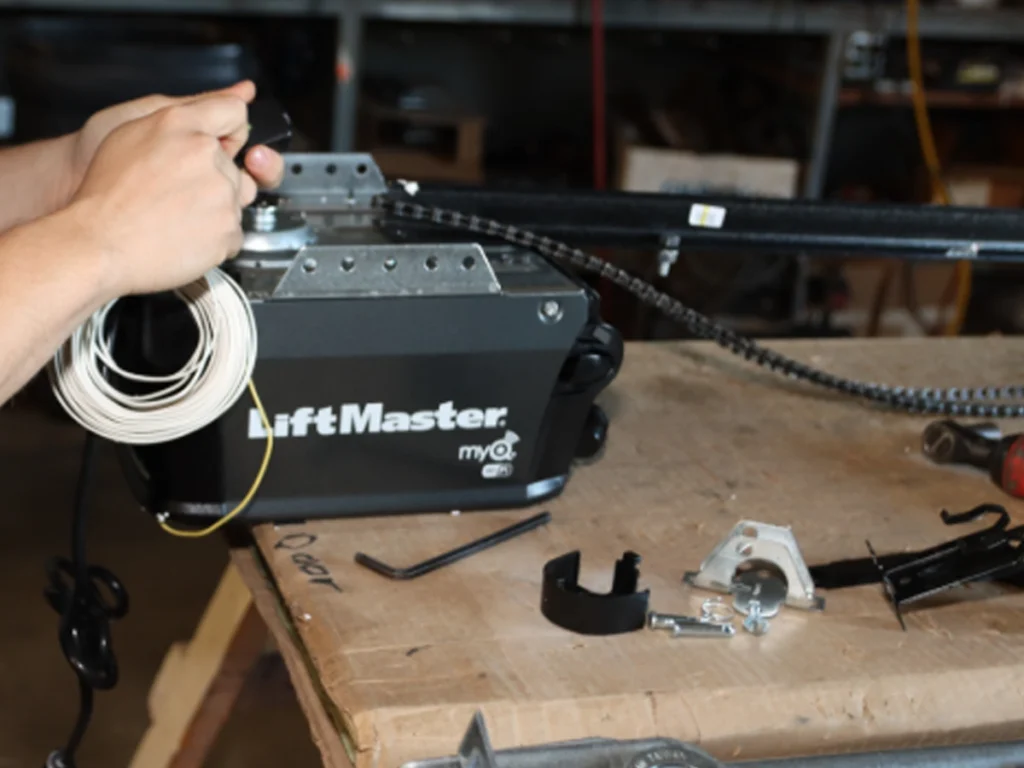
Garage door parts work as one connected system. Panels create the door surface, tracks guide movement, rollers help the door travel, springs offset the door weight, and cables carry spring force to the bottom brackets. The opener moves a balanced door, while sensors and reversing controls help protect people and property. When one part wears out, it can place added stress on other parts. Therefore, Franklin homeowners should know the main components, watch for warning signs, and arrange professional service for springs, cables, brackets, or major alignment concerns.
A working garage door may look simple from the driveway. However, the system behind it contains many moving parts that must stay aligned and balanced. When one small item begins to fail, the door may become noisy, heavy, uneven, or unreliable. Therefore, knowing the role of each part helps homeowners make better repair decisions.
At Everlast Garage Doors, our service experience has shown that early warning signs often matter more than homeowners expect. For example, a slow roller, worn hinge, or damaged seal may appear minor at first. Yet each problem can gradually affect the door, opener, tracks, and daily safety. This guide explains what the main garage door parts do and why timely care matters in Franklin.
Garage Door Panels Create the Main Door Surface
Garage door panels are the large sections that form the visible face of the door. Most residential sectional doors use several horizontal panels that bend at the hinges as the door moves upward. Therefore, the panels allow the door to follow the curved track path and rest overhead.
Panels also shape curb appeal, insulation, and basic protection from weather. Some doors use steel panels, while others use wood, aluminum, composite materials, or insulated construction. The best material depends on your home design, local conditions, maintenance preferences, and budget.
- Panels connect through hinges so the door can bend smoothly around the track curve.
- Insulated panels can help reduce heat transfer and may lower outside noise.
A dented panel does not always mean that the entire door needs replacement. However, the right decision depends on the panel condition, door age, manufacturer availability, and structural damage. If a panel bends near a hinge point, roller stem, or strut, it may affect how the door moves.
In our view, homeowners should not judge panel damage by appearance alone. A door can still close while carrying hidden stress in the hinges or track path. Therefore, a trained inspection can help separate a cosmetic concern from a movement concern.
Hinges Let the Sections Bend as the Door Moves
Garage door hinges join the panels together. They allow each section to pivot as the door moves from the vertical opening into the horizontal track. Without working hinges, a sectional garage door cannot follow its intended travel path.
Hinges come in several positions and sizes. The center hinges connect panel sections in the middle. End hinges sit near the tracks and often hold roller stems. Since end hinges help guide rollers, damage in that area can affect door alignment.
- Center hinges allow the panels to fold as the door opens and closes.
- End hinges support roller placement and help guide the door through the track.
A squeak may come from a dry hinge. However, a cracked hinge, loose fastener, or warped panel connection needs closer attention. Lubrication may help normal metal movement, but it cannot correct a bent hinge or damaged mounting point.
Franklin homeowners should listen for new noises during regular use. A sharp pop, scraping sound, or repeated click can indicate that a hinge, roller, or track needs inspection. Early service may help prevent a panel from becoming damaged later.
Rollers Help the Door Travel Through the Tracks
Garage door rollers are small wheels that sit inside the tracks. Their job is to help the door move up and down with less friction. Each roller uses a stem that fits into an end hinge or bottom bracket.
Rollers can be made from steel, nylon, or other materials. The right roller type depends on the door design and expected use. Nylon rollers are often chosen for quieter movement, while steel rollers can suit certain door systems and applications.
- Rollers guide each door section through the vertical and horizontal track sections.
- Roller bearings may affect smoothness, noise level, and service life.
A worn roller may wobble, bind, make a grinding sound, or come loose from its path. In some cases, the door may shake as it travels. Because rollers work with hinges and tracks, a roller issue can also be a sign of a larger alignment problem.
It is wise to avoid forcing the door when a roller comes out of the track. The door may be unstable, and further use can bend the track or damage panels. Instead, keep people clear of the opening and request professional evaluation.
Tracks Give the Door a Safe Travel Path
Garage door tracks are the steel channels that guide the rollers. Each side of the door has a vertical track near the opening and a horizontal track above the garage. Curved track sections connect these paths.
Tracks must stay properly secured, spaced, and aligned. If a track bends or shifts, rollers may bind or leave the channel. As a result, the door may move unevenly, stop partway, or create loud rubbing sounds.
- Vertical tracks guide the door while it rises beside the opening.
- Horizontal tracks support the door after it moves into the overhead position.
A homeowner can visually look for loose bolts, dirt buildup, obvious bends, or a roller sitting outside the track. However, track adjustment requires care because the door system may be under load. Do not loosen brackets or force a track back into place.
The garage door does not need perfectly silent operation. Still, sudden scraping, shaking, or dragging deserves attention. In our experience, small track concerns are often easier to address before they affect rollers, hinges, panels, or opener force settings.
Springs Balance the Weight of the Door
Garage door springs do not lift the door by themselves. Instead, they counterbalance much of its weight, which allows the door to move with far less effort. The opener then guides a properly balanced door rather than carrying the full load.
Many residential doors use torsion springs mounted above the opening. Others use extension springs that stretch along the horizontal track area. Both systems store significant energy, so they require special care during adjustment or replacement.
- Torsion springs use torque to support the door through a shaft and cable system.
- Extension springs stretch and should include safety cables to help contain a broken spring.
Never try to replace, wind, unwind, or remove a garage door spring without appropriate training and tools. This is one area where professional service is not simply convenient. It is the safer choice.
Cables, Drums, and Bottom Brackets Transfer Spring Force
Garage door cables connect the spring system to the bottom of the door. On a torsion spring system, cables wrap around drums near each end of the shaft. As the door moves, the drums manage the cable path and help keep lifting force balanced.
Bottom brackets attach near the lower corners of the door. These brackets hold the cable ends and often support the bottom roller stems. Because the cables and brackets carry spring force, they should never be adjusted casually.
- Cables help transfer spring force from the shaft system to the lower door sections.
- Drums guide cable placement so both sides of the door lift at a similar rate.
A loose cable can make the door rise crookedly or become stuck. A frayed cable can also signal wear that needs prompt attention. However, cable problems may result from a roller issue, track problem, damaged drum, broken spring, or door impact.
If you see a cable hanging loose, stay clear of the door and do not operate it. The system can be unbalanced, and the door may move unexpectedly. A professional can identify the root cause before replacing the affected garage door parts.
The Opener Moves a Balanced Garage Door
The garage door opener is the motorized unit that opens and closes the door. It may use a chain drive, belt drive, screw drive, or direct drive system. While the opener is important, it is not designed to lift an unbalanced door.
The opener receives commands from wall controls, remotes, keypads, and connected devices. It then moves the door through a rail and trolley system. Modern systems may also include battery backup, lights, camera features, or mobile controls.
- The motor provides movement after the spring system offsets most door weight.
- The trolley connects the opener rail to the door through an arm assembly.
A door that reverses, strains, or stops may have an opener issue. However, it may also have a broken spring, binding roller, damaged track, or poor balance. Replacing an opener without checking the rest of the system can leave the real problem unsolved.
A useful rule is simple. If the door suddenly feels heavy when disconnected from the opener, the issue may involve the counterbalance system. Homeowners should not keep running an opener against a heavy door because that can cause further damage.
Safety Sensors Help Protect the Door Opening
Safety sensors, often called photo eyes, sit near the bottom of the garage door tracks. They send an invisible beam across the opening. If something breaks that beam while the door closes, the opener should respond according to its design and settings.
These sensors are an important part of modern automatic door safety. UL Solutions notes that safety standards and entrapment protection devices have helped reduce incidents associated with automated door systems.
- Photo eyes help detect objects or people in the path of a closing door.
- Reversing functions add another layer of protection when the system senses resistance.
Dirty sensor lenses, loose wires, sunlight, misalignment, or physical impact can interrupt normal function. A common sign is a door that begins to close and then reverses. In other cases, the opener lights may blink to signal a sensor concern.
Homeowners can gently clean the sensor lenses and check for clear obstructions. However, do not bypass, disconnect, or permanently disable the safety system. If the problem continues, have the system inspected and repaired properly.
Seals, Struts, and Reinforcement Protect the Door
The weather seal runs along the bottom and sometimes around the sides and top of the door. It helps limit drafts, dust, rain, leaves, and small pests. It also helps the door sit more evenly against the floor.
Struts are reinforcement bars, usually mounted across the back of the top panel and sometimes other panels. They help reduce flexing, especially on wider doors. Since the opener arm often connects near the top section, that area needs strong support.
- Bottom seals help close small gaps between the door and the garage floor.
- Struts support wider panels and can reduce bending during operation.
A torn bottom seal can allow water and debris into the garage. Meanwhile, a bent strut can affect the top section and place stress on the opener connection. These garage door parts may seem secondary, yet they help protect the larger system.
Franklin weather can bring heat, rain, and seasonal changes that affect seals and moving parts. Therefore, a simple visual check every few months can help homeowners notice cracks, hard rubber, loose fasteners, or damaged reinforcement.
Remotes, Keypads, and Wall Controls Send Commands
Controls make the garage door system convenient. A wall button sends a direct command from inside the garage. A remote lets drivers operate the door from a vehicle. A keypad allows entry through a personal code.
Some openers now include mobile control through an app. These features can be useful for households, property managers, and busy decision makers who need more awareness of garage access. However, convenience should never replace good safety habits.
- Wall controls provide a direct way to operate the door from inside the garage.
- Remotes and keypads provide controlled access from outside the garage.
If a remote stops working, the cause may be a battery, programming issue, range issue, damaged button, or opener receiver concern. A keypad issue may involve its battery, code setup, weather exposure, or wiring.
Homeowners should keep remotes secure and update keypad codes when household access changes. If a control problem happens with door movement problems, request a complete inspection. That approach helps avoid treating a system issue as a simple remote issue.
What Homeowners Can Check Safely
Regular observation can help you spot changes before they become serious. Still, garage door maintenance has clear limits. Springs, cables, bottom brackets, drums, and related hardware are not safe do it yourself projects.
A basic check should focus on what you can see and hear without touching high tension components. The goal is not to repair the system yourself. Instead, it is to recognize when professional attention is appropriate.
- Watch for uneven movement, noisy travel, visible damage, or gaps around the closed door.
- Keep the sensor area clear and test reversing features according to the opener manufacturer instructions.
You can also listen for a new grinding, scraping, popping, or banging sound. Notice whether the door stays level and whether it opens at a normal speed. If the door suddenly becomes heavy or the opener strains, stop using it until a technician evaluates the cause.
The best maintenance plan is practical. Keep the area clear, observe changes, follow the manufacturer guidance, and schedule service when concerns appear. This protects both the system and the people who use it.
A Franklin Example of Connected Garage Door Parts
Consider a homeowner who notices that their garage door starts moving with a slight shake. At first, the door still opens and closes. Therefore, it may be tempting to ignore the change and wait.
During inspection, the issue may be as simple as a worn roller. Yet that roller can create extra friction in the track. Over time, the door can pull unevenly, place stress on an end hinge, and cause the opener to work harder.
- One worn moving part can affect the performance of several connected components.
- An early inspection can identify the underlying cause before damage expands.
This example is not a diagnosis for every noisy or shaking door. Each garage door should be assessed based on its own condition. However, it reflects a common service principle: garage door parts work together, so repairs should consider the whole system.
Instead of focusing only on the visible symptom, a thorough assessment considers the door balance, track path, rollers, hinges, spring system, safety devices, and opener behavior.
Why Professional Garage Door Parts Service Matters
Garage door repair decisions should combine safety, value, and long term function. A part may be inexpensive, but the labor and system check around it can matter just as much. The right repair protects the door from repeat problems and helps homeowners make informed decisions.
A trained technician can assess whether a damaged part is isolated or part of a broader issue. This is especially important after a vehicle impact, a broken spring, a cable concern, or repeated opener trouble.
- Professional service helps identify root causes instead of only treating visible symptoms.
- A complete inspection can help homeowners prioritize urgent repairs and future maintenance.
For Franklin homeowners, the best outcome is a door that moves smoothly, closes reliably, and keeps safety features working as intended.
Frequently Asked Questions
What are the most important garage door parts?
The most important garage door parts include the springs, cables, drums, tracks, rollers, hinges, panels, opener, and safety sensors. Each has a different job, yet they work as one system. Springs and cables deserve special caution because they carry stored energy. A technician should inspect these parts when there is damage, noise, imbalance, or unreliable movement.
Can I replace garage door rollers myself?
Some homeowners may replace certain rollers, but the task can become unsafe if it requires working near bottom brackets, cables, or spring loaded hardware. Rollers also need correct sizing and placement. If your door is off track, shaking, or has a loose cable, do not attempt a simple roller replacement. Request a complete professional inspection first.
Why does my garage door reverse before it closes?
A garage door may reverse because the safety sensors are blocked, dirty, misaligned, or affected by wiring issues. It can also reverse when the door binds in the tracks or the opener senses too much resistance. First, check for clear obstructions and clean the sensor lenses. If the problem continues, schedule service rather than bypassing safety features.
How do I know if my garage door spring is broken?
A broken spring may create a loud noise, leave the door unusually heavy, or cause the door to open unevenly. The opener may hum without lifting the door, or the door may only rise a short distance. Do not operate the door repeatedly or touch the spring system. Springs are under high tension and should be handled by a trained technician.
How often should garage door parts be inspected?
A visual check every few months can help homeowners notice damage, noise, loose hardware, or seal wear. A professional inspection is helpful when the door is noisy, uneven, slow, unreliable, or heavily used. The correct schedule depends on the door type, use level, age, climate exposure, and manufacturer guidance. Regular service can help identify wear before failure occurs.
Garage door parts are easier to understand when you view them as one connected system. Panels, hinges, rollers, tracks, springs, cables, seals, sensors, and openers each perform a specific task. Therefore, a reliable door depends on more than one visible part.
We provide complete Garage Door Services for both residential and commercial properties. Our team handles Garage Door Installation, Repair, Maintenance, Custom Designs , and full Door Replacements to ensure long-lasting performance and reliability. We also offer Emergency Garage Door Service to quickly resolve urgent issues and keep your property secure and fully operational. you can count on quality, durability, and trusted service every step of the way.
If your Franklin garage door is noisy, uneven, heavy, damaged, or unreliable, contact Everlast Garage Doors through the company website to request a professional evaluation. A careful inspection can clarify what each component needs and help restore smooth, safe operation.
For service, call 615-808-8806. The Franklin office is at 1107 Battlewood St #222, Franklin, TN 37069.