
A Franklin Guide From Door Choice to Safe Setup
A garage door is often the largest moving object in a home, which makes a careful Garage Door Installation Guide more than a style checklist. The Door and Access Systems Manufacturers Association explains that correct installation, operation, and testing are essential for safe door use. That fact changes the way a homeowner should approach a new door. Instead of starting with a color sample, begin with the opening, the daily use of the garage, and the safety system.
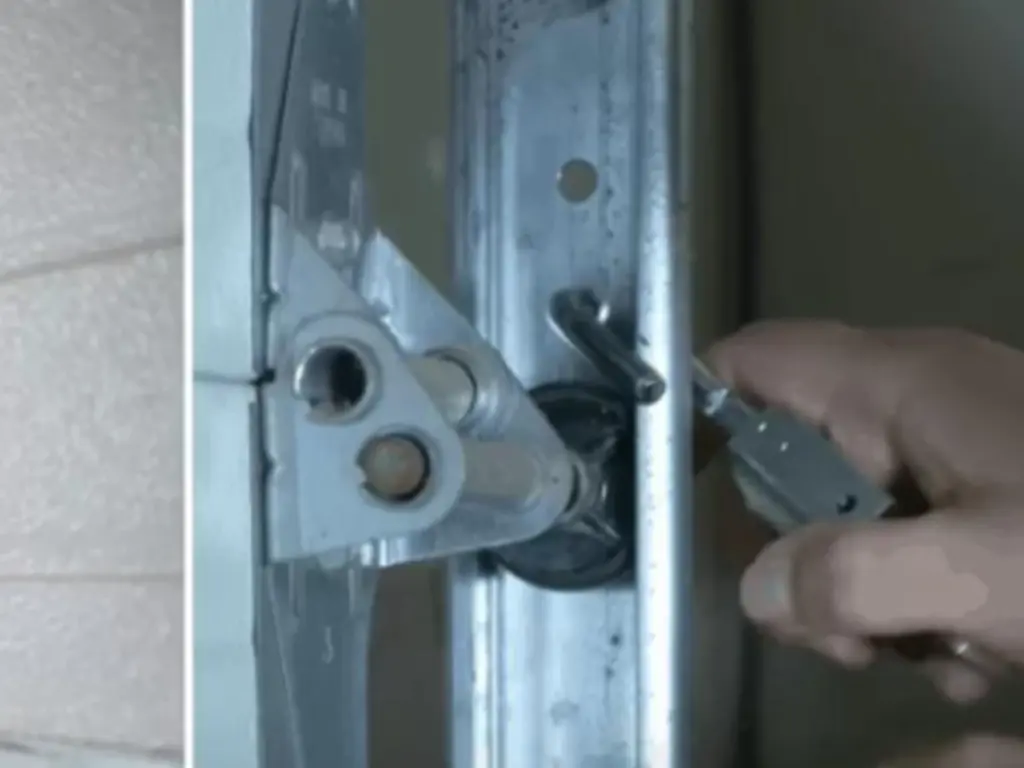
This Garage Door Installation Guide helps Franklin homeowners move from door selection to a safe finished setup. First, measure the opening and headroom. Next, choose a material, insulation level, style, and window layout that suit the home and garage use. Then, have a trained installer fit the door, tracks, springs, weather seal, and opener as one matched system. Finally, test door balance, photo eye reversal, wall controls, and manual release operation. Local permit or design questions should be checked with the City of Franklin before work begins.
Why the door deserves a full plan
Many owners see a garage door as a single purchase. However, the door, tracks, springs, cables, seal, opener, and controls work together every day. A strong door can still run poorly if its tracks are not square. Likewise, a quiet opener cannot correct a door that is too heavy or out of balance.
- A complete plan reduces last minute choices that can harm the final look.
- It also makes room for safety checks before the first remote control is used.
In my experience reviewing garage door projects, the smoothest installs start with clear questions. How is the garage used? Is it attached to living space? Does the family need better noise control, storage protection, or easy access? Those answers guide the selection more reliably than a catalog photo alone.
Start With the Opening and the Way You Live
Before choosing a panel style, look closely at the opening. Measure the width and height in more than one place. Also measure the clear space above the opening, beside each jamb, and inside the garage. A door may fit the front opening but still need a different track or lift arrangement inside.
- Record the smallest width and height, not only the largest measurements.
- Note pipes, lights, shelves, beams, and storage that could affect track travel.
Franklin homes vary widely, from newer neighborhoods to homes with more detailed exterior character. Therefore, the best setup begins with the house itself. An attached garage that shares a wall with a bedroom may benefit from a more insulated door. A workshop may need windows for daylight. A garage used mainly for vehicles may place a higher value on durable finishes and reliable daily operation.
Check the condition of the existing frame
An installer should inspect the jambs, header, floor, and surrounding framing before quoting the final setup. Wood rot, cracked concrete, uneven floors, and loose framing can affect sealing and alignment. If the opening needs repair, address that issue first. Otherwise, a new door may hide the symptom without fixing the cause.
- Look for light gaps around the old door on a sunny day.
- Watch for water marks, soft wood, or a floor that slopes toward the garage.
This is also the right time to discuss local rules. The City of Franklin provides a permitting information page and electronic permit portal. Requirements can depend on the work scope and property. Therefore, verify the current requirement with the city or a qualified local professional instead of assuming that every replacement follows the same path.
Choose the Door Material With Clear Trade offs
Material affects the look, upkeep, weight, cost range, and insulation choices. There is no single best material for every Franklin property. Instead, match the material to the home design, the amount of care you want to give it, and the conditions around the garage.
- Steel offers broad style options and is often chosen for its practical strength.
- Wood offers natural warmth but usually asks for more regular finish care.
Steel doors for practical daily use
Steel doors come in many panel patterns, colors, and insulation levels. They can support a clean modern look or a carriage house design. In addition, many models use a layered build that can improve dent resistance and help slow heat movement. The right coating and routine cleaning help keep the finish looking good.
- Consider a layered steel door if the garage is attached or used as a work space.
- Ask how the chosen finish should be cleaned and what scratches need attention.
Wood and wood look doors for visual character
Real wood can create a rich, custom look. However, the added care and weight should be part of the decision. Moisture, sun, and temperature changes can affect the finish over time. Wood look doors may offer a similar visual direction with a different care plan, although every product should be judged on its own build and warranty.
- Compare the long term care needs before selecting a natural wood finish.
- Make sure the spring and opener system match the final door weight.
Aluminum, glass, and other specialty choices
Aluminum and glass doors can give a modern home more light and a lighter visual feel. Yet privacy, insulation, and glass type deserve careful thought. For example, frosted glass can bring in daylight while reducing direct views into the garage. A trained consultant can show how each window option changes the door appearance and inside light.
- Choose glass that supports the privacy level needed for the space.
- Review insulation and seal details, especially when the garage is climate sensitive.
Match Insulation to Garage Use
Insulation is not merely a number on a sales sheet. It affects comfort, sound, and how quickly outside conditions influence the garage. You can read its garage door insulation guide for a useful starting point.
- A garage joined to living space may make insulation more valuable.
- A detached storage garage may have different needs and a different budget.
Understand R value without over promising
R value describes resistance to heat flow. In general, a higher rating indicates more resistance, but it does not promise a certain energy bill result. The full garage system also matters. Walls, ceiling insulation, air gaps, climate control, and daily door use all shape comfort.
- Compare complete door construction, not only the highest number in a brochure.
- Ask how the door edges and bottom seal will help control drafts.
When discussing insulation, I recommend plain language. If the garage feels too hot or too cold, identify why before buying. A door upgrade may help, yet open gaps, weak attic insulation, or an unsealed side door may also be part of the problem. This approach avoids a promise that one product alone can solve every comfort concern.
Pick a Style That Belongs on the Home
A garage door covers a large area of the front elevation. Therefore, style deserves the same care as material. The goal is not to copy every trend. The goal is to choose a design that supports the home rather than competing with it.
- Use panel lines that echo the home shape and exterior details.
- Consider window placement, hardware, and color together before making a final choice.
Panel design and color
Raised panels, flush panels, long panels, and carriage house patterns create different visual results. A quiet door design often works well when the home already has detailed brick, stone, or trim. Conversely, a simple home may benefit from more defined door panels or carefully placed windows.
- Review samples in natural daylight when possible.
- View the door choice from across the driveway, not only at close range.
Windows and decorative hardware
Windows can add light and make a wide door look less solid. However, the pattern should work with the home windows. Decorative handles and hinges can add carriage house character, although they should look intentional rather than crowded. A skilled designer can help narrow these choices before the order is placed.
- Place windows where they support light while protecting privacy.
- Keep hardware scaled to the door so it looks balanced from the street.
Treat Door Setup as a Matched System
The visible panels are only part of the job. Proper installation includes the tracks, rollers, cables, springs, brackets, weather seal, reinforcement, and operator connection. Manufacturers commonly specify new hardware for a new door because the parts are designed for a particular weight and setup. Reusing worn hardware may create a poor match.
- Use parts intended for the selected door model and weight.
- Keep spring, cable, and track work in trained hands because stored force can cause serious injury.
Why spring work is not a casual task
Garage door springs carry stored energy. The industry safety guidance warns that springs are among the most important and dangerous components. A broken, damaged, or wrongly adjusted spring can make a door unsafe. For that reason, homeowners should not attempt spring adjustment without proper training and tools.
- Never stand under a door that is moving unevenly or hanging on one side.
- Stop using the opener if the door is heavy, crooked, or makes sharp new noises.
It also reinforces a simple truth: safety is not a final add on. It belongs in planning, installation, operation, and upkeep.
What a careful installation visit looks like
A professional visit should begin with opening checks and product confirmation. Next, the team removes the old system with care, prepares the opening, fits the new components, and sets the door balance. Then, the opener is connected and tested only after the door moves correctly by hand. Finally, the team reviews safe use and basic owner care.
- The door should travel smoothly without binding or rubbing the tracks.
- The opener should be adjusted only after the door is balanced and aligned.
Choose an Opener for the Door and Household
An opener adds convenience, yet it is not the part that lifts an unbalanced door safely. First, make sure the door itself is in good working order. Then choose the operator based on door weight, garage layout, sound needs, and desired access features.
- Belt drive units are often selected when low noise is a priority.
- Chain drive units can be a practical option where sound matters less.
Smart access and useful safety features
Many current opener systems offer app access, lighting, battery backup options, and activity alerts. These features can be useful, especially for busy households. Still, smart access should be set up carefully. Use strong account protection, remove access for former users, and keep remotes out of unlocked vehicles.
- Test the photo eyes and reversing function after installation and at regular intervals.
- Teach every driver how to use the manual release during a power outage.
Ask your installer which security features are available for the selected opener, and follow the maker instructions for use.
Finish With Testing, Care, and a Clear Handover
The final stage should not feel rushed. Before the team leaves, see the door operate several times. Ask questions while the system is in front of you. A clear handover helps owners notice changes early and use the door with confidence.
- Review remote controls, keypad access, wall controls, lights, and the manual release.
A simple owner check routine
Monthly visual checks can help catch concerns early. Watch the door from inside the garage while it moves. Listen for scraping, popping, or grinding. Look at the rollers, cables, hinges, tracks, and weather seal. Do not touch springs or cables. Instead, arrange service if something looks worn or moves in an unusual way.
- Keep the photo eye lenses clean and keep their path clear.
- Avoid placing tools, bikes, or boxes where they can hit the tracks or sensors.
A short Franklin project example
Consider a homeowner with an attached garage used for storage and daily parking. The old door was thin, noisy, and showed clear gaps at the floor. A sound selection process would begin by measuring the opening and checking the floor, framing, and headroom. Next, the homeowner could compare insulated steel doors with windows placed for daylight. After the new door is installed, the team would test balance and safety reversal, then show the owner how to use the release and care for the seal.
- The example shows why the installation plan starts before a door is ordered.
- It also shows why product choice and setup must be reviewed as one system.
No two homes have the same needs. Therefore, use this example as a planning model rather than a promise about results or pricing. An on site assessment is the best way to confirm what a specific opening requires.
Why Franklin Homeowners Choose Everlast Garage Doors
That means listening first, checking the opening, explaining clear options, and placing safety at the center of the setup. For Franklin homeowners and property decision makers, that careful process supports better choices from the first measurement through the final test.
- Get help comparing materials, insulation, style, and opener features for your actual garage use.
- Ask for a clear review of the opening, the selected system, and safe owner operation.
We provide complete Garage Door Services for both residential and commercial properties. Our team handles Garage Door Installation, Repair, Maintenance, Custom Designs , and full Door Replacements to ensure long-lasting performance and reliability. We also offer Emergency Garage Door Service to quickly resolve urgent issues and keep your property secure and fully operational. you can count on quality, durability, and trusted service every step of the way.
For services, call 615-808-8806. The Franklin office is at 1107 Battlewood St #222, Franklin, TN 37069.
Frequently Asked Questions
How do I choose the right garage door size?
Begin with accurate measurements of the finished opening, headroom, side room, and back room. Measure more than once because older openings can vary. A garage door professional should verify the dimensions before ordering, since door size, track type, and spring system must work together. Do not order based only on the size of an old door.
Is an insulated garage door worth it?
However, the best value depends on the whole garage, including air gaps, walls, ceiling insulation, and how the space is used each day.
Can I install a garage door myself?
Some homeowners have strong building skills, yet complete garage door installation involves heavy sections, tension springs, cables, tracks, and safety adjustments. Industry guidance warns about the stored force in springs and cables. For most owners, professional installation is the safer choice, particularly when setting springs, balancing the door, and connecting an automatic opener.
How long does a garage door installation take?
The time can vary based on the door type, opening condition, removal needs, and opener work. A straightforward replacement may take less time than a project requiring framing repair, custom finishes, or electrical changes. Ask the installer for a project specific schedule after the opening and selected door have been reviewed.
Do I need a permit to replace a garage door in Franklin?
Permit needs can depend on the exact work, property, and current local rules. The City of Franklin provides permit information and an online portal, but requirements can change. Review the current city guidance and speak with the appropriate local office or qualified professional before work starts. This helps avoid relying on old information.