
Garage Door Repair for Parts That Wear Out
A surprising safety fact is that the United States Consumer Product Safety Commission advises homeowners to inspect garage doors and openers every 30 days. That guidance matters because a garage door is a large moving system with many parts that can wear slowly. A small sound, a rough movement, or a delayed response can be an early warning.
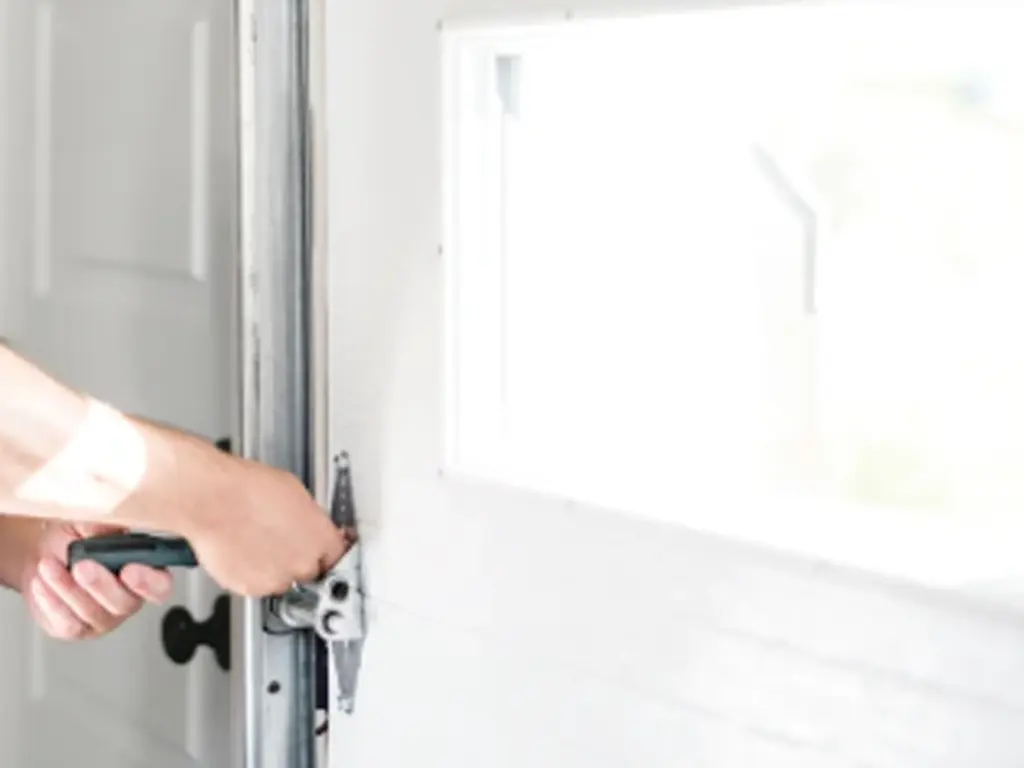
Garage door components can fail over time because they carry weight, move often, face weather changes, and depend on proper balance. The parts most likely to need attention include springs, cables, rollers, hinges, tracks, sensors, weather seals, remotes, and opener parts. Early garage door repair can help prevent a sudden breakdown, reduce strain on the opener, and support safer daily use. Homeowners should watch for new noise, uneven travel, slow movement, sensor issues, or a door that feels heavy. of moving parts. When one part wears, another part may work harder. As a result, a small issue can become a larger repair if it is ignored.
For Franklin homeowners, the garage door often supports daily routines. It protects vehicles, gives access to storage, and may serve as a main entry point. Therefore, understanding common garage door components helps owners make calm and informed repair choices.
- A new sound may show that a moving part needs inspection.
- A door that moves unevenly may need prompt professional attention.
Everlast Garage Doors helps Franklin property owners understand what is happening before work begins. That approach matters because good garage door repair starts with evidence, not guesswork.
Why Garage Door Components Wear Out
Garage door parts do not all wear at the same rate. Usage, door weight, weather exposure, maintenance habits, and installation quality can affect how long each part performs. A door used several times each day may show wear sooner than a door that opens only occasionally.
In addition, a garage door system is under repeated motion. The door travels up and down, rollers move through tracks, hinges bend at section joints, and springs help carry weight. Therefore, normal use can slowly change how the system works.
- Frequent use can increase wear on rollers, hinges, and opener parts.
- Moisture, dirt, and age can affect metal hardware and rubber seals.
It is important not to assume that every noise means a major failure. However, a new or worsening change deserves attention. An experienced technician can inspect the complete system and explain whether a part should be monitored, repaired, or replaced.
Garage Door Springs
Garage door springs are among the most important parts in the entire system. They help counterbalance the door weight, so the opener does not lift the full load alone. When springs become worn or break, the door may feel heavy, stop moving, or strain the opener.
A spring can fail without much warning. In some cases, an owner may hear a loud bang from inside the garage. In other cases, the door may simply refuse to open normally. Since spring tension is dangerous, homeowners should never attempt spring replacement without professional training and proper tools.
- A heavy door may point to a spring or balance concern.
- A door that opens only a few inches may need immediate inspection.
Garage door repair technicians examine spring condition, balance, mounting points, and related hardware. They also look for signs that the opener may have been working too hard. This matters because a strained opener can develop separate issues after a spring problem begins.
A practical example is a homeowner who notices that the opener sounds louder each week. The door may still open. Yet, a balance check may show that the counterbalance system is no longer supporting the door correctly. Early service can help identify the concern before the opener or another part is damaged.
Garage Door Cables
Garage door cables work with the springs to lift and lower the door in a controlled way. They are strong, but they can fray, slip, rust, or become damaged over time. A broken or displaced cable can cause the door to move unevenly or become stuck.
Cables are under tension. Therefore, they should never be handled as a do it yourself repair. Even a cable that looks loose can be connected to parts under force. A trained garage door repair technician can inspect cable condition and determine why it moved.
- Frayed cable strands need professional inspection.
- A crooked or uneven door can point to cable trouble.
If a cable comes off a drum, do not keep operating the door. Continued use may damage tracks, panels, rollers, or the opener. Instead, stop using the system and request service. This can limit further damage and support safer repair.
For property managers, cable concerns deserve fast action. A door that does not close evenly can affect security and daily access. Clear reporting and timely repair help protect tenants, staff, vehicles, and stored property.
Rollers
Garage door rollers guide the door along the tracks. Over time, rollers can wear, crack, loosen, or become less smooth. When that happens, the door may shake, rattle, squeak, or travel roughly.
Roller wear is common because rollers move each time the door opens or closes. However, not every noisy roller needs the same solution. A technician should examine roller condition, hinge movement, track alignment, and overall door balance before recommending work.
- Repeated rattling may show that a roller needs inspection.
A homeowner may first notice roller wear as a change in sound. For example, a quiet door may begin to rumble near the curve of the track. That symptom does not prove a single cause. Still, it gives the technician a useful starting point.
Garage door maintenance can help catch roller concerns early. During service, technicians can review roller movement and look for visible wear. This supports smoother operation and can reduce strain on other garage door components.
Hinges
Hinges connect garage door sections and allow the door to bend as it travels through the tracks. Because hinges move often, they can loosen, crack, rust, or wear down. A damaged hinge can affect the way sections line up.
When a hinge is not working correctly, an owner may notice scraping, popping, or uneven movement. In some cases, a section may appear to pull away slightly during operation. These signs should not be ignored because the door sections need to move together.
- Loose hinges can create extra noise and movement.
- Cracked hinges can affect door alignment and safety.
A qualified technician can inspect hinges, fasteners, rollers, and section joints at the same time. This complete review is important because one worn hinge may be part of a wider issue. For example, a door that is out of balance can add stress to several hinges.
That gives Franklin owners a better view of what needs immediate service and what can be watched during future maintenance.
Tracks
Garage door tracks create the path for the rollers. They must remain properly secured, clean, and aligned. A track can bend after impact, loosen over time, or collect debris that affects roller movement.
Tracks should not be treated as simple metal rails that can be forced back into place. Poor adjustment can make the problem worse. In addition, a track problem may be connected to cables, rollers, hinges, or a door that has become unbalanced.
- Bent tracks can make a door shake or bind.
- Loose track hardware can create uneven door travel.
Homeowners can safely keep visible areas clear of boxes, tools, and debris. However, alignment work should be handled by a professional. A technician can examine track placement, mounting hardware, roller condition, and the movement of the door as a whole.
A useful rule is to pay attention to changes. If the door once moved smoothly but now rubs, shakes, or pauses, schedule a garage door repair inspection. Early assessment can be less disruptive than waiting for the door to stop completely.
Garage Door Openers
The garage door opener controls the door movement, but it depends on a properly balanced door. When the door becomes heavy or binds, the opener may be forced to work harder than intended. Over time, this can affect internal gears, drive systems, force settings, or electrical parts.
Opener problems may include humming without movement, slow travel, flashing lights, remote issues, or a door that reverses unexpectedly. These symptoms can have several causes. Therefore, a full inspection is better than assuming the opener itself has failed.
- A strained opener may be reacting to a balance or track concern.
- A slow opener may need a complete system check.
The Consumer Product Safety Commission explains that residential garage door openers must meet federal safety rules for entrapment protection. Homeowners should follow their opener manual for testing instructions. If the reverse feature does not work correctly, stop automatic operation and arrange professional service.
Good garage door repair does not simply replace an opener part. Instead, it checks the door, balance, sensors, controls, and hardware. This helps ensure that the opener is not being asked to overcome a mechanical problem.
Safety Sensors
Safety sensors, often called photo eyes, sit near the bottom of the garage door tracks. They use an invisible beam to detect an object in the closing path. If the beam is blocked or interrupted, the door should respond according to the opener design.
Sensor problems are often caused by dirt, a shifted bracket, damaged wiring, sunlight conditions, or an object blocking the beam. Although cleaning the sensor lenses can be a reasonable owner task, wiring and alignment concerns may need service.
- Clean sensor lenses with a soft cloth when they look dusty.
- Keep toys, tools, and storage items clear of the door opening.
If the garage door reverses before closing, check for visible obstructions first. Then look at the sensor lights and consult the opener manual. Do not bypass the sensors or force the door closed with unsafe methods. Safety systems exist to help prevent injury and damage.
The Door and Access Systems Manufacturers Association offers helpful safety information for owners. Their guidance supports regular inspection, professional maintenance, and safe use of garage door systems.
Weather Seals
Weather seals are easy to overlook because they are not part of the lifting system. Still, they matter. Bottom seals, side seals, and top seals can help limit dust, leaves, moisture, insects, and drafts.
Over time, rubber and vinyl seals can become brittle, torn, flat, or loose. Gaps around the closed door can make the garage less protected from outside conditions. In Franklin, seasonal temperature changes can make seal wear easier to notice.
- Daylight around the door may show a worn seal.
- Cracked or flattened bottom seal material may need replacement.
Weather seal replacement is often more straightforward than spring or cable repair. Even so, the door should close evenly before a new seal is installed. Otherwise, a gap may be caused by alignment or floor conditions rather than the seal alone.
A technician can help identify the cause of the gap. That saves owners from replacing one part while the underlying issue remains unresolved.
Remote Controls and Wall Controls
Remote controls and wall buttons may fail because of batteries, signal range, worn buttons, programming issues, power concerns, or opener problems. These issues can be frustrating, especially when the door works sometimes but not consistently.
Start with simple checks that the manufacturer recommends. For example, check the remote battery and make sure the opener has power. If the concern continues, a technician can inspect the opener controls and related components.
- A weak remote signal may be caused by more than a battery.
- A wall control that does not respond needs safe troubleshooting.
Do not assume that a remote issue is only an inconvenience. Reliable control matters for security and safe access.
For commercial decision makers, access control concerns can affect staff routines and building security. A planned inspection can help document issues before they become a larger operational problem.
Garage Door Panels
Garage door panels can be damaged by impact, moisture, age, or repeated stress. A dent does not always affect function. However, a cracked, bent, or damaged panel can change door movement, reduce curb appeal, or put stress on nearby hinges and rollers.
Panel repair decisions depend on door age, material, model availability, insulation needs, and overall condition. A technician should inspect more than the visible damage before recommending a repair or replacement.
- Cracked panels can affect structural support.
- Damage near hinges may affect how the door moves.
For example, a vehicle impact may leave one panel bent. The door may still work at first. However, the panel can catch during travel or shift pressure to the hinges. Prompt evaluation helps owners understand whether the damage is cosmetic or affects safe operation.
That clear review is useful for homeowners, real estate professionals, and property managers who need a reliable answer.
How to Catch Garage Door Problems Early
The most useful habit is to notice changes before they become urgent. You do not need to diagnose every sound or symptom. Instead, record what changed and share it during a garage door repair visit.
- Listen for new grinding, scraping, popping, or squealing sounds.
- Watch for jerking, shaking, delayed movement, or uneven closing.
Also test safety features according to the opener manual. If the door does not reverse as intended, stop relying on automatic operation and contact a qualified technician.
A simple maintenance record can be helpful. Note the date, the symptom, the weather conditions, and whether the door opened or closed normally. Photos can also help document visible cable wear, damaged seals, bent panels, or track concerns.
When to Call for Garage Door Repair
Some garage door concerns should be treated as urgent. A broken spring, loose cable, hanging door, failed safety reversal, or door that comes off its track can create a safety risk. In those cases, stop use and arrange professional service.
Other issues may allow time for a scheduled inspection. For instance, a minor new sound or worn weather seal may not stop the door today. However, prompt attention can help prevent more extensive wear.
- Call promptly for broken cables, spring concerns, sensor failure, or an uneven door.
- Schedule maintenance for new noise, seal wear, roller wear, or slow operation.
Never attempt to repair springs, cables, bottom brackets, or high tension hardware yourself. A trained technician has the tools and knowledge to assess these components more safely.
Frequently Asked Questions
What garage door part breaks most often?
Springs, rollers, cables, hinges, sensors, and opener parts are common sources of garage door repair needs. The part that wears first depends on door weight, daily use, age, maintenance history, and local conditions. A professional inspection is the best way to identify the actual concern because similar symptoms can come from different parts.
How do I know if my garage door spring is failing?
A door that feels unusually heavy, opens only partly, moves unevenly, or makes a loud bang may have a spring or counterbalance issue. These signs do not confirm the cause on their own. Since springs carry dangerous tension, avoid touching them and contact a qualified garage door repair technician for inspection.
Why is my garage door making a grinding noise?
Grinding can be linked to worn rollers, damaged tracks, loose hardware, poor balance, or an opener concern. Record when the noise occurs and arrange an inspection. A technician can check the full system and recommend the proper repair.
Can I replace garage door rollers myself?
Some homeowners may be comfortable with limited maintenance tasks. However, roller replacement can involve hinges, tracks, and door movement that may create safety concerns. Because the correct repair depends on roller type and door condition, professional service is often the safer choice, especially when cables, tracks, or balance problems are also present.
Why does my garage door reverse before it closes?
A garage door may reverse because the safety sensors are blocked, dirty, misaligned, or damaged. It may also reverse when the opener detects unusual resistance. First, check for visible obstructions and clean the sensor lenses. If the problem continues, schedule garage door repair instead of repeatedly changing opener settings.
Choose Early Repair Before a Small Problem Grows
Garage door components wear with use, but early attention can make repair decisions easier. Listen for changes, observe door movement, test safety features as directed, and avoid repairs involving high tension hardware.
Everlast Garage Doors serves Franklin homeowners and decision makers with practical inspections, clear explanations, and reliable garage door repair solutions.
We provide complete Garage Door Services for both residential and commercial properties. Our team handles Garage Door Installation, Repair, Maintenance, Custom Designs , and full Door Replacements to ensure long-lasting performance and reliability. We also offer Emergency Garage Door Service to quickly resolve urgent issues and keep your property secure and fully operational. you can count on quality, durability, and trusted service every step of the way.
schedule a professional evaluation for a garage door that no longer feels, sounds, or moves as it should.
For services, call 615-808-8806. The Franklin office is at 1107 Battlewood St #222, Franklin, TN 37069.