
How Can Franklin Owners Spot Worn Garage Door Parts?
The United States Consumer Product Safety Commission says modern openers need reversing protection, which shows how seriously garage door safety matters. Its guidance also tells owners to test the reverse function regularly. That fact matters because a garage door is a moving system, not a single solid object. When one part wears, other parts often work harder. Therefore, small signs deserve calm and timely attention.
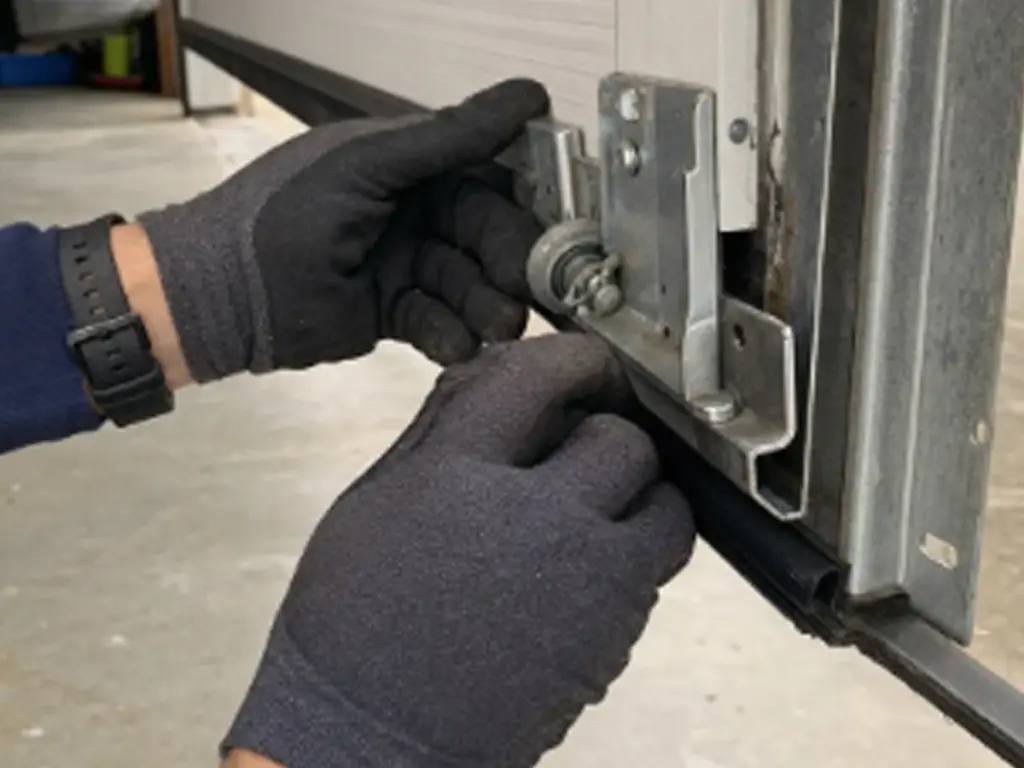
Worn Garage Door Parts often show up as unusual noise, slow travel, a crooked door, loose hardware, frayed cables, weak balance, or failed safety reversal. Homeowners can observe these signs from a safe distance, but springs, cables, drums, and opener repairs need trained service. In Franklin, early inspection helps protect daily access, reduces avoidable damage, and supports safer operation during changing weather.
Many owners notice a loud door, then assume the opener is the only issue. However, rollers, hinges, tracks, cables, springs, bearings, seals, and panels all guide the same door. A weak roller can strain a track. A loose hinge can shift a panel. Likewise, a tired spring can make an opener lift far more weight than it should.
At Everlast Garage Doors, our view is simple. A door does not need to stop completely before it earns an inspection. In practice, the most useful visits often start with a homeowner saying, “It still works, but it sounds different.” That detail can help a technician find wear before it spreads.
This guide explains what to watch for, what an owner can safely check, and when professional service is the wise choice. It is educational guidance, not a diagnosis of any particular door. Each door has its own age, hardware, use level, and repair history.
Start With the Sound and Movement
A garage door normally makes some sound. Still, a sharp scrape, pop, bang, or repeated rattle deserves attention. Sound is often the first change owners notice because it appears before a visible failure. Therefore, it is useful to listen during one complete open-and-close cycle.
- Listen for grinding that seems to come from the track or roller path.
- Notice whether the sound starts at one point in the cycle or continues throughout it.
Next, watch the door from inside the garage while it moves. Stand clear of the opening and keep children away. The door should appear steady and even. A door that jerks, shakes, or pauses may have worn parts, poor alignment, or an issue with the opener. Those signs do not prove one cause, yet they make an inspection sensible.
For example, a Franklin homeowner may hear a new metallic rattle after several damp days. The noise could be due to dry-moving points, loose hardware, or a roller that no longer turns freely. A technician should examine the entire system rather than replace a single component based solely on the noise.
Look Closely at Rollers and Hinges
Rollers carry the door along its tracks. Hinges connect the door sections and allow them to bend as the door opens. Because both parts move in every cycle, normal use can gradually cause wear. A door with tired rollers may become loud, rough, or uneven.
- Look for cracked roller wheels, missing pieces, or rollers that sit oddly in the track.
- Look for hinge leaves that appear bent, loose, rusty, or pulled away from the panel.
Do not put your hands near rollers or hinges while the door is moving. Instead, disconnect no parts and observe with the door fully closed. If a roller has left the track, or a hinge has torn from a panel, keep the door still and arrange service. Trying to force it into place can cause damage or increase the risk of pinching.
In our experience, owners sometimes call a noisy roller “just a squeak.” Yet rollers can be part of a larger pattern. When several rollers show similar wear, a full evaluation makes more sense than a quick fix. That approach lets a technician check tracks, hinges, and balance at the same time.
Treat Cables and Springs as Safety Items
Cables and springs help control the heavy weight of a garage door. They are not homeowner repair projects. Springs hold high tension, and a cable can move suddenly if the system is disturbed. The Door and Access Systems Manufacturers Association warns that extension springs need containment cables because a broken spring can cause injury. Read its garage door safety guidance for more context.
- Check from a distance for fraying, loose cable strands, or cables that look off the drum.
- Watch for a door that sits unevenly or feels much heavier than usual when operating normally.
A loud bang from the garage can sometimes be linked to a broken spring. It can also have other causes. Therefore, do not assume the exact part without an inspection. Avoid using the opener when a spring or cable problem is suspected. The opener is not designed to replace the counterbalance system.
This is especially important for decision makers who manage rentals, shops, or shared garages. A door that moves poorly can impede access and pose a safety risk to staff or tenants. A clear service record and prompt inspection support better planning than waiting for a total failure.
Notice Track Damage and Alignment Changes
Tracks give rollers a planned path. They need to stay secure, clean, and aligned. A small dent may not always stop the door, but it can change how the roller moves. Over time, this can add friction and strain.
- Look for loose track brackets, visible dents, bent sections, or a gap between the roller and track.
- Keep leaves, stored items, and loose debris away from the lower track area.
Never bend a track back with a hammer. A track that looks simple is connected to a system under load. Also, never loosen track brackets without proper training. Instead, photograph the visible issue with the door closed and share it with a qualified technician. A clear photo can help explain what was observed.
Franklin’s weather can bring humidity, rain, heat, and seasonal shifts. These conditions do not automatically damage a garage door. However, moisture and debris can make existing wear more noticeable. Regular visual checks give owners a useful baseline. Then, when movement changes, they can clearly describe the difference.
Check Door Balance Without Taking Risks
Balance matters because it tells the opener how much lifting work remains. A properly balanced door can help reduce strain on the operator. However, balance testing involves releasing the opener, so owners should follow the manufacturer’s instructions. When unsure, ask a professional to perform the check.
- Stop the test if the door feels unexpectedly heavy, races, drops, or will not stay in place.
- Keep your hands away from springs, cables, drums, and brackets during every part of the check.
Some owners pull the emergency release during a power outage, then find the door hard to lift. That does not identify a specific defect by itself. It does show why the door should be assessed before daily use continues. A technician can inspect the springs, cables, bearings, and door weight together.
Do Not Ignore the Bottom Seal or Door Panels
The bottom seal keeps out some water, dust, leaves, and outside air. It is not only a cosmetic strip. When it cracks, flattens, or pulls away, owners may notice light under the door or more debris inside. Likewise, damaged panels may affect the door’s appearance and its ability to move as designed.
- Look for daylight, brittle rubber, torn sections, or gaps along the bottom edge.
- Check panels for cracks, warping, dents near hinges, or fasteners that no longer sit firmly.
An old seal may need replacement, while a damaged panel may need a different plan. The right answer depends on the door material, the door’s age, the location of the damage, and the availability of parts. For that reason, a technician should not promise a match or repair option before inspecting the door.
For homes near tree cover or active building areas, simple housekeeping helps. Sweep the threshold, keep the path clear, and avoid striking the door with tools or vehicles. These habits do not replace service. Still, they can reduce avoidable stress on parts that already work hard each day.
Test the Opener Safety Features
Safety sensors and reversing features are essential. The sensors should be clear, aligned, and free from obvious damage. If the door will not close, do not bypass safety controls to force it shut.
- Keep the sensor area free from boxes, cobwebs, and objects that block the beam.
- Test the reversing function only as directed in the operator’s manual, using an appropriate object.
If the door reverses unexpectedly, the cause can range from sensor trouble to travel settings or door resistance. That is why a full inspection is useful. A repair should not simply make the door close. It should help the door close while the required safety features work correctly.
In our opinion, that is the most responsible method. Replacing a remote or adjusting settings may improve a symptom, yet it will not solve worn rollers, poor balance, or damaged track hardware.
Know the Difference Between Care and Repair
Owners can do basic observation and housekeeping. They can read the manual, keep the opening clear, replace remote batteries, and report changes early. However, springs, cables, drums, brackets, and many other adjustments require professional service because stored energy or electrical components can pose a real risk.
- Record when the noise began and whether it changes during opening or closing.
- Take clear photos of visible wear while the door is fully closed and still.
Avoid using grease, oil, or a household spray unless the door manufacturer recommends it. The wrong product can collect dirt or end up in places where it should not go. A service professional can select a suitable lubricant and apply it only where appropriate. More lubricant is not always better.
A common example involves a door that becomes louder after a homeowner adds product to every visible part. The new coating can briefly mask the sound while dirt builds up around rollers or tracks. A focused inspection gives better information than a random application.
Build a Practical Inspection Routine
An easy routine makes early warning signs easier to spot. Pick a quiet time each month to watch one cycle, look at visible hardware, and confirm that the opening area is clear. Then arrange a more detailed professional inspection in accordance with the door and opener manufacturer’s guidance.
- Watch the door open and close from a safe distance, noting sound and smoothness.
- Check that remotes, wall controls, and safety sensors work as expected.
For a business, this routine can be assigned to a manager or maintenance lead. Record the date, issue, and response. That record does not replace expert service. However, it helps decision-makers identify recurring patterns, plan budgets, and explain the issue accurately when they request help.
For a residence, a note on a phone works well. Write “new scrape near halfway point” rather than “door is bad.” Details help. They can also prevent a small concern from being forgotten until the door finally stops at an inconvenient time.
What a Professional Inspection Should Consider
A responsible inspection considers more than the item that first caught attention. The technician should look at the door sections, rollers, hinges, tracks, cable condition, spring system, drums, bearings, opener mounting, sensors, and reversal behavior. They should also consider the owner’s report of recent changes.
- Ask which parts need attention now and which should be monitored over time.
- Ask for clear options when repair and replacement are both possible.
The best answer may be a small repair, a planned part replacement, or a recommendation to stop using the door until a safety issue is corrected. No honest provider can give a complete answer without seeing the door. Age, prior repairs, door weight, part availability, and visible condition all matter.
Franklin property owners may also need to consider local project rules for larger changes. The City of Franklin’s permitting information explains that construction projects use an electronic review process. For a specific project, confirm current requirements directly with the City or a qualified professional.
An Example From a Typical Service Visit
Consider a homeowner who reports a squeal and a door that seems slower on humid mornings. The owner has not seen a break, so they continue using it. During an inspection, a technician may find several worn rollers, loose hardware, or a door that needs a balance evaluation. The exact finding will vary by door.
- The owner’s sound description helps narrow the inspection scope, but it does not replace the inspection results.
- A written explanation gives the owner a way to compare urgent repairs with future maintenance needs.
This example shows why early calls matter. The goal is not to raise an alarm at every sound. Instead, the goal is to understand whether the system is still moving safely and smoothly. A measured inspection can protect both the door and the owner’s schedule.
For commercial clients, the same idea applies on a larger scale. A loading or service bay door can affect deliveries, staff flow, and security. Therefore, repeated noise or a slow door should be documented before it results in an unexpected closure. Planned service usually offers more control than emergency reaction.
Why Garage Doors Is a Local Resource
We believe local service should be clear. That means listening to the symptom, inspecting the whole system, explaining the findings, and distinguishing between a minor adjustment and a safety concern.
- We focus on the relationship between door hardware, balance, and opener safety features.
- We provide property decision-makers with practical information before they choose a repair path.
Our experience has shown that the most durable solutions begin with the right question. What changed? When did it start? Does the door move evenly? Are safety features working? Those answers turn a vague concern into a more useful service conversation.
Early attention to Worn Garage Door Parts can support safer access and help prevent a smaller issue from becoming a major interruption.
Frequently Asked Questions
What are the most common signs of Worn Garage Door Parts?
Common signs include new grinding or squealing sounds, jerky travel, an uneven door, loose hardware, cracked rollers, and a damaged bottom seal. Frayed cables or a door that becomes unusually heavy need prompt professional attention. The signs can have more than one cause, so an inspection is safer than guessing.
Can I keep using a garage door with a frayed cable?
It is best to avoid operating a door when a cable looks frayed, loose, or off its drum. Cables work with the spring system and can be under substantial force. Keep people clear of the door and contact a qualified garage door professional. Do not try to wind, reset, or replace the cable yourself.
Why does my garage door make a loud noise when it opens?
Noise can come from rollers, hinges, tracks, loose hardware, door balance, or opener-related issues. The type and location of the sound can offer a useful clue, but it cannot confirm the cause. Observe the door from a safe distance, note when the sound happens, and arrange service if it is new or worsening.
How often should garage door parts be inspected?
Owners can safely observe the door each month and keep the opening clear. A professional inspection schedule should follow the guidance for the specific door and opener, as well as the level of daily use. Doors used often, or doors with changing noise and movement, may benefit from earlier professional attention.
Can worn rollers damage my garage door opener?
Worn rollers can add friction and make door travel less smooth. If the door is also poorly balanced or misaligned, the opener may work harder than intended. A technician can assess the rollers, tracks, springs, and opener. This complete view is more reliable than replacing a single part without checking the system.