
A Franklin Guide to Reliable Business Access
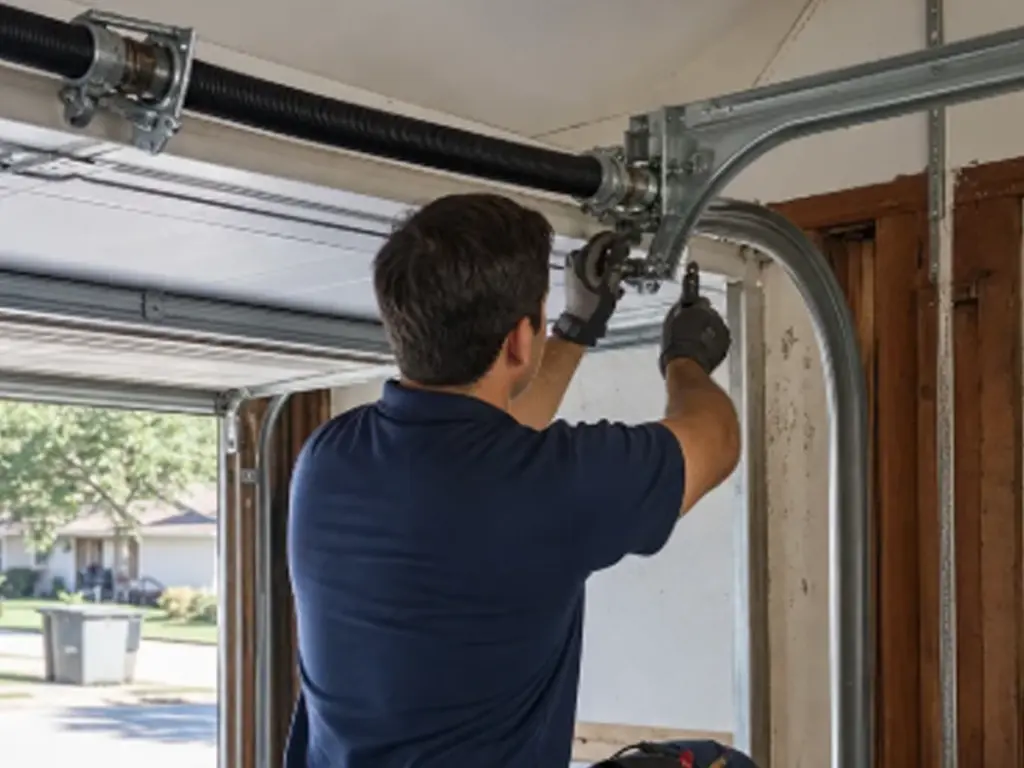
OSHA’s energy control rule covers maintenance where an unexpected start or stored energy release could injure workers. That fact makes planning garage door service a safety task, not only a calendar task. For busy commercial properties, good planning protects people, building access, deliveries, and daily work. It also gives decision makers time to choose a sensible repair window before a warning sign becomes an urgent closure.
Planning garage door service for a busy commercial property starts with knowing each door’s role, use level, condition, and effect on operations. Managers should keep a door list, assign staff to report changes, rank risks, and schedule qualified inspections around lower traffic periods. Service plans should follow manufacturer guidance, door condition, cycle demand, and site safety rules. Before work begins, teams should confirm the affected opening, alternate access, work zone, site contact, and energy control process. After service, record findings, repairs, test results, and the next review date. This simple cycle helps businesses make clear repair and replacement choices while supporting safer, steadier access.
A door can seem like a small part of a large facility. However, when it is the only route for stock, vehicles, or equipment, it affects far more than the opening itself. A planned approach helps leaders see those links before service begins.
- Treat every door as part of the work flow, safety plan, and building envelope.
- Use written records so the next decision builds on facts instead of memory.
Why Planning Garage Door Service Matters
Commercial doors often serve many roles at once. They protect stock, separate indoor and outdoor areas, support vehicle movement, and help teams control access. Therefore, service timing can affect work across the property. A short planned pause may be manageable, while a door failure during a busy shift can force teams to change routes without notice.
Planning also helps managers compare the risk of waiting with the cost of action. A technician can review the door, explain what needs attention, and identify what can wait. As a result, the business can set priorities rather than approve work under pressure.
- Connect each door to the process it serves, such as shipping, vehicle storage, customer access, or equipment movement.
- Name one person who can approve access changes and communicate the service window to staff.
Start with a Door and Operations List
A strong plan begins with a simple list of every commercial door. Include its location, type, approximate age if known, control method, main use, and the team that relies on it. Add the last service date, known repairs, and open concerns. This record gives managers one view of their openings and helps service providers prepare for a visit.
Next, describe how each door supports the work day. Does it serve a key delivery route? Does it protect temperature sensitive goods? Is there another entrance nearby? These details matter because two similar doors may have very different business value.
- Mark doors that are essential to safety, security, customer service, or daily movement.
- Note known impacts, unusual sounds, uneven travel, slow response, damaged seals, or control problems.
Rank Service by Risk and Business Impact
Not every door needs the same response. Managers can rank each concern by safety, access, security, and business impact. This does not require a complex score model. A short priority scale can help staff explain which issue needs action first and why.
A door that will not close may create a security concern. A door that drifts, binds, drops unevenly, or has visible damage may need to be taken out of service until it is assessed. A minor seal gap may be suitable for planned work, depending on location and use. A qualified inspection should guide the decision.
- Set urgent status for a door that appears unsafe, cannot secure the opening, or blocks a required route.
- Set planned status for wear or performance changes that need a timely visit but do not create an immediate hazard.
Match Service Timing to Door Use
The right service rhythm depends on the door, its age, use, condition, environment, and manufacturer instructions. There is no single interval that fits every building. A door that opens throughout the day may need closer attention than one used only for occasional access. Impact risk, dust, weather exposure, and past repairs can also change the plan.
Begin with the maker’s instructions and the door’s service history. Then ask a qualified provider to recommend a suitable inspection interval. If staff report repeated changes, shorten the review period until the cause is clear. If records show stable operation, keep the planned checks and continue to watch for change.
- Record how often the door is used in broad terms, such as low, regular, or high use.
- Review the schedule after a major repair, a change in workflow, or a repeated service call.
Choose Service Windows That Protect the Work Day
A useful service window considers staffing, traffic, delivery peaks, customer hours, and alternate access. Some work may fit before opening, after closing, or during a planned lull. Other work may require a longer shutdown, a part order, or a second visit. Ask the provider to describe the likely scope and what could extend the visit.
Before confirming a date, identify the doors that must remain available. Then set a route for vehicles or staff if one opening is closed. For some businesses, a clear sign and a brief staff notice are enough. For others, the plan may need a traffic marshal, a revised delivery slot, or a temporary loading area.
- Confirm the planned start time, access point, service area, expected duration, and site contact.
- Tell affected teams how to reroute people, vehicles, stock, or deliveries during the work.
Define Staff Roles and Safe Boundaries
Employees who work near doors can often notice changes early. They may hear scraping, see a gap, notice a delay, or find that a control responds differently. Their role should be to report what they observe and keep people clear when needed. They should not adjust springs, cables, brackets, tracks, or other loaded parts.
Managers should make reporting easy. Use a short form, maintenance system, or shared log. Ask staff to include the door label, time, symptoms, and whether the problem repeats. Photos can help when they are taken from a safe position. The report should never encourage someone to test a damaged door or stand under a moving panel.
- Train staff to stop use and notify a supervisor when a door looks unstable or behaves in an unsafe way.
- Reserve repairs and adjustments for qualified workers following site procedures and manufacturer instructions.
Each employer should apply the rules and work procedures that fit its equipment and workplace. A service plan should make those responsibilities clear before work begins.
Prepare the Site Before the Technician Arrives
A service visit works better when the provider has useful information in advance. Share the door type if known, symptoms, photos, prior repairs, access limits, and operating times. Also explain whether the opening connects to a secure area, a customer zone, or a busy vehicle path. This context can help the technician bring suitable tools and ask the right questions.
On the day of service, clear the work area and move stored items away from the door. Arrange any required escort, entry badge, alarm access, or safety briefing. If the property has a lockout or energy control process, make the responsible site contact available. The service provider and site team can then coordinate the work area and return to service.
- Keep manuals, service records, control details, and prior inspection notes ready to review.
- Confirm who can approve a repair if the inspection finds a problem beyond the planned scope.
Build a Useful Service Record
A record should help the next person understand what happened. Capture the date, door label, reported symptom, inspection findings, work completed, parts used, test results, and follow up item. Keep a note of any limitation, such as a part that needs ordering or a door that should remain unused until repair.
- Save service reports in one shared location with access for facilities and safety leads.
- Set a next review date and assign a person to close each open action.
The maintenance and safety resources offer garage door guidance for users and owners. Use the specific manufacturer instructions and professional advice for the exact system installed at your property. A log supports those decisions; it does not replace a hands on inspection.
Plan for Repairs, Parts, and Replacement Choices
A manager should know how a provider will handle work that exceeds the planned visit. Ask whether common parts are available, whether the door can be safely returned to use, and what temporary steps are needed if repair is delayed. The answer will vary by door design, damage, and site conditions.
Repair may suit a door with a sound structure and a defined, serviceable fault. Replacement may be worth reviewing when damage is broad, parts are no longer supported, performance no longer fits the workflow, or the same concern keeps returning. A useful recommendation explains the evidence, scope, limits, and remaining risks for each path.
- Ask for a written scope that separates urgent safety work from optional upgrades.
- Compare repair cost, expected downtime, parts support, security needs, and future operating demands.
For more on business focused service options, see commercial garage door service in Franklin. If repeated failures change the decision, review commercial door replacement considerations with the property’s operating needs in mind.
Include Weather, Security, and Energy Needs
Doors also affect the building around them. Worn seals, poor closure, or a damaged panel can allow drafts, dust, moisture, or unwanted access. The effect depends on the opening and the space behind it. A property that stores sensitive goods may value a tight close more than a site using the door for a sheltered vehicle bay.
In Franklin, weather can shift between hot, humid periods and cold or wet days. Therefore, managers should note seasonal issues such as seal changes, water near the threshold, or difficulty closing after temperature shifts. These observations can help a technician distinguish normal use from a concern that needs correction.
- Include seal condition and closing fit in routine professional reviews.
- Review access controls, keys, remotes, and staff permissions when roles or tenants change.
The U.S. Department of Energy commercial buildings resource explains why efficient buildings matter for operating costs and energy use. Door service alone cannot guarantee energy savings. Still, checking closure and seals is a practical part of broader building care.
A Sample Planning Exercise for a Franklin Business
Imagine a Franklin property with three overhead doors: one for daily deliveries, one for staff vehicles, and one that is rarely used. A manager receives reports of a noisy delivery door and notices a worn seal on the seldom used opening.
The manager first logs both concerns. The delivery door receives higher priority because more work depends on it. The provider inspects the door and explains the findings. Meanwhile, the team schedules the visit before the next delivery peak and keeps the second opening available as a backup route. The seal concern is added to the planned service scope if the inspection confirms it is suitable.
- The door list helps the manager see which opening has the greatest operational impact.
- A written route plan keeps staff from improvising around a closed door.
The lesson is not that every business needs three doors or the same schedule. It is that a clear record, risk review, and service window can make a small maintenance decision easier to manage.
Measure Whether the Plan Is Working
Review the plan a few times each year or after a meaningful change. A new shift, added tenant, different delivery pattern, security incident, or repeated repair may affect the door’s role. Managers should ask whether service occurs on time, whether reports reach the right person, and whether work is completed without avoidable confusion.
Useful measures can stay simple. Track missed service dates, emergency calls, repeat issues, door downtime, and open actions. Do not use a single number to judge a provider or technician. Instead, use the record to see where the plan needs attention and where a clearer process may help.
- Check that each door has an owner, current record, and next review date.
- Review repeat faults with operations and the service provider before approving the same fix again.
What Decision Makers Should Ask a Service Provider
The right questions help managers understand the proposed work. Ask how the provider will inspect the system, what the findings mean, and which items need attention first. Also ask what needs to happen before the door returns to normal use. This helps the business align the visit with its safety and access rules.
When comparing providers, look for clear explanations, relevant commercial door experience, a defined work scope, and useful service records. A strong partner should be willing to explain options in plain terms. The cheapest estimate may not cover the same inspection, parts, testing, or follow up.
- Ask what the visit includes, what it excludes, and how new findings will be approved.
- Request a written report that lists work done, tests performed, and remaining concerns.
For ongoing upkeep, explore garage door maintenance service. For unexpected failures that affect access, review the emergency service process and decide who at the property can request help.
A Practical Franklin Service Plan
A useful plan does not need to be complicated. Start with an inventory, identify critical doors, set a reporting method, and agree on a service rhythm based on door use and professional advice. Next, choose workable service windows and name a site contact. Finally, keep the records current and review them when conditions change.
A careful conversation can lead to a better inspection scope and a practical schedule. The right plan depends on the property, so any recommendation should follow a review of the actual doors and site needs.
- Keep the plan short enough for staff to use during a busy shift.
- Make safety, access, clear records, and timely follow up part of the same process.
Our view is simple: planned service should support the way a business works. A clear plan helps leaders make informed choices, protect access, and address concerns before they become harder to manage.
Frequently Asked Questions
1. How often should a commercial garage door be serviced?
There is no single interval for every commercial door. Follow the manufacturer’s guidance and ask a qualified provider to consider use level, age, condition, environment, repair history, and business impact. A high use opening may need closer review than a door used occasionally. Adjust the schedule when symptoms repeat or operations change.
2. Can a business keep using a door that is making new noises?
New noise can signal a change in movement, hardware, or balance, but sound alone cannot identify the cause. Keep people clear and report the symptom to a supervisor. If the door moves unevenly, appears unstable, has visible damage, or cannot close safely, stop using it and arrange a professional assessment.
3. What should staff do before a technician arrives?
Staff should keep the service area clear, share the door’s symptoms and history, identify access limits, and tell the site contact about traffic needs. They should not adjust springs, cables, tracks, or other loaded parts. The responsible manager should coordinate work area controls and any site energy control process.
4. How can commercial door service reduce business disruption?
A service visit is easier to manage when the team selects a low traffic period, identifies an alternate opening, informs affected staff, and confirms who can approve extra work. The technician also needs useful door information before arrival. These steps cannot remove every delay, but they can make the work more predictable.
5. When should a business consider replacing a commercial garage door?
Replacement may be worth discussing when damage is widespread, suitable parts are unavailable, repairs repeat, security or sealing needs have changed, or the door no longer fits the operation. A provider should inspect the system and compare repair and replacement scopes. The decision should account for condition, downtime, support, and future use.
Plan Ahead Of Garage Doors
Busy properties need doors that support real work schedules. A written service plan helps teams spot concerns, coordinate safe access, prepare for repairs, and make decisions with better information. Begin with the doors your business depends on most, then build a schedule around their use and condition.
Visit Everlast Garage Doors to learn about commercial garage door service in Franklin and discuss a plan suited to your property. A thoughtful review can help your team prepare for service with less guesswork and steadier daily access.
We provide complete Garage Door Services for both residential and commercial properties. Our team handles Garage Door Installation, Repair, Maintenance, Custom Designs , and full Door Replacements to ensure long-lasting performance and reliability. We also offer Emergency Garage Door Service to quickly resolve urgent issues and keep your property secure and fully operational.
For services or call 615-808-8806. The Franklin office is at 1107 Battle wood St #222, Franklin, TN 37069. to discuss