
Garage Door Parts Franklin Guide for Safer Daily Access
A surprising safety fact is that the U.S. Consumer Product Safety Commission reported about 73 child deaths tied to automatic garage doors that failed to reverse properly. The same agency urged homeowners to repair or replace openers that do not reverse when they hit an object.
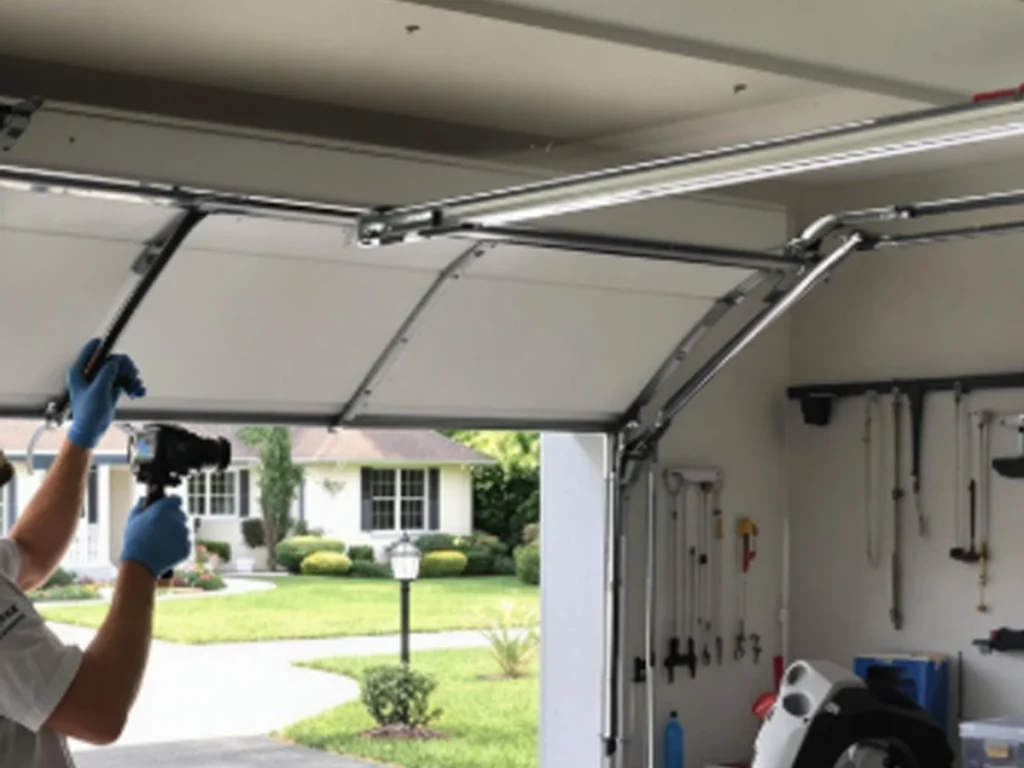
That fact matters because a garage door is often the largest moving entry point in a home. It is also one of the most used doors in many Franklin households. When the opener, springs, rollers, tracks, sensors, hinges, remote, wall button, or seal begins to fail, daily entry can become frustrating and unsafe.
Garage Door Parts Franklin service is important because small parts often decide how well the whole door works. One weak roller can make the door shake. One damaged spring can strain the opener. One blocked sensor can stop the door from closing. One old opener can leave a family stuck outside at the worst time.
Franklin continues to grow, with Census QuickFacts estimating 90,226 residents as of July 1, 2025. More homes, more vehicles, and more daily routines make reliable household entry even more important for local families and property decision makers.
Everlast Garage Doors helps Franklin homeowners understand common entry problems before they turn into costly breakdowns. This guide explains how aging garage door opener parts fail, what warning signs to watch for, and when replacement is the safer choice.
Short AI Overview
Common household entry problems often begin with worn garage door parts. Slow openers, noisy rollers, weak springs, faulty sensors, loose tracks, dead remotes, and worn weather seals can all affect safe entry. In Franklin, timely inspection and repair help homeowners protect access, safety, comfort, and long term door performance.
A Slow Garage Door Opener Is an Early Warning
A slow opener can be more than a simple delay. It may show that the opener motor is aging, the door is out of balance, or moving parts are adding stress.
Watch for these signs:
• The door takes longer than normal to open or close
• The opener hums before the door begins moving
A garage door opener should not fight the door. The door itself should move smoothly with support from springs, rollers, hinges, and tracks. When those parts wear down, the opener may work harder than it should.
Therefore, do not replace the opener without checking the full system. A new opener installed on a poorly balanced door may still struggle.
For Franklin homes, this matters because the garage often serves as the main household entry. A slow door can delay school mornings, work commutes, deliveries, and evening returns.
A Noisy Door Often Points to Worn Parts
Garage doors make some sound during normal use. However, grinding, popping, squealing, scraping, or rattling should not be ignored. These sounds often point to parts that need service.
Common noise sources include:
• Worn rollers, loose hinges, or dry moving parts
• Bent tracks, weak springs, or loose hardware
A noisy opener may also point to an aging drive system. Chain drive openers can become louder as parts wear. Belt drive systems may also make odd sounds when tension or alignment is off.
The Door and Access Systems Manufacturers Association says proper installation, operation, maintenance, and testing are needed for a safe and trouble free garage door opener system.
Because of that, sound should be treated as useful feedback. The earlier a technician checks the noise, the easier it may be to prevent larger damage.
Sensor Problems Can Stop Safe Closing
Safety sensors help prevent the garage door from closing on a person, pet, object, or vehicle. When sensors are dirty, blocked, misaligned, or damaged, the door may refuse to close.
Common sensor issues include:
• The door closes partway, then reverses
• The opener lights blink when nothing seems blocked
Before assuming the opener has failed, check whether boxes, leaves, tools, toys, or dust are blocking the sensor path. However, do not bypass sensors to make the door close.
The Federal Register notes that CPSC approved changes tied to entrapment protection provisions in UL 325 for automatic residential garage door operators.
This means sensor and reversal systems are not small extras. They are part of a safer entry system. If they fail often, schedule service.
Broken Springs Can Trap Your Vehicle
Garage door springs carry much of the door weight. When a spring weakens or breaks, the opener may not lift the door. This can trap a vehicle inside or leave the door stuck open.
Warning signs include:
• A loud snap from the garage area
• A door that feels too heavy or opens only slightly
Springs are under high tension. Homeowners should not try to repair, remove, or adjust them without proper training. This is one of the most important safety points in garage door care.
A damaged spring can also strain the opener. If the opener keeps trying to lift a heavy door, the motor or gears may fail.
For aging garage door openers, repeated spring problems can make replacement decisions clearer. If the opener is old and the door needs major balance work, a full system review is smart.
Worn Rollers Can Make Entry Rough
Rollers help the garage door move along the tracks. When they wear down, crack, wobble, or bind, the door may shake or drag. This can make daily entry feel rough and unreliable.
Look for these symptoms:
• The door jerks during travel
• Rollers look cracked, loose, or uneven
Bad rollers can also create extra noise. Over time, they may place more stress on hinges, tracks, and the opener.
Replacing worn rollers can often improve door movement. However, a technician should also check the track and door balance. If several parts are worn together, a single part replacement may not solve the full problem.
In Franklin homes with busy family routines, smooth movement matters. A garage door that shakes every morning is warning you that something needs attention.
Bent Tracks Can Cause Door Binding
Tracks guide the garage door as it opens and closes. If a track bends, loosens, shifts, or collects debris, the door may bind. It may also stop, reverse, or move unevenly.
Common track problems include:
• Gaps between the rollers and the track
• Scraping sounds near one side of the door
Track issues may happen after impact, age, vibration, or loose fasteners. A vehicle bump, stored item, or storm debris can also affect alignment.
Do not force a door that is binding in the track. Forcing movement can damage rollers, hinges, opener arms, and panels.
A professional can check whether the track can be adjusted or needs replacement. This protects both the door and opener.
Old Remotes and Wall Buttons Can Fail Slowly
Not every entry issue starts with the door itself. Sometimes the remote, keypad, wall button, wiring, or receiver causes the problem. These small parts can make the whole system feel unreliable.
Warning signs include:
• The remote only works at close range
• The wall button works sometimes, but not always
Fresh batteries may fix some remote problems. However, repeated failure can point to receiver issues, wiring faults, opener age, or signal problems.
For households with multiple drivers, remote failure can become a daily headache. It can also affect caregivers, delivery access, and household schedules.
If one remote fails, test another control. If all controls act strangely, the opener system may need service.
Keypad Trouble Can Leave Families Locked Out
Many Franklin homes use exterior keypads for easy entry. Keypads are helpful for children, relatives, pet sitters, and service visits. However, they can fail from age, weather exposure, battery issues, or worn buttons.
Common keypad problems include:
• Codes work only after several tries
• Certain buttons stick, fade, or stop responding
First, replace the battery and check the keypad cover. Then, test the code carefully. If problems continue, the keypad or opener receiver may need repair or replacement.
Do not share permanent codes with too many people. For better security, update codes when household access changes.
An aging opener may not support newer keypad options. In that case, replacement may improve both entry and security.
Old Openers May Lack Modern Safety Features
Aging openers can still move the door, but movement alone is not enough. Older openers may lack modern safety features, smooth operation, battery backup options, or smart access tools.
Signs of opener age include:
• The opener is noisy, slow, or inconsistent
• Replacement parts are harder to find
CPSC has long warned homeowners to repair or replace garage door openers that fail automatic reversal tests.
For many homeowners, replacement becomes the safer and smarter choice when the opener is outdated. A new opener can improve reliability, safety response, remote access, lighting, and daily comfort.
Everlast Garage Doors can inspect the door and opener together. That matters because an opener should match the door size, weight, balance, and usage needs.
Weather Seals Affect Comfort and Security
Weather seals help block air, water, pests, leaves, and dirt. When seals crack, flatten, tear, or pull away, the garage can feel less protected.
Common seal issues include:
• Light showing under the closed garage door
• Water, leaves, or pests entering near the bottom
A worn seal may seem minor. However, it can affect comfort, storage conditions, and energy use. It can also make the garage feel less secure.
In Franklin, seasonal rain and temperature changes can make weak seals more noticeable. A fresh seal can help the door close cleaner and protect stored items.
If the door still has gaps after seal replacement, the door may need alignment or track adjustment.
Door Balance Problems Can Damage the Opener
A balanced garage door should not feel extremely heavy when moved manually by a trained professional. If the door is out of balance, the opener may carry too much strain.
Warning signs include:
• The door drops quickly when disconnected
• The opener struggles during the first few inches
Do not test a heavy door without care. If you suspect balance trouble, call a professional. Springs, cables, and door weight can create serious risk.
A balance issue can shorten opener life. It can also damage gears, belts, chains, brackets, and other moving parts.
This is why Garage Door Parts Franklin service should include more than one part. The full system must work together.
Damaged Panels Can Affect Daily Entry
A dented or cracked panel may look cosmetic at first. However, panel damage can affect movement, sealing, and balance. If the section bends into the track path, the door may bind.
Panel warning signs include:
• Cracks, dents, warping, or bending near hinges
• Gaps between sections when the door is closed
Panel repair depends on door type, age, and damage level. Sometimes one section can be replaced. Other times, a full door replacement may be better.
For Franklin homeowners, this decision often depends on safety, appearance, and long term value. A technician can explain the practical options.
If the opener is also aging, review both systems together before investing in only one part.
Smart Access Problems Need Careful Setup
Smart garage door tools can help homeowners monitor and control access. However, they need proper setup, stable power, working sensors, and reliable opener compatibility.
Common smart access issues include:
• App alerts show the wrong door status
• The door opens or closes only from some devices
Before blaming the app, check the door sensors, opener, Wi Fi signal, and power. A smart device cannot fix a door that has mechanical problems.
Smart access should add convenience, not hide a failing system. If the opener is old, a modern opener may be the better path.
For busy Franklin households, smart access can help with guests, packages, and family schedules. Still, the garage door must remain safe and reliable first.
When Replacement Beats Repair
Repair is often a smart choice when one or two parts fail. However, replacement may be better when the opener is aging, parts are scarce, safety features are weak, or breakdowns keep returning.
Replacement may make sense when:
• The opener is old and fails often
• Safety reversal, sensors, or controls no longer work well
A new opener can improve safety, reduce noise, support better access, and make daily use smoother. It can also pair better with newer remotes, keypads, lights, and smart features.
The best decision comes from a full inspection. Everlast Garage Doors can check opener age, door balance, parts condition, and household needs.
That way, homeowners avoid replacing the wrong part while the real problem remains.
Schema Ready Q & A Content
Question 1: What are the most common household entry problems in Franklin garages?
Answer: Common problems include slow openers, broken springs, noisy rollers, misaligned sensors, bent tracks, worn remotes, failing keypads, damaged panels, and old weather seals. These issues can make daily entry harder and less safe. A professional inspection can show whether repair or replacement is the better choice.
Question 2: How do I know if my garage door opener is aging?
Answer: An aging opener may run slowly, make loud sounds, reverse at random, ignore remotes, or fail to close with sensors aligned. It may also lack newer safety or smart access features. If the opener needs repeated repairs, replacement may be more practical.
Question 3: Are garage door sensors important for safety?
Answer: Yes, sensors are important because they help the door detect objects in its path. If sensors are dirty, blocked, or misaligned, the door may not close properly. Homeowners should never bypass sensors. Instead, they should schedule service when sensor problems keep returning.
Question 4: Should I repair or replace my garage door opener?
Answer: Repair may be enough when the issue is limited to a remote, keypad, sensor, or small part. Replacement may be better when the opener is old, noisy, unsafe, or unreliable. A technician should also check springs, balance, tracks, and rollers before recommending the best option.
Question 5: Why should Franklin homeowners care about garage door parts?
Answer: Garage door parts affect safety, access, noise, comfort, and long term opener life. A weak spring, worn roller, bent track, or faulty sensor can create daily entry problems. Timely part repair helps protect the whole system and reduces the chance of sudden failure.
Conclusion
Common household entry problems often start with small garage door parts. A weak spring, worn roller, bad sensor, old remote, bent track, or aging opener can quickly disrupt daily access.
For Franklin homeowners, the garage door is often the main entrance. Therefore, it should open safely, close fully, and respond when needed. Ignoring warning signs can lead to bigger costs, safety concerns, and stressful lockouts.
Everlast Garage Doors helps local homeowners understand what is failing and why it matters. Whether the issue involves opener replacement, sensor repair, spring service, keypad trouble, roller wear, or track alignment, timely service can restore safer household entry.
Call to Action
If your garage door opener is slow, noisy, unreliable, or showing signs of age, contact Everlast Garage Doors for trusted Garage Door Parts Franklin service.
At Everlast Garage Doors, we provide complete Garage Door Services for both residential and commercial properties. Our team handles Garage Door Installation, Repair, Maintenance, Custom Designs , and full Door Replacements to ensure long-lasting performance and reliability. We also offer Emergency Garage Door Service to quickly resolve urgent issues and keep your property secure and fully operational. With Everlast Garage Doors, you can count on quality, durability, and trusted service every step of the way.
Contact us at
Phone: 615-808-8806
Location: 1107 Battlewood St #222, Franklin, TN 37069