
A garage door is often the largest moving object inside a home. Yet many owners rarely inspect it before trouble begins.
That fact matters because a garage door combines heavy panels, loaded springs, cables, rollers, tracks, and powered controls.
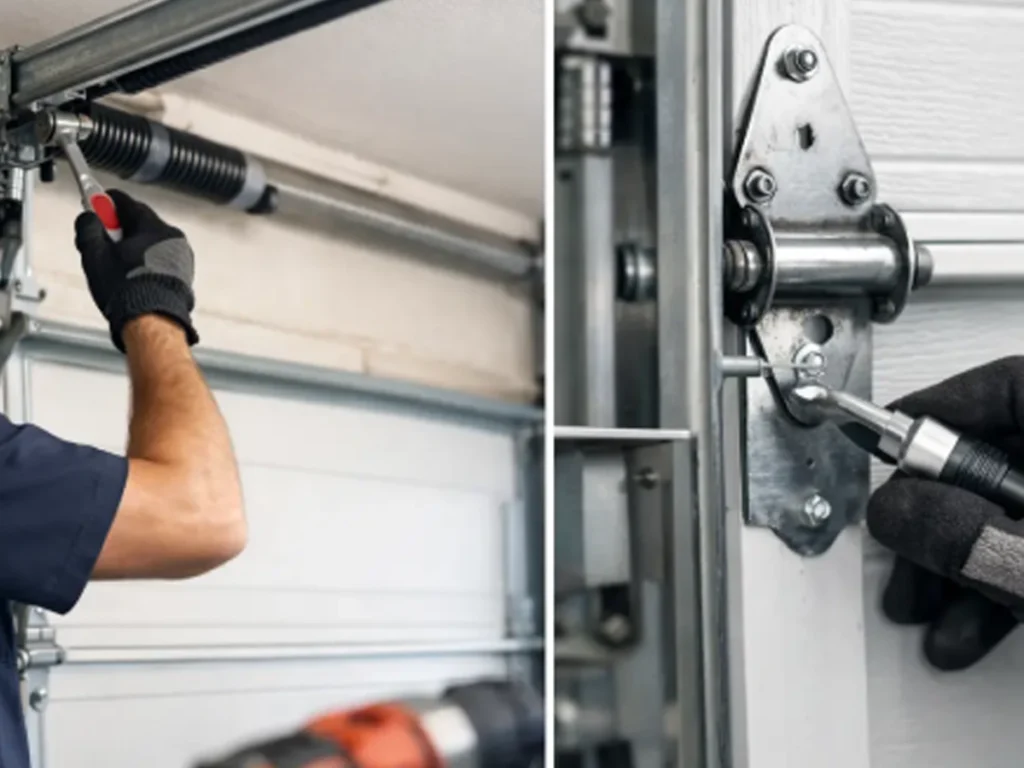
Therefore, garage door maintenance should never focus only on noise. It should also protect safety, movement, security, and daily access.
The United States Consumer Product Safety Commission requires automatic residential garage door operators to meet a federal safety standard. The standard addresses entrapment protection and product certification for residential opener systems.
However, even a compliant opener needs regular checks. Sensors can move, hardware can loosen, and door parts can wear.
In Franklin, many families use the garage door as a main entrance. Therefore, small problems can affect the entire household routine.
Based on the service experience shared for this article, springs, rollers, and cables often show early signs of wear.
In addition, homeowners may overlook loose hardware until the door starts making noise or moving poorly.
Better safety and sensor response are major goals after maintenance. However, spring and cable checks often provide the greatest safety value.
A weak spring may still move the door for some time. Yet continued use can place more stress on other components.
For that reason, this guide explains each important component. It also shows what owners can safely observe and when professional service matters.
AI Overview
Garage door maintenance includes visual inspection, hardware checks, balance testing, lubrication, opener testing, and safety system checks.
Regular care can help find worn springs, frayed cables, damaged rollers, loose fasteners, and sensor problems before failure occurs.
Homeowners can complete simple visual checks. However, trained technicians should handle springs, cables, brackets, and other high tension parts.
The main benefits include:
- Better safety and sensor response
- Smoother and more reliable door movement
Why Garage Door Maintenance Matters
A garage door moves through many connected parts. Therefore, one worn component can place added strain on several others.
For example, a weak spring may make the opener work harder. It may also change how the door travels.
Likewise, a damaged roller can create drag. That drag may affect tracks, hinges, brackets, and opener performance.
Routine garage door maintenance helps owners:
- Find visible wear before a sudden breakdown
- Confirm that safety systems respond as designed
Everlast Garage Doors states that its maintenance service includes lubrication, hardware adjustment, balance checks, opener inspection, and safety testing.
These tasks work together. Lubrication alone cannot correct a failing spring, damaged cable, or bent track.
Therefore, a complete inspection should examine the whole door system. It should not treat each sound as an isolated problem.
Preventive care may also make service planning easier. Owners can address wear before access becomes blocked without warning.
However, no inspection can promise that every failure will be prevented. Parts can still break because of wear, damage, or age.
The goal is early awareness. Early findings often give owners more time to choose a safe repair plan.
What Owners Should Know About Garage Door Springs
Garage door springs help counterbalance the door weight. Therefore, they are central to safe and smooth movement.
A spring does not make the door weightless. Instead, it helps the system manage that weight during opening and closing.
Common warning signs may include:
- A door that feels unusually heavy
- Uneven movement or a visible spring gap
Springs operate under high tension. Therefore, homeowners should not loosen, adjust, stretch, or replace them without proper training.
DASMA advises people not to touch or repair springs, spring brackets, cables, or related fastening points.
A spring can look normal while losing useful strength. Therefore, visual inspection alone may not reveal every balance problem.
A trained technician may disconnect the opener and assess door balance. The exact procedure depends on the system and manufacturer guidance.
A weak spring can place added demand on the opener. Moreover, it may cause the door to drift or move unevenly.
Based on the maintenance example chosen for this article, weak springs were replaced before the door became unsafe.
That example shows the value of early inspection. The repair was not delayed until the door stopped working completely.
However, this example is presented without invented customer details. It reflects the selected service insight only.
Why Garage Door Cables Need Careful Inspection
Garage door cables work with the spring system. They help lift, lower, and support the door during movement.
Cables may carry significant force. Therefore, damage should never be ignored or handled casually.
Visible warning signs can include:
- Frayed strands or rusted cable areas
- A cable that appears loose or uneven
Owners should inspect cables from a safe distance. They should never pull, cut, tighten, or reposition them.
A damaged cable can affect door balance. It may also cause one side to move differently from the other side.
Consequently, the door may become crooked inside the opening. Rollers can bind, and panels may receive added stress.
DASMA guidance tells inspectors to look for loose cables or loosened spring system components. It also warns against attempting repairs.
Cables may wear near drums, attachment points, or areas where moisture collects. However, damage can occur elsewhere too.
Therefore, a professional inspection should follow any visible fraying, slack, rust, or uneven door movement.
Owners should stop operating the door when cable damage appears serious. Continued use may increase the risk of further failure.
How Rollers Affect Garage Door Movement
Rollers guide the door along its tracks. Therefore, their condition directly affects movement, sound, and alignment.
A worn roller may shake, drag, bind, or create repeated noise. That movement can place stress on nearby hardware.
Common roller concerns include:
- Cracked, chipped, or worn roller surfaces
- Bent stems or rollers that no longer turn freely
Some roller designs contain sealed bearings. Others may have different care needs based on their construction.
Therefore, owners should follow the door manufacturer guidance before applying any lubricant.
Applying the wrong product can collect dirt or affect certain materials. Excess lubricant can also create a messy track area.
The roller surface should move smoothly through the track. However, the track itself should not receive heavy grease.
Dirty tracks can be wiped carefully when the door is fully closed. Yet homeowners should avoid changing track alignment.
A roller that repeatedly leaves the track requires professional attention. The track, hinge, bracket, or door balance may be involved.
Based on the supplied experience, rollers are among the components that often show early wear during routine inspection.
Therefore, roller checks should be part of regular garage door maintenance, even when the door still opens.
Why Loose Hardware Should Never Be Ignored
Garage door movement creates vibration. Over time, that vibration may allow certain fasteners or brackets to loosen.
Loose hardware may begin with a small rattle. However, continued movement can increase strain on connected components.
Areas that may need inspection include:
- Roller brackets, hinges, and track supports
- Opener mounting points and door fasteners
Based on the experience shared for this article, loose hardware is a problem Franklin homeowners commonly overlook.
They may wait until the door becomes loud or moves poorly. By then, several parts may need attention.
However, homeowners should not tighten every visible fastener without knowing its purpose.
Some brackets connect to springs or cables. Those parts may remain under dangerous tension.
DASMA guidance recommends checking roller brackets and hinges for secure attachment. It separately warns against adjusting spring related components.
Therefore, basic observation is useful. Professional correction is safer when the fastener connects to a loaded component.
Loose hardware can also allow tracks to shift. Even a small alignment change may affect roller travel.
Early correction may restore stable movement. It may also prevent vibration from damaging holes, brackets, or nearby parts.
How Hinges Support Each Door Section
Hinges connect sectional garage door panels. They allow the door to bend while moving through curved track sections.
Each hinge must remain secure and correctly positioned. Otherwise, panel movement may become rough or uneven.
Signs that deserve attention include:
- Cracks, bends, or loose hinge fasteners
- Repeated popping sounds near panel joints
A damaged hinge may pull on the door skin. It may also affect roller position and panel alignment.
Therefore, owners should not treat hinge noise as a minor concern. The cause should be identified before wear spreads.
Some hinges may need a suitable lubricant at moving pivot points. However, lubrication cannot repair cracked or bent metal.
A technician should replace damaged hinges with compatible components. Incorrect parts can affect spacing, strength, and roller position.
Owners should also inspect the panel area around each hinge. Cracks or enlarged holes may show that the attachment is weakening.
If the panel material is damaged, simply replacing the hinge may not solve the full problem.
Why Track Alignment Matters
Tracks guide rollers along a planned path. Therefore, track condition affects every opening and closing cycle.
A track should remain firmly supported and properly aligned. It should not be bent, twisted, or separated from its supports.
Possible warning signs include:
- Scraping sounds during movement
- Gaps between rollers and track surfaces
A bent track may cause resistance. It may also force rollers into an unsafe position.
Homeowners can look for visible damage while the door remains closed. However, they should not strike or reshape tracks themselves.
Improper track adjustment can make the door bind or leave its intended path. Moreover, spring force may complicate the repair.
Loose track supports may also create movement. That is why hardware inspection and track inspection belong together.
A technician can determine whether the issue comes from the track, rollers, brackets, framing, or door balance.
The safest repair depends on the cause. Therefore, guessing can create more damage and expense.
How Safety Sensors Protect the Door Opening
Photoelectric sensors usually sit near the bottom of an automatic garage door opening. They help detect an obstruction across their path.
When the beam is interrupted, a closing door should respond according to the opener design and manufacturer settings.
Sensor checks should include:
- Clear lenses without heavy dirt or blockage
- Secure mounting and correct sensor alignment
Safety sensors can become misaligned after impact, cleaning, storage movement, or vibration.
A small alignment change may stop the door from closing normally. Some openers may display lights or codes that indicate trouble.
Owners may gently clean sensor lenses with a soft cloth. However, they should avoid changing wiring or forcefully moving brackets.
Better safety and sensor response were selected as the most important maintenance result for Franklin homeowners.
That result makes sense because safety devices only help when they can detect and respond correctly.
Automatic residential garage door operators must comply with federal entrapment protection requirements.
However, legal compliance at manufacture does not remove the need for continued care. Sensors still require correct placement and function.
Why the Auto Reverse System Needs Testing
The auto reverse system helps a closing door respond when it meets resistance or detects an obstruction.
This feature is important because a garage door can apply significant force while moving downward.
The Consumer Product Safety Commission advises owners to test automatic reversing features according to manufacturer instructions.
A routine safety check should confirm:
- The sensor system interrupts closing when appropriate
- The door reverses when tested by the approved method
Owners should consult the opener manual before performing any test. Test methods may differ between products.
If the door fails a safety test, normal use should stop until the problem receives proper attention.
Adjusting force or travel settings without understanding the system can create unsafe operation.
Therefore, a trained technician should inspect failed reversal behavior, damaged sensors, wiring faults, or control problems.
The CPSC explains that automatic residential operators are covered by 16 CFR Part 1211.
That standard addresses product safety requirements. However, correct installation and continued testing remain important after purchase.
How Door Balance Affects the Entire System
A properly balanced door should move with controlled effort. It should not depend on the opener to lift excessive weight.
When balance changes, several warning signs may appear:
- The door rises or falls after being stopped
- The opener sounds strained during movement
Balance problems may come from spring wear, cable issues, added door weight, or other system changes.
A professional may test balance after disconnecting the opener. However, owners should only follow safe manufacturer instructions.
A severely unbalanced door can move unexpectedly. Therefore, people and objects should remain clear during any assessment.
Poor balance may wear opener gears, rails, brackets, or drive components. It can also reduce smooth movement.
Because springs control much of the balance, trained service is essential when a door feels heavy or unstable.
Routine maintenance should include a balance review. This helps the technician judge how the door operates without opener assistance.
Why Lubrication Must Be Done Correctly
Lubrication can reduce friction at suitable moving points. However, more lubricant does not always mean better maintenance.
The product type and application point matter. Certain parts may need lubrication, while others should remain clean.
Common maintenance areas may include:
- Metal hinge pivot points
- Suitable roller bearings and spring surfaces
Owners should follow manufacturer guidance before applying a product. Different door systems may require different care.
Tracks generally need clean running surfaces rather than thick grease. Heavy grease can collect dirt and create buildup.
Plastic or sealed components may have special instructions. Therefore, general advice should not replace product guidance.
Lubrication also cannot fix a bent track, weak spring, damaged cable, or loose bracket.
If noise continues after correct care, professional inspection should identify the actual cause.
Everlast Garage Doors includes lubrication among its listed maintenance services. It also includes hardware, balance, opener, and safety checks.
That broader approach matters because reliable service depends on more than reducing sound.
How Weather Seals Support Garage Performance
Weather seals help close gaps around the garage door. They can reduce drafts, moisture entry, dust, and pest access.
The bottom seal receives frequent contact with the floor. Therefore, it may crack, flatten, tear, or pull away.
Owners should inspect:
- The bottom seal across the full door width
- Side and top seals around the opening
Damaged seals may allow light to appear around a closed door. However, uneven light can also suggest alignment concerns.
A replacement seal must match the door and retainer design. Using an unsuitable profile may create gaps or poor movement.
Seals also need a suitable floor surface. A damaged or uneven floor can limit contact, even with a new seal.
Weather seal inspection belongs within garage door maintenance. However, seal replacement does not correct structural door problems.
A technician can determine whether the gap comes from the seal, floor, panel, track position, or door balance.
Why the Garage Door Opener Needs Inspection
The opener provides powered movement, but it should not carry a poorly balanced door.
During maintenance, the opener system should receive a full operating review.
Important areas include:
- Mounting points, rail, drive system, and controls
- Travel settings, force response, lighting, and release function
An opener that shakes or moves on its supports may have loose mounting hardware. That issue can worsen with repeated use.
Grinding, humming, or delayed movement may indicate several possible problems. Therefore, the sound alone does not confirm the cause.
The technician should first assess the door. Then, the opener can be tested under normal operating conditions.
The manual emergency release should remain accessible. Owners should understand its purpose before an outage or equipment failure.
However, releasing an opener from an open door can be dangerous when the door is unbalanced.
Therefore, owners should read the product instructions and request professional guidance when uncertain.
A Safe Monthly Visual Inspection Checklist
A monthly visual review can help owners notice changes. It should remain simple and avoid high tension components.
Begin with the door closed and the area clear.
Check these visible items:
- Springs and cables for obvious gaps, rust, slack, or fraying
- Rollers, hinges, tracks, seals, and fasteners for visible damage
Then operate the door from a safe position.
Listen and watch for:
- New scraping, grinding, rattling, or popping sounds
- Jerking, shaking, uneven travel, or repeated stopping
Keep the door in sight until it fully closes. Keep children and pets away from the moving system.
DASMA states that proper installation, operation, maintenance, and testing support safer and more reliable opener performance.
If anything looks unsafe, stop using the door. Arrange professional inspection instead of testing it repeatedly.
Homeowners should also follow the maintenance schedule in their product manuals.
Tasks Homeowners Should Not Attempt
Some maintenance tasks are suitable for careful owners. Others require training, tools, and knowledge of stored system force.
Do not attempt to adjust or replace:
- Garage door springs or spring brackets
- Lift cables, bottom brackets, or cable drums
These components may remain under high tension. Incorrect handling can cause sudden movement and serious harm.
DASMA specifically warns people not to touch or repair springs, cables, or related spring system attachments.
Homeowners should also avoid bending tracks with tools. This can weaken the track or change alignment.
Likewise, do not increase opener force to overcome a heavy or binding door.
More force may hide the symptom while allowing the mechanical problem to worsen.
Professional service is appropriate when the door is heavy, crooked, stuck, noisy, damaged, or failing safety tests.
A Realistic Maintenance Example
Consider a Franklin homeowner whose garage door still opens each day.
The owner notices no complete failure. However, the door begins moving more slowly and feels less stable.
A routine inspection finds:
- Springs that no longer support the door properly
- Additional wear caused by repeated normal use
The weak springs are replaced before the door becomes unsafe. Afterward, balance and operation receive further testing.
This example reflects the answer supplied for this article. It does not describe an identified customer or invented event.
Its value comes from the timing. Service occurred before a total breakdown forced an emergency response.
The example also shows why appearance alone is not enough. A spring can weaken before dramatic damage becomes visible.
Therefore, owners should respond to movement changes, unusual sounds, and balance concerns early.
How Often Garage Door Maintenance May Be Needed
No single schedule fits every garage door. Use, environment, equipment age, and manufacturer instructions all matter.
A lightly used door may wear differently from a busy household door.
A practical plan may include:
- Regular owner visual checks
- Periodic professional inspection and service
Automatic safety systems should receive testing according to the opener manufacturer guidance.
The CPSC has advised monthly testing of automatic reversing features for residential openers.
However, a failed test should not wait for the next service date. It requires prompt attention.
High use doors may need more frequent review. Commercial settings may also have different service demands.
A technician can suggest an appropriate schedule after inspecting the door, opener, usage, and component condition.
Why Franklin Property Owners Benefit From Local Service
Franklin homes include different garage layouts, door materials, opener models, and usage patterns.
Therefore, maintenance should begin with the actual system, not a generic checklist alone.
Local professional service can provide:
- Inspection based on the installed door and opener
- Repairs that reflect actual wear and operating needs
Everlast Garage Doors lists maintenance, installation, repair, spring service, and emergency support for Franklin area clients.
Its maintenance page identifies lubrication, hardware adjustment, balance checks, opener inspection, and safety feature testing.
Those services address the connected nature of the door system.
However, each recommendation should follow inspection. Owners should receive clear findings rather than broad claims.
A useful service visit explains what is worn, why it matters, and which action is recommended.
Questions to Ask During a Maintenance Visit
Clear questions help property owners understand the condition of their garage door.
Ask the technician:
- Are the springs and cables showing wear?
- Is the door balanced correctly?
Also ask:
- Are the rollers, hinges, and tracks operating smoothly?
- Did the sensors and reversal system pass testing?
Further questions may include:
- Which repairs are urgent?
- Which items can be monitored?
- What care can I safely complete?
- When should the next inspection occur?
A good explanation should separate safety concerns from optional improvements.
Owners should also request details about replacement parts, warranties, and service scope before approving work.
20. Conclusion
Routine garage door maintenance is important because every component works as part of a connected system.
Springs support balance. Cables transfer force. Rollers guide movement. Hinges connect panels. Tracks control the travel path.
Meanwhile, sensors and opener controls support automatic operation and safety response.
Based on the experience shared for this article, springs, rollers, and cables often show early wear.
Loose hardware may remain unnoticed until noise or poor movement begins.
Therefore, inspection should occur before the door stops working. It should not begin only after a serious problem appears.
Spring and cable checks may provide the greatest safety value. However, these components should only receive professional repair.
Better sensor response is another major result of maintenance. Safety systems must remain clean, aligned, tested, and functional.
The selected service example also gives a clear lesson. Weak springs were replaced before the door became unsafe.
That outcome shows why preventive service matters. Early findings allow owners to make informed decisions before a sudden breakdown.
Everlast Garage Doors provides garage door maintenance for Franklin homes and businesses. The service can include hardware, balance, opener, lubrication, and safety checks.
At Everlast Garage Doors, we provide complete Garage Door Services for both residential and commercial properties. Our team handles Garage Door Installation, Repair, Maintenance, Custom Designs , and full Door Replacements to ensure long-lasting performance and reliability. We also offer Emergency Garage Door Service to quickly resolve urgent issues and keep your property secure and fully operational. With Everlast Garage Doors, you can count on quality, durability, and trusted service every step of the way.
Call to Action
Do not wait until a weak spring, damaged cable, or loose bracket stops your garage door.
Contact Everlast Garage Doors for routine inspection and garage door maintenance in Franklin.
Phone: 615-808-8806
Location: 1107 Battlewood St #222, Franklin, TN 37069
Schedule professional service to protect safe movement, reliable access, and confident daily operation.
Schema Ready Questions and Answers
1. What does routine garage door maintenance include?
Routine garage door maintenance may include visual inspection, hardware checks, lubrication, balance testing, opener review, and safety sensor testing. A technician may also inspect springs, cables, rollers, tracks, hinges, and seals. The exact service should follow the installed door, opener, manufacturer guidance, usage, and current component condition.
- It reviews both mechanical and powered parts.
- The exact scope depends on the system.
2. How often should a garage door receive maintenance?
The correct schedule depends on door use, age, environment, and manufacturer recommendations. Owners can perform regular visual checks for damage, unusual sounds, or movement changes. Professional service may be scheduled periodically or whenever a safety concern appears. Automatic reversal systems should be tested according to the opener instructions.
- Busy doors may need more frequent attention.
- Safety failures require prompt service.
3. What garage door parts wear most often?
Wear can affect springs, cables, rollers, hinges, tracks, seals, and opener components. Based on the service experience used in this article, springs, rollers, and cables often show early concerns. However, the exact wear pattern differs between systems. A complete inspection is more useful than assuming one part caused the problem.
- Springs and cables affect door balance.
- Rollers affect movement and track travel.
4. Can homeowners inspect garage door springs?
Homeowners may look at springs from a safe distance for visible gaps, rust, or damage. However, they should never touch, loosen, adjust, or replace spring components. Springs operate under high tension and may move suddenly. A trained garage door technician should complete spring testing, adjustment, and replacement.
- Visual observation can reveal obvious damage.
- Physical spring work requires professional service.
5. Why does my garage door have loose hardware?
Normal door movement can create vibration that affects certain fasteners over time. Loose hinges, brackets, or track supports may cause rattling, shaking, or poor movement. However, some fasteners connect to high tension parts. Therefore, owners should avoid tightening unfamiliar hardware and request professional inspection when the location is uncertain.
- Movement can loosen some attachment points.
- Spring related brackets should not be adjusted.
6. What are the signs of a worn garage door cable?
Possible signs include frayed strands, rust, slack, uneven tension, or a crooked door. A cable may also appear displaced near a drum or attachment point. Owners should stop using the door when serious cable damage appears. They should never pull, cut, tighten, or reconnect a garage door cable.
- Damaged cables can affect door balance.
- Cable repairs require trained technicians.
7. Why is my garage door making a loud noise?
Noise may come from dry pivot points, worn rollers, loose hardware, damaged hinges, track problems, spring wear, or opener concerns. Because several faults can sound similar, noise alone cannot confirm the cause. A technician should inspect the entire system, especially when the sound is new, repeated, or paired with poor movement.
- New sounds may indicate developing wear.
- Lubrication does not repair damaged components.
8. How do garage door safety sensors work?
Safety sensors create a beam across the lower garage door opening. When an object interrupts that beam, the opener should respond according to its design. Dirty lenses, moved brackets, wiring problems, or poor alignment can affect performance. Owners can clean the lenses carefully but should arrange service when testing fails.
- Sensors help detect an obstructed opening.
- Correct alignment is essential for proper response.
9. What happens when garage door springs become weak?
Weak springs may cause the door to feel heavy, move unevenly, drift, or place extra strain on the opener. The system may continue operating for a period, but performance can worsen. A technician should inspect and replace unsuitable springs before continued use causes added damage or creates an unsafe operating condition.
- Weak springs affect balance and movement.
- Continued use may strain other components.
10. Who provides garage door maintenance in Franklin?
Everlast Garage Doors provides garage door maintenance, repair, installation, spring service, and related support in Franklin, Tennessee. Its listed maintenance work includes lubrication, hardware adjustment, balance and alignment checks, opener inspection, and safety feature testing. Recommendations should follow an inspection of the specific door and operating system.
- Residential and commercial systems can be assessed.
- Service should match the actual door condition.