
Development of a Smart Garage Door Diagnostic and Repair System
Automatic residential garage door operators must comply with a federal consumer product safety standard in the United States. This fact may surprise homeowners who view their garage door opener as a simple household device.
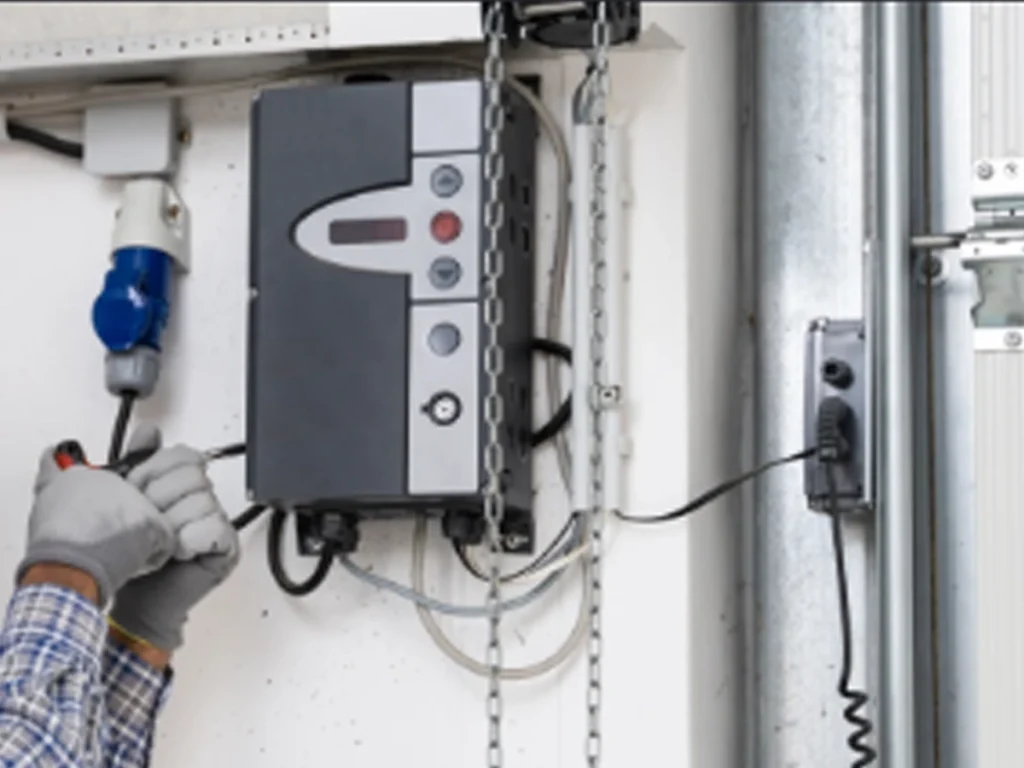
The federal standard covers vital safety functions because an automatic garage door is a powerful moving system. It combines a heavy door, springs, cables, tracks, rollers, sensors, controls, and an electric operator.
Therefore, diagnosing a garage door should involve more than finding the first part that appears damaged. A complete inspection must consider how every mechanical, electrical, and safety component works together.
The development of a smart garage door diagnostic and repair system offers a practical way to improve this process. Such a system can gather useful operating data, detect unusual behavior, issue maintenance alerts, and help technicians locate possible faults.
However, smart technology should support professional judgment rather than replace it. A sensor may report unusual vibration, for example, but a trained technician must still determine whether the cause involves rollers, tracks, cables, hinges, or door balance.
For Franklin homeowners, this combined approach may lead to faster answers and more informed repair choices. It may also help prevent a minor concern from becoming a major service problem.
Everlast Garage Doors supports a customer focused process built around careful diagnosis. When a safe and lasting repair remains practical, the repair option should receive full consideration before complete replacement.
A good diagnostic process should also explain every finding in clear language. As a result, homeowners, landlords, property managers, and business owners can compare repair and replacement choices with greater confidence.
AI Overview
A smart garage door diagnostic and repair system collects information about door movement, vibration, motor activity, safety sensors, and component wear. It then organizes that information into alerts or possible fault categories.
The system does not complete a physical repair by itself. Instead, it helps a qualified technician inspect the right areas, confirm the cause, explain the available options, and develop an appropriate repair plan.
Smart monitoring may reveal changes before the door completely stops working.
Professional inspection confirms whether the reported change presents a real safety or performance concern.
What Is a Smart Garage Door Diagnostic and Repair System?
A smart garage door diagnostic and repair system is a connected group of sensors, software, alerts, and inspection procedures. Together, these tools help identify changes in garage door operation.
Traditional diagnosis often begins after a homeowner notices a clear problem. The door may become noisy, move slowly, shake, reverse, bind, or stop responding.
A smart system takes a more active approach. It can record operating patterns and compare current movement with the door’s normal performance.
For example, the system may notice that opening time has increased during several recent cycles. It may also record greater vibration near a roller bracket or unusual motor resistance during closing.
These readings do not prove that one specific part has failed. However, they can provide useful clues that guide the next professional inspection.
A complete system may monitor the following areas.
Movement, speed, vibration, resistance, and door position during each operating cycle.
Safety sensor status, opener fault codes, service intervals, remote activity, and repeated movement errors.
This information can create a clearer record of how a problem developed. Therefore, the technician does not need to depend only on what happens during one short service visit.
The diagnostic record may also help identify intermittent problems. These faults can be difficult to reproduce because they appear only during certain temperatures, operating loads, or door positions.
Why Accurate Diagnosis Should Come Before Repair
Accurate diagnosis helps prevent unnecessary part replacement. It also protects homeowners from repairs that address a symptom without correcting the true cause.
Consider a garage door that shakes while moving. The first visible concern might be a worn roller. However, the full cause could also involve track alignment, loose hardware, damaged hinges, poor door balance, or cable tension.
Replacing only one roller may reduce the noise for a short time. Still, the movement problem may return when the uncorrected cause places stress on the new part.
Therefore, an effective repair process should follow a clear order.
Record the symptoms and inspect the complete door system before choosing a repair.
Confirm the cause, explain the options, and verify safe movement after the work is complete.
This method supports a repair first approach without forcing every problem into a repair decision. Some doors can be restored safely with focused service, while others may have damage that makes replacement more practical.
The goal is not to repair every door at any cost. Instead, the goal is to recommend the option that offers dependable operation, reasonable value, and suitable safety.
At Everlast Garage Doors, diagnostic findings can form the basis of a practical repair plan. This approach helps Franklin customers understand why a service is recommended before work begins.
How Smart Sensors Monitor Garage Door Movement
Movement sensors can provide important information about how a door travels through its tracks. They may measure speed, position, tilt, vibration, and changes between opening cycles.
A properly operating door should move in a controlled and repeatable way. Although small changes are normal, growing differences may suggest wear or poor adjustment.
For example, a sensor may detect that one side of the door rises slightly faster. This pattern could justify closer inspection of cables, drums, rollers, tracks, and related hardware.
A vibration sensor may also record repeated movement near one section of the track. However, that reading must be treated as a clue rather than a final diagnosis.
Possible causes could include a worn roller, loose track support, damaged hinge, bent track, or accumulated debris. Therefore, physical inspection remains essential.
A useful monitoring system should provide two forms of information.
Immediate alerts when movement falls outside safe or expected operating limits.
Long term trends that show gradual changes across many opening and closing cycles.
Trend information can be especially helpful because many garage door problems develop slowly. A homeowner may become used to a new sound and overlook its gradual increase.
Smart monitoring does not become familiar with the noise in the same way. Instead, it records measurable changes that may deserve attention.
Why Worn Cables Require Special Attention
Garage door cables work with the spring system to help lift and control the door. Because these cables carry significant loads, their condition should never be treated as a minor detail.
Visible fraying, corrosion, loose strands, or uneven cable movement may signal a serious concern. A cable can also develop damage near a drum or attachment point where casual observation becomes difficult.
A smart diagnostic system may help identify movement patterns linked with cable concerns. For instance, it may detect uneven lifting, unusual resistance, or changes in door position.
Still, the system cannot safely confirm cable condition without a close professional inspection. High tension parts can cause severe harm when handled without the right training and tools.
Homeowners should follow two basic safety rules.
Do not touch, tighten, unwind, or remove cables, drums, or spring related hardware.
Stop using the door and request service when a cable appears loose, damaged, displaced, or heavily worn.
An early warning can be valuable because it encourages inspection before the door becomes stuck or uneven. However, it should never encourage an untrained person to attempt cable repair.
How Roller Problems Affect the Entire Door
Rollers guide the garage door through vertical and horizontal tracks. When they become worn, damaged, loose, or poorly aligned, the door may produce noise and unstable movement.
A failing roller can create more than an unpleasant sound. It may increase resistance, place added strain on the opener, affect track contact, and disturb smooth door travel.
Smart vibration monitoring may recognize a repeating impact at the same stage of each operating cycle. This pattern can direct the technician toward a specific roller or track section.
However, several faults can produce similar readings. Therefore, the technician should inspect the roller surface, bearings, stems, hinges, track spacing, and surrounding hardware.
The inspection should answer two important questions.
Is the roller itself worn, damaged, seized, or unsuitable for continued use?
Is another condition causing the roller to move poorly or wear too quickly?
This distinction matters because replacing a roller without correcting track alignment may provide only temporary improvement. Likewise, adjusting a track will not restore a roller with damaged bearings.
The smartest repair is the one that addresses the complete cause.
Why Track Alignment Must Be Checked Carefully
Tracks create the path that guides the garage door. Even a small alignment issue can affect noise, resistance, roller contact, and overall movement.
Common warning signs may include rubbing, scraping, shaking, binding, visible gaps, or rollers that appear close to leaving the track. Loose brackets may also allow track position to change over time.
A smart garage door diagnostic and repair system may detect increased motor effort or vibration near the affected area. It may also record repeated stops or changes in travel speed.
Still, track work requires careful assessment. A track may appear bent when the actual problem involves loose supports, damaged rollers, poor door balance, or movement in the structure.
A qualified inspection should review the following points.
Track spacing, bracket security, roller contact, bends, damage, and alignment through the full travel path.
Door balance, hinge condition, cable movement, and opener force before any adjustment is completed.
Tracks should not be struck or forced back into position without understanding the cause. Poor adjustment can make the door unstable and may create a greater safety risk.
How Opener Fault Codes Improve Diagnosis
Many modern garage door openers can display fault codes or warning lights. These messages may relate to sensors, motor activity, travel limits, controls, or communication errors.
Fault codes can save time because they narrow the first stage of troubleshooting. However, the code normally identifies a condition rather than proving which component caused it.
For example, a movement related code may result from an opener problem. It may also appear when a poorly balanced door creates more resistance than the operator expects.
Therefore, the opener should not be diagnosed separately from the door. A strong diagnostic process evaluates both systems and the way they interact.
A smart platform can make fault information more useful in two ways.
It can save the time, frequency, and operating conditions connected with each code.
It can combine those records with movement, vibration, sensor, and maintenance information.
Repeated codes can reveal patterns that one isolated code may not show. As a result, the technician gains better context before recommending a repair.
How Safety Sensors Fit Into the Smart System
Photoelectric safety sensors are a vital part of many automatic residential garage door systems. They help detect an obstruction in the closing path and support required entrapment protection.
Federal requirements apply to automatic residential garage door operators. Current regulations appear in 16 CFR Part 1211, while the Consumer Product Safety Commission also provides related compliance information.
A smart diagnostic system can monitor whether the sensors communicate correctly. It may also alert the user when alignment, wiring, power, or obstruction problems interrupt normal operation.
However, an alert should not lead anyone to bypass a safety device. A door that refuses to close may be responding to a real obstruction or safety fault.
Homeowners should use a cautious process.
Check the doorway for people, pets, vehicles, tools, storage items, and other visible obstructions.
B. Request qualified service when the sensor problem continues or the door behaves in an unsafe manner.
Safety functions should be tested according to the manufacturer’s instructions. Repairs and adjustments must preserve the intended protection rather than simply make the door move again.
How Remote Monitoring Can Help Franklin Owners
Remote monitoring can show whether a garage door is open, closed, moving, or reporting an error. This feature may be useful for homeowners who travel or manage more than one property.
Property managers may also benefit from operating records. These records can help them understand when a problem occurred and whether repeated faults affect the same door.
Remote access must be designed with security in mind. Strong passwords, current software, trusted devices, and controlled account access remain important.
Smart access should also preserve clear user responsibility. An app should not encourage someone to close a door remotely when the doorway cannot be observed safely.
A practical remote system should focus on two goals.
Provide timely status information, service reminders, and meaningful fault alerts.
Protect account access and prevent unsafe operation when conditions remain uncertain.
Technology should make door care clearer and safer. It should not replace basic caution or responsible use.
How Predictive Maintenance May Reduce Larger Repairs
Predictive maintenance uses operating data to identify changes before a complete failure occurs. It differs from fixed maintenance because it responds to actual performance patterns.
For example, the system may record increasing vibration over several weeks. It may also detect longer opening times or greater motor resistance during a specific part of travel.
These findings could prompt an inspection while the door still operates. As a result, a technician may find loose hardware, roller wear, track movement, or another developing concern.
Predictive maintenance offers several possible benefits.
Service can be planned before a sudden failure disrupts access to the garage.
Minor faults may be corrected before they place greater stress on connected parts.
However, predictive alerts must be accurate enough to remain useful. Frequent false warnings may cause users to ignore important messages.
Developers should therefore test alert limits across many door sizes, materials, operator types, climates, and usage patterns. A setting that works for one light door may not suit a large insulated model.
What a Smart Diagnostic Process Should Include
The development process should begin with a clear list of the faults the system needs to recognize. It should then define which sensor readings can provide useful evidence.
The system should not claim certainty when several causes remain possible. Instead, it should rank likely inspection areas and state when immediate professional service may be needed.
A practical process could include the following stages.
Gather movement, vibration, position, safety sensor, opener, and maintenance data.
Compare current readings with established normal patterns for that specific door.
Identify meaningful changes and assign an appropriate urgency level.
Present the findings in clear language without overstating what the data proves.
Support a physical inspection that confirms the actual repair need.
The system should also preserve service notes after repairs. New readings can then confirm whether movement improved and whether the original warning disappeared.
This final verification step is essential. A repair should not be judged only by whether the door begins moving again.
Composite Example of a Repair First Decision
The following example is a fictional composite created for education. It does not describe a specific Everlast Garage Doors customer or claim an actual completed project.
Imagine a Franklin homeowner whose garage door becomes louder over several months. The door still opens, so the homeowner assumes the entire system is simply getting old.
A smart system records increasing vibration near one side. It also notices a small change in travel speed and several brief increases in motor resistance.
The homeowner requests a professional inspection rather than immediately purchasing a new door. During the example inspection, the technician reviews the cables, rollers, tracks, hinges, balance, opener, and safety devices.
The findings show several developing concerns. One roller has significant wear, a track support has loosened, and cable movement requires closer attention.
The door panels and main structure remain suitable for service in this fictional example. Therefore, a focused repair and adjustment plan may offer a reasonable alternative to full replacement.
This example illustrates two important principles.
Several small faults can combine and make the complete door appear beyond repair.
Accurate diagnosis can separate repairable component issues from damage that truly requires replacement.
The final decision should always depend on the real door’s condition. Cost, age, damage, part availability, safety, and expected service life must all be considered.
When Repair May Be the Better Choice
Repair may be practical when the main door structure remains sound and the failed components can be restored safely. It may also make sense when replacement would provide little added value.
Examples may include worn rollers, damaged hinges, sensor faults, loose hardware, track adjustment needs, certain opener problems, and replaceable cable concerns.
However, each repair must be evaluated within the complete system. A low cost part does not guarantee a low risk repair.
A customer focused recommendation should consider two factors.
Whether the proposed repair can restore safe and reliable operation.
Whether the expected repair life justifies its cost compared with replacement.
Repair first does not mean repair at all costs. It means giving repair a fair and informed review before recommending a larger investment.
When Replacement May Offer Better Value
Replacement may be appropriate when a door has extensive structural damage, severe corrosion, repeated failures, poor compatibility, or unavailable parts.
It may also be sensible when the repair cost approaches the price of a new system that offers better safety, insulation, reliability, or daily performance.
A smart diagnostic report can support this decision by showing repeated faults and worsening performance. Still, data alone should not decide the outcome.
The technician and property owner should discuss two questions.
Can the existing system be repaired without leaving major risks or weak points?
Will the expected result meet the owner’s needs for safety, access, security, and long term value?
Clear explanations help decision makers avoid both needless replacement and repeated repairs on a system that has reached the end of useful service.
15. Why Professional Inspection Remains Essential
Smart tools are valuable because they can capture information that people may miss. However, they cannot fully assess every physical and environmental condition.
A sensor cannot always see hidden cable damage. Software may not recognize a cracked bracket, weak fastener, damaged panel connection, or unsafe previous repair.
Technicians also use sound, touch, visual inspection, manufacturer guidance, measurements, and hands on testing. These methods provide context that automated readings may lack.
The International Door Association provides safety and educational resources for professionals in the door and access systems industry. Its materials reflect the industry’s continued focus on responsible service and safe operation.
Professional involvement remains important for two reasons.
A trained technician can confirm the cause instead of relying only on an automated warning.
The technician can complete and verify repairs involving high tension or safety critical components.
A balanced system combines smart monitoring with expert evaluation. Neither part should be treated as a complete substitute for the other.
How Everlast Garage Doors Can Apply This Approach
Everlast Garage Doors provides repair, maintenance, installation, and emergency garage door services across Franklin and surrounding Middle Tennessee communities.
A diagnostic centered service approach begins by listening to the customer’s concern. Next, the technician examines the connected parts that may create the reported symptom.
For example, a loud door should not lead automatically to one assumed repair. The technician can review rollers, tracks, hinges, balance, cables, fasteners, opener strain, and other relevant conditions.
The findings should then be explained in plain language. Where possible, customers should receive clear repair and replacement choices before approving work.
This approach reflects two service priorities.
Preserve the existing system when a safe, dependable, and cost conscious repair remains possible.
Recommend replacement when condition, safety, reliability, or long term value clearly supports that choice.
Smart diagnostic tools can strengthen this process by adding operating history and measurable trends. However, the final recommendation should remain grounded in a verified physical inspection.
Development Challenges That Must Be Addressed
Building a dependable smart garage door diagnostic and repair system requires more than connecting sensors to an application.
Different doors create different movement patterns. Door size, panel material, insulation, spring design, track layout, operator model, climate, and daily use can affect the readings.
Therefore, the system must learn the normal behavior of the specific door. It should not judge every installation through one rigid performance limit.
Developers must also address privacy and security. Operating records may reveal when people enter or leave a property, so access to that data must remain controlled.
Key development challenges include the following concerns.
Reducing false alerts while still identifying meaningful safety and performance changes.
Protecting account data, remote access, maintenance records, and connected device communication.
The system should also remain useful during internet interruptions. Basic safety features must never depend only on cloud access or a mobile application.
Most importantly, the system must fail safely. A software problem should not disable required physical safety protections.
What Franklin Property Owners Should Look For
Franklin property owners do not need to purchase every available smart feature. Instead, they should choose functions that solve clear access, safety, or maintenance needs.
A homeowner who travels often may value remote status alerts. A landlord may prefer maintenance records across several doors. A business may need cycle counts and early service warnings.
Before adding a smart system, ask whether it works with the current door and operator. Also ask what happens when a sensor, application, network, or account stops working.
Property owners should review two basic areas.
Compatibility, data security, alert quality, warranty coverage, and available technical support.
Professional inspection needs, physical safety controls, manual operation, and emergency procedures.
Smart technology should make ownership simpler. A system that creates confusing warnings without clear action steps may provide little practical value.
Conclusion
The development of a smart garage door diagnostic and repair system can improve how door problems are found, explained, and resolved.
Movement sensors, vibration records, wear alerts, remote monitoring, and opener fault codes can create a more complete picture of door performance.
However, these tools provide evidence rather than absolute answers. Cables, rollers, tracks, springs, sensors, controls, and structural parts still require professional inspection.
For Franklin homeowners and property decision makers, the strongest approach combines smart monitoring with trained service. This balance can support earlier maintenance, clearer repair choices, and fewer unnecessary replacements.
Everlast Garage Doors can use diagnostic findings to build a practical customer first plan. Safe repairs should receive full consideration, while replacement should remain available when it offers the better long term result.
The goal is simple. Find the true cause, explain the options clearly, complete the right work, and verify that the garage door operates safely.
Schema Ready Questions and Answers
What is a smart garage door diagnostic and repair system?
A smart garage door diagnostic and repair system uses sensors, software, alerts, and inspection procedures to monitor door movement and identify possible faults. It may track vibration, speed, position, safety devices, opener codes, and service intervals. A technician must still inspect the physical system before confirming the cause or recommending a repair.
Can smart diagnostics prevent garage door failure?
Smart diagnostics cannot prevent every failure. However, they may identify changes in movement, vibration, resistance, or component performance before the door stops working. An early warning gives the owner an opportunity to arrange professional inspection. Timely service may reduce added stress on connected parts and prevent a smaller concern from growing.
Can a smart system tell whether my garage door cable is damaged?
A smart system may detect uneven movement or unusual resistance that suggests a cable related concern. However, it cannot always confirm physical cable damage. A qualified technician should inspect the cables, drums, springs, balance, and attachment points. Homeowners should never handle cable or spring hardware because these parts can remain under dangerous tension.
Does a noisy garage door need complete replacement?
Not always. Noise may come from worn rollers, loose hardware, track issues, hinge wear, poor balance, opener strain, or several combined problems. A complete inspection can identify the true cause. Replacement may be considered when structural damage, repeated failures, age, repair cost, or limited part availability makes continued repair less practical.
Are smart garage door systems safe?
A properly selected and installed smart system can support safer operation by providing status alerts and maintenance information. However, it must not replace required safety devices or professional service. Owners should choose compatible equipment, protect account access, follow manufacturer instructions, and arrange an inspection whenever the door behaves unpredictably or reports repeated faults.
Can remote monitoring replace a garage door inspection?
No. Remote monitoring can report position, movement, activity, or certain error conditions. It cannot fully examine cables, springs, rollers, tracks, brackets, fasteners, and structural connections. Professional inspection remains necessary when the system reports a concern, the door becomes noisy, movement changes, or any part appears worn or damaged.
How does smart diagnosis help avoid needless replacement?
Smart diagnosis creates a clearer record of how the door behaves. A technician can use that information with a physical inspection to separate individual component faults from wider structural damage. When the door remains sound, focused repairs may restore reliable service. Replacement remains appropriate when repair cannot provide suitable safety, value, or expected life.
How often should a garage door receive professional service?
The correct schedule depends on the door, operator, usage, environment, condition, and manufacturer guidance. A heavily used door may need attention sooner than a lightly used residential system. Property owners should also request service when they notice noise, shaking, slow movement, damaged parts, sensor trouble, uneven travel, or repeated opener errors.
Contact Everlast Garage Doors in Franklin
Do not wait for a small garage door concern to become a larger access or safety problem. Contact Everlast Garage Doors for a professional inspection and a clear explanation of your repair options.
At Everlast Garage Doors, we provide complete Garage Door Services for both residential and commercial properties. Our team handles Garage Door Installation, Repair, Maintenance, Custom Designs , and full Door Replacements to ensure long-lasting performance and reliability. We also offer Emergency Garage Door Service to quickly resolve urgent issues and keep your property secure and fully operational. With Everlast Garage Doors, you can count on quality, durability, and trusted service every step of the way.
Phone: 615-808-8806
Location: 1107 Battlewood St #222, Franklin, TN 37069
Ask about garage door diagnostics, repairs, preventive maintenance, opener concerns, safety sensors, cables, rollers, tracks, and replacement options.