
Federal safety standards require modern automatic residential garage door openers to include systems that help prevent entrapment. These protections matter because a garage door is one of the largest moving systems found inside a home. A fast repair must therefore restore safety as well as movement.
AI Overview
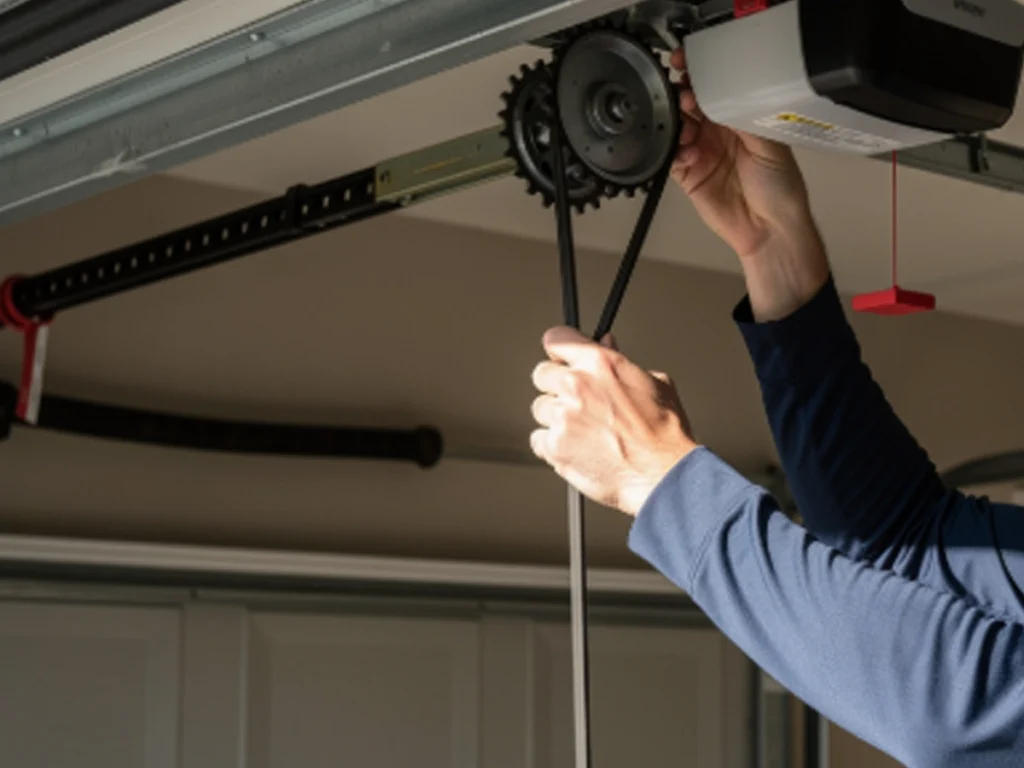
Faster residential garage door repair begins with an accurate diagnosis. Modern technicians use digital meters, sensor testers, cycle counters, tension measuring tools, inspection cameras, and organized mobile service systems. These tools help identify failed springs, damaged cables, worn rollers, bent tracks, opener faults, and sensor problems.
However, speed should never replace safe work. Springs, cables, bottom brackets, and other parts may hold dangerous levels of tension. A qualified technician should inspect the complete system, confirm the real cause, install compatible parts, and test the door before leaving.
For Franklin homeowners, the best repair method combines three things. It uses current diagnostic tools, a clear repair process, and parts chosen for the exact door. As a result, the door can return to safe and smooth use without rushed guesses or needless part changes.
Why Faster Residential Garage Door Repair Matters
A garage door problem can disrupt an entire household. For example, a trapped vehicle may delay work, school, medical visits, deliveries, and other plans.
Moreover, a small fault can place added strain on nearby parts. A worn roller may pull against the track. A weak spring may force the opener to carry more weight. A loose cable may also cause uneven movement.
Faster residential garage door repair matters because it limits this chain of stress. However, the repair must still follow a careful process.
- Fast diagnosis reduces the time spent testing unrelated parts.
- Correct parts prevent delays caused by poor fit or weak performance.
Homeowners should not judge speed by the technician’s arrival alone. Instead, they should look at the full service process.
A strong process answers several questions:
- Did the technician find the root cause?
- Were all safety systems tested after the repair?
A door that moves again is not always fully repaired. For instance, an opener adjustment may hide a balance problem for a short time. Likewise, a new roller may not correct a bent track.
Therefore, faster service should mean fewer guesses, fewer repeat visits, and a safer result.
How Modern Diagnostic Tools Save Valuable Time
Older repair methods often relied heavily on sight, sound, and manual testing. Those skills still matter. However, modern tools give technicians more data before they remove major parts.
A digital multimeter can test voltage, wiring, switches, and control circuits. It can help separate a power problem from a mechanical problem.
An inspection camera can show hidden damage near brackets, opener housings, and crowded ceiling areas. As a result, the technician may not need to remove several parts just to see the problem.
- Diagnostic tools narrow the list of possible causes.
- Clear measurements support better repair decisions.
Modern diagnosis is especially useful when the door behaves in an unusual way. It may stop at one point, reverse without an object, move slowly, or make a sound only during closing.
Each sign can have several causes. For example, a reversing door may have blocked sensors, poor sensor alignment, damaged wiring, excessive resistance, or an opener setting issue.
Therefore, a technician should not replace parts based on one symptom alone. The technician should test the system and compare the results.
This approach makes residential garage door repair faster because it limits needless work.
Digital Multimeters Improve Opener Troubleshooting
A digital multimeter is one of the most useful electrical testing tools in garage door repair. It helps a technician inspect voltage, continuity, resistance, and electrical connections.
Suppose an opener does not respond. The cause might be a power outlet, circuit, wall control, sensor wire, logic board, motor, or remote signal.
Without testing, a technician could spend too much time changing batteries or resetting controls. With a meter, the electrical path can be checked in a logical order.
- Voltage testing confirms whether power reaches the opener.
- Continuity testing helps locate damaged wires or switches.
This tool also supports safer decisions. Electrical parts should not be opened or changed without confirming the supply condition.
However, a meter does not replace mechanical inspection. The opener may receive correct power while the door remains too heavy to lift. In that case, the spring system may be the main concern.
A complete diagnosis connects electrical results with door balance, track condition, roller movement, and spring performance.
Sensor Alignment Tools Support Safe Closing
Photoelectric safety sensors are installed near the lower sides of many residential garage doors. They help detect an obstruction in the closing path.
Federal requirements have long addressed entrapment protection for automatic residential garage door operators. Therefore, sensor testing should be part of professional opener service.
Sensors can fail to work well because of dirt, loose brackets, damaged wires, poor alignment, sunlight, or vibration.
A technician may use alignment guides, signal readings, and electrical tests to find the exact cause.
- Proper alignment helps the sensors communicate clearly.
- Wiring tests reveal faults hidden behind finished walls or tracks.
Simply moving the sensor until its light turns on may not solve the full issue. The bracket could remain loose. Likewise, the wire could have an unstable connection.
After the repair, the technician should test the door several times. The safety reversal system should also be checked according to the opener manufacturer’s instructions.
As a result, the homeowner receives a repair that is both faster and more dependable.
Laser Tools Make Track Alignment More Precise
Garage door tracks guide the rollers during each opening and closing cycle. When tracks shift, the door may rub, shake, bind, or become uneven.
Small changes can be hard to see from the floor. Therefore, laser levels and precise measuring tools can improve the inspection.
A laser line helps compare the position of both vertical tracks. It can also help identify twists, leaning sections, or uneven mounting points.
- Accurate measurements reduce repeated track adjustments.
- Better alignment may lower friction and unwanted noise.
However, technicians must first determine why the track moved. Loose fasteners may be the cause. Yet damaged brackets, wall movement, door impact, or poor installation may also contribute.
A rushed adjustment may move the track back without correcting the weak support. In contrast, a complete repair addresses the track and the reason it shifted.
This is one reason innovative tools improve repair speed. They make small alignment errors easier to locate and correct.
Spring Measuring Tools Prevent Costly Guesswork
Garage door springs help balance the weight of the door. When properly selected and adjusted, they allow the door to move with less effort.
A spring must match the door’s weight, height, track setup, drum size, and other system details. Therefore, choosing a spring by appearance alone is not a sound method.
Technicians can use weighing tools, wire gauges, length measurements, and spring charts to identify suitable replacements.
- Correct measurements support safe spring selection.
- Matching parts reduce stress on the opener and cables.
Springs and connected hardware can hold dangerous stored energy. Homeowners should not loosen spring parts, bottom brackets, cable drums, or anchor points.
Uncontrolled spring tension can cause severe injury. Professional training and suitable tools are essential when adjusting or replacing these components.
Faster residential garage door repair does not mean winding a spring as quickly as possible. Instead, it means obtaining the needed measurements, selecting the proper part, and completing the work with controlled steps.
Cable and Drum Tools Improve Repair Control
Cables work with drums and springs to lift and lower many residential garage doors. A cable problem can cause the door to tilt, jam, scrape, or leave the floor unevenly.
A damaged cable may show fraying, rust, loose strands, or poor wrapping. However, the visible problem may come from another fault.
For example, a cable may leave the drum because the door struck an object. It may also happen because of a broken spring, damaged bottom fixture, uneven track, or incorrect tension.
Special cable tools and controlled holding methods help technicians secure the door while checking these parts.
- Proper holding tools limit sudden door movement.
- Drum inspection helps reveal uneven cable travel.
Replacing a loose cable without finding the cause may lead to another failure. Therefore, a technician should inspect both sides of the door and compare cable position.
The technician should also test door balance and movement after the work.
Thermal Imaging Can Reveal Hidden Opener Problems
Thermal imaging tools show temperature differences across electrical and mechanical parts. They may help technicians find unusual heat around motors, bearings, wiring, and control boards.
Heat does not always prove that a part has failed. Still, it can point the technician toward an area that needs closer testing.
For instance, a motor may run hot because the door is too heavy. A bearing may also warm because of excess friction.
- Thermal patterns help direct further inspection.
- Early heat detection may prevent needless part removal.
This tool works best when combined with electrical readings and mechanical tests. A technician should not replace a motor only because it looks warmer than another part.
Instead, the technician can test the door by hand, inspect the spring balance, check the rollers, and measure the opener’s operation.
Therefore, thermal imaging supports faster diagnosis without replacing professional judgment.
Sound Analysis Helps Find Worn Moving Parts
Garage doors often provide early warnings through sound. New grinding, popping, rubbing, or rattling may point to a developing problem.
However, sound can travel through tracks and door panels. As a result, the loudest area may not contain the faulty part.
Experienced technicians listen during several stages of travel. They may also use sound detection equipment to compare bearings, rollers, hinges, and opener parts.
- Sound patterns can reveal where friction begins.
- Movement tests show whether noise changes under load.
A squeak may come from a dry hinge or worn roller. A pop may come from a damaged section, track issue, or spring movement.
Likewise, a grinding sound may involve the opener, drive system, rollers, or track.
Homeowners should avoid spraying random products across the system. The wrong lubricant can collect dirt or make parts harder to inspect.
A professional should follow the door and opener manufacturer’s maintenance guidance.
Mobile Parts Systems Reduce Return Visits
Innovative repair is not limited to electronic tools. A well planned service vehicle can make a major difference.
A technician who carries common rollers, hinges, cables, seals, fasteners, sensors, and opener parts may complete more repairs during one visit.
However, carrying many parts is not enough. The parts must be labeled, protected, and matched to the correct application.
- Organized inventory reduces time spent searching for parts.
- Mobile records help technicians confirm compatibility.
Before arriving, a service team may ask for the door brand, opener model, approximate age, symptoms, and available photos.
This information helps prepare the vehicle for the likely repair. Still, the final part choice should follow an onsite inspection.
A photo cannot confirm spring tension, door balance, hidden damage, or wiring condition. Therefore, remote information supports preparation rather than replacing diagnosis.
Digital Service Records Improve Future Repairs
Digital service records can store model numbers, part details, inspection notes, and earlier repair dates.
When a homeowner requests future service, the technician can review the known system before arriving. This saves time and provides useful context.
- Past records reveal repeated problems.
- Accurate part notes support better vehicle preparation.
Suppose a door has needed repeated track adjustments. The record may show that the issue is not isolated. The technician can then inspect brackets, framing, track supports, and door sections more closely.
Likewise, repeated sensor faults may suggest damaged wiring rather than simple misalignment.
Digital records also help homeowners understand what was completed. A clear service summary should state the problem found, work completed, parts installed, and final tests.
This level of detail supports trust and future planning.
A Systematic Repair Method Prevents Missed Problems
The fastest reliable technicians often follow a fixed inspection order. They do not begin by changing the first worn part they see.
A practical process may begin with questions about the door’s recent behavior. Next, the technician observes the door without moving it.
After the visual inspection, the technician may test manual balance, track travel, opener response, controls, and safety systems.
- A fixed order keeps the inspection focused.
- A complete final test confirms the repair result.
This process may include the following stages:
- Confirm the homeowner’s main concern.
- Inspect springs, cables, rollers, tracks, hinges, and panels.
- Test the opener, controls, wiring, and safety sensors.
- Explain the repair options before beginning work.
- Complete the approved work with suitable parts.
- Test balance, movement, reversal, noise, and control response.
Because each step has a purpose, the technician can work quickly without skipping important checks.
Illustrative Case Study of a Slow Garage Door
Consider an illustrative Franklin home where a garage door begins moving slowly and stops near the halfway point.
The homeowner may assume that the opener motor has failed. However, several faults could create the same symptom.
A technician first checks the door balance. The door feels heavy when disconnected from the opener. Further inspection shows a weak spring and worn rollers.
- The balance test identifies a mechanical load problem.
- Roller inspection explains part of the added resistance.
In this example, replacing the opener alone would not solve the root cause. The new opener would still pull against a heavy and resistant door.
Instead, the technician selects a suitable spring, replaces the worn rollers, checks cable travel, and tests the track.
After the mechanical work, the opener is tested again. It operates correctly, so unnecessary replacement is avoided.
This case is an example rather than a claim about a specific Everlast Garage Doors customer. It shows how diagnosis can save time and prevent needless costs.
Illustrative Case Study of a Door That Reverses
In another illustrative example, a garage door reaches the floor and immediately returns upward.
This symptom may appear to be an opener setting problem. Yet the actual cause could involve the floor seal, track resistance, sensor wiring, travel settings, or door balance.
The technician inspects the closing path and uses measurement tools to compare both tracks.
- The test reveals resistance near the lower track.
- A loose bracket has allowed one track to shift.
The technician secures the support, aligns the track, checks roller travel, and tests the door manually.
Only after the mechanical problem is corrected does the technician review the opener settings. The door then closes without unnecessary force changes.
This method is safer than increasing closing force to push through the resistance.
What Homeowners Can Check Before Service
Homeowners can complete a few simple checks without touching springs, cables, brackets, or internal opener parts.
First, check whether the opener has power. Next, confirm that the remote batteries are working and the wall control is not locked.
The sensor lenses can also be viewed for dirt or an obvious obstruction.
- Keep people, pets, and objects away from the moving door.
- Stop using the system when the door hangs, tilts, or moves sharply.
Do not attempt to force a jammed door. Likewise, do not loosen bolts attached to springs, cables, or bottom fixtures.
If the door is stuck open, keep the area secure until a technician can inspect it. If a vehicle is trapped, tell the service company when calling.
Clear details help the repair team prepare the right tools and likely parts.
How to Choose a Faster Repair Provider
Fast service should include more than a promise about arrival time. Homeowners should ask how the company diagnoses problems and tests completed work.
A qualified provider should be able to explain the issue in plain language. The technician should also separate urgent safety work from optional improvements.
- Ask whether the full door system will be inspected.
- Request a clear explanation before approving the repair.
Useful questions include:
- What caused the problem?
- Which parts need attention now?
- Are the replacement parts compatible with this door?
- Will the balance and safety systems be tested?
- What maintenance can reduce future wear?
A strong service provider should not use fear to force a quick choice. Instead, the company should provide clear findings and practical options.
Why Franklin Homes Need Local Repair Planning
Franklin homes include many door sizes, styles, materials, opener types, and garage layouts. Therefore, one repair method cannot fit every property.
Local weather changes can also affect seals, metal parts, lubrication, and electronic systems. Heat, moisture, storms, and temperature shifts may expose weak parts over time.
- Local preparation helps technicians carry commonly needed parts.
- Property specific inspection protects the door’s design and function.
Homeowners may also rely on the garage as a major entry point. A broken door can therefore affect access, security, comfort, and daily plans.
Everlast Garage Doors – Franklin focuses on practical residential repair solutions. The goal is to find the actual problem, explain it clearly, and restore dependable operation.
Trusted Safety Resources for Homeowners
Homeowners can learn more about garage door operator safety through trusted public and industry resources.
The United States Consumer Product Safety Commission publishes consumer product safety information and recall notices.
The Electronic Code of Federal Regulations provides federal requirements for automatic residential garage door operators.
The Door and Access Systems Manufacturers Association provides technical and safety information for doors and access systems.
- Public safety resources help homeowners understand key risks.
- Manufacturer instructions remain important for each specific system.
These resources should support professional guidance rather than encourage unsafe spring or cable work.
Five Frequently Asked Questions
How long does residential garage door repair take?
Many common repairs can be completed during one service visit when the correct parts are available. However, the actual time depends on the problem, door design, part condition, and required safety tests. Spring, cable, track, panel, sensor, and opener repairs may follow different processes. An inspection is needed before a reliable time estimate can be provided.
Can a garage door be repaired without replacing it?
Yes, many garage door problems can be corrected without replacing the complete door. Rollers, hinges, cables, springs, sensors, seals, tracks, controls, and opener parts may sometimes be repaired or replaced separately. However, replacement may be more practical when several sections are badly damaged, the structure is unsafe, or suitable parts are no longer available.
Why does my garage door open but not close?
A garage door may fail to close because of blocked sensors, dirty lenses, poor alignment, damaged wiring, track resistance, incorrect travel settings, or an obstruction. The exact cause should be tested rather than guessed. Avoid changing force settings simply to push the door closed because this may hide a mechanical or safety problem.
Is it safe to repair a garage door spring myself?
Garage door springs can store dangerous energy. Connected cables, drums, bottom brackets, and anchor parts may also move suddenly when loosened. Because an error can cause severe injury or property damage, spring replacement and tension adjustment should be handled by a trained technician with suitable tools and procedures.
How can innovative tools make garage door repair faster?
Modern tools help technicians measure electrical signals, check alignment, inspect hidden areas, assess spring size, detect heat, and organize service records. These findings reduce guesswork and support correct part selection. However, tools alone do not create a good repair. Training, safe procedures, full system testing, and clear communication remain equally important.
20. Conclusion
Faster residential garage door repair comes from accuracy, preparation, and safe work. It does not come from skipping inspection steps or rushing high tension repairs.
Modern meters, sensor tools, laser levels, inspection cameras, thermal imaging equipment, and organized service vehicles help technicians find problems sooner.
At the same time, a clear repair method keeps the work focused. The technician confirms the concern, inspects the system, measures key parts, explains the findings, and tests the completed repair.
This approach can reduce repeat visits and needless part changes. More importantly, it helps restore safe and dependable door movement.
Everlast Garage Doors – Franklin brings professional garage door knowledge to homeowners in Franklin, Tennessee. Our service approach focuses on accurate diagnosis, compatible parts, clear answers, and careful testing.
Contact Everlast Garage Doors – Franklin
Do not allow a noisy, uneven, slow, or unresponsive garage door to become a larger problem. Schedule a professional inspection and receive a clear repair plan for your home.
At Everlast Garage Doors, we provide complete Garage Door Services for both residential and commercial properties. Our team handles Garage Door Installation, Repair, Maintenance, Custom Designs , and full Door Replacements to ensure long-lasting performance and reliability. We also offer Emergency Garage Door Service to quickly resolve urgent issues and keep your property secure and fully operational. With Everlast Garage Doors, you can count on quality, durability, and trusted service every step of the way.
Phone: 615-808-8806
Location: 1107 Battlewood St #222, Franklin, TN 37069