
Some commercial high performance doors are designed for at least 100 operating cycles each day. Therefore, a door serving a busy facility may complete tens of thousands of movements during one year. That heavy use explains why the cheapest initial option may not create the lowest total cost.
AI Overview
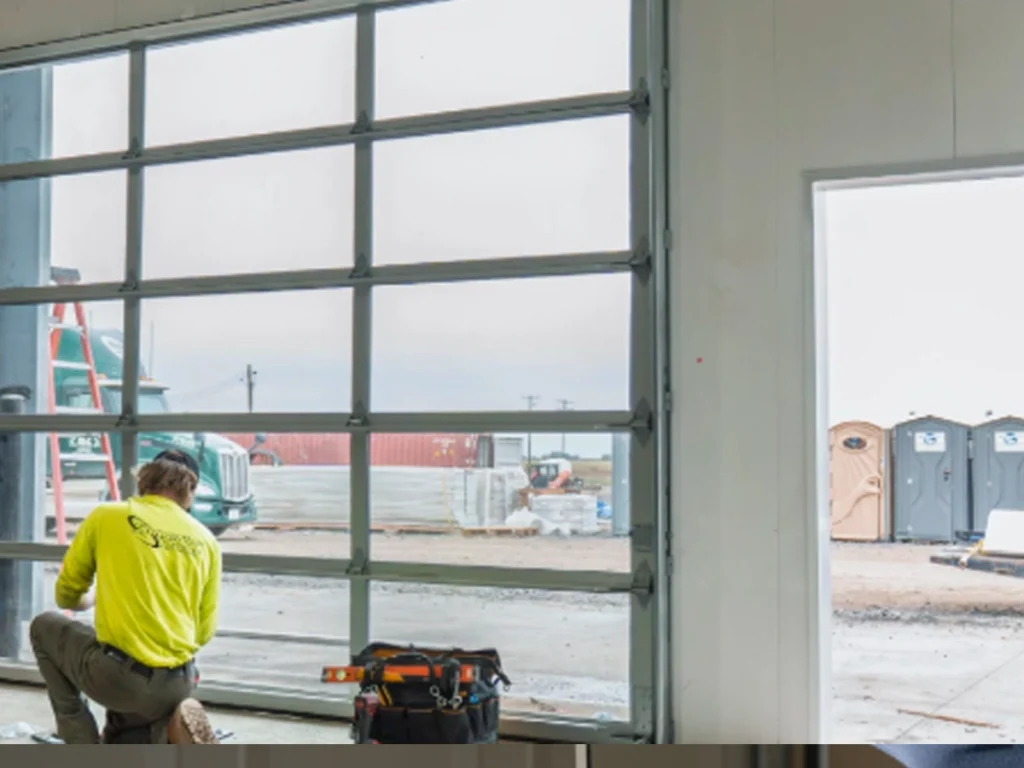
Commercial garage door installation cost is shaped by more than the price of the door. Size, material, insulation, cycle demand, operator type, safety controls, electrical work, structural work, permits, removal, labor, and site access can all affect the final investment.
Maintenance costs also vary. A lightly used storage door has different needs from a loading door that opens throughout the day. Therefore, facility leaders should compare the total cost of ownership rather than the purchase price alone.
A sound cost analysis includes the initial installation, planned inspections, normal wear parts, repairs, energy use, business downtime, and expected service life. It should also consider the cost of a door failure during an important delivery, customer visit, or production period.
For Franklin businesses, the right commercial door should match the opening and the work taking place around it. A clear site review helps decision makers choose a practical system, control future expenses, and support safe daily use.
Why Commercial Garage Door Cost Needs Careful Study
A commercial garage door is part of a working business system. It may support shipping, storage, vehicle access, security, production, customer service, or emergency response.
Therefore, its value should not be measured by purchase price alone. A lower bid may exclude electrical work, removal, controls, structural changes, or final testing.
- The first cost covers only part of the ownership period.
- The operating cost continues for the life of the door.
A complete review should examine the door, operator, controls, safety devices, seals, track system, mounting surface, and electrical supply.
It should also examine how often the door will move. Cycle demand changes the strain placed on springs, rollers, hinges, cables, bearings, and the operator.
For example, a warehouse door used ten times each day has a different cost profile from a service door used one hundred times.
The higher use door may need stronger parts and more frequent service. However, those added costs may prevent larger repair bills later.
Therefore, the best budget is based on the actual work the door must perform.
What Makes Up the Initial Installation Cost?
Commercial garage door installation cost usually contains several separate items. A clear proposal should identify those items rather than show one unexplained total.
The door itself is one part. Labor, tracks, springs, mounting hardware, controls, and site work may add significant cost.
- Door size and construction affect material needs.
- Site conditions affect labor time and equipment needs.
A basic cost scope may include removal of the old door, disposal, opening measurements, new tracks, mounting brackets, springs, cables, seals, and final adjustments.
A powered system may also require an operator, control station, remote devices, safety equipment, wiring, and electrical connections.
In addition, a large opening may require lifts or other access equipment. Work near active traffic may require barriers and scheduling controls.
Decision makers should ask what the proposal includes. They should also ask what may create an extra charge after work begins.
This step makes competing estimates easier to compare.
How Door Size Changes the Final Price
Larger commercial doors need more material. They may also need heavier tracks, stronger counterbalance parts, larger operators, and more installation labor.
However, width and height are not the only measurements that matter. Headroom, side room, back room, floor slope, and wall condition also affect the plan.
- Larger openings usually need stronger support systems.
- Limited working space can increase installation difficulty.
A door installed in a clear new opening may be easier to fit. By contrast, an older building may have uneven framing, damaged steel, or equipment near the tracks.
The technician must also confirm that the opening is suitable for the selected door. A poor fit can cause gaps, friction, uneven travel, and early wear.
Therefore, accurate field measurements are essential before the final price is set.
Facility leaders should avoid ordering a door from rough measurements alone. A small measuring error can delay the project and increase cost.
How Door Type Affects the Budget
Commercial facilities use several door types. Common choices include sectional doors, rolling steel doors, sheet doors, fire doors, full view doors, and high performance doors.
Each type serves a different need. Therefore, each type has a different cost structure.
- Sectional doors offer many insulation and window choices.
- Rolling doors can save space near the ceiling.
Sectional doors move through tracks and usually rest below the ceiling when open. They work well in many service, warehouse, and vehicle areas.
Rolling doors coil above the opening. They may suit locations with limited ceiling space or added security needs.
Full view aluminum doors may fit showrooms and service centers where natural light and appearance matter.
High performance doors may suit busy openings where speed, traffic flow, or climate control is important.
Because each system has different parts and service needs, the lowest purchase price does not always produce the best result.
Why Material Selection Matters
Steel is widely used for commercial doors because it can provide strength, security, and broad design choices.
Aluminum may be useful when appearance, lighter weight, or glass panels are important. However, the full system must still match the operating conditions.
- Material choice affects strength and appearance.
- Panel construction affects insulation and repair options.
A basic steel door may serve a simple storage opening. Meanwhile, an insulated steel door may be better for a conditioned building.
A full view door may improve natural light and customer appeal. Yet glass choices, framing, and exposure may change the budget.
The surrounding environment also matters. Moisture, chemicals, dust, vehicle contact, and frequent washing may influence material selection.
Therefore, commercial garage door installation cost should be tied to the site rather than a general price chart.
How Insulation Changes Installation and Operating Cost
An insulated commercial door usually costs more than a basic noninsulated door. However, it may help reduce unwanted heat movement through a large opening.
The real value depends on the building use, local conditions, door size, and opening frequency.
- Insulation may support indoor temperature control.
- Better seals may reduce air movement around the opening.
A conditioned warehouse, workshop, restaurant, clinic, or service center may benefit more than an open storage structure.
However, insulation alone cannot stop energy loss while the door remains open. Therefore, cycle speed and staff habits also matter.
A slower door may stay open longer during each movement. A damaged bottom seal may also allow outside air, water, dust, or pests to enter.
Facility leaders should compare the added insulation cost with the expected use of the space.
The best choice balances purchase cost, comfort, energy needs, and long term service demands.
Why Cycle Demand Is a Major Cost Factor
A cycle is one complete opening and closing movement. Every cycle adds wear to moving parts.
Therefore, estimated daily use should be discussed before the door is selected.
- Higher cycle demand requires more durable components.
- Accurate usage estimates improve maintenance planning.
Some commercial high performance systems are designed for demanding use. DASMA based definitions commonly describe high performance doors by speed, daily cycles, and other operating features.
A small business may use one door only a few times each day. A delivery center may use another door throughout each shift.
Installing a light duty system in a heavy duty setting may reduce the first price. However, it may create more service calls and interruptions.
In contrast, a stronger system may have a higher first cost but provide better value during heavy use.
How the Operator Changes the Cost
A commercial door operator must match the door size, weight, balance, speed, and duty level.
It must also fit the available electrical supply and control method.
- Larger doors may require stronger operators.
- Frequent use may require a higher duty rating.
Control options can include wall stations, remote controls, key switches, vehicle detectors, card access, timers, and building systems.
Each feature adds equipment and installation work. It may also add future testing and service needs.
A simple manual door may cost less at first. However, manual use may not suit a busy loading area or a large heavy door.
An automatic operator may improve traffic flow and staff access. Still, it should not be chosen only by motor size.
The complete door must move freely and remain balanced. An operator should guide the door rather than overcome a damaged mechanical system.
Why Safety Controls Belong in the Budget
Commercial doors can create crushing, impact, pinch, and falling risks when systems are damaged or poorly controlled.
Therefore, safety devices and proper testing should be part of the project budget.
- Safety controls help detect people or objects.
- Warning devices can support safer traffic flow.
Possible controls include photo sensors, monitored edges, warning lights, horns, guards, and traffic signals.
The required controls depend on the door, operator, use area, traffic, and applicable rules.
Workplace servicing may also require control of hazardous energy. OSHA provides requirements for controlling unexpected equipment startup or energy release during servicing and maintenance.
Facility leaders should use qualified professionals and follow the door manufacturer’s instructions, workplace rules, and applicable codes.
The cheapest control plan may not be suitable for a busy vehicle or pedestrian area.
How Structural Work Can Raise the Price
Not every opening is ready for a new commercial door. The surrounding wall and mounting surfaces must support the selected system.
Older buildings may need steel reinforcement, framing repair, concrete work, or opening changes.
- Weak mounting areas may require added support.
- Uneven openings may require corrective work.
A replacement project may reveal damage after the old system is removed. Rust, cracked masonry, rotted framing, bent steel, and past impact damage can affect installation.
These conditions should be discussed before work begins whenever possible.
A detailed site review can reduce surprises. However, hidden damage cannot always be seen during the first visit.
Therefore, commercial estimates should explain how unexpected structural work will be handled.
How Electrical Work Affects the Total
Powered commercial doors need a suitable electrical supply. The operator voltage, disconnect, wiring path, controls, and local requirements must be reviewed.
Existing power may not match the new operator.
- New wiring can add labor and material cost.
- Control integration may require added planning.
Some projects also connect the door to access control, security, fire, or building management systems.
That work may require coordination between the door company, electrician, security provider, property manager, and other contractors.
Poor coordination can delay completion. Therefore, responsibilities should be clear before the project starts.
A proposal should identify whether electrical work is included or provided by another contractor.
Why Removal and Disposal Should Be Included
Replacing a commercial door often requires removal of a large and heavy existing system.
The old panels, tracks, springs, operator, and hardware must be handled safely.
- Removal adds labor and equipment needs.
- Disposal may create hauling or recycling fees.
The removal process can become harder when the old door is damaged, stuck, or under unsafe tension.
Access conditions also matter. A crowded warehouse or active service bay may require special scheduling and traffic control.
Facility leaders should ask whether the estimate covers full removal and disposal.
Otherwise, a low proposal may appear attractive while leaving major work outside the stated price.
What Planned Maintenance Usually Covers
Commercial garage door maintenance is intended to find wear before it leads to a larger failure.
The exact service plan should follow the door type, manufacturer guidance, site conditions, and daily use.
- Inspections can reveal loose or worn parts.
- Adjustments can help keep movement smooth.
A maintenance visit may include visual inspection, balance checks, fastener review, track inspection, roller review, seal inspection, operator testing, and control testing.
The technician may also check cables, drums, springs, bearings, hinges, brackets, locks, and mounting points.
Lubrication may be applied where the manufacturer recommends it. However, random products should not be placed on every moving surface.
A written service record helps facility leaders track findings and plan future work.
How Often Should a Commercial Door Be Serviced?
There is no single schedule that fits every commercial door. A lightly used door may not need the same visit rate as a busy loading door.
Usage, environment, door type, and business risk should guide the plan.
- High use doors may need more frequent checks.
- Harsh settings may speed up wear or corrosion.
Dust, moisture, impact risk, temperature changes, and outdoor exposure can affect the system.
The cost of downtime also matters. A door that blocks a key shipping lane may deserve closer attention than a backup storage door.
Facility leaders should ask the service provider to recommend a schedule after reviewing the site.
The plan can then be adjusted as service records reveal actual wear patterns.
What Normal Maintenance Costs Should Include
Maintenance costs should be separated into planned service and repair work.
Planned service covers inspection and routine care. Repair work covers failed or damaged components.
- Regular inspections create a predictable expense.
- Emergency failures create less predictable costs.
Common wear items may include rollers, hinges, seals, cables, springs, bearings, fasteners, controls, and safety devices.
Their service life depends on cycles, load, alignment, environment, and past maintenance.
A useful budget includes an annual planned service amount and a reserve for repairs.
This approach gives decision makers a clearer view than waiting for each failure.
How Downtime Changes the True Cost
Door downtime can cost more than the repair itself. A failed door may block vehicles, delay deliveries, reduce security, or stop work in one area.
Therefore, downtime should be part of the cost analysis.
- Lost access can affect staff and customers.
- Delayed shipments can affect business schedules.
Consider the value of one active loading lane. If the door fails during a busy period, staff may need to reroute traffic or move goods through another opening.
That change can increase handling time and create congestion.
A preventive repair completed during a planned quiet period may cost less than an urgent repair during peak operations.
This is why total ownership cost is more useful than purchase price alone.
Illustrative Five Year Cost Comparison
The following example is a planning model. It is not a quote or a claim about a specific Franklin business.
Assume a company is comparing two doors for a busy service opening.
- Option A has a lower initial price.
- Option B has stronger components and a higher duty design.
However, it may need more repairs if daily use exceeds its intended demand.
Option B may cost more at first. Yet it may deliver longer service intervals and less downtime under heavy use.
The five year comparison should include these categories:
- Purchase and installation
- Electrical and structural work
- Planned inspection visits
- Expected wear parts
- Repair labor
- Energy effects
- Downtime and lost access
- Expected replacement timing
Once these categories are added, the lower bid may not remain the lower cost.
Illustrative Maintenance Case Study
Consider a fictional Franklin service company with three commercial overhead doors.
One door serves a busy vehicle bay. The other two serve storage areas with lower use.
- The busy door receives more frequent inspections.
- The storage doors follow a lighter service plan.
During a planned visit, the technician finds a worn roller and loose track hardware on the busy door.
The parts are replaced during a quiet period. Therefore, the business avoids a sudden jam during its busiest operating hours.
This example does not describe a verified customer event. Instead, it shows why maintenance should match the risk and use of each opening.
Applying one identical schedule to every door may waste money in one area and provide too little care in another.
How to Compare Commercial Door Proposals
Decision makers should compare more than the final total.
Each proposal should describe the exact door, track, hardware, operator, controls, labor, and warranty.
- Written details make estimates easier to compare.
- Clear exclusions reduce later disputes.
Ask whether the proposal includes removal, disposal, permits, lifts, electrical work, structural work, controls, testing, and staff instruction.
Also ask about the assumed cycle demand and service setting.
A contractor should explain why the proposed system fits the opening and business need.
A vague proposal may hide important differences between competing options.
Why Experience Supports Better Cost Control
Commercial door work requires more than installing panels and tracks.
The service team must understand movement, balance, controls, site access, traffic, and long term wear.
- Accurate diagnosis reduces needless replacement.
- Correct planning reduces delays and added labor.
Everlast Garage Doors – Franklin approaches commercial projects by reviewing the opening, usage, site condition, and business goals.
The goal is to recommend a door system that supports safe access and practical ownership costs.
A strong provider should also explain options in clear language. Decision makers need useful facts rather than pressure.
Trusted Resources for Commercial Door Planning
Facility leaders can use trusted safety and industry resources while planning a commercial door project.
- Public guidance helps support workplace safety planning.
- Industry resources provide technical door information.
The Occupational Safety and Health Administration provides workplace safety guidance and rules, including information related to hazardous energy control during service work.
The Door and Access Systems Manufacturers Association publishes technical information for door and access systems.
The United States Department of Energy offers information about commercial building energy use and building performance.
These sources support informed planning. However, project requirements should still be confirmed for the exact site and door system.
Frequently Asked Questions
How much does commercial garage door installation cost?
Commercial garage door installation cost varies because every opening and work setting is different. Door size, material, insulation, tracks, operator type, safety controls, electrical work, structural needs, removal, and labor all affect the price. A site inspection and written scope are needed before a dependable project estimate can be prepared.
How long does a commercial garage door last?
Service life depends on door design, daily cycles, environment, impact history, alignment, and maintenance. A lightly used storage door may age differently from a loading door that operates throughout each workday. Rather than relying only on age, facility managers should track cycles, repair history, inspection findings, noise, movement, corrosion, and part wear.
How often should commercial garage doors receive maintenance?
The right schedule depends on usage, door type, business risk, and site conditions. High use doors may need more frequent inspection than low use storage doors. Dust, moisture, vehicle traffic, and weather exposure may also increase service needs. A qualified provider can recommend a schedule after reviewing the door and its daily operating demands.
Is preventive maintenance worth the cost?
Preventive maintenance can provide value when it finds wear before a door jams, falls out of alignment, or stops working. It also creates service records that help managers forecast repair needs. However, the plan should match the door’s use and risk. Paying for an unsuitable schedule may not provide the best return.
Should a commercial garage door be repaired or replaced?
Repair may make sense when the door structure remains sound and suitable parts are available. Replacement may be more practical when damage is extensive, failures are frequent, safety concerns remain, or the system no longer fits business needs. A cost comparison should include future repairs, downtime, energy needs, and expected remaining service life.
Conclusion
Commercial garage door installation cost is only the first part of the financial decision.
The true cost includes the door, hardware, operator, controls, labor, removal, electrical work, structural needs, maintenance, repairs, energy effects, and downtime.
Therefore, decision makers should begin with the work the door must perform.
A low use storage opening may need a simple system. A busy service or loading opening may justify stronger parts and more planned care.
The best proposal should explain what is included, why the system fits the site, and how future service will be handled.
Everlast Garage Doors – Franklin helps businesses evaluate commercial garage door installation and maintenance needs with practical planning and clear communication.
Contact Everlast Garage Doors – Franklin
Plan your commercial garage door project with a team that understands installation cost, daily use, safety needs, and future maintenance.
At Everlast Garage Doors, we provide complete Garage Door Services for both residential and commercial properties. Our team handles Garage Door Installation, Repair, Maintenance, Custom Designs , and full Door Replacements to ensure long-lasting performance and reliability. We also offer Emergency Garage Door Service to quickly resolve urgent issues and keep your property secure and fully operational. With Everlast Garage Doors, you can count on quality, durability, and trusted service every step of the way.
Contact us at
Phone: 615-808-8806
Location: 1107 Battlewood St #222, Franklin, TN 37069