
A surprising fact about older garage doors is that many were designed around smaller vehicles and simpler opening systems. In fact, older homes often have narrower garage openings than many newer properties. Therefore, a successful upgrade must consider the house, opening, vehicle, structure, and operating system together.
AI Overview
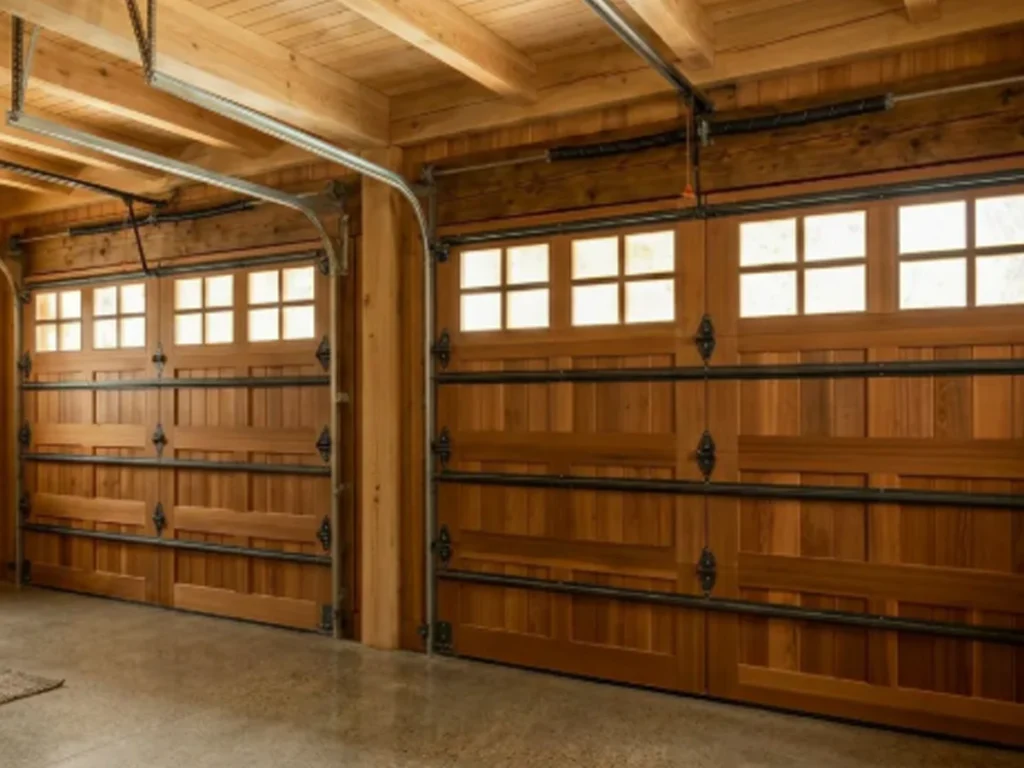
Garage door upgrades for older Franklin homes should improve safety, reliability, comfort, and appearance without making the door look out of place. The best upgrade starts with a complete inspection of the opening, framing, tracks, springs, electrical supply, ventilation, and available ceiling space.
Older homes may have uncommon opening sizes, uneven floors, limited headroom, aging wood framing, or older one piece doors. Therefore, a standard replacement package may not fit correctly. A custom sectional door, low headroom track, updated spring system, quiet opener, modern safety sensors, and new weather seals may provide a better result.
Design is equally important. Franklin includes historic neighborhoods and homes influenced by Federal, Victorian, Colonial Revival, Craftsman, Tudor, and other styles. Some local historic properties may also be subject to design review. Therefore, homeowners should confirm local requirements before changing a door that affects a protected exterior.
The right project does not simply place a modern door inside an old opening. Instead, it combines careful measurement, compatible parts, safe operation, and a design that respects the character of the home.
Why Older Franklin Homes Need a Custom Plan
Their garage openings may be narrow, low, uneven, or framed with materials that have changed over many years.
As a result, the replacement process may require more planning than a standard door installation.
- Custom planning protects the original structure.
- Accurate measurements reduce costly fitting problems.
A technician should inspect the full opening before recommending a door. Width and height are important, yet they are only the starting points.
The inspection should also cover side room, headroom, back room, floor level, wall strength, ceiling obstructions, and electrical access.
In addition, the technician should note whether the garage is attached or detached. This detail can affect insulation, noise, security, and opener choices.
Therefore, door weight should never be increased without reviewing the spring system and mounting points.
In our professional view, the best upgrade begins with the home rather than a product catalog.
How Historic Character Shapes the Best Design
Its historic districts include homes with several distinct architectural styles and periods.
Therefore, a garage door should support the home’s visual character rather than compete with it.
- Simple panel patterns suit many traditional homes.
- Thoughtful windows can reflect nearby house details.
A Colonial Revival home may suit balanced panels and neat window rows. Meanwhile, a Craftsman home may benefit from stronger horizontal lines and warm wood tones.
A Victorian inspired property may support more detail. However, too much decoration can make the garage door appear newer than the rest of the house.
Homeowners should study the front door, porch columns, siding, windows, roof, and trim. Those features provide useful design clues.
Color also matters. A garage door can match the trim, blend with the body color, or provide a controlled contrast.
However, protected properties may have exterior design rules. Therefore, owners should check with the City of Franklin before ordering a visible change.
Why a Custom Size Door May Be the Smart Choice
Trying to force a standard door into an uncommon opening can create gaps, poor seals, awkward trim, and limited vehicle clearance.
- A custom size can preserve the existing opening.
- Better fit improves movement and weather control.
A custom door may cost more than a stock size. However, it may avoid major changes to brick, stone, siding, or original framing.
That trade can be valuable in an older home. Altering the opening may affect the front elevation and create additional finish work.
The installer should measure the opening in several places. Older walls and floors are not always perfectly square.
For example, the left side may be slightly taller than the right. Likewise, the floor may slope toward the driveway.
A careful plan accounts for those conditions while keeping the finished door level and balanced.
When a Sectional Door Is a Powerful Upgrade
Some older garages still use one piece doors or older swing doors. These systems may suit the home’s history, yet they can limit driveway space or modern opener choices.
A sectional door moves through tracks in connected sections. Therefore, it does not need the same outward swing area as some older designs.
- Sectional doors can improve driveway clearance.
- Multiple sections support many design options.
Modern sectional doors are available in steel, wood, composite, aluminum, and other materials. They can also include insulation and decorative windows.
However, a sectional conversion must fit the garage interior. Track location, ceiling beams, lights, storage, and attic access all matter.
The installer must also review the framing. A new track system needs secure mounting points.
This upgrade can improve daily use, but it should not erase the visual character of the original door.
Carriage style sections can create the look of outward opening doors while providing modern overhead operation.
How Low Headroom Tracks Solve Tight Space Problems
Older garages may have limited space above the opening. A beam, low ceiling, storage platform, or finished room may restrict standard tracks.
Fortunately, low headroom track systems can help in some situations.
- Special tracks use limited overhead space.
- Careful planning protects ceiling access.
A technician should measure the distance from the top of the opening to the lowest obstruction.
The available depth also matters because the horizontal tracks must extend into the garage.
In some homes, rear torsion springs or other track arrangements may create a better fit. However, every option has specific space and support needs.
Therefore, the installer should design the track layout before ordering the door.
A poor track plan can interfere with lighting, storage, or an attic stair. It can also place the opener at an awkward angle.
Custom garage door upgrades should improve the entire garage rather than solve one problem while creating another.
Why Modern Safety Features Matter
Older garage door systems may not have the safety protections found on current automatic openers.
Modern residential opener systems use entrapment protection, including external devices that detect an obstruction in the closing path.
- Safety sensors help detect objects below the door.
- Reversal settings help limit dangerous closing force.
A new opener should include properly positioned sensors and a tested reversal system.
However, adding a modern opener is not enough when the door itself is damaged or unbalanced.
The technician should first confirm that the door moves freely by hand when safely disconnected. Springs, rollers, tracks, cables, and hinges must work together.
The opener should guide a balanced door. It should not pull a heavy door through damaged tracks.
Older extension spring systems may also require review. Safety cables can help restrain extension springs if a spring or related part fails.
Because spring systems hold dangerous energy, upgrades should be completed by trained professionals.
How a Quiet Opener Protects Indoor Comfort
Garage noise matters more when a bedroom, office, or living space sits above or beside the garage.
Older chain systems, worn rollers, loose hardware, and vibrating supports can send noise through the home.
- A quiet opener can reduce motor and drive noise.
- New rollers may reduce track vibration.
Belt drive openers are often selected when quieter operation is a priority. However, the full system must be inspected before blaming the opener.
A noisy door may have worn hinges, dry bearings, damaged rollers, loose tracks, or poor balance.
Therefore, the best upgrade combines a suitable opener with mechanical repairs.
Vibration isolation may also help when the mounting system transfers sound into ceiling framing.
Still, no garage door will operate in complete silence. The goal is smooth, controlled movement without grinding, banging, or harsh shaking.
A professional evaluation can separate normal operating sound from signs of wear.
Why Smart Controls Can Improve Daily Use
A smart garage door opener can allow remote status checks, access alerts, scheduled closing, and control through a supported application.
These features may be useful for families, deliveries, guests, and busy work schedules.
- Remote status can confirm whether the door closed.
- Access alerts can support home security awareness.
However, smart features should be treated as one part of the security plan.
Homeowners should use strong account passwords and current software. They should also review who has access to the control system.
The garage entry door leading into the home should remain secure. A smart opener does not replace a proper lock on that door.
Older homes may also need electrical work before a new opener is installed. The outlet, wiring, and circuit condition should be checked.
In addition, internet signal strength may be weak inside a detached or masonry garage.
Therefore, the technology plan should match the actual building.
How Insulated Doors Can Improve Garage Comfort
An insulated garage door may help slow heat movement through a large opening. It can also add stiffness and reduce some outside noise.
However, insulation should be considered as part of the full garage rather than a single cure.
- Insulated sections may improve interior comfort.
- New seals can reduce air and water gaps.
The value of insulation depends on how the garage is used. An attached garage, workshop, laundry area, or conditioned room may benefit more than an open storage building.
Moreover, the walls, ceiling, windows, and entry door also affect temperature.
Opening the garage door brings outdoor air inside quickly. Therefore, an insulated door cannot prevent all temperature change.
Homeowners should compare door construction, insulation values, seals, and actual use.
A heavier insulated door also requires the correct springs and hardware. Added weight should never be placed on an old counterbalance system without adjustment.
Why Weather Seals Deserve Close Attention
Older garage doors often have cracked bottom seals, stiff side seals, or visible gaps.
These openings can allow air, rain, leaves, insects, and dust to enter.
- A flexible bottom seal follows the floor better.
- Side and top seals help close perimeter gaps.
The correct seal depends on the door and retainer style. An uneven floor may require a different solution from a straight and level floor.
A threshold seal may help in some settings. However, drainage must remain part of the plan.
Water should not become trapped inside the garage because a new threshold blocks its path.
Panel seals can also matter on older sectional doors. Worn joints may allow light and air between sections.
Before replacing seals, the technician should check door alignment. A crooked door will not seal well, even with new material.
Therefore, weather control begins with correct movement and fit.
How Wood Look Materials Preserve Classic Appeal
Real wood can provide warmth, depth, and traditional character. However, it may require regular finishing and careful moisture control.
Modern steel and composite doors can create a wood inspired look with different maintenance needs.
- Real wood offers natural grain and variation.
- Wood look materials may need less surface care.
The right choice depends on the home, budget, exposure, and desired level of upkeep.
A sheltered garage may support a different material from a door exposed to strong sun and rain.
Steel doors can offer strength, insulation, and many stamped designs. Composite overlays can add texture and carriage style detail.
Still, samples should be viewed beside the home when possible. A finish that looks warm indoors may appear very different in direct sunlight.
The goal is not to copy wood at any cost. Instead, the goal is to select a durable material that supports the home’s architecture.
Why Custom Windows Need Careful Placement
Garage door windows can add natural light and visual detail. They can also echo windows used elsewhere on the house.
However, the wrong window pattern can make an older home feel visually unbalanced.
- Window shape should support the home’s style.
- Glass choice should balance light and privacy.
A Craftsman style home may suit divided panes with simple lines. Meanwhile, an older cottage may look better with smaller windows.
Homeowners should also consider the view into the garage. Clear glass provides more light, while obscure glass provides more privacy.
Insulated glass may be available for some door systems. Yet the complete thermal performance depends on the door construction and seals.
Added glass also changes door weight. Therefore, springs and opener settings must match the finished door.
A trained installer should calculate this change rather than adjusting by guesswork.
How Decorative Hardware Adds Authentic Detail
Handles, hinges, straps, and knockers can help a sectional door resemble a traditional carriage door.
However, restraint is important. Too many pieces can overwhelm a simple older home.
- Hardware should match nearby metal finishes.
- Scale should fit the size of the door.
Black hardware can create strong contrast on a light door. Bronze or muted finishes may blend better with warm brick and natural wood tones.
Some hardware is decorative, while other hardware is functional. Homeowners should understand the difference before ordering.
Decorative pieces must also be mounted securely. Loose hardware can rattle or damage the surface.
In our expert opinion, one or two well chosen details often look more authentic than a crowded collection.
The strongest design connects the garage door with the front entry, lighting, gutters, and other visible features.
Why Stronger Springs May Be Needed
Custom doors can weigh more than the doors they replace. Insulation, glass, overlays, and thicker materials can all add weight.
Therefore, the counterbalance system must be selected for the completed door.
- Correct springs help balance the new weight.
- Proper balance reduces strain on the opener.
A spring should not be chosen only because it fits the shaft. Wire size, diameter, length, cycle needs, door weight, drums, and track design all matter.
An incorrectly matched spring can make the door too heavy or cause it to rise too quickly.
Spring work is dangerous because the system stores substantial energy. Homeowners should not attempt to wind, unwind, or remove these parts.
After installation, the technician should test balance at several positions.
The door should remain controlled rather than dropping or rising sharply.
When New Tracks and Rollers Make Sense
A beautiful new door will not perform well on damaged or unsuitable tracks.
Older tracks may be bent, loose, heavily worn, or incompatible with the selected sections.
- New tracks can improve alignment and fit.
- Quality rollers can support smoother travel.
The installer should check the walls and ceiling where the tracks attach. Weak wood, loose fasteners, rust, or past impact damage may need correction.
Roller material also affects movement and sound. Some rollers are designed for quieter residential use, while others serve different load needs.
However, smooth rollers cannot correct a twisted track.
Therefore, tracks, rollers, hinges, and brackets should be treated as one movement system.
A complete hardware plan often creates a better result than reusing parts simply because they remain attached.
How Lighting Can Make an Older Garage Safer
Older garages may have one dim ceiling light or a bulb blocked by the open door.
A new opener with built in lighting can improve visibility near the vehicle and entry door.
- Better light supports safer walking and parking.
- Motion activation improves hands free use.
Lighting should cover the areas beside the vehicle as well as the center of the garage.
Homeowners may also consider separate ceiling fixtures that remain useful while the door is open.
Any electrical changes should be completed correctly for the space and circuit.
Smart lighting can add schedules and remote controls. However, simple reliable lighting may be enough for many homes.
The main goal is clear visibility around steps, tools, storage, and the door path.
Lighting upgrades are often overlooked, yet they can greatly improve daily use.
How Security Upgrades Protect an Older Home
The garage door may be one of the largest access points in the home. Therefore, weak locks, damaged panels, or unreliable controls deserve attention.
A secure upgrade combines a sound door with good access habits.
- Strong sections resist common daily damage.
- Modern controls can improve access management.
An automatic lock may be available with some opener systems. Battery backup may also support access during certain power failures.
However, product features vary. Homeowners should review the manufacturer’s instructions and limitations.
The door between the garage and living area should remain locked. Garage remote controls should not be left in an unlocked vehicle.
Windows can use privacy glass or placement that limits views of stored items.
Security should not make emergency exit or manual operation confusing. Homeowners should understand how the release system works before a power outage occurs.
What to Know About Historic Design Review
Some Franklin properties lie within local historic districts where exterior changes may receive design review.
Therefore, homeowners should confirm whether approval is required before ordering a custom door.
- Early review can prevent costly order changes.
- Suitable designs can preserve neighborhood character.
The review may consider material, panel pattern, windows, color, opening size, and visibility from public areas.
Requirements can vary by property and project. Therefore, a general online statement should not replace guidance from the city.
Homeowners should gather photographs, measurements, product drawings, finish samples, and window details.
A garage door company can help prepare clear product information. However, the property owner remains responsible for confirming approvals.
Planning first is especially important for custom products because they may have limited return options.
An Illustrative Upgrade for a Craftsman Home
Consider an illustrative Franklin Craftsman home with a narrow garage opening and an aging one piece wood door.
The old door requires outward clearance and makes a loud movement near an upstairs bedroom.
- The owners want a quieter operating system.
- They also want to keep the home’s warm character.
A possible plan begins with precise opening and ceiling measurements. The inspection confirms that a sectional door can fit with a special track layout.
The owners select an insulated steel door with a muted wood look finish. Simple top windows echo the home’s existing window pattern.
A quiet belt drive opener and new safety sensors complete the system.
This scenario is an educational example. It is not presented as a verified Everlast Garage Doors – Franklin customer project.
The example shows how appearance, space, noise, safety, and door weight can guide one coordinated design.
An Illustrative Upgrade for a Brick Colonial Home
Now consider an illustrative brick Colonial Revival home with a faded metal door and worn perimeter seals.
The opening is close to a standard size, but the floor slopes slightly near one corner.
- The owners want a cleaner traditional appearance.
- They also want better sealing near the floor.
A practical design may use a light colored insulated sectional door with balanced rectangular panels.
A restrained row of divided windows can align with the home’s symmetrical front elevation.
The installer measures the floor at several points and selects a bottom seal that can follow the minor variation.
The tracks, springs, opener, and sensors are also reviewed before installation.
Again, this is an example rather than a claim about a specific customer.
It shows why even a visually simple upgrade should include fit, balance, seals, and safety.
How to Build a Realistic Upgrade Budget
Custom garage door costs vary because openings, materials, hardware, controls, and site conditions differ.
Therefore, homeowners should compare complete project scopes rather than one door price.
- The proposal should list included equipment.
- Possible extra work should be explained early.
A complete budget may include:
- Site measurement
- Door sections
- Windows and decorative details
- Tracks and mounting hardware
- Springs and counterbalance parts
- Garage door opener
- Safety controls
- Removal and disposal
- Framing or finish work
- Electrical work
- Permit or review needs
- Final testing
A custom door may have a higher first cost. However, the proper fit may reduce later problems with gaps, rubbing, and poor balance.
The lowest proposal is not always the best value when key work is excluded.
What Homeowners Should Ask Before Ordering
A custom garage door may take planning and product lead time. Therefore, important questions should be answered before the order is placed.
Clear answers reduce confusion and protect the design goal.
- Ask how the door matches the opening.
- Ask how added weight affects the system.
Useful questions include:
- Is the existing opening square and stable?
- Will the new door require structural changes?
- Does the property require design approval?
- Which material fits the home and exposure?
- How will the window pattern look from the street?
- Does the door include insulation?
- Which spring system matches the final weight?
- Can existing tracks be used safely?
- Which opener fits the door and ceiling?
- What final safety tests are included?
A professional should explain each recommendation in plain language.
Why Maintenance Protects the New Upgrade
Even a well designed custom door needs regular inspection and care.
The correct schedule depends on the product, use, environment, and manufacturer guidance.
- Routine checks can reveal early wear.
- Clean seals and tracks support proper movement.
Homeowners can watch for loose hardware, damaged seals, unusual noise, shaking, slow travel, and uneven movement.
However, springs, cables, bottom brackets, and related tension parts should be left to trained technicians.
The opener reversal and sensor functions should also be tested as directed by the manufacturer and recognized safety guidance.
Wood surfaces may need periodic finish care. Steel and composite materials should be cleaned according to product instructions.
Good maintenance protects appearance as well as operation.
Why Everlast Garage Doors – Franklin Fits the Project
Garage door upgrades for older Franklin homes require more than selling a new door.
They require careful measurement, design judgment, mechanical knowledge, and respect for the property.
- Each opening should receive an onsite review.
- Each recommendation should serve a clear purpose.
Everlast Garage Doors – Franklin approaches older home upgrades as complete systems.
The service process considers the opening, structure, tracks, springs, operator, controls, seals, and design.
Moreover, homeowners receive clear choices rather than a one size plan.
The goal is to improve daily use while protecting the home’s character.
That approach helps Everlast Garage Doors – Franklin serve homeowners who value safety, comfort, reliable access, and thoughtful design.
Trusted Resources for Planning an Upgrade
Homeowners can use public and industry resources while planning garage door improvements.
These sources can support safety research, preservation planning, and product discussions.
- Trusted guidance helps homeowners ask better questions.
- Local review protects the home and neighborhood.
The City of Franklin provides information about city planning and historic preservation requirements.
The United States Consumer Product Safety Commission publishes garage door safety information and product recall notices.
The Door and Access Systems Manufacturers Association provides technical and safety resources for garage doors and access systems.
Homeowners should also review the instructions supplied by the door and opener manufacturers.
Frequently Asked Questions
Can I install a modern garage door in an older home?
Yes, many older homes can support a modern garage door. However, the opening, framing, ceiling space, tracks, springs, and electrical supply should be inspected first. Some homes need a custom size or special track arrangement. Historic properties may also require design review before exterior changes are approved.
What garage door style looks best on an older home?
The best style reflects the home’s architecture without adding needless detail. Carriage inspired panels often suit traditional homes, while simple horizontal or recessed panels may fit Craftsman and Colonial designs. Window shape, color, finish, and hardware should relate to the home’s existing trim, entry door, porch, and windows.
Is an insulated garage door worth it for an older home?
An insulated door may improve garage comfort, panel strength, and some noise control. Its value depends on whether the garage is attached, conditioned, used as a workspace, or located beneath living areas. However, wall insulation, ceiling insulation, seals, windows, and opening habits also affect comfort and energy performance.
Can I add a smart opener to an old garage door?
A smart opener may work with an older door when the door is balanced, structurally sound, and compatible with the operator. The tracks, springs, rollers, wiring, and ceiling space should be checked first. Installing a powerful opener will not correct a heavy, jammed, or poorly balanced garage door.
Do Franklin historic homes need approval for a new garage door?
Some properties within Franklin’s local historic districts may be subject to exterior design review. Requirements depend on the location, visibility, project scope, and applicable guidelines. Homeowners should contact the City of Franklin before ordering a custom door. Product drawings, material samples, colors, windows, and photographs may support the review.
At Everlast Garage Doors, we provide complete Garage Door Services for both residential and commercial properties. Our team handles Garage Door Installation, Repair, Maintenance, Custom Designs , and full Door Replacements to ensure long-lasting performance and reliability. We also offer Emergency Garage Door Service to quickly resolve urgent issues and keep your property secure and fully operational. With Everlast Garage Doors, you can count on quality, durability, and trusted service every step of the way.
Contact us at
Phone: 615-808-8806
Location: 1107 Battlewood St #222, Franklin, TN 37069