
The United States Consumer Product Safety Commission advises homeowners to inspect their garage doors and openers every 30 days. Yet, many people wait for a loud noise, uneven movement, or a complete failure before requesting service. Automated garage door maintenance can make those regular checks easier to remember, record, and manage through one secure cloud system.
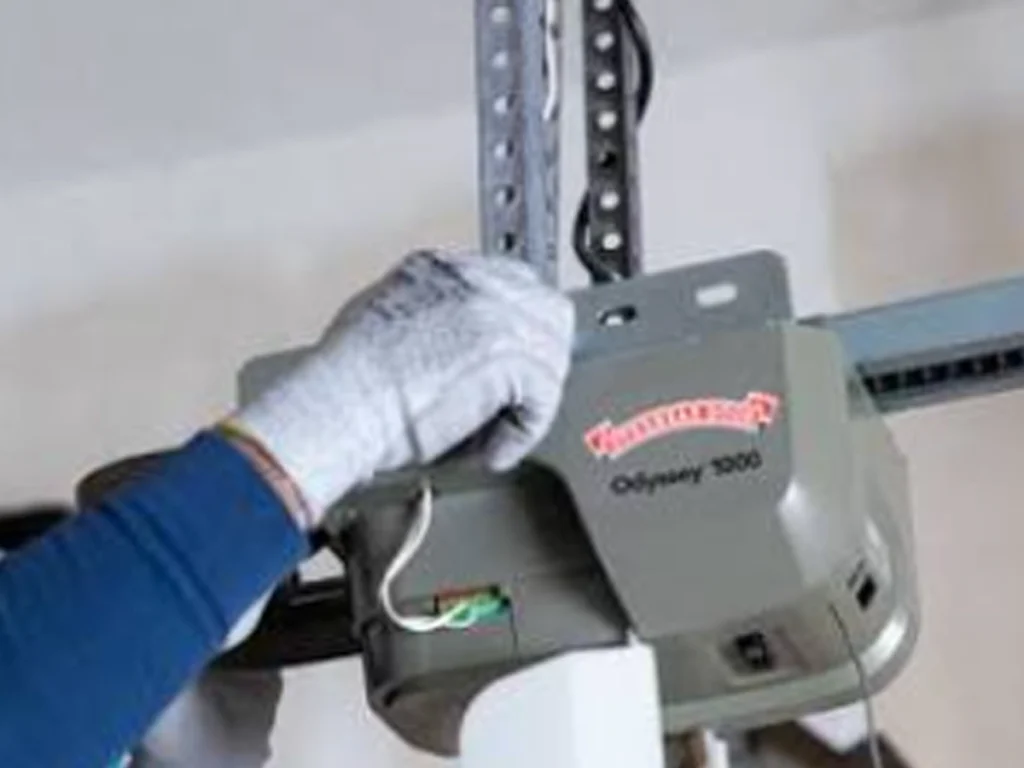
AI Overview: A Clear Answer for Franklin Property Owners
An automated garage door maintenance scheduling system uses cloud technology to store inspection dates, send reminders, track service records, and organize professional visits. It may also accept useful information from compatible openers, sensors, property software, or technician reports.
However, the system does not physically maintain a garage door. It cannot safely adjust a spring, replace a cable, align tracks, or confirm that every part remains sound. Instead, it helps owners and managers complete the right task at the right time.
A well planned system can support safer decisions in several ways:
- It reminds users when visual checks, safety tests, and professional inspections are due.
- It helps managers coordinate maintenance across several homes or commercial doors.
Therefore, cloud scheduling works best as an organized link between the property owner, the garage door, and a trained service technician.
Why Automated Garage Door Maintenance Matters
A garage door is often the largest moving object connected to a home. Moreover, its springs, cables, rollers, tracks, hinges, opener, and safety devices must work together during every cycle.
Because wear develops over time, a missed inspection may allow a small concern to become a larger service need. For example, a worn roller may create noise at first. Later, continued use may place more strain on other moving parts.
Automated garage door maintenance addresses a simple human problem: important routine work is easy to forget. Families have busy calendars, while commercial managers may oversee many doors, vendors, and service dates.
Cloud scheduling creates one reliable place for that information. As a result, users do not need to depend only on memory, paper receipts, or scattered calendar notes.
The main benefits include:
- Regular reminders encourage owners to notice changes before the next planned professional visit.
- Central records help technicians understand earlier work, recurring symptoms, and replaced components.
However, reminders should never make safety decisions by themselves. If a door drops, binds, shakes, or has damaged cables, use should stop until a trained technician evaluates it.
How a Cloud Maintenance Scheduling System Works
A cloud based system stores maintenance information on a secure online platform. Therefore, authorized users can view records from a phone, tablet, or computer without keeping every document on one device.
First, the owner or service provider creates a record for the garage door. That record may include the door type, opener model, installation date, last service date, and planned inspection frequency.
Next, the platform creates recurring tasks. A homeowner might receive a prompt to complete a visual check. Meanwhile, a property manager might receive notices for several doors at different buildings.
After each check, the user records the result. If something appears wrong, the system can recommend that the owner stop operation and request professional help. However, it should not diagnose a dangerous component from limited information.
A practical workflow may include:
- The system sends a reminder for a visual inspection or approved safety test.
- The user records normal operation, new noise, delayed movement, or another observed condition.
- A service request begins when the result needs professional review.
- The technician documents completed work and suggests the next inspection date.
In addition, the platform can preserve invoices, photographs, warranties, manuals, and technician notes. This record becomes more useful as the door ages.
What the Automated Schedule Should Include
A strong schedule separates simple observation from professional garage door work. This distinction is vital because springs, cables, bottom brackets, and related parts can remain under dangerous tension.
The Door and Access Systems Manufacturers Association checklist explains that trained door systems technicians should perform repairs and adjustments involving these high tension parts.
For that reason, a cloud system should label each task by responsibility. Homeowners can observe the door, keep accessible areas clean, and follow tests described by the manufacturer. Technicians should address high tension components and complex adjustments.
A useful schedule can include:
- Monthly visual observations for damaged hardware, loose items, blocked sensors, and unusual movement.
- Planned safety tests completed only according to the opener manufacturer’s instructions.
- Seasonal checks for seals, moisture, debris, and changes caused by heat or cold.
- Professional inspections based on use, condition, manufacturer guidance, and technician findings.
The system should also record operating demands. A door used twice each day has a different service history from one serving a busy commercial facility.
Therefore, schedules should be based on actual conditions instead of one universal interval. The final plan should reflect door age, daily cycles, weather exposure, past repairs, and manufacturer instructions.
Seven Powerful Features That Make Scheduling Useful
Cloud technology has value only when its features support clear action. A crowded dashboard may look advanced, yet it can make important warnings harder to find.
The first essential feature is a simple asset record. Each door should have its own profile, even when several doors share one property.
The second feature is flexible reminders. Users should be able to receive notices by their chosen method without receiving so many messages that they ignore them.
The most useful features are:
- Individual profiles for each garage door and opener.
- Adjustable reminders for inspections, tests, professional service, and warranty dates.
- Service history with notes, photographs, invoices, and replaced parts.
- Role based access for homeowners, managers, technicians, and approved vendors.
- Clear priority labels for routine tasks, service concerns, and urgent safety issues.
- A record of who completed each task and when it was completed.
- Secure export options when the property changes owners or service providers.
In addition, the platform should make missed tasks visible. A reminder that simply disappears after its due date provides little value.
Good systems also allow users to explain why a task was delayed. Therefore, the record remains honest and useful instead of showing a false completion.
How Cloud Scheduling Supports Safer Decisions
Safety is the strongest reason to organize garage door maintenance. Nevertheless, software must never create false confidence.
A green status symbol only confirms that a recorded task was completed. It does not prove that every spring, cable, fastener, roller, and electrical part remains safe.
The United States Consumer Product Safety Commission advises owners to test the reversing function and inspect garage door systems regularly. It also warns that an unbalanced door should receive professional service.
A responsible scheduling platform should support this guidance through clear instructions:
- It should tell users to keep people and property away from a moving door during an approved test.
- It should provide a direct path for requesting a trained technician.
Moreover, the system should preserve the exact result entered by the user. It should not quietly turn an uncertain answer into a passing result.
For example, “sensor test not completed” is different from “sensor test passed.” That difference can matter when a technician reviews the service history.
Franklin Weather and Seasonal Garage Door Care
Franklin experiences changing temperatures, rain, humidity, pollen, and storms during the year. However, the effect on each garage door depends on its materials, exposure, installation, age, and use.
Therefore, a local schedule should respond to observed conditions rather than make broad promises. Seasonal reminders can help property owners look for changes when weather patterns shift.
During wet periods, moisture and debris may collect near the opening. Meanwhile, warm conditions may reveal dried seals, dust near sensors, or changes in how moving parts sound.
A Franklin focused schedule may include:
- Spring reminders for cleaning accessible sensor areas and checking visible weather seals.
- Summer prompts to note unusual noise, slow movement, or heat related changes.
- Autumn reminders to remove leaves and other debris from safe, accessible areas.
- Winter prompts to watch for stiff movement, damaged seals, or moisture near the opening.
Still, the software should not assume weather caused a problem. A technician must inspect the system before identifying the source of abnormal movement or wear.
This careful approach keeps the content accurate. It also prevents owners from dismissing an urgent mechanical issue as a minor seasonal change.
An Illustrative Franklin Homeowner Case Study
The following example is illustrative. It shows how a cloud scheduling process could work, but it does not describe a claimed customer result.
Consider a Franklin household with an older sectional door and a compatible connected opener. The family uses the garage as its main entrance, so the system completes several cycles each day.
Previously, service records remained in email receipts and paper folders. No single person knew when the last balance review or professional inspection occurred.
After creating a cloud maintenance record, the owner enters known equipment details and uploads the available manual. The system then schedules approved observations and a professional inspection.
The process develops as follows:
- A monthly reminder asks the owner to observe movement, listen for changes, and inspect visible parts without touching high tension hardware.
- A seasonal task asks the owner to check accessible seals and remove debris from the doorway.
- A professional service reminder appears before the planned inspection date.
- The technician records findings, completed work, and the recommended follow up date.
Later, the owner reports a new scraping sound through the platform. The system does not declare a diagnosis. Instead, it advises the owner to stop if operation appears unsafe and arrange professional evaluation.
This example shows the system’s real value. It improves communication and preserves evidence without pretending software can replace physical inspection.
A Commercial Property Management Example
Now consider a small commercial property with several garage doors. Each door serves a different area, and daily use varies considerably.
A paper calendar may not show which asset received service. Likewise, one general invoice may not explain which door had a part replaced.
A cloud system can assign a unique record to every door. Consequently, managers can compare service dates, reported symptoms, and outstanding tasks without combining unrelated equipment.
An effective commercial workflow includes:
- A separate identification number and service record for every door.
- Access controls that let approved staff report problems without changing completed technician records.
- Escalation rules for doors that fail an approved safety test or show dangerous movement.
- Reports that show overdue inspections and unresolved service recommendations.
Decision makers can then review maintenance status across the property. However, data should inform their next action, not make technical conclusions beyond the available evidence.
For instance, frequent service requests may justify a detailed condition review. They do not automatically prove that full replacement is required.
Why Professional Judgment Still Comes First
Cloud platforms are excellent at remembering dates, sorting records, and sending notices. Yet, they cannot feel spring tension, confirm cable condition from every angle, or safely correct a balance issue.
Garage door systems also vary by manufacturer, age, construction, and prior repair history. Therefore, a generic software rule cannot replace the correct manual or a trained technician’s examination.
Professional judgment remains essential for:
- Spring, cable, bracket, and counterbalance work.
- Track alignment and structural mounting concerns.
- Door balance problems and sudden movement.
- Opener force, travel, or safety system concerns.
- Parts that appear cracked, loose, separated, or badly worn.
The system should make this boundary clear. Otherwise, users may attempt dangerous work because an application described it as a routine task.
In my assessment, the best maintenance software is intentionally modest. It organizes facts well, identifies overdue action, and connects people with qualified help. It does not claim to predict every failure or eliminate all risk.
Privacy and Security Questions to Ask
A cloud maintenance record may contain property information, equipment details, photographs, service history, and user contact data. Therefore, privacy should be part of the buying decision.
Owners should understand what the provider collects, why it collects that information, and how long records remain available. They should also know whether data can be downloaded or deleted.
Before selecting a platform, ask:
- Does the service encrypt information during transfer and storage?
- Can the owner control which users view or change each record?
- Does the platform record account access and important changes?
- Can service information be exported in a clear format?
- What happens to stored records after account closure?
Users should also protect their accounts with strong, unique passwords. When available, added account verification can reduce the risk of unauthorized access.
In addition, a maintenance platform should avoid collecting unnecessary information. Garage door service records rarely need every detail about a household or its daily routine.
How to Choose the Right Cloud System
The best system is not always the one with the longest feature list. Instead, it should match the number of doors, the users involved, and the desired service process.
A homeowner may need reminders, document storage, and an easy service request form. In contrast, a facility manager may require asset reports, user permissions, and maintenance status across several properties.
Before choosing, evaluate these points:
- Ease of use for every person who must enter or review information.
- Compatibility with existing openers, sensors, or property software when integration is needed.
- Clear separation between homeowner observations and technician only work.
- Reliable reminders with visible overdue tasks.
- Secure records that remain portable when services change.
A trial period can reveal whether the workflow is practical. During that trial, create a sample door, schedule several tasks, upload a document, and test the export process.
Also, review ongoing costs carefully. Some services charge by user, door, property, feature, or message volume. Therefore, decision makers should compare total use costs instead of only the starting price.
Common Scheduling Mistakes to Avoid
Automation can improve consistency, but a poorly designed schedule may create new problems. The most common mistake is treating every garage door exactly the same.
Another mistake is sending too many low value alerts. When users receive constant reminders, they may begin ignoring important notices.
Avoid these planning errors:
- Marking a task complete before the inspection or service actually occurs.
- Allowing untrained users to receive instructions for high tension component work.
- Assuming remote status data proves that the entire physical system is safe.
- Using a fixed schedule without considering use, age, condition, or manufacturer guidance.
- Failing to update the next service date after professional work.
Records should also distinguish observations from confirmed findings. “The door sounds louder” is a useful user observation. “The rollers have failed” is a technical conclusion that requires suitable evidence.
Finally, never let automation delay urgent service. A damaged cable, falling door, failed reversal test, or severe imbalance should not wait for the next planned appointment.
13. A Practical Implementation Plan
A successful program can begin without complex equipment. In fact, a clear schedule and accurate records often matter more than advanced integrations.
First, list every garage door covered by the program. Next, gather manuals, known installation dates, opener details, and available service history.
Then, ask a qualified provider to help establish a suitable inspection plan. That plan should consider manufacturer guidance, usage, current condition, and prior repairs.
Use this launch process:
- Create one complete record before adding the remaining doors.
- Define which tasks belong to owners, staff members, managers, and technicians.
- Set reminders with enough time to arrange service.
- Test every notification and overdue task.
- Review the process after the first completed service visit.
Afterward, remove steps that create confusion and strengthen those that help users act. The goal is not to collect the most data. Instead, the goal is to preserve useful information and support timely decisions.
For connected equipment, confirm what each reported status actually means. An opener may report whether the door appears open or closed. That signal does not confirm spring condition, track alignment, or safe balance.
How Everlast Garage Doors – Franklin Adds Value
Technology becomes more useful when it supports a sound local service process. Everlast Garage Doors – Franklin can help owners connect digital schedules with real inspections, clear records, and professional recommendations.
The service approach should begin with the actual door. Technicians can review its construction, opener, current condition, prior work, and operating demands before recommending future service timing.
This approach provides decision makers with:
- A clearer maintenance plan based on the specific system.
- Professional review when observations or alerts reveal a concern.
- Service documentation that can support future decisions.
- Practical guidance about tasks that require trained help.
Most importantly, an experienced provider can explain the limits of cloud information. That honesty matters because no dashboard can guarantee that a mechanical system will never fail.
The strongest industry leadership comes from combining modern organization with careful physical service. Therefore, technology should make expertise easier to reach instead of attempting to replace it.
Final Conclusion: A Smarter Maintenance Routine
Automated garage door maintenance can use cloud technology to make scheduling clearer, records easier to find, and service needs harder to overlook.
The system can send reminders, preserve inspection results, organize documents, and connect users with professional help. Moreover, it can support homeowners with one door and managers responsible for several commercial assets.
However, the platform must have sensible limits. It should never present an uncertain sensor signal as proof of safety. Likewise, it should never instruct untrained users to adjust springs, cables, or other dangerous components.
The most effective model combines three elements:
- Simple reminders that lead to real action.
- Accurate records that separate observations from confirmed findings.
- Professional inspections and repairs completed by trained technicians.
For Franklin decision makers, this approach offers a practical path forward. Cloud technology manages the schedule, while qualified people provide the judgment and physical work every garage door still requires.
Frequently Asked Questions
How often should a garage door receive maintenance?
The right schedule depends on the door, opener, daily use, age, condition, and manufacturer instructions. The CPSC advises owners to inspect the system every 30 days. In addition, a trained technician can recommend an appropriate professional service interval after reviewing the actual door and its operating demands.
Can a smart garage door opener detect maintenance problems?
Some connected openers can report limited information, such as door position, activity, or certain error messages. However, those signals cannot confirm the condition of springs, cables, rollers, tracks, or mounting points. Any unusual movement, noise, failed safety test, or visible
What garage door maintenance can homeowners perform safely?
Owners can make visual observations, keep safe and accessible areas clear, review weather seals, and follow tests specifically described by the manufacturer. They should not adjust or repair springs, cables, bottom brackets, or counterbalance parts. Those components can remain under dangerous tension and need trained professional service.
Is cloud based garage door scheduling secure?
Security depends on the selected provider and account setup. Owners should review encryption, user permissions, access records, data retention, and export options. Strong passwords and added account verification can also help. A suitable system should collect only the information needed to manage maintenance and service records.
Does automated scheduling prevent garage door breakdowns?
No scheduling platform can guarantee that a garage door will not fail. However, regular reminders and clear records can reduce missed tasks and encourage earlier professional review of reported concerns. The system supports maintenance decisions, while physical inspections remain necessary for finding wear, damage, imbalance, and other mechanical problems.
At Everlast Garage Doors, we provide complete Garage Door Services for both residential and commercial properties. Our team handles Garage Door Installation, Repair, Maintenance, Custom Designs , and full Door Replacements to ensure long-lasting performance and reliability. We also offer Emergency Garage Door Service to quickly resolve urgent issues and keep your property secure and fully operational. With Everlast Garage Doors, you can count on quality, durability, and trusted service every step of the way.
Call to Action
Build a clearer garage door maintenance plan with Everlast Garage Doors – Franklin. Our team can help connect organized scheduling with professional inspection, practical guidance, and service tailored to your garage door.
Contact us at
Phone: 615-808-8806
Location: 1107 Battlewood St #222, Franklin, TN 37069