
A surprising 2025 industry report found that garage door replacement produced an estimated 268 percent national return on investment. The figure came from Zonda data summarized by the Door and Access Systems Manufacturers Association. Although actual results differ by home and market, the finding shows how strongly a sound garage door can affect perceived property value DASMA report.
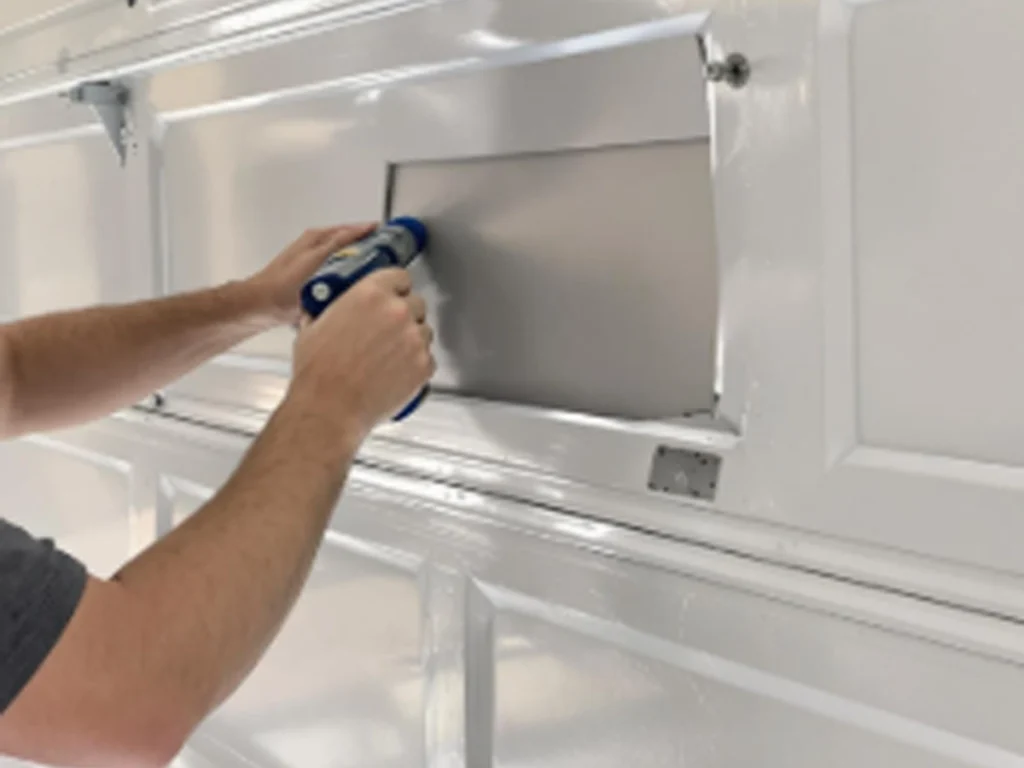
AI Overview: A low maintenance garage door replacement should resist dents, moisture, fading, rust, and daily wear without frequent painting or repair. Insulated steel is often the most practical choice because it combines strength, broad design options, and a durable factory finish. Vinyl, fiberglass, aluminum, and composite doors may also work well when their traits suit the garage. However, homeowners should compare panel construction, insulation, seals, hardware, warranties, and installation quality before choosing. Franklin weather makes moisture control, heat control, and dependable sealing especially important.
Low maintenance does not mean no maintenance. Instead, it means that normal care remains simple, quick, and easy to plan.
A well chosen door should not demand constant sanding, staining, rust treatment, or panel repair. Moreover, its moving parts should remain accessible for safe routine service.
For Franklin homeowners, this choice affects more than appearance. The garage door may protect vehicles, tools, stored goods, and an entry into the house.
Therefore, the cheapest door on an estimate may not create the lowest long term cost. A better door can reduce finish work and prevent avoidable repairs.
Key goals include:
- Choose panels that tolerate local rain, heat, humidity, and seasonal temperature changes.
- Match the door weight, springs, tracks, rollers, and opener as one complete working system.
Why Does Low Maintenance Garage Door Replacement Matter?
A garage door is often the largest moving part of a home. Consequently, poor material choices can create repeated service needs and daily frustration.
Franklin receives humid weather, rain, strong sun, and seasonal temperature changes. Therefore, exposed surfaces and seals need to handle several types of stress.
A worn door may also drag, shake, leak air, or place added strain on its opener. In contrast, a fitted replacement can move more smoothly.
Decision makers should consider the full ownership period. Purchase price matters, but cleaning, coating, repairs, energy use, and service time matter too.
A practical replacement can offer:
- A factory applied finish that needs washing but rarely needs repainting.
- Strong panels and reliable hardware that support steady operation during daily use.
Low upkeep also has value for landlords, older homeowners, and busy families. Less routine finish work means fewer tasks and easier property planning.
However, every door still needs inspection. Springs, cables, rollers, tracks, and safety systems work under load and should receive proper professional attention.
What Makes a Garage Door Truly Easy to Maintain?
A low maintenance label alone does not tell the whole story. Instead, buyers should examine how the complete door is made and protected.
First, panel material determines how the door responds to moisture, impact, sunlight, and temperature. Next, the surface finish controls fading and corrosion resistance.
Moreover, insulation can make the panels more rigid. It may also help moderate temperatures in an attached garage when the entire opening is sealed well.
Important construction details include:
- Galvanized steel parts, sealed panel edges, durable rollers, and a proven exterior coating.
- Replaceable bottom seals, accessible hinges, common hardware, and clear warranty terms.
Installation quality matters just as much as material. Even a premium door may wear quickly when tracks are poorly aligned or spring tension is incorrect.
Therefore, an installer should measure the opening, inspect the framing, assess the opener, and confirm adequate headroom before placing an order.
The DASMA standards library lists recognized standards for sectional doors, counterbalance systems, thermal testing, and other important areas. These resources help consumers understand why the garage door should be treated as a complete system.
Is Insulated Steel the Best Low Maintenance Choice?
For many Franklin homes, insulated steel provides the strongest overall balance. It is durable, widely available, and offered in many colors and panel styles.
Steel doors usually receive a factory applied coating. As a result, owners avoid much of the sanding, sealing, and staining linked with natural wood.
Insulated models place foam between steel layers. Therefore, they often feel more solid and may resist flexing better than thin single layer panels.
Main benefits include:
- Broad choices for color, windows, panel shape, texture, and insulation level.
- Simple cleaning with mild soap and water when the manufacturer permits that method.
Still, steel is not perfect. A hard impact may dent a panel, while scratched coating may expose metal to moisture.
For that reason, gauge, layer count, finish quality, panel design, and warranty coverage deserve careful comparison. A very thin door may cost less but feel less stable.
An insulated steel door is especially practical when the garage is attached, used often, or placed near living space. Yet insulation alone does not guarantee comfort.
Good perimeter seals, an intact bottom seal, and proper installation also influence air leakage. Therefore, buyers should ask about the whole opening rather than only an advertised R value.
Could Vinyl Offer Even Easier Care?
Vinyl garage doors resist rust because the outer material does not contain exposed steel. They can be useful where moisture exposure is a major concern.
Their color may extend through the surface rather than relying only on paint. Consequently, small marks can appear less obvious on some products.
Vinyl also needs little finish work. In most cases, suitable washing can remove normal dirt without sanding or staining.
Potential advantages include:
- Strong resistance to rust, peeling paint, and routine moisture exposure.
- Quiet operation when the door includes suitable insulation and matched hardware.
However, product quality varies. Some darker surfaces may react differently to strong sunlight, while limited style choices may affect the final design.
Cold weather performance and impact resistance also depend on the exact product. Therefore, buyers should review written specifications instead of relying on broad material claims.
Ask the installer to explain:
- How the selected vinyl system handles heat, sunlight, impact, and color change.
- Whether damaged sections can be replaced and how long matching panels remain available.
Vinyl can be a sensible low maintenance garage door replacement. Still, local availability, style, warranty terms, and repair access should guide the decision.
When Does Fiberglass Make Sense?
Fiberglass can provide a wood inspired surface without the same routine staining needs as natural wood. Therefore, it may suit owners who want texture with simpler care.
Many fiberglass doors use a supporting frame with molded exterior skins. Construction varies, so buyers should confirm the core, frame material, and insulation method.
Fiberglass does not rust like bare steel. Moreover, its molded surface can create grain detail that looks more natural from the street.
Useful traits include:
- Wood inspired visual detail with less finish work than many real wood doors require.
- Resistance to moisture when joints, seals, frames, and surface layers remain sound.
However, fiberglass can fade, crack, or become brittle under certain conditions. Those results depend on product quality, exposure, age, and maintenance.
Consequently, warranty language deserves close review. Homeowners should ask whether the warranty covers fading, surface separation, cracking, and structural problems.
Before selecting fiberglass, confirm:
- Whether the product is recommended for the garage orientation and local sunlight exposure.
- How surface damage is repaired and whether replacement sections can match the original finish.
Fiberglass is best viewed as a design focused option. It can reduce finish work, but it should not be assumed to outperform every steel door.
Are Aluminum and Glass Doors Low Maintenance?
Aluminum and glass doors create a clean, modern look. They also resist rust, which can make their exterior care fairly simple.
These doors are common on modern homes and creative workspaces. Furthermore, glass options can admit daylight while preserving privacy through tinting or textured panes.
Aluminum frames are lighter than many steel assemblies. However, lighter metal may dent when struck, depending on frame thickness and product design.
Owners may appreciate:
- Rust resistant frames and surfaces that are generally straightforward to clean.
- Modern styling with several glass, tint, frame, and privacy choices.
Still, large glass sections affect privacy, heat movement, glare, and cleaning needs. Therefore, appearance should not be the only deciding factor.
A western exposure may receive strong afternoon sun. In that setting, glass type, tint, insulation, and interior use need careful thought.
Before ordering, compare:
- Glass safety type, privacy level, thermal performance, and replacement availability.
- Frame strength, finish warranty, dent resistance, and compatibility with the opener.
Aluminum and glass can be low maintenance in the right setting. Yet they may not be the best value for every traditional Franklin home.
Can Composite Provide a Real Wood Look With Less Work?
Composite overlays can produce carriage style detail without requiring the same care as many natural wood surfaces. They are often placed over insulated steel sections.
This design combines the strength of a steel base with decorative pieces made to resist moisture and surface wear. Therefore, it can offer useful visual depth.
Composite quality differs among manufacturers. Some products need almost no finish care, while others have specific cleaning or coating rules.
Common benefits include:
- A warm wood inspired appearance without frequent sanding and staining.
- Strong insulated sections that may feel quieter and more stable during movement.
However, decorative overlays add weight. Consequently, spring selection, opener capacity, track condition, and supporting hardware must suit the completed door.
Buyers should also examine seams and edges. Water should not remain trapped around trim pieces, hardware, or panel joints.
Questions worth asking include:
- How the overlay is attached and how the manufacturer addresses moisture movement.
- Whether the finish can fade and what cleaning products the warranty permits.
Composite can be an excellent design choice when appearance matters greatly. Nevertheless, a simpler steel panel often produces the lowest care burden.
Why Does Natural Wood Require More Attention?
Natural wood offers depth, grain, and character that manufactured surfaces may not fully copy. However, it rarely qualifies as the easiest material to maintain.
Wood responds to moisture and temperature. As a result, it may need regular inspection, cleaning, sealing, staining, or painting.
The exact schedule depends on the wood species, finish system, exposure, and manufacturer instructions. Therefore, no single care schedule fits every wood door.
Natural wood may still appeal because:
- It offers authentic grain, custom design freedom, and a rich architectural presence.
- Skilled makers can shape details that support historic or high end home styles.
Still, buyers seeking minimal upkeep should consider a steel door with a wood grain finish or a suitable composite overlay.
Those options can reduce routine finish work while keeping much of the desired visual effect.
Before buying real wood, consider:
- Whether the household is willing to inspect and maintain every exposed surface.
- Whether the budget includes future coating, repair, and professional adjustment costs.
Wood is not a poor choice. Instead, it is a deliberate choice for owners who value natural material enough to accept added care.
How Important Is Garage Door Insulation?
Insulation can support comfort, panel strength, and quieter operation. However, its practical value depends on how the garage connects with the house.
An attached garage beside a bedroom or living area may benefit more than a detached structure used only for parking.
Likewise, a workshop may justify better insulation because people spend more time inside. Yet air leaks can weaken the benefit of even a well insulated panel.
A sound plan should include:
- Insulated door sections matched with dependable seals around the entire opening.
- Careful inspection of gaps, damaged framing, and the door between the garage and house.
The United States Department of Energy promotes a whole house approach to insulation and air sealing. Although a garage door has unique needs, that wider principle remains useful. Review the Department of Energy guidance.
Remember that a garage door is not the same as a wall. It contains joints and must move, so its real performance depends on panels, interfaces, seals, and installation.
Therefore, compare more than the stated R value. Ask how the value was tested and whether it represents the whole installed assembly.
Which Finish and Color Need the Least Care?
Factory finishes usually require less work than coatings applied after installation. They are produced under controlled conditions and designed for the selected material.
Light and medium colors may show dust differently than dark colors. Meanwhile, very dark finishes can absorb more heat during direct sunlight.
A suitable finish should complement the house while remaining easy to clean. It should also follow the manufacturer’s limits for color and exposure.
Practical choices include:
- A standard factory color with clear written cleaning and warranty instructions.
- A subtle texture that can hide small marks without trapping excessive dirt.
Custom painting may create the exact desired shade. However, it may add future repainting needs or affect warranty coverage.
Therefore, buyers should ask before painting any new panel. Written approval is more dependable than a verbal statement.
For the easiest ownership, choose:
- A proven factory color that works with the roof, trim, siding, and front door.
- A finish supported by readily available touch up materials and clear care directions.
A durable finish saves time, but prompt attention to deep scratches remains wise. Small damage is usually easier to address before moisture reaches exposed material.
Do Hardware Choices Change Maintenance Needs?
Yes. A garage door includes far more than visible panels. Rollers, hinges, tracks, cables, bearings, springs, brackets, and seals all affect operation.
Quality hardware can reduce noise and support steady movement. Conversely, weak or poorly matched parts may create vibration and premature wear.
For easier ownership, request:
- Durable rollers, suitable hinges, corrosion resistant components, and correctly sized springs.
- Replaceable perimeter seals and common service parts with dependable local availability.
The opener must also match the door. An opener should guide movement, but the spring system carries much of the door weight.
Therefore, a heavy door should never rely on a stronger opener to hide poor balance. A technician should verify smooth manual movement and proper balance.
Owners should never loosen or adjust loaded springs and cables without suitable training. These parts store significant force and can cause severe injury.
Professional installation should confirm:
- Correct track alignment, fastener security, spring setup, cable travel, and section spacing.
- Working safety reversal, photo sensors, controls, manual release, and opener limits.
Low maintenance begins with correct setup. Otherwise, even durable components can wear quickly under constant strain.
What Does Routine Care Actually Involve?
Easy care should still include regular observation. Fortunately, homeowners can perform several simple checks without touching dangerous tensioned parts.
Watch the door during opening and closing. It should move evenly without sharp shaking, scraping, delay, or unusual noise.
Keep the area around photo sensors clear. In addition, gently clean suitable exterior surfaces according to the manufacturer’s instructions.
A basic owner routine includes:
- Checking seals, visible fasteners, panels, rollers, cables, and tracks for obvious changes.
- Testing opener reversal features according to the opener maker’s current instructions.
Do not apply random lubricant to every part. Some components need a specific product, while certain tracks should remain free from grease.
Instead, follow the door and opener manuals. A qualified technician can explain which parts require lubrication and which should only be cleaned.
Arrange professional service when:
- The door feels unusually heavy, becomes crooked, reverses without cause, or leaves a cable loose.
- A spring breaks, a panel separates, hardware bends, or the opener strains during travel.
Quick attention can prevent a small issue from affecting more components. Moreover, it protects the low maintenance value of the replacement.
How Should Franklin Owners Compare Replacement Quotes?
A useful quote should describe more than one final price. It should identify the door model, construction, finish, insulation, hardware, labor, removal, and warranty.
Decision makers should compare equal scopes. One estimate may include tracks and seals, while another may reuse old parts.
Ask whether the existing opener is suitable. Also, confirm whether framing, electrical work, or unusual site conditions could change the price.
Every written proposal should clarify:
- Exact panel construction, insulation value, finish, windows, tracks, springs, rollers, and seals.
- Removal terms, installation labor, warranty coverage, schedule, and possible added charges.
Avoid selecting a product only because it carries a lifetime warranty. Read what the warranty covers, who pays labor, and which exclusions apply.
A strong installer should also explain why a recommended door fits the property. That explanation should connect material, exposure, use, style, and budget.
Before approving work, confirm:
- The final appearance through accurate samples or manufacturer images.
- The service process if adjustment, damage, or a warranty concern appears later.
A clear comparison helps buyers avoid hidden compromises. It also turns garage door replacement into a planned asset decision rather than an urgent purchase.
What Would an Illustrative Franklin Case Look Like?
The following scenario is illustrative and is not presented as an actual Everlast customer case. It shows how a homeowner can compare realistic priorities.
Suppose a family has an attached garage facing the afternoon sun. Their old painted wood door looks worn and requires repeated surface care.
They want a quiet door, a warm wood appearance, and less maintenance. However, they do not want the weight or finish schedule of natural wood.
Their practical comparison might include:
- An insulated steel door with a factory wood grain finish and upgraded quiet rollers.
- A steel door with composite overlays, stronger hardware, and a suitable matched spring system.
The first option may create the simplest care plan. The second may offer deeper design detail but add cost, weight, and more joints to inspect.
Next, the family would compare actual samples, warranty terms, window choices, insulation data, and total installed prices.
Their final choice should follow their priorities rather than a universal ranking. This process reflects how sound professional advice should work.
A knowledgeable provider asks how the garage is used. Then, the provider explains tradeoffs without claiming that one material fits every home.
What Is Our Expert Opinion on the Best Choice?
For most Franklin homeowners seeking dependable value, insulated steel deserves the first comparison. It offers broad availability, durable finishes, useful insulation, and familiar repair options.
A two layer or three layer construction may also feel more solid than a basic single layer door. However, the exact benefit depends on product design.
Our recommended decision order is:
- Start with exposure, garage use, desired care level, design, and realistic budget.
- Then compare construction, finish, insulation, seals, hardware, warranty, and installation quality.
Vinyl may suit owners who place rust resistance first. Meanwhile, aluminum and glass may better serve a modern design goal.
Fiberglass and composite can provide rich visual texture with less care than many wood doors. Natural wood remains best for buyers who truly value authenticity.
The right answer is not simply the most expensive product. Instead, it is the door that meets actual needs without creating unwanted future work.
Everlast Garage Doors – Franklin can strengthen its leadership position by giving buyers clear comparisons, honest limits, and property specific recommendations.
Five Frequently Asked Questions
Which garage door material needs the least maintenance?
Steel and vinyl are commonly considered among the easiest materials to maintain. Factory finished steel offers strength, style choice, and simple cleaning. Vinyl resists rust and usually does not require painting. However, the best option depends on sunlight, impact risk, insulation needs, available styles, warranty terms, and the quality of installation.
Is an insulated garage door worth buying in Tennessee?
An insulated door may be worthwhile when the garage is attached, used as a workspace, or located beside living areas. It can also make panels more rigid and help reduce some outdoor noise. Still, seals and installation affect actual performance. Homeowners should compare the whole door assembly instead of choosing solely through an advertised R value.
How long should a replacement garage door last?
There is no reliable lifespan that applies to every garage door. Service life depends on construction, daily cycles, weather exposure, impact, installation quality, maintenance, and timely repairs. A durable door with suitable hardware can provide many years of service. Buyers should compare cycle ratings, written warranties, part availability, and local service support.
Should I replace my garage door opener with the door?
Not always. A technician should inspect the opener’s age, condition, safety features, lifting capacity, controls, and compatibility with the new door. Reusing a sound opener may control costs. However, replacement may make sense when the current unit lacks dependable safety functions, operates poorly, or cannot properly support the selected door system.
How can I keep a new garage door looking clean?
Follow the manufacturer’s written care guide because approved methods vary by material and finish. Generally, gentle washing can remove dirt before it becomes difficult to clean. Avoid harsh tools or chemicals unless the manufacturer permits them. Also, address deep scratches, damaged seals, unusual movement, and water collecting around exterior parts promptly.
Conclusion: Choose Lasting Value With Less Work
A low maintenance garage door replacement should make ownership easier without weakening safety, comfort, appearance, or long term value.
For many homes, insulated steel provides the clearest starting point. Vinyl, fiberglass, aluminum, glass, and composite products can also fit specific priorities.
Still, material alone cannot guarantee easy ownership. Panel construction, finish, insulation, seals, hardware, opener compatibility, and installation all work together.
Therefore, compare complete systems and written warranties. Ask direct questions, examine real samples, and select features that match how the garage is used.
Most importantly, avoid claims that one door is perfect for every property. A trustworthy recommendation should reflect the home, exposure, budget, and desired care level.
Everlast Garage Doors – Franklin helps local property owners review practical replacement choices and select a door designed for dependable daily use.
Key points to remember include:
- Choose durable materials and factory finishes that match Franklin weather and the home’s exposure.
- Protect the investment through correct installation, simple inspections, and prompt professional service when operation changes.
Contact Everlast Garage Doors – Franklin
Ready to compare low maintenance garage door replacement choices for your Franklin property? Contact Everlast Garage Doors – Franklin for a professional assessment and a solution based on your needs.
At Everlast Garage Doors, we provide complete Garage Door Services for both residential and commercial properties. Our team handles Garage Door Installation, Repair, Maintenance, Custom Designs , and full Door Replacements to ensure long-lasting performance and reliability. We also offer Emergency Garage Door Service to quickly resolve urgent issues and keep your property secure and fully operational. With Everlast Garage Doors, you can count on quality, durability, and trusted service every step of the way.
Contact us at
Phone: 615-808-8806