
The Surprising Truth About Improved Garage Door Parts
A garage door spring may be rated by cycles, not years, so daily use can change its service life by several years. A cycle means one full opening and closing. Therefore, a busy home may use the same part far faster than a quiet home. This simple fact changes how experts design, test, select, and care for improved garage door parts.
AI Overview
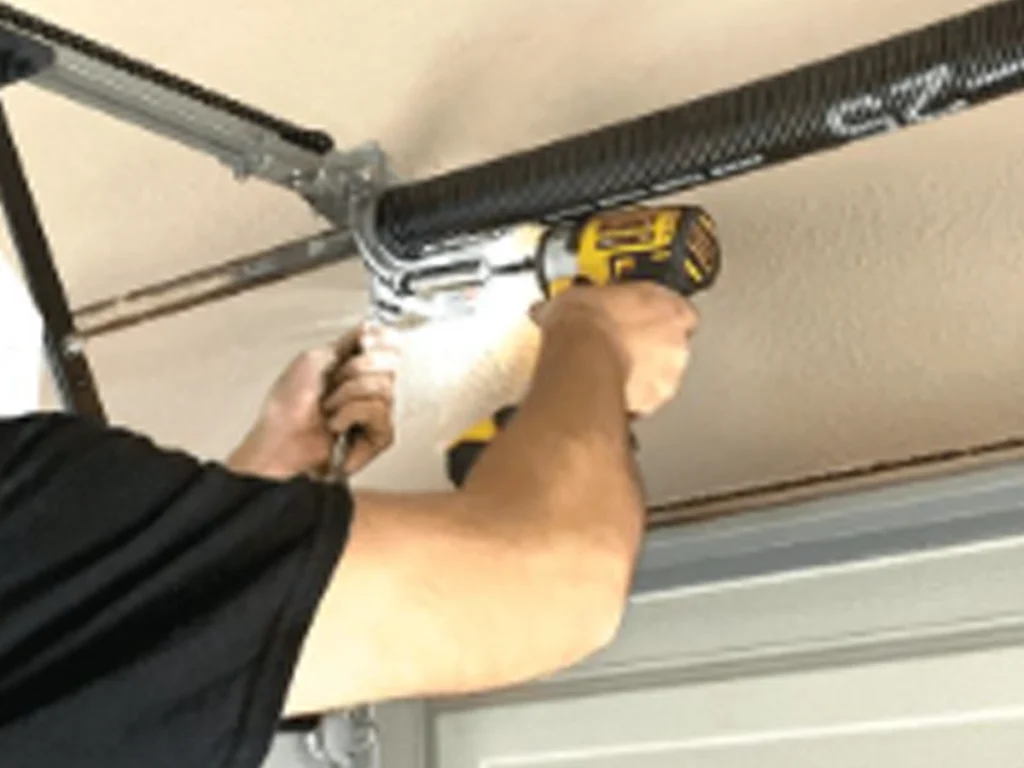
Improved garage door parts last longer when designers treat the door as one connected system. They match spring force to door weight, reduce roller friction, protect metal from rust, and strengthen high stress joints. Next, makers test parts through repeated motion, load, impact, weather, and safety checks. However, a strong part can still fail early when it is the wrong size, poorly installed, or used on a door that is out of balance. For that reason, long term value depends on sound design, clear test data, correct fit, skilled setup, and regular inspection. Owners should compare rated cycles, material quality, warranty terms, and compatibility instead of choosing by price alone.
The issue matters because a garage door is often the largest moving object at a home or workplace. Its springs hold stored energy. Its cables carry load. Meanwhile, rollers guide a heavy door through narrow tracks. A weak link can add noise, strain the opener, stop access, or create a safety concern.
For Franklin property owners, weather also matters. Heat, moisture, dust, and sharp seasonal shifts can affect grease, coatings, seals, and metal surfaces. Therefore, a useful part must suit both the door and its real setting.
• First, service life should be measured through cycles, wear, fit, and safe operation.
• Second, every upgrade should support the full door system, not only one part.
Why Better Design Creates Powerful Long Term Value
Good design begins with the real job of each part. A spring must balance the actual door weight. A roller must carry load while moving with low drag. A hinge must bend at the right point without loose play. Likewise, a cable must wrap cleanly and share load with its matching cable.
Designers also study stress paths. These paths show where force moves during each opening and closing. For example, a thicker bracket may seem stronger. Yet, if its shape sends force into a weak panel, the change may move the problem instead of solving it.
Material choice is equally important. Steel grade, wire size, bearing quality, coating, and seal design affect wear. However, more material is not always better. Extra weight can raise spring demand and opener load. Thus, the goal is the right strength, not the largest part.
Tight production control supports that goal. Small changes in wire, hole position, roller size, or cable length can alter balance and travel. Therefore, reliable makers set clear limits and inspect parts during production.
• First, good design matches strength, weight, movement, and local exposure.
• Second, good design controls small details that affect the entire door.
How Experts Design Improved Garage Door Parts
Experts begin with clear needs. They ask how heavy the door is, how often it moves, and where it operates. They also study track layout, headroom, opener type, panel build, and safety needs. Without that base, a part may look right but work poorly.
Next, they model normal and unusual loads. Normal loads occur during smooth travel. Unusual loads may come from a blocked track, a worn bearing, wind pressure, or a small impact. The design should handle expected use while showing clear limits.
Prototypes then turn ideas into working parts. Engineers measure shape, fit, noise, heat, and wear. They may change a roller tread, bearing seal, hinge shape, or spring size after early tests. This loop continues until results meet the stated goal.
Traceability adds trust. A useful test record should identify the part version, test setup, load, cycle count, and failure point. Otherwise, a large cycle claim may lack the context buyers need.
Finally, instructions must match the design. Correct fasteners, torque, spacing, winding, and lubrication can affect the result. In other words, installation guidance is part of the product.
• First, experts define the door, load, use rate, and setting before design begins.
• Second, they refine prototypes with measured results instead of guesswork.
Seven Critical Tests That Reveal True Durability
No single test proves long term performance. Instead, a sound program uses several checks that reflect real use. The exact method depends on the product and its stated standard. Therefore, buyers should ask what was tested, how it was tested, and what counted as failure.
Cycle Testing
Cycle testing repeats opening and closing under a defined load. It can reveal spring fatigue, bearing wear, loose fasteners, roller damage, and cable problems. Importantly, the final cycle number only applies to the tested setup.
• First, testers record noise, heat, balance, and visible wear at set points.
• Second, they note which part changed first and whether the door stayed usable.
Load and Balance Testing
A balanced door should not make the opener do the spring system’s job. Technicians can disconnect power through the approved process and assess balance under controlled conditions. Because springs store great energy, trained service is the safe choice for adjustment.
• First, the test confirms that spring force suits the actual door weight.
• Second, it checks whether both sides carry and guide the door evenly.
Wear and Friction Testing
Friction creates heat and extra load. Testers inspect roller treads, bearings, shafts, hinges, and tracks after repeated motion. In addition, they compare starting force and travel force as wear grows.
• First, stable force suggests that moving surfaces remain smooth and aligned.
• Second, rising force can point to drag, dirt, damage, or poor fit.
Corrosion and Weather Testing
Moisture and salts can attack wire, fasteners, cable, and brackets. Coating tests help compare surface protection under set conditions. Still, a lab result does not promise an exact life at every property.
• First, testers inspect rust, pits, peeling, and changes near cut edges.
• Second, they study whether seals and grease remain useful after exposure.
Impact and Misuse Testing
Real doors do not always meet perfect conditions. A careful program may test limited impact, obstruction, or off center loads within safe methods. The aim is to learn how damage starts and how clearly it appears.
• First, visible warning signs help owners act before a larger failure.
• Second, controlled tests show whether guards and retainers limit harm.
Noise and Vibration Testing
Noise is not only a comfort issue. A new rattle may show loose hardware, poor alignment, or worn bearings. Therefore, sound and vibration readings can help teams compare designs and spot change over time.
• First, testers measure sound under the same door speed and room conditions.
• Second, they trace each sound to a source instead of masking it with grease.
Safety Function Testing
Powered operators require working safety controls. The United States CPSC garage door operator guidance states that automatic residential garage door operators must meet 16 CFR Part 1211. UL Solutions explains that this rule references entrapment protection provisions in UL Solutions information on UL 325. Therefore, reversal and sensing checks deserve their own test plan, separate from simple motion.
• First, a technician follows the maker’s approved test steps for the operator.
• Second, any failed safety response should lead to prompt professional service.
Five Improved Parts That Often Matter Most
The best upgrade depends on the inspection. Still, several parts deserve close attention because they guide, lift, connect, or protect the door. A trained technician should confirm compatibility before any change.
High Cycle Springs
High cycle springs may use a design that supports more rated cycles than a basic option. Yet, the rating depends on correct wire, diameter, length, and door match. DASMA notes that handling, installation, and use can affect spring cycle life. It also explains that spring life and whole door life are not always the same.
• First, ask for the stated cycle rating and the conditions behind it.
• Second, replace springs only through a trained door systems technician.
Sealed Bearing Rollers
Quality rollers can reduce drag and noise when their size and stem suit the track. Sealed bearings may help keep dirt away from moving surfaces. However, no roller can fix a bent track or weak support.
• First, inspect tread shape, bearing play, stem wear, and track fit.
• Second, choose the roller as part of a full movement and alignment plan.
Strong Hinges and Brackets
Hinges guide each panel through the curve. Brackets hold rollers, track, cable, and other hardware in exact places. Stronger parts can help, but hole layout and panel support remain vital.
• First, use the correct hinge position because the sections do not share one role.
• Second, inspect for cracks, oval holes, loose screws, and bent metal.
Matched Cables and Drums
Cables and drums work as a pair. Proper length, diameter, groove fit, and routing help both sides rise together. Frayed cable or a damaged drum calls for expert review, not a quick home repair.
• First, confirm that both cables are compatible and carry load evenly.
• Second, keep hands and tools away from loaded cables and spring systems.
Safer Controls and Sensors
Photo sensors, control logic, and reversal systems protect people and property when they work as designed. Their placement, wiring, aim, and approved pairing matter. Therefore, a random sensor swap is not a sound safety plan.
• First, use controls listed or approved for the exact operator model.
• Second, test safety functions on the schedule in the maker’s instructions.
A Practical Case Study From a Franklin Service View
The following case is an illustrative composite, not a claim about one named customer. It reflects common patterns a garage door professional may find during a full system review.
A busy Franklin household uses its garage as the main entrance. The door grows louder, then begins to shake near the track curve. The owner first asks for a quieter opener. However, an inspection finds worn rollers, loose hinge points, uneven cable tension, and a door that needs a balance check.
The better plan starts with measurement. The technician identifies the door weight, spring setup, track condition, roller size, and operator model. Next, the technician explains which parts need service and which remain fit for use. This avoids replacing sound parts without a reason.
The selected repair uses compatible rollers, correct hinge hardware, matched cables where needed, and a spring solution based on measured door needs. After installation, the technician checks travel, balance, fasteners, cable seating, noise, and safety response. The owner also receives clear care steps and warning signs.
The lesson is simple. The opener was not the only issue, and a single premium part would not have solved the system problem. Careful diagnosis created the value. In our view, this is what honest long term service should look like.
• First, measure the cause before choosing the part.
• Second, verify the entire door after the work is complete.
Four Cost Factors Decision Makers Should Compare
Price matters, but first cost tells only part of the story. A lower price may be fair for a low use door. Conversely, a busy family, fleet bay, or active workplace may value a higher cycle option. The right choice links cost to use and risk.
First, compare expected cycles. Estimate daily openings and closings, then ask how the product was rated. Second, compare labor access. A difficult future repair can affect total cost. Third, compare the warranty language and its limits. Finally, consider downtime, noise, safety, and damage to nearby parts.
Decision makers should also ask whether a proposed upgrade changes other system needs. A heavier panel or new hardware may alter spring demand. A faster operator may need different controls. Therefore, each quote should explain compatibility, not just list parts.
• First, compare cost per useful cycle only when ratings use similar conditions.
• Second, include service, downtime, safety, and related wear in the decision.
Six Signs Your Garage Door Parts Need Expert Care
Small changes often appear before a door stops. Early attention may limit added wear, although no sound or symptom proves one cause. A technician should inspect the system before making a firm diagnosis.
One sign is a door that feels heavy or will not stay in a safe test position. Another is jerky travel or one side rising ahead of the other. Grinding, popping, scraping, or a new rattle also deserves review. Look for frayed cable strands, rust pits, bent track, loose hinges, or gaps in a spring. Finally, treat failed reversal or sensor response as urgent.
Do not touch a spring, bottom bracket, loaded cable, or drum to investigate. These parts can hold high force. DASMA‘s spring guidance states that trained door systems technicians should handle spring replacement.
• First, stop using a door that moves unevenly, drops, binds, or has damaged lift parts.
• Second, arrange trained service when safety controls fail or damage is visible.
Five Simple Care Steps That Protect Long Term Use
Maintenance cannot turn a weak or wrong part into a durable one. Still, correct care can reduce avoidable wear and reveal trouble earlier. Always follow the door and operator makers’ instructions.
First, watch and listen during normal travel. Note new noise, shake, delay, or uneven motion. Second, keep the track area clear and clean without changing track shape. Third, use only the specified lubricant and only at approved points. Fourth, inspect visible fasteners and parts without touching loaded hardware. Fifth, schedule professional checks based on use, condition, and maker guidance.
Keep a simple service record. Note dates, symptoms, repairs, part details, and test results. This record helps a technician see change over time. It also supports better choices when another part reaches the end of service.
• First, observe the door often and record meaningful changes.
• Second, leave high force adjustments and safety repairs to trained people.
Five Frequently Asked Questions
How long do garage door springs last?
Garage door spring life is best described in rated cycles, not a fixed number of years. Daily use, correct spring match, door balance, installation, rust, and care all affect service. Ask for the spring’s cycle rating and the test basis. A trained technician should inspect or replace springs because they hold high stored energy.
Are high cycle garage door springs worth it?
High cycle springs can offer value for a door that opens often, provided the spring is correctly matched and installed. Compare the stated cycle rating, warranty, test conditions, and full installed cost. A high rating does not correct damaged tracks, weak bearings, or poor balance, so the whole system should be checked first.
How do I know if garage door rollers are worn?
Possible signs include new grinding, wobble, rough travel, chipped treads, loose bearings, or stems with excess play. Yet, similar symptoms can come from a bent track or weak hinge. Avoid placing fingers inside the track. A technician can isolate the cause and confirm the correct roller size, load, and material.
Can I replace garage door parts myself?
Basic cleaning and visual checks may be suitable when the maker allows them. However, springs, cables, drums, bottom brackets, and some supports can hold dangerous force. Powered controls also affect entrapment safety. For those parts, trained service is the prudent choice. Always follow the exact product instructions and never bypass a safety device.
What garage door maintenance helps parts last longer?
Watch door travel, listen for new sounds, keep the path clear, and follow the maker’s lubrication plan. Test operator safety features as directed. Also, arrange a professional inspection when movement, balance, cable condition, or fasteners seem wrong. Maintenance can reduce avoidable wear, but it cannot restore a cracked, bent, frayed, or mismatched part.
Conclusion: Choose Proven Parts With Confidence
Improved garage door parts are not defined by a label alone. Their value comes from thoughtful design, clear materials, controlled production, relevant testing, correct fit, and skilled service. Moreover, the strongest single part cannot protect a door whose balance, track, cable, or controls are wrong.
For Franklin decision makers, the best next step is a complete assessment. Ask what failed, why it failed, how the new part fits, and how the finished door will be checked.
At Everlast Garage Doors, we provide complete Garage Door Services for both residential and commercial properties. Our team handles Garage Door Installation, Repair, Maintenance, Custom Designs , and full Door Replacements to ensure long-lasting performance and reliability. We also offer Emergency Garage Door Service to quickly resolve urgent issues and keep your property secure and fully operational. With Everlast Garage Doors, you can count on quality, durability, and trusted service every step of the way.
Everlast Garage Doors – Franklin brings a system focused view to garage door service. We aim to explain the condition, recommend compatible parts, and test the result with care. Because every door and use pattern differs, recommendations should follow an on site inspection.
• First, choose evidence, compatibility, and safe operation over vague promises.
• Second, protect the investment with correct use, records, and timely care.
Ready to discuss improved garage door parts for your Franklin property?
Contact us at
Phone: 615-808-8806