
The Shocking Truth About Garage Door Rescue Services
CPSC documented 62 child deaths tied to automatic garage doors and openers from March 1982 through November 1996. That historical record shows why garage door rescue services must protect people before restoring access. Speed matters during a failure. However, safe control, accurate diagnosis, and complete testing matter even more.
AI Overview
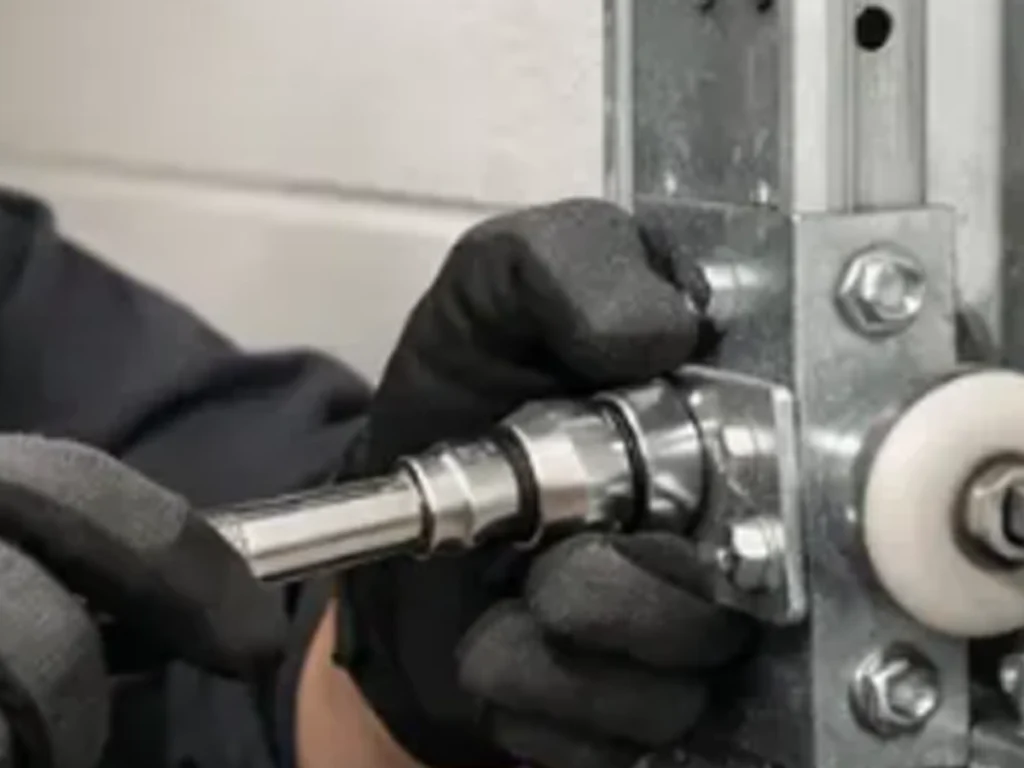
Garage door rescue services address sudden mechanical and electrical failures that stop safe door use. Mechanical faults may involve springs, cables, rollers, hinges, tracks, drums, bearings, or damaged panels. Electrical faults may involve power, controls, wiring, sensors, remotes, batteries, motors, or opener logic. A trained technician first secures the area and studies the symptom. Next, the technician separates door balance from opener performance. The repair should match the exact door and operator. Finally, the full system needs travel, balance, hardware, control, sensing, reversal, and manual release checks. Owners should never touch loaded springs, bottom brackets, cables, or a hanging door.
A failure can trap a vehicle, expose a building, or leave a heavy door unstable. Therefore, the first goal is not movement at any cost. The first goal is preventing injury and added damage.
In our professional view, a rescue visit should answer three questions. What failed? Why did it fail? What checks prove the system is safe to use again? Everlast Garage Doors – Franklin aims to make those answers clear.
• First, stop movement and keep people away from an unstable door.
• Second, diagnose the complete system before replacing any part.
When a Door Failure Becomes a True Emergency
Not every squeak needs urgent service. Yet, some conditions call for prompt professional attention. A door that hangs, drops, leaves the track, or has a broken spring can create serious risk. A door stuck open can also expose vehicles, tools, stock, or another entrance.
A failed safety response also deserves fast action. If a powered door does not reverse or respond as its instructions require, stop using it. The Consumer Product Safety Commission states that automatic residential garage door operators must meet 16 CFR Part 1211.
Business owners face added concerns. A failed door can block deliveries, staff movement, customer access, or secure closing. Therefore, managers need a simple rule for taking the opening out of service and routing traffic elsewhere.
Do not call a problem an emergency only to create fear. Instead, judge immediate risk, security, trapped access, and business impact. Then, describe the facts when requesting service.
• First, urgent signs include unstable travel, broken lift parts, and failed safety controls.
• Second, secure the area and report what the door actually does.
Seven Dangerous Signs That Demand Quick Action
Several symptoms can point to a mechanical or electrical fault. However, one symptom does not prove one cause. A technician should inspect the system before making a firm diagnosis.
A Door That Hangs or Looks Crooked
Uneven position can suggest a cable, drum, track, roller, spring, or support concern. The door may bind if someone keeps pressing the control. Therefore, stop movement and keep clear of the opening.
• First, do not stand under or pull on a hanging door.
• Second, tell the technician which side sits higher or lower.
A Visible Spring Gap or Loud Bang
A gap in a torsion spring can indicate a break. A loud bang from the garage may also come from a spring failure. Still, other impacts can sound similar, so visual inspection from a safe distance is useful.
• First, do not touch the spring, shaft, drums, or cables.
• Second, avoid using the opener to lift a door with a broken spring.
Loose or Frayed Lift Cables
Lift cables carry door load and work with the spring system. Frayed, loose, or displaced cables need trained attention. A cable may still hold tension even when it looks slack.
• First, keep hands and tools away from every lift cable.
• Second, stop door use until the cable system is checked.
Rollers Outside the Track
A roller outside its track can leave the door partly unsupported. Bent track, impact, loose hardware, or cable trouble may be involved. Forcing the door can bend more parts or change its position.
• First, do not hammer the roller back while the door carries load.
• Second, clear the nearby area and wait for trained service.
The Motor Runs but the Door Does Not Move
This symptom may involve the opener drive, release, spring balance, door bind, or another connection. Repeated motor use can add heat or damage. Therefore, stop after the first safe observation.
• First, note any lights, sounds, or brief movement.
• Second, do not adjust opener force to overcome a stuck door.
3.6 The Door Will Not Close or Reverses
Blocked or misaligned sensors can stop closing. Binding, travel settings, controls, or damaged hardware can also affect movement. Never bypass the sensor to force a close.
• First, remove visible objects from the door path without touching hardware.
• Second, stop powered use when approved safety checks fail.
Smoke, Burning Odor, or Hot Controls
Smoke, sparks, unusual heat, or a burning odor can signal an electrical concern. Stop using the operator. If there is an active fire or immediate danger, leave the area and contact emergency services.
• First, do not open a powered cover or touch damaged wiring.
• Second, report heat, smell, smoke, and recent power events clearly.
How Experts Separate Mechanical and Electrical Failures
Good rescue work begins by splitting the problem into two connected systems. The door includes panels, springs, cables, tracks, rollers, hinges, bearings, and seals. The operator includes power, controls, sensors, drive parts, logic, and release hardware.
A door can be mechanically hard to move even when the opener has power. Likewise, a balanced door can stay still because the operator lacks power or a control signal. Therefore, replacing an opener without checking door balance can miss the real cause.
Technicians study the last normal cycle. They ask whether the door stopped while opening or closing. They also ask about impact, storms, power loss, noise, recent service, and any manual operation. These details help narrow the test plan.
The inspection should move from visible condition to controlled tests. Loaded parts require special care. Electrical checks should follow maker instructions and safe work methods. Finally, the diagnosis should link each symptom to measured or observed evidence.
• First, test the door system and operator as separate parts.
• Second, reconnect the findings before selecting the repair.
Six Common Mechanical Failures and Safe Responses
Mechanical failures often involve force, weight, wear, or impact. Because springs and cables may hold high energy, owners should not attempt loaded repairs.
Broken or Weak Springs
Springs help balance door weight. When a spring breaks, the door can become very heavy. A matching spring solution depends on the door, setup, and product data.
• First, keep the door closed when it is already safely closed.
• Second, leave spring measurement and replacement to a trained technician.
Damaged Cables or Drums
Cables must seat correctly on their drums and share load across the door. Wrong cable position can make the door rise unevenly. A drum, shaft, or bearing issue may also be present.
• First, avoid every cable and bottom bracket during inspection.
• Second, require both sides to be checked after cable work.
Bent or Loose Tracks
Track damage can guide rollers poorly and add drag. A bent section may come from impact or support movement. Simply pushing it straight may not restore correct alignment.
• First, inspect mounting and nearby framing along with the track.
• Second, confirm smooth travel through the full curve after repair.
Worn Rollers, Hinges, or Bearings
Wear can create noise, play, and uneven motion. Yet, new rollers alone may not solve a bent track or weak hinge. The technician should find the full wear path.
• First, compare related moving parts across every door section.
• Second, use compatible parts with the correct size and position.
Damaged Panels or Section Joints
Impact can bend a panel, weaken a joint, or change roller alignment. Cosmetic damage may also hide structural trouble. Therefore, the door should be assessed before more powered movement.
• First, check whether the damaged section still guides and supports hardware.
• Second, compare repair and replacement based on safe function.
Obstruction, Ice, or Debris
Objects near the track or floor can stop travel. However, the opener may keep trying if controls are pressed again. Remove only loose items that are safely reachable and clear of loaded parts.
• First, inspect the travel path without reaching under the door.
• Second, do not raise force settings to push through resistance.
Six Common Electrical Failures and Smart Tests
Electrical faults can appear sudden, yet the cause may be simple or complex. Safe checks begin outside sealed covers and follow the product manual.
Lost Power at the Operator
A tripped breaker, disconnected plug, failed outlet, damaged cord, or building outage may stop the opener. However, repeated breaker trips can point to a larger fault.
• First, check building power only through normal, approved controls.
• Second, call the right qualified trade for outlet or wiring concerns.
Sensor Alignment or Wiring Trouble
Photo sensors need proper aim, clean views, secure mounting, and sound wiring. Indicator lights may help with diagnosis, depending on the model. Never bypass the system for normal use.
• First, clear obvious objects and review visible sensor condition.
• Second, follow the exact maker test for the installed operator.
Remote or Keypad Failure
A remote may need a battery, correct programming, or a clean signal path. A keypad can have power, code, or control issues. Yet, several failed controls may point back to the opener.
• First, test one approved control at a time.
• Second, erase lost controls and protect every access code.
Logic Board or Control Failure
Surges, age, moisture, or internal faults can affect opener logic. A technician may use model codes, lights, or maker steps to isolate the issue. Board replacement should match the exact unit.
• First, record any error pattern before cycling power.
• Second, compare repair cost with operator age, support, and safety.
Motor or Drive Failure
A hum, stop, heat, or no movement may involve the motor or drive. It can also reflect a door that is too hard to move. Therefore, door balance should be checked before blaming the motor.
• First, stop repeated attempts when the operator strains.
• Second, verify free door travel before final motor diagnosis.
Battery Backup Trouble
Battery supported openers may show a light or sound when the battery needs service. DASMA advises owners to consult the operator manual for status and replacement steps. Not every opener includes backup power.
• First, know whether the installed model has a backup battery.
• Second, test and replace the battery as the maker directs.
A Realistic Rescue Case Study in Franklin
The following case is an illustrative composite. It is not a claim about one named customer. It reflects common findings during a stopped door call.
A Franklin homeowner presses the wall control before work. The opener hums, but the door lifts only a few inches. The owner stops instead of raising the force. That choice helps avoid added strain.
During the review, the technician first secures the area. The opener has power, and the sensors show no closing concern. However, the door does not balance correctly. A spring fault is found, along with worn rollers that add drag.
The repair plan addresses the spring system with compatible parts. It also replaces only the rollers that need service. Next, the technician checks cables, drums, hinges, tracks, supports, and opener connection.
After the work, the door receives controlled balance and travel checks. The opener is then reconnected and tested. Safety response, controls, limits, sound, and manual release are reviewed before handoff.
The lesson is that the humming motor was not proof of a motor failure. Accurate separation of mechanical and electrical systems prevented the wrong repair.
• First, stopping early limited added load on the opener.
• Second, full diagnosis found the main fault and related wear.
What to Do During a Power Outage
A power outage does not always mean the door itself failed. Still, manual operation must be approached with care. DASMA advises following the operator maker’s instructions when disconnecting the opener.
Before using a release, inspect from a safe distance. Do not disconnect an opener from a raised door unless the instructions and conditions clearly support safe action. A door with a broken spring or cable may fall or move without control.
Use a proper handle or approved grip point. DASMA states that the joint between sections is not a suitable grip. Keep fingers away from joints, tracks, rollers, and hinges.
If the door feels too heavy, crooked, or unstable, stop. Do not attempt to lift it alone. Secure another exit and request trained help.
• First, follow the exact manual release instructions for the operator.
• Second, never force manual movement when lift parts are damaged.
Five Questions to Ask Before Approving Rescue Work
Ask what evidence supports the diagnosis. Then, ask whether the fault is mechanical, electrical, or both. Request the exact part description and its compatibility with the door or operator.
Next, ask which related parts will be inspected. A broken cable can affect drums and balance. A failed motor may have been strained by a hard moving door. Finally, ask what tests follow the repair.
Decision makers should also request clear cost scope. The quote should separate the service visit, required repair, optional upgrade, and any future work. If after hours service is offered, confirm its timing and fees directly.
Avoid absolute promises. No technician can confirm every hidden condition before inspection. A sound provider explains known facts, likely next steps, and limits.
• First, approve repairs that follow a clear diagnosis and scope.
• Second, require final checks for both door and opener performance.
Trusted Safety Resources for Door Failures
Reliable sources help owners make safer choices. The CPSC garage door operator guidance explains the federal residential operator standard. The DASMA manual operation guidance covers safe gripping points and maker instructions. In addition, UL Solutions guidance on UL 325 explains key entrapment protection issues.
These sources do not replace the manual for a specific door or operator. They also do not diagnose one property. Instead, they show why correct parts, instructions, safe controls, and trained service matter.
• First, use government, industry, and product sources for safety decisions.
• Second, apply each source to the exact model and door condition.
Five Frequently Asked Questions
What should I do if my garage door will not open?
Stop repeated opener attempts and look from a safe distance. Note power, lights, sound, door position, spring gaps, cable condition, and track damage. Do not touch loaded parts or force a heavy door. If a vehicle is trapped, explain that when requesting service. A technician can separate opener trouble from a mechanical bind.
Can I open a garage door with a broken spring?
A broken spring can make the door extremely heavy and unstable. Using the opener may damage it or create unsafe movement. Do not lift the door alone or handle springs, cables, drums, and bottom brackets. Keep the door closed when it is safely closed. Contact a trained door systems technician for inspection and replacement.
Why does my garage door opener hum but not move?
A hum may involve the motor, drive, release, control, or a door that cannot move freely. It does not prove a failed motor. Stop repeated attempts because added strain can create more damage. A technician should check door balance and travel before completing electrical diagnosis or replacing the opener.
Why will my garage door not close past the sensors?
An object, poor sensor aim, damaged wiring, loose mounting, or another door fault may prevent closing. Clear only safe, visible objects from the path. Do not bypass the sensors or hold controls to defeat protection. Review the maker’s indicator and test guidance, then arrange service if approved checks do not restore normal response.
Is a garage door stuck open an emergency?
It can be urgent when the open door exposes property, blocks safe use, or leaves damaged parts hanging. Keep people away and do not force movement. Move valuable items only when that can be done safely. Call a qualified service provider, describe the exact condition, and ask about the soonest confirmed service window.
Conclusion: Get Calm and Confident Rescue Help
Garage door rescue services should bring order to a stressful failure. The work begins with a safe area and an accurate symptom report. It continues with careful mechanical and electrical tests. Then, the repair ends with full system checks.
For Franklin homeowners and decision makers, the best response is calm and direct. Stop unsafe movement. Protect people and nearby property. Record what happened. Finally, choose trained help that explains the diagnosis and verifies the result.
Everlast Garage Doors – Franklin brings a system focused view to garage door failures. We aim to identify the cause, explain repair choices, and support safe operation. Service timing and final recommendations should be confirmed for the specific call.
At Everlast Garage Doors, we provide complete Garage Door Services for both residential and commercial properties. Our team handles Garage Door Installation, Repair, Maintenance, Custom Designs , and full Door Replacements to ensure long-lasting performance and reliability. We also offer Emergency Garage Door Service to quickly resolve urgent issues and keep your property secure and fully operational. With Everlast Garage Doors, you can count on quality, durability, and trusted service every step of the way.
• First, protect people before trying to restore access.
• Second, demand evidence, compatible parts, and final safety tests.
Need garage door rescue services for a mechanical or electrical failure?
Contact us at
Phone: 615-808-8806