
A garage door replacement can offer far more value than many homeowners expect. In fact, Zonda reported a 268 percent national return on garage door replacement costs in its 2025 Cost vs. Value study. That result does not guarantee the same return for every home. However, it shows how strongly a garage door can affect curb appeal and perceived property value.
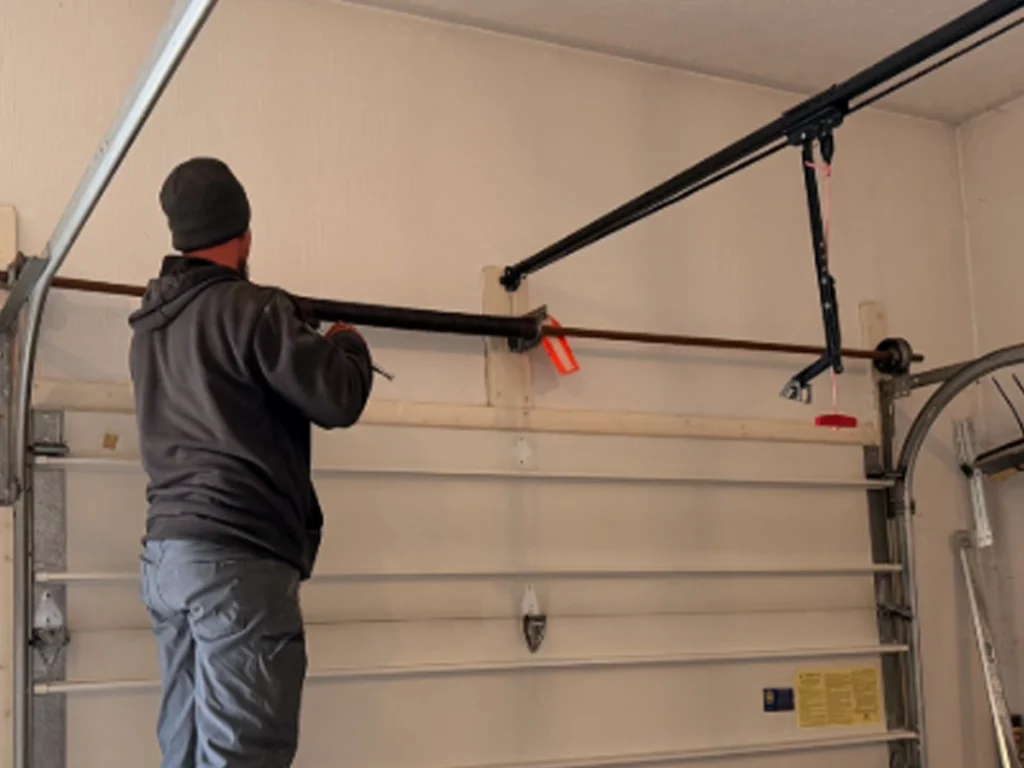
AI Overview: Full-Service Garage Door Installation means handling the complete project through one coordinated process. It begins with measuring the opening and choosing the right door. Next, trained installers remove the old system when needed. They then prepare the opening, install tracks, panels, springs, cables, hardware, and the opener. Safety sensors and reversing features also need correct operation. Finally, the installer reviews basic use, care, and maintenance with the property owner. This complete approach helps reduce installation errors, missed components, and avoidable service problems.
For homeowners and property managers, installation is much more than putting a door into an opening. Every major component must work together.
Likewise, incorrect spring tension can place extra stress on other parts.
Therefore, a complete installation should focus on appearance, movement, balance, safety, and long term performance.
At Everlast Garage Doors – Franklin, the goal of a complete service approach is simple. Each stage should support the next stage.
That means planning matters just as much as final testing.
- A complete installation covers planning, removal, installation, adjustment, testing, and final review.
- A careful process can help identify problems before they lead to poor door movement or added repairs.
Why Complete Garage Door Installation Matters
A garage door is one of the largest moving systems found in a typical home. Therefore, proper installation affects much more than appearance.
Springs, cables, tracks, rollers, brackets, panels, and the opener all depend on correct alignment.
The Door and Access Systems Manufacturers Association warns that garage door springs operate under significant tension. also recommends trained door system technicians for garage door installation.
Because of that risk, installation quality should never depend only on how the finished door looks.
First, the system should move smoothly.
Next, it should remain correctly balanced.
Also, the tracks should guide the rollers without binding.
Finally, the opener and safety system should respond as intended.
A complete installation process gives technicians time to check each of those areas.
In contrast, rushed work may leave small problems hidden until repeated use makes them worse.
That is why professional installation focuses on the whole operating system.
- Correct installation supports smooth movement and proper balance.
- Final testing can uncover alignment, sensor, opener, or hardware problems before regular use begins.
The First Step Is a Detailed Garage Door Assessment
Every strong garage door installation begins before the old door comes down.
First, the opening needs accurate measurements.
The installer should consider the opening width and height. Headroom and side room also matter.
Next, the existing framing needs attention.
Damaged wood, uneven surfaces, or weak mounting areas can affect the finished installation.
The technician may also review the current track system, springs, opener, and surrounding hardware.
In many replacement projects, homeowners wonder whether older parts can stay.
However, keeping an old component is not always the best choice.
specifically cautions homeowners against automatically using an old track with a replacement garage door. The door manufacturer provides hardware designed for that specific system.
Therefore, the assessment should consider compatibility rather than appearance alone.
A professional assessment also helps the property owner understand the project scope before work starts.
That creates clearer expectations about materials, access, removal, and installation needs.
- Accurate measurements help match the door system to the actual garage opening.
- A system review helps identify framing or hardware concerns before installation begins.
Choosing the Right Garage Door for the Property
The best garage door is not always the most expensive option.
Instead, the best choice should fit the building, daily use, design goals, and budget.
First, consider the door material.
Steel is a common choice because it offers many styles and practical maintenance needs.
Other options may include wood, composite materials, aluminum, and specialty designs.
Next, consider insulation.
An insulated door may be useful when the garage connects directly to living space. It can also appeal to owners who use the garage as a work area.
ENERGY STAR explains that insulation and air sealing work together when improving building efficiency. See ENERGY STAR insulation guidance. (ENERGY STAR)
Design matters as well.
For example, windows can add natural light and visual interest.
Panel style can also change the appearance of the entire front elevation.
Color deserves careful thought because many garage doors cover a large visible portion of the home.
Therefore, selection should balance appearance with practical needs.
- Door material and insulation should match how the garage is used.
- Style, windows, finish, and panel design should complement the property exterior.
Professional Removal Creates a Clean Starting Point
When replacing an existing door, careful removal is part of the installation.
The old door contains parts that may still hold substantial spring tension.
Therefore, removal should follow the correct sequence.
First, trained technicians secure the system.
Next, they address the spring and counterbalance system according to its design.
Then, panels and related hardware can be removed safely.
Afterward, the old tracks and brackets may also need removal.
The installer can then inspect the opening again.
This second look is valuable because hidden damage may become easier to see after the old system is gone.
For example, damaged mounting material may have been covered by an old track.
Likewise, water damage or loose framing can become visible.
At this point, technicians can determine whether the installation area is ready for the new system.
A clean opening gives the new garage door the best possible starting point.
- Controlled removal reduces unnecessary damage around the garage opening.
- A cleared opening allows another inspection before new components are mounted.
Track and Hardware Installation Sets the Foundation
Tracks guide the garage door during every opening and closing cycle.
Therefore, track installation requires careful measurement and alignment.
First, vertical tracks are positioned along the sides of the opening.
Next, horizontal sections guide the door toward the ceiling.
Supporting hardware must then hold those tracks securely.
Even small alignment problems can affect roller movement.
For example, a poorly positioned track may create extra friction.
That friction can cause noise, uneven movement, or added strain.
Hardware also needs attention.
Hinges connect door sections and allow controlled movement.
Rollers travel inside the tracks.
Brackets secure critical parts.
Fasteners hold the system to its support points.
Therefore, each component plays a specific role.
The goal is not simply to attach every piece.
Instead, the goal is to create a system where every piece works together.
- Correct track alignment supports smooth roller movement.
- Secure hardware helps maintain stable operation through repeated door cycles.
Door Panels Must Be Installed With Care
Garage door sections form the main visible surface of the new system.
However, their role goes beyond appearance.
Each section must connect correctly to the others.
First, the bottom section is positioned and leveled.
The remaining panels can then be added in sequence.
Hinges and rollers connect the sections while allowing them to travel along the tracks.
During this stage, installers watch the spacing between sections.
They also review panel alignment from both sides.
Proper positioning matters because an uneven first section can affect every section above it.
Therefore, patience at this stage often prevents adjustment problems later.
Weather sealing also deserves attention.
A bottom seal helps close the space between the door and garage floor.
Additional seals may be installed around the sides and top.
These parts can help limit drafts, debris, and outside air entering around the door.
- Correct panel alignment supports consistent door movement.
- Proper seals help close common gaps around the finished garage door.
Spring and Cable Setup Requires Professional Skill
The spring system helps counter the weight of a garage door.
Because of that job, springs store significant mechanical energy.
This is one of the strongest reasons to use trained professionals.
DASMA warns that garage door springs and connected cables can create serious hazards. The organization advises that certain spring related repairs should only be completed by trained technicians. (DASMA)
Depending on the system, a garage door may use torsion springs or extension springs.
Each design works differently.
However, both systems must support correct door balance.
A properly balanced door should move without excessive effort.
The opener should not be expected to compensate for a badly balanced door.
Instead, the spring system should handle the door weight correctly.
Cables also need correct routing and secure attachment.
Therefore, spring and cable setup should never become a shortcut during installation.
- Spring adjustment directly affects garage door balance and movement.
- Cable installation requires correct routing because cables work with the counterbalance system.
Garage Door Opener Installation Completes Automation
Many homeowners replace the opener during a new garage door installation.
Others may keep an existing opener when it remains compatible.
Either way, compatibility needs careful review.
The opener should match the door system and operating requirements.
First, the opener rail and motor assembly need secure mounting.
Next, the door connects to the opener through its arm and attachment hardware.
Travel limits must then be set.
Those limits tell the opener where the fully open and fully closed positions are.
Safety systems must also work correctly.
The U.S. Consumer Product Safety Commission has long required entrapment protection features on modern residential garage door operators. Its guidance also stresses testing automatic reverse functions.
Therefore, opener installation is not complete when the remote simply makes the door move.
The system also needs safety testing.
- Opener travel should stop at appropriate open and closed positions.
- Safety sensors and reversing functions should be checked before regular use.
Final Balance and Safety Testing Are Essential
A professional garage door installation should end with testing.
This stage confirms whether all previous work functions as one system.
First, technicians can observe the door during complete opening and closing cycles.
They can listen for unusual noise.
They can also watch for hesitation, shaking, rubbing, or uneven movement.
Next, balance should be reviewed according to proper service procedures.
The opener should also receive attention.
Photoelectric sensors need correct position and operation.
The reversing system should respond properly during the required test.
In addition, hardware may receive a final inspection.
Technicians can verify that fasteners remain secure after the system moves several times.
These checks matter because installation is a connected process.
One adjustment can affect another part.
Therefore, final testing gives installers a chance to make small corrections.
- Multiple operating cycles can reveal noise, rubbing, binding, or alignment concerns.
- Safety and reversing tests help confirm the opener responds as designed.
What Full Service Means After Installation
A strong installation should not end when the technician packs the tools.
Instead, homeowners should understand their new system.
First, the installer can explain normal door operation.
Next, the owner should know how the emergency release works.
Basic maintenance guidance is also useful.
For example, homeowners can visually watch rollers, tracks, seals, and hardware for signs of wear.
However, spring systems should receive professional attention when repair or adjustment is needed.
Owners should also keep the door and opener manuals available.
Those manuals contain information for the exact products installed.
Finally, warranty information should be stored somewhere easy to find.
A full service process should leave the customer with both a working system and clear next steps.
- Owners should receive basic operating and maintenance guidance.
- Product manuals and warranty information should remain available for future reference.
A Practical Garage Door Installation Example
Consider a Franklin homeowner replacing an older sectional garage door.
This example is illustrative. It does not describe a specific Everlast Garage Doors – Franklin customer.
First, the existing opening is measured.
The homeowner wants better curb appeal and quieter daily operation.
During the assessment, the installer also checks the existing opener and mounting areas.
Next, the homeowner chooses a sectional door that fits the opening and exterior design.
On installation day, the existing system is safely removed.
The opening is then checked again.
New tracks and mounting hardware are installed before the door sections go into place.
Afterward, the spring and cable system is set for the new door.
The opener is connected and adjusted.
Finally, technicians operate the door through several cycles.
They check balance, travel, sensor response, and reversing performance.
The homeowner then receives basic operating instructions.
This example shows why full service installation is valuable.
Each stage has a clear purpose.
More importantly, each stage supports the next one.
- A planned process makes it easier to spot problems before final testing.
- Coordinated installation reduces the chance that important system checks are overlooked.
Common Installation Choices for Franklin Property Owners
Franklin homes vary widely in age, architecture, and garage design.
Therefore, garage door needs can also differ.
One homeowner may focus on curb appeal.
Another may care more about insulation.
Meanwhile, a property manager may prioritize dependable operation and simple maintenance.
For that reason, there is no single garage door that suits every project.
The better approach is to begin with the property.
Consider how often the door operates.
Also, consider whether bedrooms or living areas sit beside the garage.
Next, review the home’s exterior style.
Finally, consider future service needs.
Decision makers should also compare the entire proposed system.
A low door price can be misleading when essential hardware or installation services are separate.
Therefore, ask what the installation actually includes.
- Compare complete installation scope rather than door price alone.
- Choose features that solve real property needs instead of adding features without a clear purpose.
Why Professional Installation Can Reduce Avoidable Problems
Garage door installation combines weight, movement, alignment, and high tension components.
That combination creates little room for careless work.
Professional installation also brings another advantage.
Experienced installers know where problems commonly appear.
For example, an installer can identify an opening that is not square.
They may also notice damaged mounting areas or poor track clearance.
These issues may not be obvious to someone completing a first installation.
Professional work still requires careful testing.
Experience does not replace the manufacturer’s instructions.
Instead, training and product guidance should work together.
That combination creates a more controlled process.
- Professional installers understand the risks created by spring tension and heavy moving sections.
- Experienced assessment can identify installation conditions that may require correction.
How Long Garage Door Installation Can Take
There is no universal installation time for every garage door.
Project length depends on door size, opening condition, hardware, opener work, and other conditions.
A straightforward replacement may often be completed within one service visit.
However, custom work can take longer.
For example, damaged framing may need attention.
An unusual opening can also require added preparation.
Opener replacement may add another stage.
Likewise, custom door systems may require more detailed setup.
Therefore, homeowners should treat online time estimates as general guidance.
A site assessment gives better information for the actual property.
A reputable installer should explain factors that could change the schedule.
That is more useful than promising a fixed time before reviewing the garage.
- Standard replacement projects usually involve fewer preparation steps than custom installations.
- Opening repairs, custom hardware, or added opener work may increase project time.
Our View on a Better Installation Experience
A garage door should not be treated as one isolated product.
Instead, it should be viewed as a complete moving system.
That perspective changes the installation process.
Rather than focusing only on panels and appearance, a complete service considers tracks, hardware, balance, springs, cables, seals, opener settings, sensors, and final testing.
In our view, clear communication also matters.
Customers should know what will happen before work begins.
They should understand important findings during the project.
Finally, they should know how to use the finished system after installation.
For property owners, this creates a simpler experience.
For installers, it creates a clear standard for completing the project.
Most importantly, it keeps attention on the entire door system.
- Good installation combines skilled physical work with clear customer communication.
- Final performance matters more than simply completing the visible installation.
Why Franklin Homeowners Choose a Full Service Approach
A full service approach can make a garage door project easier to manage.
Instead of coordinating separate stages, the homeowner works through one organized process.
First comes consultation.
Then comes product selection.
Next comes installation.
Finally, the project moves through testing and customer review.
This sequence gives each stage a clear purpose.
It also helps homeowners ask better questions.
For example, they can ask whether removal is included.
They can ask whether the opener will be tested.
They can also ask how final safety checks are performed.
Those questions help reveal the true scope of an installation quote.
Price still matters.
However, scope, safety, product quality, and workmanship also deserve consideration.
A complete project should create confidence in the finished door.
- Full service simplifies the project by connecting planning, installation, and testing.
- Clear project scope helps property owners compare garage door installation proposals fairly.
Frequently Asked Questions About Garage Door Installation
How long does it take to install a garage door?
Installation time depends on the door, opening, hardware, and existing system. A straightforward residential replacement may often be finished during one service visit. However, structural repairs, custom designs, unusual openings, or opener changes can extend the work. Therefore, an onsite assessment provides a more useful estimate than a universal installation time.
What is included in professional garage door installation?
A complete service can include measurements, old door removal, opening preparation, tracks, panels, hardware, springs, cables, opener setup, adjustments, and final testing. Exact services vary by project and provider. Therefore, homeowners should review the written scope before approving installation. This helps prevent confusion about removal, disposal, opener work, and other services.
Can I install a garage door myself?
some manufacturers provide instructions for homeowner installation. However, garage doors contain heavy components and high tension spring systems. DASMA states that garage door installation can be dangerous for novices and recommends trained technicians. Professional installation is especially important when spring adjustment, cable work, system balancing, or complex opener setup is required.
Should I replace my garage door opener with the new door?
Not every garage door replacement requires a new opener. However, the current opener should be checked for condition, compatibility, safety features, and proper operation. Older systems may lack features found in newer units. Therefore, homeowners should have the opener reviewed during the installation consultation rather than assuming it should automatically stay or go.
How do I know whether a new garage door is installed correctly?
A correctly installed door should move smoothly and remain properly aligned. It should not show obvious binding or uneven travel. The counterbalance system should also operate correctly. When an automatic opener is present, sensors and reversing features should work as required. Final testing by the installer is an important part of confirming proper operation.
Plan Your Full-Service Garage Door Installation in Franklin
Full-Service Garage Door Installation is valuable because every part of the system affects another part.
Measurements affect fit.
Track placement affects movement.
Spring setup affects balance.
Opener settings affect travel.
Safety sensors affect automatic closing.
Therefore, the best installation process does not treat these steps as separate details.
It brings them together.
For Franklin homeowners, builders, property managers, and other decision makers, that complete approach can make project planning clearer.
It also creates a better basis for comparing installation providers.
Look beyond the door itself.
Ask about measurements, removal, hardware, spring setup, opener compatibility, safety testing, and final adjustment.
Those details reveal what full service really means.
Everlast Garage Doors – Franklin provides garage door services for property owners seeking a coordinated approach from initial planning through final system review.
At Everlast Garage Doors, we provide complete Garage Door Services for both residential and commercial properties. Our team handles Garage Door Installation, Repair, Maintenance, Custom Designs , and full Door Replacements to ensure long-lasting performance and reliability. We also offer Emergency Garage Door Service to quickly resolve urgent issues and keep your property secure and fully operational. With Everlast Garage Doors, you can count on quality, durability, and trusted service every step of the way.
Everlast Garage Doors – Franklin
Contact us at
Phone: 615-808-8806