
A Smart Franklin Guide to Safe and Lasting Parts
Surprisingly, a garage door is usually the largest moving object inside a home. Yet that large door depends on small springs, cables, rollers, hinges, bearings, brackets, and fasteners. Therefore, asking when should garage door hardware be replaced is a vital safety and cost question. As a result, early action can prevent noise, panel damage, lost access, and downtime.
• First, replace damaged hardware before it shifts strain to nearby parts.
• Also, leave spring, cable, drum, and bottom bracket work to trained technicians.
AI Overview: When Should Garage Door Hardware Be Replaced?
Garage door hardware should be replaced when it shows cracks, bends, rust, frayed wire, failed bearings, or poor motion. Also, replace worn parts when the door jerks, drops, binds, or grinds. Still, age can guide an inspection, but condition and use should guide the final choice.
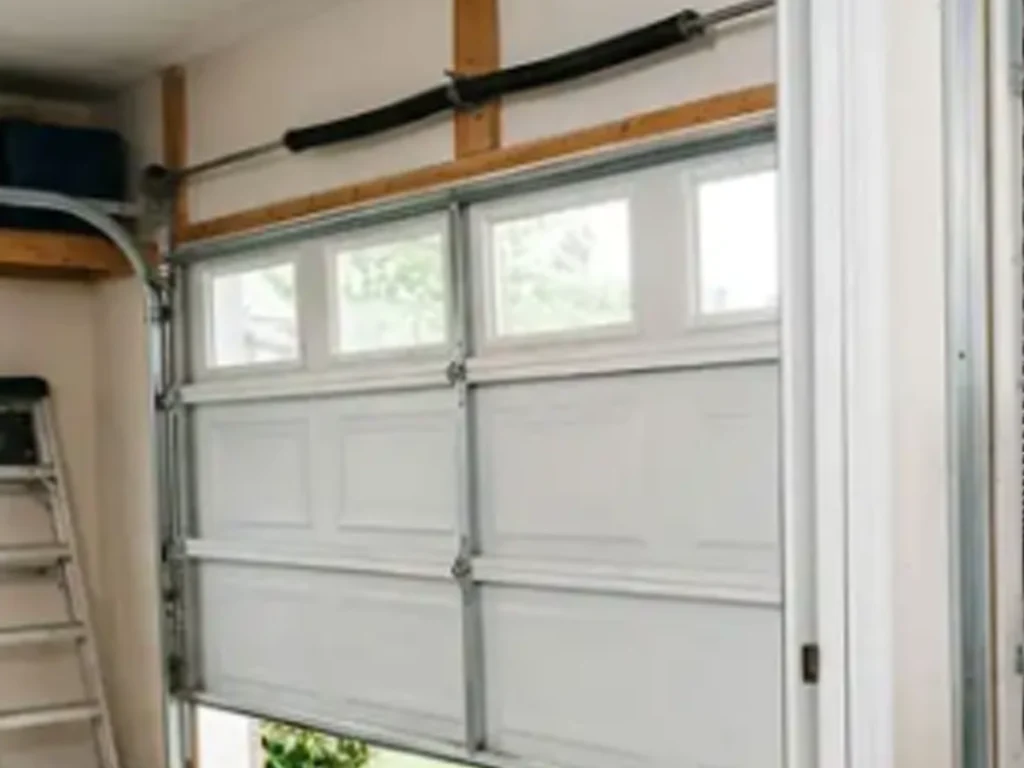
Springs and lift cables need the fastest response because they work under high tension. Therefore, owners should never loosen or adjust those parts. Meanwhile, rollers and hinges often give warning through noise, wobble, and rough travel. Tracks need work when bent, split, badly rusted, or unsafe.
Overall, a sound inspection checks the whole system, not one noisy part. Specifically, it reviews balance, panel alignment, fasteners, brackets, seals, sensors, and opener strain. Then, a technician can explain whether one part or a matched set makes sense.
• In short, visible damage or unsafe motion means replacement should not wait.
• However, surface dirt or a dry approved pivot may only need proper care.
The Critical Rule: Replace Hardware by Condition
Importantly, no single calendar date fits every garage door part. Indeed, door weight, daily use, part grade, setup, and care all affect wear. Also, moisture, dirt, and impact can speed damage. Therefore, a newer part may fail before an older part on a lighter door.
For this reason, condition matters more than age alone. A cracked hinge needs action even when it is fairly new. Likewise, a sound roller may last for years. Still, an older system deserves closer checks because several parts may share similar use.
• First, use age as a prompt for inspection, not as proof of failure.
• Next, use visible wear, poor motion, and test results to guide the plan.
Powerful Warning Signs That Demand Action
Most hardware problems give clues before full failure. Therefore, learn the door’s normal sound and motion.
A New Grinding, Scraping, or Popping Sound
Specifically, a new sound can point to friction, a loose joint, a worn bearing, or a strained part. For example, a roller may grind because its bearing no longer turns well. A hinge may pop because it is bent or cracked.
However, sound alone does not name the failed part. Therefore, avoid spraying every item and hoping the noise ends.
Jerky or Uneven Door Travel
Ideally, a healthy door should move with smooth, steady travel. In contrast, shuddering may involve worn rollers, bent track, weak hinges, or poor balance. Also, one side may rise first when a cable or spring system has a fault.
Therefore, stop repeated testing when the door leans or binds. Consequently, more cycles can harm tracks, panels, and the opener.
Visible Cracks, Bends, or Missing Metal
For example, a cracked hinge cannot spread load as designed. Likewise, a bent bracket may pull a roller away from its proper path. Missing bolts or torn holes can also let the door flex.
Therefore, damaged load points need prompt review. Also, tightening a screw will not repair cracked metal or a torn panel hole.
Frayed, Rusted, or Slack Lift Cables
Normally, lift cables should look even and sit properly on their drums. However, frayed strands, deep rust, kinks, or slack need expert attention.
A Door That Feels Heavy or Will Not Stay Partly Open
Ideally, a balanced door should move freely and stay partly open during a proper manual test. Therefore, a door that falls, rises, or feels very heavy may have a balance fault.
Because this test involves a large moving door, follow the owner manual. Also, close the door before using the manual release.
Rollers That Wobble, Drag, or Leave the Track
Normally, a roller should turn and guide the door without severe play. Yet a worn wheel may tilt, chip, flatten, or slide. Also, a bent stem can place side force on the track and hinge.
Therefore, roller damage is more than a noise issue. Consequently, it can harm the track and make the door unstable.
Fasteners That Keep Coming Loose
At first, one loose fastener may need correct tightening. However, a fastener that loosens again may signal vibration, worn threads, a bent hinge, or panel damage.
Therefore, a technician should check the fastener, hole, hinge load, and panel support. Then, the repair can restore a sound joint.
• Above all, stop using the door when it leans, drops, binds, or has loose lift hardware.
• Also, arrange an inspection when a new sound remains after approved basic care.
When Garage Door Springs Need Expert Replacement
In fact, springs balance much of the door’s weight. Therefore, they store force and work through every open and close cycle. When they weaken or break, the door may feel heavy, rise unevenly, or stay shut.
For example, visible gaps, stretched coils, severe rust, and a sudden loud bang can point to spring trouble. However, a squeak alone does not prove failure. Still, lasting noise or poor travel deserves expert review.
• Call for service when a spring has a gap, break, severe rust, or clear balance loss.
• Above all, never loosen spring parts, cable drums, or bottom brackets without proper training.
When Cables, Drums, and Bottom Brackets Need Fast Action
Meanwhile, cables lift the door as springs release stored force. Therefore, cable damage can change door height and balance very quickly. Consequently, frayed wire, deep rust, kinks, slack, or a cable off its drum needs prompt service.
Also, inspect both sides from a safe distance. One side may look tight while the other hangs loose. However, never pull, cut, clamp, or rewind a cable.
Next, cable drums need clean grooves and firm alignment. Also, bottom brackets must remain sound because lift cables connect near them. Accordingly, says cables and bottom brackets should only be adjusted by trained door technicians.
In our view, both cables deserve review when one shows major wear. In fact, both usually share the same door, load, age, and setting. Still, a full inspection should confirm the repair scope.
• Stop door use when a cable is frayed, slack, broken, or outside its normal drum path.
• Above all, keep hands and tools away from bottom brackets, drums, spring supports, and loaded cables.
When Rollers and Hinges Are Ready for Replacement
First, rollers guide the door through its tracks. Meanwhile, hinges join the sections and let them bend around the curved track. Because these parts work together, one worn item can strain the other.
Replace a roller when its wheel is cracked, chipped, flat, seized, or badly worn. Also, replacement may be right when the stem bends or the bearing has severe play. As a result, a dragging roller can make the door shake and strain the opener.
Replace a hinge when it has a crack, bend, torn hole, or loose pivot that cannot be restored. Likewise, a hinge needs review when nearby panels shift or a seam opens during travel. Therefore, the correct hinge position and type matter.
However, not every squeak calls for new hardware. Alternatively, some pivots may need a maker approved lubricant. Yet lubrication cannot repair a crack, failed bearing, bent stem, or worn hole.
• First, replace parts with structural damage, severe play, poor rolling action, or failed mounting points.
• Use the correct roller and hinge type instead of choosing a part by appearance.
When Tracks, Bearings, Fasteners, and Seals Need Work
Importantly, tracks guide rollers, but they should not carry the door’s full weight. Therefore, a track fault may follow impact, loose support, poor alignment, or another failed part. Sometimes, dirt may need cleaning. In contrast, a split, crushed, sharply bent, or deeply rusted track may need replacement.
Meanwhile, bearing plates support rotating parts in some spring systems. For example, new grinding, metal dust, rough shaft travel, or visible damage may suggest wear. Because these parts sit near spring force, trained service is wise.
Likewise, fasteners need a firm hold without crushed panels or stripped holes. Thus, a bolt that spins or will not stay tight needs more than force. So, the panel, bracket, and correct fastener must be checked together.
• Repair or replace track when damage keeps rollers from moving through their safe path.
• Replace seals when the material is torn, hard, loose, or unable to close the gap.
Should One Part or a Full Hardware Set Be Replaced?
Sometimes, one damaged part is the only fault. For example, an impact may bend one center hinge while all other parts remain sound. In that case, one correct replacement may restore safe movement.
However, wider replacement can make sense when matched parts share wear. Two springs on one door show this point. A full roller set may also be sensible when several same age rollers show wear.
Still, replacing every part without inspection wastes money. Therefore, ask the technician to show the failed item and compare nearby parts. A good plan should state which pieces need replacement now and which can remain.
Moreover, written findings help property managers with approval and future care. Also, photos and clear urgency reduce guesswork across several doors.
• Choose one part when damage is isolated and all linked parts pass inspection.
• Choose a matched set when shared wear, balance, or fit makes that plan safer.
A Proven Monthly Check That Builds Confidence
A monthly visual and motion check can find change before failure. Their guidance also calls for trained service when the door binds, loses balance, or shows unsafe damage.
First, stand inside with the door closed and the area clear. Then, look at hinges, rollers, tracks, springs, cables, brackets, panels, and fasteners. Next, search for cracks, bends, rust, fraying, loose parts, and new gaps.
After that, operate the door while keeping people and items away. Meanwhile, listen for new grinding, popping, scraping, or harsh vibration. Also, watch whether both sides rise together.
Then, follow the owner manual before using the manual release. First, keep the door closed. Next, move it with safe handles and check for free travel. Therefore, a heavy or sticking door needs trained service.
Finally, test the opener safety parts as the maker directs. Also, describes a reversal test and calls for inspection every thirty days. U.S. Consumer Product Safety Commission
• Also, record the date, sound, motion, and visible changes.
• Stop the test when the door becomes unstable, heavy, crooked, or hard to control.
Two Honest Composite Cases From Common Field Patterns
Importantly, the following examples are illustrative composites. Therefore, they explain sound repair choices without claiming named customer results.
Composite Case One: Noise That Was More Than Dry Hardware
For example, a Franklin homeowner hears a steady grind from an attached garage. At first, the sound seems like a simple care issue. However, a visual check finds several rollers with side play and one cracked hinge.
In this example, added spray would not repair worn bearings or cracked metal. Therefore, the sensible plan is to replace the failed hinge and review the roller set. The technician must also check track shape and panel holes.
Thus, the lesson is clear. In short, noise can be a clue, but the repair should match the damage.
Composite Case Two: A Crooked Door With a Frayed Cable
By contrast, a small business door begins to rise faster on one side. Then, the owner sees loose cable strands near a bottom bracket. Consequently, continued use could make the door lean or jam.
As a result, the safe response is to stop use and keep people away. Next, a trained technician should inspect both cables, drums, springs, brackets, and balance. Ultimately, only that inspection can confirm the full repair.
Again, the lesson is equally clear. So, uneven travel with cable wear requires fast professional service.
• These cases show why diagnosis must come before parts ordering.
• They also show why linked hardware should be checked when one loaded part fails.
A Simple Decision Guide for Franklin Owners
First, replace now when you see a broken spring, frayed cable, cracked hinge, failed roller, or badly bent track. Also, stop use when the door drops, leans, binds, or leaves its track.
Next, schedule a prompt inspection for new noise, repeated loose bolts, shaking, surface rust, or slower travel. Still, these signs may not prove failure, but they can reveal early wear.
Then, maintain and watch parts that remain sound. Meanwhile, cleaning and approved lubrication may help some hinges, rollers, and bearings. However, always use the correct manual because part needs vary.
• Replace now for structural damage, cable wear, spring failure, severe imbalance, or unstable travel.
• Likewise, inspect soon for lasting noise, wobble, loose hardware, rust, or changing door speed.
What Owners Can Check and What Experts Must Handle
Generally, owners can observe many items without taking the system apart. For example, they can note sound, watch travel, view rollers, check seals, and look for visible wear. They can also keep safe track areas clean and follow approved care steps.
Also, never work under an unstable or partly open door. Furthermore, do not force a crooked door with the opener.
• In short, owners can inspect, record changes, clean safe areas, and follow the exact manual.
• By contrast, trained technicians should handle springs, loaded cables, drums, bottom brackets, and major track faults.
Five Frequently Asked Questions
1. How do I know when garage door hardware needs replacement?
Garage door hardware needs replacement when it has cracks, bends, frayed wire, rust, failed bearings, or loose mounts. Also, watch for grinding, jerky travel, uneven lifting, and a door that feels heavy. Because several faults can cause the same sign, a full inspection should confirm the failed part before ordering replacements.
2. How often should garage door rollers be replaced?
Importantly, there is no safe universal date for every roller. Indeed, material, bearing grade, door weight, daily cycles, setup, and care all change service life. Therefore, inspect rollers by condition. Replace them when wheels crack, flatten, seize, wobble badly, or stop rolling well.
3. Should both garage door springs be replaced together?
When a door uses two springs and one fails, DASMA recommends replacing both. In fact, the springs have usually shared the same use and load. However, a technician should confirm the correct spring size and door setup. Spring work involves high force, so owners should never loosen or replace these parts themselves.
4. Can a frayed garage door cable be repaired?
A frayed lift cable should be replaced rather than patched. As a result, broken strands weaken its structure and can worsen under load. Therefore, stop using the door and keep away from the cable area. A trained technician should inspect both cables, drums, springs, and bottom brackets before choosing the complete repair scope.
5. Is noisy garage door hardware always ready for replacement?
No, because some noise may come from dirt, dry approved pivot points, loose surface hardware, or normal spring sound. However, grinding, popping, scraping, or harsh vibration can also point to damage. If correct cleaning and maker approved care do not help, arrange an inspection. Above all, never use lubricant to hide a crack or frayed cable.
A Powerful Final Step for Safer Garage Door Parts
So, when should garage door hardware be replaced? Replace it when wear, damage, poor fit, or unsafe motion shows that care cannot restore sound operation. Most importantly, act before a loaded part fails and harms the rest of the system.
Franklin lists repair, maintenance, replacement, hardware supply, and installation among its services. Therefore, its team can assess the full door and explain which parts need action.
At Everlast Garage Doors, we provide complete Garage Door Services for both residential and commercial properties. Our team handles Garage Door Installation, Repair, Maintenance, Custom Designs , and full Door Replacements to ensure long-lasting performance and reliability. We also offer Emergency Garage Door Service to quickly resolve urgent issues and keep your property secure and fully operational. you can count on quality, durability, and trusted service every step of the way.
Contact information:
- Phone: 615-808-8806
- Location: 1107 Battlewood St #222, Franklin, TN 37069