
Garage Door Opener Installation
Here is a surprising fact about garage door opener installation: the opener should not lift a door that feels heavy by hand. The spring system should offset most door weight, while the opener controls smooth travel. Therefore, buying a stronger motor may hide a balance problem instead of solving it. The first step is checking the door, not choosing an app or remote.
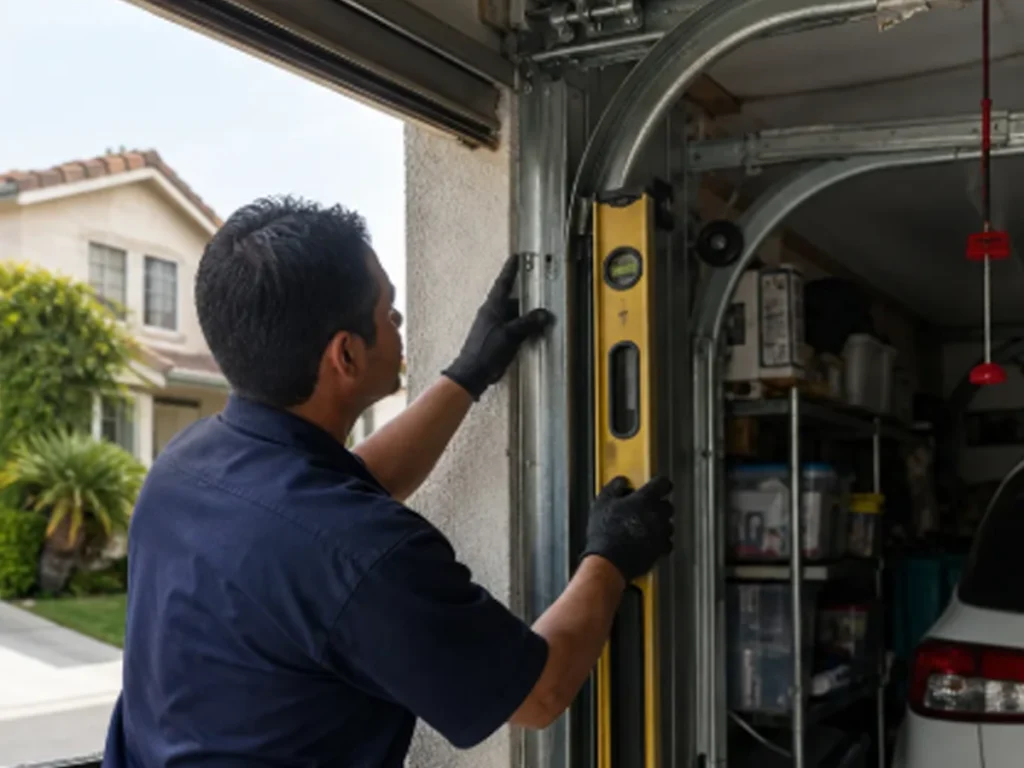
Before garage door opener installation, confirm that the door is safe, balanced, aligned, and easy to move by hand. Then, measure the door height, weight, track layout, ceiling space, and nearby power. Choose a chain, belt, screw, or wall mount drive that fits the door and the room. Next, compare noise, speed, lighting, battery backup, smart access, cameras, remotes, and warranty terms. The opener must include working safety reversal features and properly placed photo eyes. A trained installer should reinforce the top door section when required, mount the rail or wall unit correctly, set travel and force, test reversal, and explain manual release. Never use a larger opener to force a damaged or unbalanced door.
For Franklin homeowners, property managers, and business leaders, a clear plan can prevent wasted cost and repeat service. It also helps buyers compare complete proposals instead of comparing motor labels alone.
First, make the door safe and ready. Then, select an opener that fits the door, the garage, and the people who use it.
- Check door balance, travel, tracks, springs, cables, and the top section first.
- Choose features only after the installer confirms fit, power, space, and safe operation.
Begin With the Door Before Choosing an Opener
The opener is only one part of the moving system. Springs counter the door weight. Cables transfer spring force, while rollers guide sections through the tracks. Hinges let those sections turn through the curved path.
Before any opener is chosen, the closed door should receive a visual check. A broken spring, slack cable, crooked section, damaged roller, or bent track needs expert attention. Do not test a door that appears unstable or sits outside its tracks.
When the door is closed and safe, a trained person can disconnect the old opener and check manual movement. The door should move with controlled effort and should not race down. If it binds or feels very heavy, opener installation should pause.
The Door and Access Systems Manufacturers Association opener guidance states that a more powerful opener is not the answer for a heavy door. Instead, the door likely needs balance work and a trained diagnosis.
- Repair mechanical faults before a new opener begins moving the door.
- Confirm smooth manual travel and correct balance before selecting motor capacity.
Match the Opener to Door Size and Construction
Motor labels can help compare models, but they do not tell the whole story. Door height, width, weight, construction, track type, and expected use all affect the correct opener. A standard single door and a tall wood door may need very different systems.
The installer should identify whether the door uses standard lift, high lift, low head room, or another track layout. The rail must suit the door height. In addition, the trolley and door arm need clear movement without striking lights, storage, or framing.
Daily cycles also matter. A family with several drivers may use the system far more than a quiet household. A shared property or business may need equipment designed for more frequent use. Therefore, discuss real traffic instead of assuming every home has the same demand.
- Provide the installer with door size, material, age, track type, and daily use.
- Confirm that the rail, motor, hardware, and duty level match the complete door system.
Compare Chain, Belt, and Wall Mount Drives
Chain drive openers use a metal chain along the rail. They are common, strong, and familiar to many technicians. However, normal chain movement may produce more sound and vibration than some belt systems.
Belt drive openers use a reinforced belt. They are often selected when quiet travel matters, especially below or beside living space. Still, actual noise also depends on door balance, rollers, hinges, mounting, and room construction.
Wall mount openers sit beside the torsion shaft instead of on a ceiling rail. This layout can free ceiling space and create a clean garage view. However, it requires a compatible door and torsion setup, suitable side room, nearby power, and proper cable control.
Some brands also offer other drive designs. Buyers should compare exact model instructions, service support, warranty, and parts access. No drive type is best for every opening, so site facts should guide the choice.
The current LiftMaster opener buyer guide provides an overview of opener types and selection points. Because features vary by model, the final proposal should name the exact unit.
- Choose a belt drive when low noise is a top need and the system fits.
- Consider chain or wall mount options based on budget, space, door type, and service needs.
Plan for Noise Before Garage Door Opener Installation
Noise matters most when a bedroom, nursery, office, or living room touches the garage. In those homes, a quieter drive can help. However, replacing the opener alone may not remove every sound.
Worn steel rollers, dry hinges, loose fasteners, poor balance, or track contact can create loud movement. The opener may simply carry that sound into the ceiling. Therefore, the installer should watch and listen to the door before promising a result.
Mounting also changes vibration. Solid framing and correct fasteners help keep the unit steady. A long loose support can shake, while a poorly aligned rail can add strain. Product approved vibration parts may help in some layouts.
- Check rollers, hinges, tracks, balance, and supports before judging opener noise.
- Match the drive and mounting plan to nearby rooms and quiet time needs.
Put Safety Reversal Above Every Smart Feature
A modern opener must stop or reverse when the system detects danger. Photo eyes near the floor form a key part of that protection. If the beam breaks during closing, the opener should respond as its design requires.
The United States Consumer Product Safety Commission says openers made or imported for sale in the country after January 1, 1991, must have reversing systems. It also states that an external entrapment protection requirement was added in 1993.
Owners should follow the current maker manual because test steps and indicator lights can differ by model.
Sensor position, aim, wiring, and mounting all matter. A sensor placed too high may fail to detect a small child or pet below its beam.
The wall control also needs a safe location. The user should still see the moving door while using the control.
- Require working photo eyes, contact reversal, clear controls, and full safety testing.
- Never bypass sensors or raise them simply to avoid a closing fault.
Check Ceiling Space, Side Room, and Power
An opener needs more than space above the door. A rail system needs a clear path from the opening toward the back wall. Lights, attic access, fans, pipes, storage racks, and ceiling beams may affect placement.
A wall mount unit avoids the center rail, but it needs clear side room near the torsion shaft. It may also need extra cable control parts based on the model and door. Therefore, wall mount does not mean that every tight garage is compatible.
Power should be planned before installation. The outlet location must meet product instructions and applicable electrical rules. Extension cords are not a sound permanent plan. If new wiring or an outlet is needed, use a properly qualified electrical professional.
Internet signal matters for connected controls, but it should not drive unsafe equipment placement. Test signal near the intended opener area. Also, confirm how local wall controls and remotes work when internet access is down.
- Measure rail travel, ceiling clearance, side room, outlets, lights, and stored items.
- Resolve power and network needs before the installation date when possible.
Decide Whether Battery Backup Fits Your Needs
Battery backup can allow certain opener functions during a power outage. That can be useful when the garage is a main entry or when the door lacks another easy access point. However, operation varies by model and battery condition.
Ask how many cycles the maker expects under stated test conditions. Then, ask how temperature, door balance, lighting, age, and accessories may affect that estimate. A backup battery is a wear item, so replacement time and cost also matter.
The manual release remains important even with backup power. Every capable adult user should know where it is and how it works. However, pulling the release under an open, damaged, or unbalanced door can be dangerous.
For a closed and stable door, the installer can explain safe manual use. Owners should not wait for an outage to learn. They should also keep another entry plan in mind because a failed battery, power loss, and mechanical fault can happen together.
- Compare backup operation, alerts, battery life, replacement steps, and warranty coverage.
- Learn the manual release process only with the door closed and safe.
Review Smart Access, Cameras, and Security
Smart controls can show door status, send alerts, record activity, and allow remote commands. Some models also support cameras, two way sound, guest access, or delivery tools. These features can be useful for busy Franklin households.
However, connected access creates account duties. Ask who controls the main account, how guest users are removed, and what happens when the property changes hands. Also, review update support, privacy settings, saved video, and any paid service.
Rolling code remotes can improve basic transmitter security because the code changes after use. Still, owners should secure physical remotes and remove access for lost devices.
Do not let app setup replace physical testing. The wall button, remotes, keypad, manual release, sensors, and reversal system must all work. If internet service fails, the owner should understand which local controls remain available.
- Compare useful access features with account security, privacy, support, and fees.
- Remove old remotes, reset access, and protect the main account after installation.
Choose Lighting and Controls for Real Daily Use
Opener lighting can improve safe entry, storage access, and camera images. Compare brightness, light spread, delay time, motion activation, and replacement method. A bright label alone does not show how well light reaches corners.
Wall controls may provide lock mode, motion lighting, time display, maintenance alerts, or automatic close options. However, simple controls can be easier for guests or older users. The best panel offers features the household will understand and use.
Keypads can provide access without a remote. Temporary codes may help visitors, service workers, or short term guests when the model supports them. Place the keypad where it is useful but not easy to observe from public areas.
- Compare actual light coverage, wall controls, keypad options, and remote count.
- Choose controls that every approved user can operate safely and clearly.
10. Understand Professional Installation and Final Testing
Improper installation can create risk even when the opener itself is sound. Without correct support, opener force can damage the panel.
The installer should follow the exact maker instructions. Work may include mounting supports, rail assembly, door reinforcement, arm position, sensor wiring, control placement, travel settings, force settings, remote setup, and smart account help.
Final testing should cover more than one open and close cycle. The technician should confirm smooth travel, full opening, correct floor seal contact, sensor response, contact reversal, light operation, control response, and manual release.
The owner should receive the model details, manuals, warranty information, and service notes. A short hands off matters because safety depends on correct use after the technician leaves. Every adult user should know the warning signs that require service.
- Require installation based on the exact door, opener manual, and site conditions.
- Request a full safety test and owner walk through before approving completion.
Compare Total Cost Instead of One Motor Price
An opener price does not always include the same scope. One proposal may include the rail, remotes, keypad, battery, camera, new sensors, door bracket, removal, setup, and warranty. Another may list some items as extra.
Door repair can also affect the project. A broken spring, weak top panel, damaged track, or worn roller may need correction before installation. That work should appear clearly, with required repairs separate from optional upgrades.
Ask about ongoing cost as well. Batteries, camera storage, smart service plans, lights, remotes, and accessories may add future expense. Also, confirm who provides warranty labor and how service requests are handled.
A strong written proposal names the exact model and included parts. It also explains why the unit fits the door and use pattern. This clarity gives decision makers a fair way to compare value, safety, and support.
- Compare exact model numbers, included parts, labor, removal, setup, and warranty.
- Separate required door repairs from optional smart, lighting, and access features.
A Composite Franklin Case Study Shows the Process
Consider a composite example based on a common service pattern, not one named customer. A Franklin family has a double steel door beneath a bedroom. The old chain opener is loud, while the door also shakes during travel.
At first, a belt opener seems like the full answer. However, the manual inspection finds worn rollers and loose mounting hardware. The door remains balanced, but those mechanical issues create much of the noise.
The plan combines roller service, secure supports, a compatible belt opener, fresh safety sensors, and a high wall control. The family also selects battery backup and door status alerts because the garage is their main entry.
Now consider another composite case. A homeowner wants a wall mount opener to free ceiling storage. Site measurement finds that the torsion layout fits, but a shelf blocks needed side room. Moving the shelf solves the conflict before the order.
These examples show why our team at Everlast Garage Doors – Franklin starts with inspection and use. The best opener is not the unit with the longest feature list. It is the unit that fits and works safely.
- Use site evidence to solve door, space, sound, power, and access needs together.
- Confirm compatibility before ordering a drive type or premium feature.
13. Make a Confident Opener Choice in Franklin
Garage door opener installation should begin with a safe, balanced door. Next, match the drive, rail, capacity, controls, and accessories to the opening. Finally, install and test the system as one complete unit.
Chain, belt, and wall mount openers each have valid uses. Battery backup, smart controls, cameras, lighting, and keypads can add value when they solve a clear need. However, no feature should weaken basic safety or proper fit.
Helps homeowners, property managers, and business decision makers understand these choices without guesswork. Our goal is to inspect the system, explain the evidence, and recommend equipment suited to the actual door.
Everlast Garage Doors we provide complete Garage Door Services for both residential and commercial properties. Our team handles Garage Door Installation, Repair, Maintenance, Custom Designs , and full Door Replacements to ensure long-lasting performance and reliability. We also offer Emergency Garage Door Service to quickly resolve urgent issues and keep your property secure and fully operational. you can count on quality, durability, and trusted service every step of the way.
Contact us to plan professional garage door opener installation in Franklin.
Phone: 615-808-8806
Location: 1107 Battlewood St #222, Franklin, TN 37069
- Request a door balance, space, power, and compatibility review before purchase.
- Ask for a written installation scope with final safety testing and user guidance.
Frequently Asked Questions
What should I know before installing a garage door opener?
Confirm that the door is stable, balanced, and easy to move by hand. Then, measure the door and available ceiling or side space. Review nearby power, drive type, noise, safety sensors, battery backup, controls, and warranty. A trained installer should verify compatibility before equipment is ordered.
How powerful should my garage door opener be?
The right capacity depends on door size, construction, weight, track design, balance, and expected use. A higher motor label should not compensate for a heavy or damaged door. Ask a technician to check the spring system and name the exact opener model suited to the complete door.
Is a belt or chain garage door opener better?
Neither is best for every garage. Belt drives are often chosen for quieter operation near living areas. Chain drives are common, familiar, and may fit many budgets. Actual sound and life also depend on balance, rollers, mounting, care, product quality, and how often the door moves.
Can I install a garage door opener myself?
Although opener installation is different from installing a full door, mistakes can create serious hazards. The work requires solid mounting, correct reinforcement, sensor placement, wiring, travel settings, force settings, and safety tests.
Do I need battery backup for my garage door opener?
Battery backup is useful when outages occur or the garage serves as a main entry. It is not a substitute for a safe door or manual release knowledge. Compare expected cycles, battery alerts, replacement cost, local controls, and model limits before deciding whether the feature fits your needs.