
How Fast Garage Door Repairs Protect Franklin Businesses
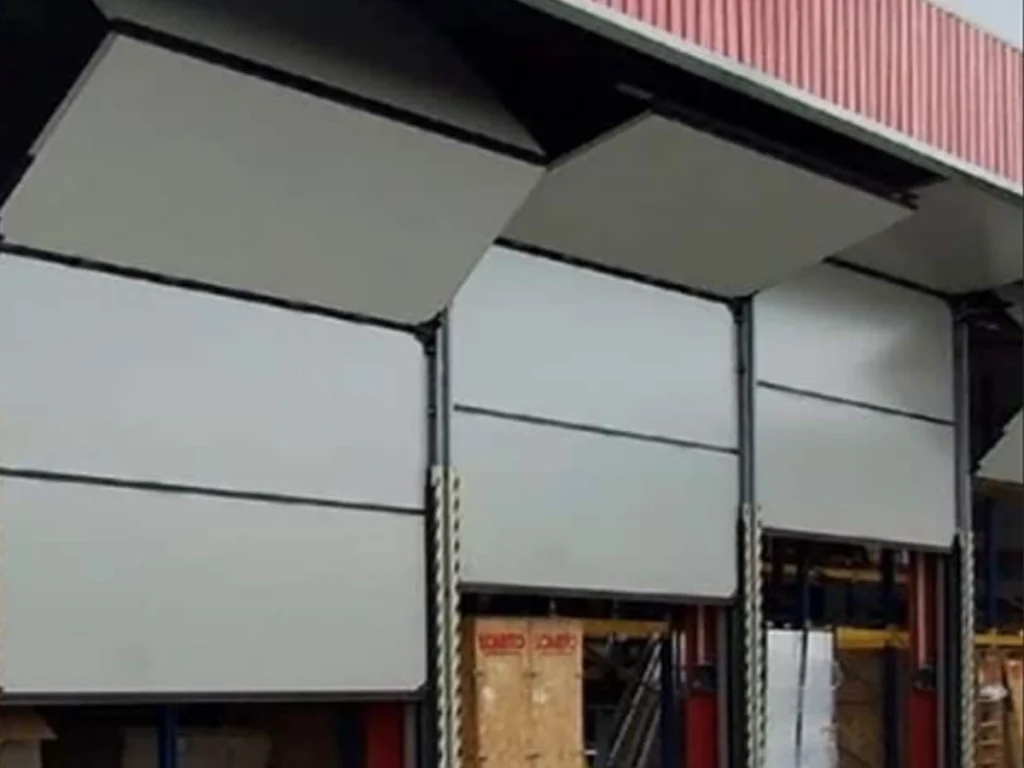
The Consumer Product Safety Commission says automatic doors that do not reverse can cause severe injuries, which makes a damaged commercial door more than an inconvenience. For a Franklin business, a stuck garage door can delay deliveries, block staff access, and leave property exposed. Therefore, fast garage door repairs can reduce business disruptions when they focus on safety, diagnosis, and a durable return to service.
Fast garage door repairs help businesses limit downtime when a commercial door will not open, close, seal, or respond correctly. A qualified technician first makes the area safe, then identifies the failed part, such as a spring, cable, roller, track, sensor, panel, or operator. Next, the technician repairs or replaces the proper component and tests door balance, travel, and safety reversal. In Franklin, prompt service is especially useful for warehouses, shops, fleets, service bays, and property managers that depend on secure daily access. A repair should never trade safety for speed.
Understanding the Real Business Cost of a Failed Door
A commercial garage door supports the flow of people, goods, vehicles, and information. When it fails, the problem can move through a business faster than many owners expect. For example, a blocked loading area may delay a supplier, a driver, a customer appointment, and the work that follows. Consequently, the value of fast garage door repairs is often measured in restored routine, not only in parts replaced.
- A door that will not open can stop receiving, shipping, vehicle dispatch, and secure staff entry.
- A door that will not close can create a security concern, weather exposure, and a safety issue.
In our view, the most useful repair visit starts with clear questions. What is the door doing? When did the change begin? Is anyone near the door, and is the door hanging unevenly? Those answers help set safe expectations before a technician begins work. However, staff should not try to force a heavy door or touch springs, cables, or brackets.
Why Speed Matters Without Rushing the Repair
Speed matters because lost access affects real work. Yet a fast response does not mean a rushed repair. Instead, it means a focused process that finds the source of the failure and returns the door to safe operation as soon as practical. That distinction protects the business from a second failure soon after the first one.
- A careful inspection can reveal whether the visible problem is the cause or only a symptom.
- A final test can confirm that the door moves evenly, stops correctly, and responds to safety controls.
For instance, a door that jerks during travel may appear to need a new opener. However, worn rollers, a bent track, or an unbalanced door can also place extra strain on the operator. Replacing only the operator could leave the root issue in place. Therefore, experienced commercial garage door repair begins with the whole system.
Common Failures That Interrupt Daily Work
Commercial doors work hard. They may open many times each day, support heavy panels, and face changing heat, rain, wind, dust, and vehicle activity. Over time, small changes can become obvious failures. A prompt inspection can help decision makers choose the safest next step.
- Broken springs can make a door extremely heavy and may prevent normal opening or closing.
- Loose cables or damaged tracks can make a door hang unevenly, bind, or come off its normal path.
Other common concerns include worn rollers, damaged hinges, frayed weather seal, bent panels, failed photo eyes, and operator faults. A door may also make new sounds, move slowly, reverse without a clear reason, or stop partway. Each sign deserves attention because continued use can increase damage. Moreover, an open door may expose stock, tools, and work areas to rain or unauthorized entry.
Fast Garage Door Repairs for Different Franklin Operations
The same failure does not affect every business in the same way. A repair plan should reflect the door type, the business schedule, the site layout, and the safety risks. That is why an experienced provider asks practical questions before recommending a repair or replacement.
- Warehouses and distribution spaces may need reliable loading access and a door that seals well after each cycle.
- Auto shops, fleet yards, and service bays may need wide, dependable openings for scheduled vehicle movement.
Retail spaces and restaurants may use overhead doors to connect indoor and outdoor areas. Meanwhile, property managers may oversee doors at storage spaces, mixed use sites, or shared facilities. In each case, the main aim is similar: restore safe operation with as little impact on daily work as possible. Still, the best repair details can differ significantly.
A Practical Repair Process That Reduces Downtime
Good repair work follows a sequence. First, the technician confirms the reported issue and checks whether the door is safe to approach. Next, the technician examines the moving parts, hardware, controls, and door balance. Then, the technician explains the finding in plain language and recommends an appropriate repair.
- The technician should secure the door before working around damaged springs, cables, or tracks.
- The technician should test movement and safety features after work is complete.
This process helps the business make a clear decision. If a repair is suitable, it may restore access quickly. If a part has reached the end of its useful life, a replacement may be the more reliable choice. Neither option should be presented as automatic. A good recommendation depends on condition, use, availability, budget, and the risk of future interruptions.
Safety Must Lead Every Commercial Door Repair
Heavy doors store force in springs, cables, and moving hardware. As a result, a door problem can become dangerous when people attempt a quick fix without the right training and tools. The safest immediate action is usually to keep people clear, stop operating the door, and contact a qualified professional.
- Do not pull, cut, loosen, or adjust a spring, cable, bracket, or track while the door is under tension.
- Do not place a vehicle, cart, ladder, or person beneath a door that is stuck open or hanging unevenly.
The Consumer Product Safety Commission garage door guidance explains the importance of reversing systems and routine safety checks. Although that guidance is written for automatic garage doors in general, its core safety lesson applies broadly: a door that does not operate correctly should not be ignored. Businesses should also follow applicable workplace requirements and site procedures. The Occupational Safety and Health Administration provides federal workplace safety resources that can help owners understand their wider responsibility.
Example Scenario: A Service Bay Door That Would Not Close
Consider a hypothetical Franklin service business with an overhead door that closes halfway, then reverses. The team notices the issue near the end of a busy day. It would be easy to assume that the opener has failed. Yet a professional inspection may find a misaligned photo eye, a damaged roller, or a track obstruction instead.
- The immediate priority is to secure the site and keep staff away from the moving door.
- The next priority is to identify the actual fault before ordering or replacing major equipment.
In this example, fast garage door repairs may mean correcting the sensor alignment, replacing a worn part, and testing the full closing cycle. The business could then resume secure use without paying for an unnecessary operator. This is an example, not a promise of a specific result. Every site, door, and failure must be inspected individually.
Example Scenario: A Loading Door Opens Unevenly
Now consider a hypothetical storage operation where a door rises unevenly and makes a loud scraping sound. A supervisor may want to continue using it carefully until the next quiet period. However, uneven travel can point to cable, track, roller, or spring concerns. Further operation could make the damage worse or cause the door to bind.
- The supervisor can document the symptoms, keep the doorway clear, and notify the repair provider promptly.
- The team can direct deliveries to another safe entry until the door has been examined and tested.
This response may feel inconvenient. Nevertheless, it can prevent a smaller repair from becoming a longer shutdown. Fast action is most effective when it includes a safe temporary plan. For this reason, business leaders should know which door supports each critical task and which alternate entrance can handle short term changes.
What a Decision Maker Should Report When Calling
Clear details help a repair provider prepare for the visit. They also reduce time spent guessing at the site. A manager does not need technical language. Simple observations are often enough to guide a safe first response.
- Describe whether the door is open, closed, partly open, off track, noisy, slow, or unresponsive.
- Note the door type, its location, recent impacts, weather exposure, and whether the opener lights or controls respond.
It is also helpful to say whether the door blocks vehicles, deliveries, customer access, or security. If the door is partway open, explain whether it looks level. A current photo can sometimes assist the initial discussion, provided nobody enters an unsafe area to take it. Above all, do not move damaged components simply to create a better image.
Repair or Replacement: Choosing the Reliable Option
Not every failure requires a new door. Many issues can be resolved with the correct part and a thorough adjustment. On the other hand, repeated breakdowns, major panel damage, poor operation, or a door that no longer suits the business may make replacement worth reviewing. The right answer is based on evidence, not pressure.
- Repair may make sense when the door structure is sound and the failed component can be replaced safely.
- Replacement may make sense when repairs are frequent, parts are no longer practical, or the door no longer meets the operation’s needs.
Ask the provider to explain the condition of the door, the work proposed, and the likely maintenance needs afterward. In addition, compare how each option affects security, insulation, speed, and daily use. For Franklin businesses changing a commercial space, it is wise to review the City of Franklin commercial construction information and confirm whether permits or related trade work apply to the planned scope.
Preventive Care Makes Fast Repairs More Effective
Preventive care cannot prevent every failure. However, it can help teams notice wear before a door stops work at the worst time. A simple routine also creates useful notes for the service provider. The goal is observation, not risky adjustment.
- Schedule routine professional checks based on door use, age, environment, and manufacturer guidance.
- Ask staff to report new noises, jerky movement, slow response, gaps at the seal, or inconsistent closing.
Managers can keep a brief record of service dates, recurring symptoms, and any impacts near the doorway. They can also make sure loading areas stay clear of pallets, tools, and trash. Furthermore, businesses should check that staff know who can approve repair work and how to report an urgent access issue. Prepared teams make calmer choices when a door stops working.
Garage Doors Approaches Commercial Repairs
Everlast Garage Doors serves Franklin businesses with a practical approach to commercial garage door concerns. Our focus is to listen first, inspect the system carefully, and explain findings in clear terms. Then, we recommend work that fits the door condition and the operational need. We do not treat a fast response as a reason to skip safety checks.
- We look at the door system as connected parts, rather than assuming the first visible issue tells the full story.
- We help decision makers understand the repair path so they can act with confidence and realistic expectations.
This approach is valuable because commercial doors affect many people. A reliable repair can support employees, customers, drivers, tenants, and operations teams at once. Therefore, our aim is not merely to get the door moving. It is to help the business return to safe, dependable access with a solution that makes sense for the situation.
Five Smart Steps for a Door Emergency Plan
An emergency plan does not need to be complex. It needs to be known by the people who open, close, or work near the door. Building the plan before a failure can reduce confusion and help protect both people and property.
- Assign a person who can stop use of the door, contact the repair provider, and update the team.
- Identify a safe alternate entrance or loading plan for short disruptions.
Next, keep the repair provider information where supervisors can find it. Then, make clear that staff must not handle springs, cables, or damaged tracks. After service is complete, record what happened and whether a maintenance change could help. Finally, revisit the plan after staffing, layout, or schedule changes. These steps can make fast garage door repairs even more useful when timing matters.
Frequently Asked Questions
Can a broken commercial garage door stop my business from operating?
Yes, it can interrupt work when the door controls deliveries, vehicle access, customer entry, storage security, or weather protection. The exact impact depends on the site and whether another safe entrance is available. A professional assessment can identify the fault and help management decide whether a repair, temporary access plan, or replacement is appropriate.
Should employees keep using a garage door that is making loud noises?
No. New grinding, scraping, popping, or banging sounds can signal worn or damaged components. Staff should stop using the door, keep the area clear, and report the change to a supervisor. A trained technician can inspect the door and decide what work is needed before use resumes. This reduces the risk of further damage and injuries.
How quickly can fast garage door repairs be completed?
Completion time depends on the issue, door type, part condition, site safety, and availability of needed parts. Some problems may be resolved during one visit, while others require ordered parts or a larger repair plan. A reliable provider should explain the diagnosis, expected work, and any limits before promising a specific completion time.
Is it safe to replace a garage door spring without a professional?
No. Garage door springs can hold significant tension, and incorrect handling can cause serious injury or property damage. Businesses should keep employees away from damaged springs, cables, and brackets. A trained commercial garage door technician has the tools and knowledge to secure the door and complete spring work safely.
What maintenance helps reduce commercial garage door downtime?
Routine professional inspection, prompt reporting of changes, clean travel areas, and regular testing of controls can all help. Managers should also watch for slow travel, uneven movement, loose hardware, damaged panels, and failing safety sensors. Maintenance does not remove every risk, but it can reveal wear earlier and support better repair planning.
Conclusion: Protect the Workday With Prompt, Safe Repairs
Fast garage door repairs can reduce business disruptions because they restore access, protect security, and limit the chance that a small fault grows into a larger problem. Still, the best results come from a careful diagnosis and safety first work. If your Franklin business has a garage door that will not operate correctly, contact Everlast Garage Doors to discuss a professional inspection and a practical repair plan.
We provide complete Garage Door Services for both residential and commercial properties. Our team handles Garage Door Installation, Repair, Maintenance, Custom Designs , and full Door Replacements to ensure long-lasting performance and reliability. We also offer Emergency Garage Door Service to quickly resolve urgent issues and keep your property secure and fully operational. you can count on quality, durability, and trusted service every step of the way.
For service, call 615-808-8806. The Franklin office is at 1107 Battlewood St #222, Franklin, TN 37069. Share the door position, sounds, recent impacts, and visible concerns when requesting help.